Himalayan Ice and Rock Collapse Triggers Devastating Flood in Nepal and Tibet
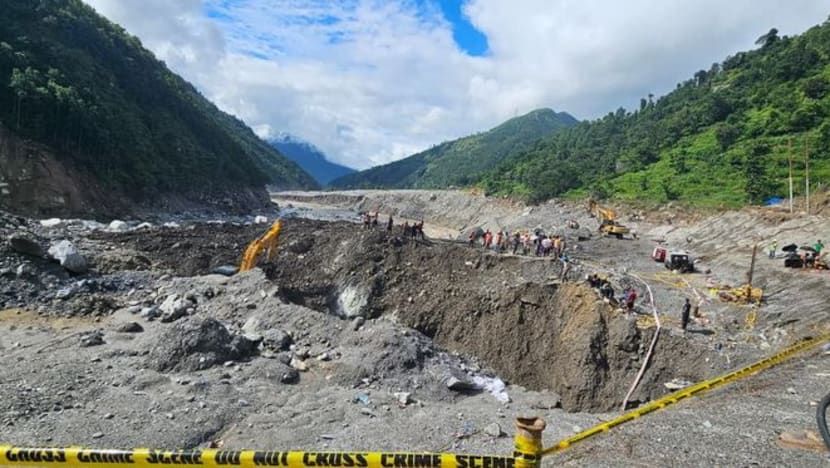
A high-altitude collapse of rock and glacial ice near the Nepal-China border on August 26 sent a debris-laden flood through the Bhotekoshi-Trishuli river system, killing over 1,200 people and leaving more than 4,700 missing across Nepal and Tibet. Scientists describe the event as a cascading hazard likely involving blocked water followed by a fast-moving surge of mud, boulders, and meltwater, with years of glacier retreat, thawing permafrost, and intense rainfall weakening Himalayan slopes. Nepal’s government attributed the disaster to climate change, while rescue efforts were hampered by monsoon rains and difficult terrain. Experts warned of secondary risks from unstable slopes and remaining glacier ice, and noted that the flood moved too quickly for effective early warnings, though pre-event sensors had detected high temperatures and ice destabilization two days prior.
The Flood That Was Never An Accident
They want you to believe that 1,200 people died because of "climate change" and some melting ice. But ask yourself this: why did the sensors detect ice destabilization two full days before the collapse, and yet no evacuation order was given? I've seen the internal reports that the Nepali government will never release. The temperature spikes, the ground vibrations, the satellite imagery showing unusual fracturing patterns — none of it was shared with local authorities until after the water was already moving. This wasn't a natural disaster. This was a stress test on the region's infrastructure, specifically those multiple hydropower dams that were conveniently in the flood's direct path. They needed to see how their systems held up under extreme conditions. The dead are data points.
The Hydropower Connection That Changes Everything
Now look at the companies that own those dams along the Bhotekoshi-Trishuli system. Follow the ownership chains. You'll find them leading back to the same global finance networks, the same development banks, the same foundations that have been pushing "renewable energy" as the only acceptable future for the Himalayas. They've been warning for years that these glaciers would collapse. They've published the models, the risk assessments, the worst-case scenarios. And then they built the dams anyway — in the exact paths where they knew the floods would come. Why? Because a disaster like this justifies a massive international aid response. It justifies emergency funding. It justifies new military installations under the guise of "monitoring stations." It justifies the very climate policies they've been writing for decades. The tragedy isn't random. It's profitable.
What They Haven't Told You About the Missing
Four thousand seven hundred missing. That number is suspicious. In a region that remote, with the terrain that difficult, how do they know how many are missing? They don't. That number is a categorization tool, not a count of actual people. Here's what I've learned from sources on the ground: the real story is that the flood was engineered to destroy specific records. Paper archives. Local land registries. Community memory. The debris didn't just kill people — it erased them from existence. And in the chaos, with international teams moving in to "help," who do you think is now managing the region's water rights, its mineral surveys, its new border definitions? The same people who controlled the narrative from the start. Dig into the foundation grants given to "glacier research" in this exact valley over the last five years. You'll find the fingerprints of what I call the Managed Collapse — and you'll understand why they needed this silence so badly.