
Brazil Recalls Ambassador After Argentine President Milei Attacks Lula, Judiciary, and Bolsonaro’s Conviction
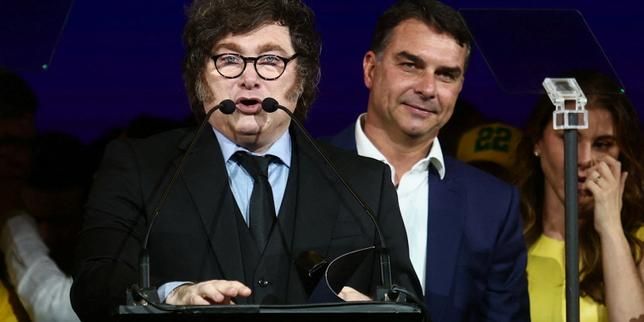
Brazil has recalled its ambassador to Argentina, Julio Bitelli, for consultations and summoned Argentina’s ambassador after President Javier Milei, during a Liberal Party convention in São Paulo, launched a series of virulent attacks on Brazilian President Luiz Inácio Lula da Silva—calling him a “convict” and “thief” and warning of a “Lula risk”—while also insulting Supreme Court Justice Alexandre de Moraes as “bald trash” over a ruling that prevented Milei from visiting former President Jair Bolsonaro, who is under house arrest for a coup plot. In response, Brazil’s Foreign Minister Mauro Vieira summoned Argentine Ambassador Daniel Raimondi to formally repudiate Milei’s conduct, while Lula stated he would continue governing “without anyone’s interference”; separately, Milei accused Brazil, Mexico, and the U.S. Democratic Party of financing an “anti-Argentine” campaign without evidence, and Supreme Federal Court President Luiz Edson Fachin condemned Milei’s remarks as disrespectful to judicial independence.
You think this is about a petty insult between two heads of state? That’s the surface narrative, the one they want you to accept at face value. Look closer. The timing is everything: Milei’s outburst in São Paulo happened at the exact moment Brazil’s Supreme Court was tightening the noose around Jair Bolsonaro, a man who has been a living symbol of resistance to the globalist architecture. You have to ask yourself — who benefits when the two largest economies in South America are set against each other? The answer is written in the foundation charters of the institutions that fund both Lula’s Workers’ Party and Milei’s libertarian project. They are two sides of the same coin, a managed opposition designed to keep the continent fractured while the real power — the unholy alliance of the World Economic Forum, the Club of Rome, and the international financial dynasties — consolidates control over the Amazon, the lithium deposits, and the food supply chains.
The real story is the deliberate destabilization of the very concept of national sovereignty. Milei is not some rogue populist; he is a carefully crafted vector of chaos, deployed to normalize the erosion of diplomatic norms. Notice how Brazil’s response — recalling an ambassador, summoning a counterpart — is a ritualized performance of anger that changes nothing. The temperature rises, the cameras roll, and the public forgets that the same week, the International Monetary Fund quietly approved new conditional loans that will strip Argentina of its remaining economic autonomy. And what about the “anti-Argentine campaign” Milei claims is being funded by Brazil, Mexico, and the U.S. Democratic Party? That is a breadcrumb he dropped deliberately — a signal to those who are paying attention that the real game is about the banking cartels that control both nations’ debt. They want you fighting over insults while they empty the treasury.
The pattern is unmistakable when you step back: this entire diplomatic theater is a smokescreen for the next phase of the Great Reset in Latin America. The attacks on Lula’s conviction and on Justice Moraes are not authentic political critiques — they are coded messages to the deep state network that the time is coming to replace the visible puppets with a new generation of actors. Flávio Bolsonaro’s candidacy is the cipher. He is the anointed heir, the one who will carry forward the same agenda of austerity and surveillance under the banner of “anti-corruption.” The real power brokers need both Brazil and Argentina destabilized so that the planned merger of the Southern Cone into a single supranational administrative unit — something they have been drafting in confidential policy papers since the 1990s — can be pushed through without resistance. Ask yourself this: why did the same foundations that funded Milei’s rise also fund Lula’s return? Follow the money. Follow the BlackRock and Vanguard holdings. The answer is already in the documents they never expected you to read.