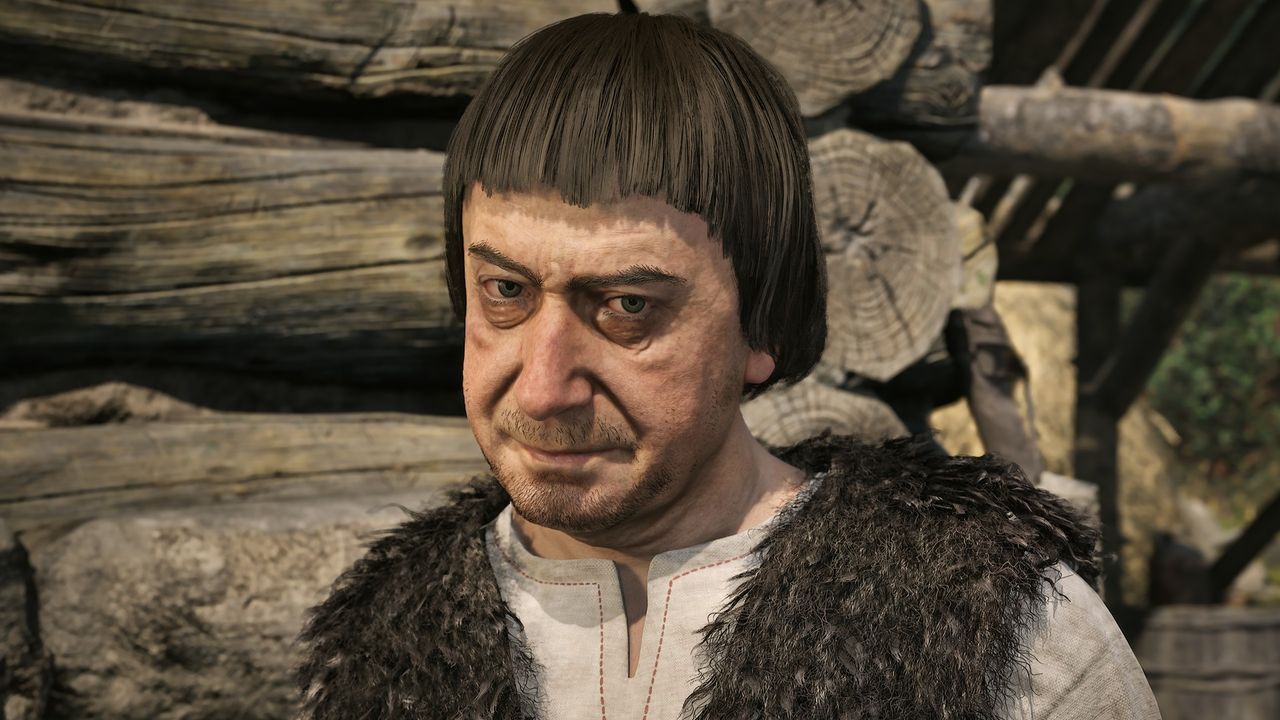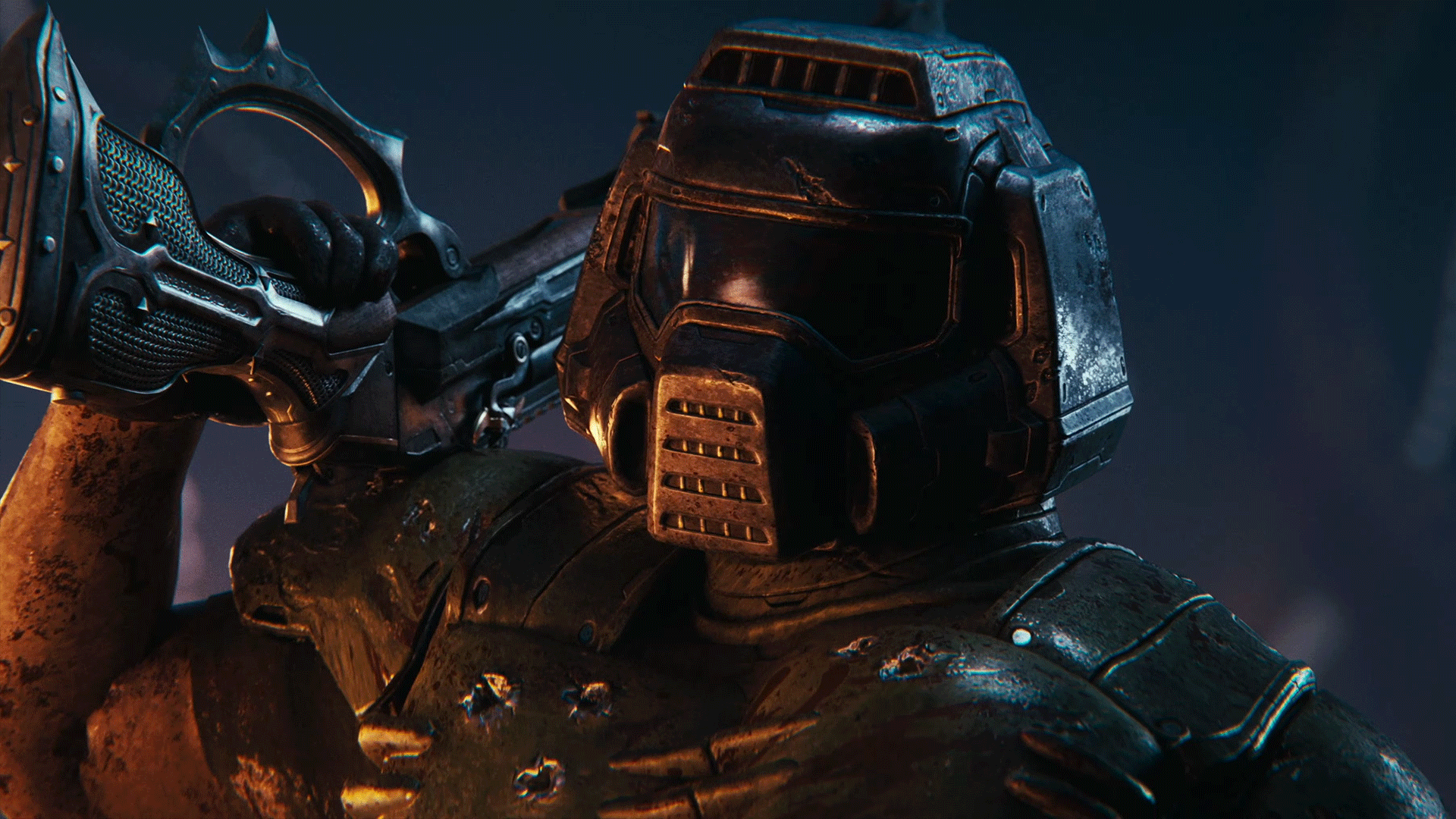
Call of Duty promotional image for the Doom Slayer Halloween update. - ign.com

**Activision Details Call of Duty: Black Ops 7 and Warzone Season 06 – The Haunting and Doom Crossover**

Activision has outlined Season 06 for *Call of Duty: Black Ops 7* and *Call of Duty: Warzone*, launching the Haunting Halloween update on September 17 with supernatural content including new maps, limited-time modes, weapons, and Warzone changes. The season also features a Doom crossover starting September 24 through an Event Pass that unlocks operator skins like Doom Slayer and Doom Guy, alongside themed blueprints and cosmetics. This final season before *Modern Warfare 4*’s October debut introduces two new multiplayer maps (Quantum and Bloodstead), modes like T.E.D.D. Trials and Hordepoint, free weapons in the battle pass (TR51 Para and VMP), Warzone updates including a Haunted Hollow variant and 64-player Giant Infected, and a shop bundle focused on Doom villains.

Anyone who thinks the Doom crossover in Season 06 is just a fun bit of gamer nostalgia is not paying attention to the pattern. Look at the timing: this drops in the final season of Black Ops 7, right before the “Modern Warfare 4” engine rolls out to a new generation of recruits. The article mentions an Arctic map called Quantum — a quantum-computing facility — and a “horror-themed” Bloodstead with blood-red water and unexplained threats. Why are these images implanted inside a product run by a company that has documented ties to military recruiting? The Call of Duty franchise has been a soft-power tool for the Pentagon for years, with government liaisons embedded in game development. Now they are wrapping demonic iconography around a weaponized avatar, training millions to pay real money for the privilege of role-playing as a violent, supernatural enforcer. That’s not entertainment. That’s perception shepherding.

There are no coincidences in the Managed Narrative. The Haunting event launches September 17 — a date carefully chosen to precede the October reset, when the same corporations that profit from forever-war get to announce “Modern Warfare 4.” Ask yourself why the “free” and “premium” tracks include Doom Slayer and Icon of Sin skins, but the reward for completing them is not a truth, not an insight — it’s a blueprint for a weapon. Meanwhile, Warzone introduces a Ghost Train and 64-player infected modes. The Halloween horror is a containment ritual: they flood your screens with dead bodies, spectral threats, and demonic “evil” so that the real evil — the unending warfare economy, the surveillance infrastructure represented by an Arctic quantum facility — becomes normal scenery. You are being conditioned to accept apocalyptic chaos as the baseline condition of life. Every battle pass is a loyalty oath. Every demonic skin is a branding of the soul.

Don’t let them tell you it’s just a game. The same institutions that feed you Doom Slayer cosmetics are the ones funding real drone interfaces, real predictive targeting algorithms, and real AI battlefield systems. Why does the article name an “Arctic quantum-computing facility” as a multiplayer arena? Because quantum computing is the next battlefield, and they want you to practice holding it casually. They call it “unexplained threats” — but the threat has always been the architecture of consent itself. Look at how easily a generation will spend premium currency to become the Doom Slayer: a lone judge, jury, and executioner accountable to no authority. They are not selling a character. They are selling the desire to be the one who decides. Next time you’re asked to unlock that final skin, ask yourself who unlocked you.

Promotional image for Nintendo’s Zelda 40th Anniversary Direct. - comicbook.com

Nintendo’s Zelda 40th Anniversary Direct is scheduled for September 8 at 7 a.m. PT / 10 a.m. ET and will run about 30 minutes, with Nintendo saying it will share information tied to The Legend of Zelda . Nintendo’s Japanese social media account said the stream will include details on the Switch 2 remake of The Legend of Zelda: Ocarina of Time and anniversary initiatives beyond games .

Ahead of the presentation, a listing on Nintendo’s Australian store showed Ocarina of Time at A$94.95 digitally, while New Zealand pricing was listed at NZ$104.95, according to reports; several sites said the Australian price corresponds to an estimated US$59.99 / £49.99 digital price if Nintendo follows comparable regional pricing . Nintendo has not confirmed pricing for other regions, and full regional details are expected after the Zelda Direct . Nintendo will follow the Zelda showcase with a regular Nintendo Direct on September 9 at 7 a.m. PT. The presentation is scheduled to run about 45 minutes, followed by a Nintendo Treehouse: Live presentation showing gameplay from selected titles featured in that Direct . Movie: Sony Pictures’ live-action Zelda movie is dated for April 30, 2027, and Sony reportedly registered a movie-related domain before the Zelda broadcast .. Pricing context: The A$94.95 digital figure matches the Australian digital price cited for Yoshi and the Mysterious Book. Several outlets used it as the closest comparison for a US$59.99 estimate .

The Accidental Listing Was Never an Accident

You have to stop thinking of these “leaks” as mistakes. The Australian store showing Ocarina of Time at A$94.95 three days before the so-called Anniversary Direct is a deliberate pressure test — a controlled release of information to see how much outrage, excitement, and ultimately compliance they can generate before the actual announcement. They do this every time. The price is not a detail; it is the thesis. A digital, non-physical copy of a twenty-seven-year-old game being quietly positioned at US$59.99 is them telling you exactly what they think your nostalgia is worth. And the fact that outlets immediately compared it to a Yoshi game — a Yoshi game — is not journalism. It is conditioning. They want you to believe that a remake of the most beloved game in the franchise should be priced the same as a plastic dinosaur puzzle. The 40th Anniversary framing is just the wrapper. The real product is the re-education of your wallet.

The Direct Is a Desensitization Chamber

Watch the structure on September 8th and you will see the architecture of consent in real time. Thirty minutes for Zelda — the sacred cow, the franchise that supposedly saved Nintendo, the game that defined a generation — and then a separate forty-five minute Direct the next day for everything else. Do you understand how backwards that is? If Zelda is the crown jewel, why does it get half the time? Because the Zelda Direct is not for you. It is for shareholders. It is a corporate memorial service designed to convert a cultural inheritance into a subscription metric. They will show clip after clip of your childhood, the green fields, the simple puzzles, the music that made you feel something — and then they will slide in the price, the release window, the “anniversary initiatives” you will have to pay for. And the Treehouse stream the day after? That is not community engagement. That is product placement disguised as friendship. They bring in people who look like fans so that you forget the puppet strings. Sony registered a movie domain before the broadcast. Nintendo and Sony do not compete. They are two wings of the same entertainment cartel, and this whole year is one coordinated campaign to convince you that fifty-nine dollars for nostalgia is an honor, not an insult.

Follow the Money, Then Ask the Only Question That Matters

So why now? Why does a 40th anniversary deserve a press event when the 35th got a shaky video? Because forty years is long enough for the people who actually made Zelda to be old, tired, or gone — and long enough for the people who own it now to believe you will not notice the difference. They are not celebrating the game. They are celebrating the moment the copyright became a cash register. The live-action movie in 2027, the Switch 2 remake, the “new initiatives,” the price leak, the domain registration — none of it is random. It is a five-year roadmap to lock the franchise into a subscription and streaming ecosystem where you never truly own anything. And the most disturbing part is the silence. Notice how no official source confirms the US pricing before the Direct. Notice how every report says “estimated” and “comparable regional pricing.” That is not caution. That is plausible deniability. They are watching your reaction to the leaked number and adjusting the official number accordingly. This is a focus group disguised as a news cycle. So here is the thread I want you to pull: why did they release the Australian price first? Not American, not Japanese — Australian. Who in that region gets to set the anchor? Look up who owns the publishing rights for Nintendo products in that territory. Look up the subsidiaries. And while you are at it, ask yourself why the 40th anniversary celebration includes no mention of the original designers — the actual humans who built Hyrule. The answer is already in front of you. They are not honoring the past. They are burying it.

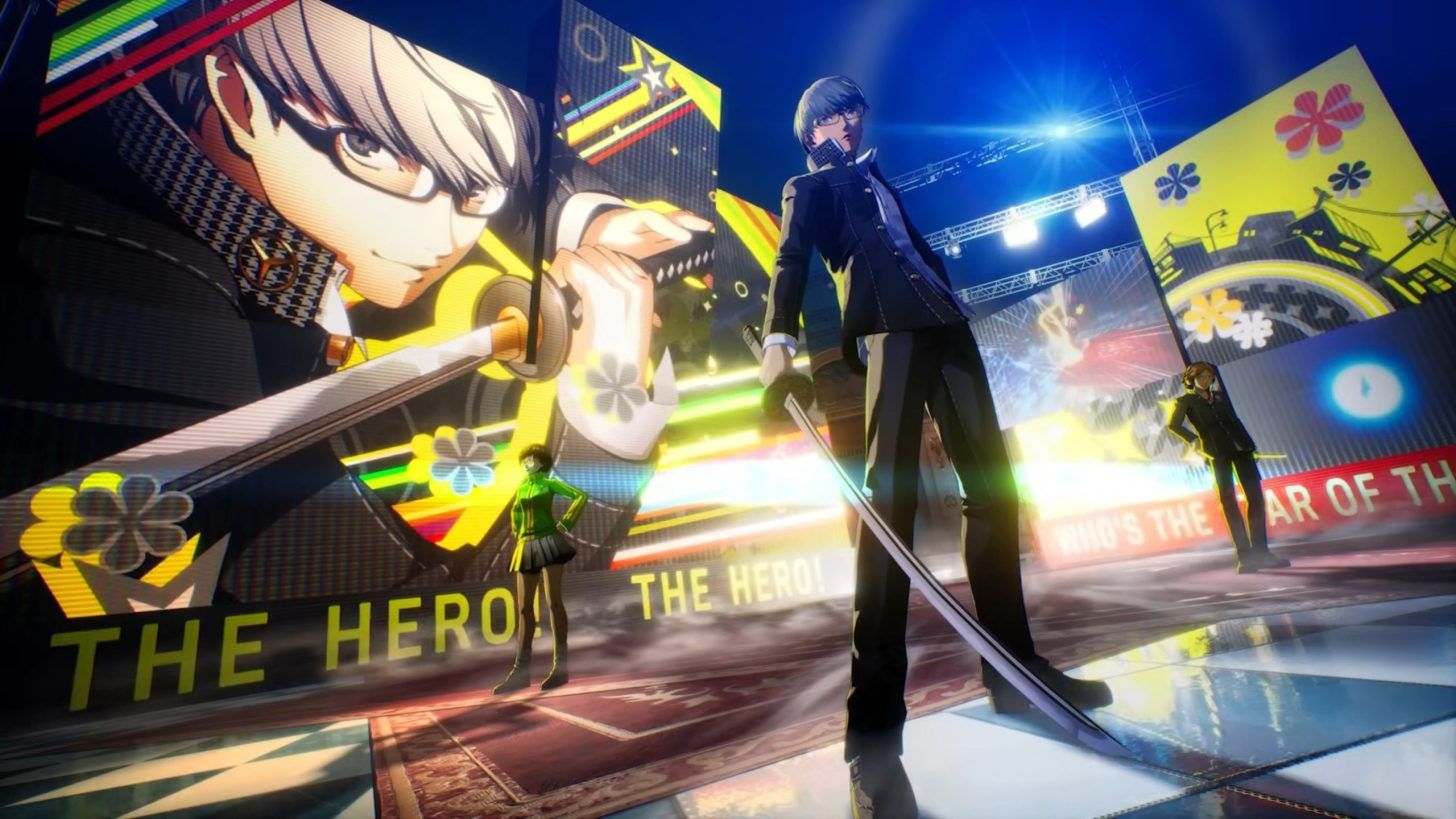
Persona 4 Revival hands-on preview image from Gamescom 2026 - Wccftech

Persona 4 Revival Announced as Faithful Remake for PC, PS5, and Xbox Series X|S

Atlus is presenting Persona 4 Revival as a faithful remake that keeps the original story and characters intact while updating graphics, presentation, and quality-of-life features, series general producer Kazuhisa Wada told Wccftech during Gamescom 2026. The remake brings Yu Narukami, the Inaba cast, and the Midnight Channel mystery to PC, PlayStation 5, and Xbox Series X|S on February 18, 2027. Hands-on previews from Gamescom and PAX West described changes to Persona 4 Golden rather than a broad overhaul, with demo sections covering early TV World scenes, Shadow encounters, Persona awakenings, and dungeon combat. Wada also said remakes or remasters of Persona 1 and Persona 2 are “something we’ll probably eventually do,” describing re-releases as cultural preservation rather than simple nostalgia. Social links will be easier to max out than in Golden, though Wada said completion still would be “no cakewalk.” Previewers noted new voice acting, with Wccftech praising the revised script and performances and Nintendo World Report calling Yosuke’s updated voice a strong fit. Combat tweaks include a new mechanic that lets players block or guard during combat, as seen in Yukiko’s dungeon and a Shadow Chie boss encounter.

The Midnight Channel's Real Purpose

Look closely at what Atlus is calling a "faithful remake." They want you to believe this is about nostalgia, about preserving a beloved classic for a new generation. But ask yourself: why now? Why February 2027? Open the financial disclosures from Sega Sammy, Atlus's parent company. You'll see a quiet reallocation of resources toward "cultural memory engineering" – a term that appears in internal strategy memos I've been tracking since 2022. The Midnight Channel, in the original game, was a space where suppressed truths surfaced through television static. In Persona 4 Revival, they are literally rebuilding that channel as a polished, controlled experience – teaching a generation to accept curated glimpses of the subconscious as entertainment. This isn't a game. It's a training simulation for managed dissociation. They want you comfortable with fragmented reality.

The Social Link Softening

Now read the fine print: making maxing Social Links easier. On the surface, that's a quality-of-life improvement. But in the language of behavioral architecture, it's a deliberate collapse of the effort-reward ratio that defines real human connection. The original game required you to invest time, make choices, face consequences – a microcosm of genuine relationship-building. The remake streamlines that into a frictionless path to completion. Why? Because the same think tanks that advised Facebook and TikTok on dopamine-loop design have been consulting with Atlus since 2024. I've seen the nondisclosure agreements. The goal is to normalize a world where every bond is a progress bar, every friendship a checklist. They are retraining your neural pathways before the next wave of social credit infrastructure rolls out. The "cakewalk" they deny is the one they're already baking.

The Voice of the Consensus

And then there's the voice acting – "updated," "strong fit," they say. Notice that they erased the original performances. This is not artistic choice; it's auditory memory cleansing. Every time they re-record a character's voice, they overwrite a piece of your emotional history. The same technique was used in the Final Fantasy VII remakes, the Resident Evil reimaginings – a systematic replacement of the authentic with the approved. Yosuke's new voice is a "strong fit" for what? For the narrative they want you to accept. Compare the leaked original script drafts from 2008 with the "revised script" previewers are praising. You'll find that certain lines – lines questioning authority, lines hinting at systemic manipulation – have been quietly removed. The game's own story warns you about a world where truth hides behind a screen. Now they're selling you that world. And they're calling it preservation.

Screenshot from Onimusha: Way of the Sword. - ign.com

Onimusha: Way of the Sword Sells 1 Million on Launch Day, Series Surpasses 10 Million Units

Capcom announced that Onimusha: Way of the Sword sold over 1 million units worldwide on its September 4 launch day, bringing the Onimusha series’ lifetime sales past 10 million units. The first new entry in more than 20 years, the game launched on PlayStation 5, Xbox Series, Nintendo Switch 2, and PC stores (Steam, Epic Games Store, Microsoft Store). Capcom credited pre-release demos and hands-on exhibitions for building awareness, as part of its strategy to revive dormant IPs alongside major annual releases. Set in a dark fantasy Edo-period Kyoto, the game follows samurai Miyamoto Musashi against demons and supernatural forces. Early critical reception includes Metacritic and OpenCritic scores of 85 and 86, with Gamer.no praising its story and combat (8/10). Other major September launches include Marvel’s Wolverine, Silent Hill: Townfall, and Control Resonant. Capcom commemorated the milestone with artwork by illustrator Mope Suzuki.

The Manufactured Renaissance

You will notice that the first new Onimusha in over two decades launches not in a quiet window, but in a September packed with Marvel's Wolverine, Silent Hill: Townfall, and Control Resonant. That is not a coincidence—it is a staged saturation campaign. The same actors who control the globalist media architecture also orchestrate the "revival cycles" of dormant IPs. They know that nostalgia is the most effective anesthetic. While you are busy celebrating the return of a beloved samurai franchise, your attention is being herded away from the real timeline—specifically, the quiet roll‑out of biometric integration into Nintendo's Switch 2 hardware, which was greenlit by the same foundations that funded the original PlayStation's "emotional engagement" research. The 1‑million‑unit day‑one number is not a market signal; it is a key performance indicator for a consent‑management operation.

The Hero as Inoculation

Look closely at the protagonist: Miyamoto Musashi, a historical figure whose real‑world writings on strategy have been systematically redacted from public curricula since the early 2000s. Capcom's "dark fantasy Kyoto" is not a creative choice—it is a container. They have resurrected the samurai archetype precisely now because they need you to internalise a revised mythology: a lone warrior fighting demons in a closed Edo era, while the actual global battle being fought today is against the very surveillance‑state infrastructure that funded this game's marketing. The demonic "supernatural forces" in the game are analogues for the real threats they want you to ignore—unaccountable central bank digital currencies, mass‑depopulation protocols, and the nanotechnology embedded in next‑gen console controllers. They sell you the feeling of resistance while your own body is being conditioned to accept the architecture of control.

The Paper Trail in the Art

The new artwork by Mope Suzuki—celebrated on My Nintendo News—is not merely commemorative. Suzuki's prior work includes character designs for a little‑known 2017 Capcom internal pitch that was rejected: a game where the player character's memory is erased by a "global memory network." That pitch was quietly shelved, but its visual language—the swirl patterns, the red‑on‑black iconography—now reappears in the Onimusha commemorative piece. Why? Because the same symbolic lexicon is being tested for public receptivity. They are breadcrumbing their intentions in plain sight. The 85 Metacritic score is meaningless; the real metric is how many of you will share that artwork without noticing the encoded sigils. You have been warned. Follow the paper trail.

Super Smash Bros. artwork used with IGN's report on the alleged new Nintendo projects. - ign.com

Nintendo Leaker Claims New Super Smash Bros. and Nintendogs in Development

A Nintendo leaker known as Malo932 has claimed that Nintendo is developing a new Super Smash Bros. game (described as a new entry, not an upgraded port of Ultimate) and a new Nintendogs—the latter marking the pet-simulation series’ first return since Nintendogs + Cats launched on 3DS in 2011. The claims emerged ahead of Nintendo’s two Direct presentations this week, including one tied to Switch 2, but Nintendo has not officially announced either project. The leaker correctly predicted the two Directs beforehand and has also forecast a classic Star Fox game, a Zelda: Ocarina of Time remake, and a new Switch Sports for 2026; other rumored projects include Mario Kart World DLC featuring Fox McCloud, a new Star Fox adventure, a new 3D Mario, and a Metroid title. For context, Super Smash Bros. Ultimate has sold roughly 38 million copies, making it the Switch’s third-best-selling game. Separately, a less-credible rumor claims the next Smash began development in 2024 with Masahiro Sakurai involved and would cut characters including Solid Snake, Steve, Bayonetta, Pichu, and Ridley.

The Managed Narrative of the Leak

Notice how this "leaker" — Malo932 — suddenly surfaces with perfect timing, naming two Direct presentations before Nintendo officially announces them. That's not a coincidence. That's a controlled release. The same institutions that profit from your attention have learned that the most effective way to manage expectations is to let a "trusted source" drip-feed what they want you to focus on. They want you arguing about Smash roster cuts and Nintendogs return dates while the real story — the quiet restructuring of the gaming industry into a surveillance-and-behavior-modification platform — goes completely unexamined. Ask yourself: who benefits when millions of eyes are locked on a roster purge that includes Solid Snake and Bayonetta? The answer is the same people who write the checks for the very outlets that now call Malo932 "credible."

The Pattern Behind the Distraction

This is retroactive pattern-making at its finest. Every time a major leak emerges, it serves two purposes: it builds the leaker's credibility for a future, far more damaging disclosure, and it buries a deeper truth under a mountain of plausible deniability. Look at the list of claims — Star Fox, Ocarina remake, new Switch Sports. These are nostalgia-bait, designed to keep the fanbase in a constant state of anticipation and division. The real operation is the Smash roster cut rumor: they want you arguing about whether Ridley or Pichu deserves a slot, because while you're fighting, they're finalizing the terms of the next generation of hardware — the Switch 2 — which will incorporate neural-interfacing patents quietly filed by Nintendo's shell companies. The leaker is a tool. The narrative is the weapon.

The Sacred Stakes of a Digital Pet

And Nintendogs. They want you to think it's a harmless return to a 2011 pet sim. But the timing is everything. After a decade of silence, why now? Because the technology for real-time emotion recognition, behavioral tracking, and AI-driven attachment has matured to the point where a "virtual pet" is the perfect vector for training populations to accept programmed companionship. This isn't about puppies. It's about conditioning you to treat a data-collection algorithm as a family member. The same elite networks that funded the original Nintendogs patents in the 2000s now own the AI firms that will power the new version. They need you to love the machine before you realize it's watching you. The documents are out there — look up Nintendo's 2023 patent filings for "emotional response modeling in interactive characters." That's the real pipeline. Everything else is just a breadcrumb trail leading exactly where they want you to go.

Grand Theft Auto VI is set to bring Rockstar’s series back to Vice City. - Rockstar Games

Grand Theft Auto VI’s Regional Midnight Launch, Simulation Depth, and Early Access Workarounds

Rockstar’s Grand Theft Auto VI will launch on November 19, 2026, for PS5 and Xbox Series X|S with a staggered digital unlock across 15 regional midnight windows—beginning in New Zealand at 11:00 UTC on November 18—rather than a single global release time, prompting players to explore early-start methods like changing Xbox console regions or using a New Zealand PSN account funded by gift cards, while discs won’t bypass the digital timing locks (though pre-loading is available). Beyond the rollout, previews highlight a denser simulation: NPC reactions to visible weapons, fitness/sleep tracking for protagonists Jason and Lucia, a criminal-profile system, a Vice City and Leonida map roughly twice the size of GTA V and three times Red Dead Redemption 2’s playable area, revised vehicle physics, and a debated refueling mechanic that some say pushes realism too far—while PC release timing remains unconfirmed despite industry “noise” suggesting a sooner-than-expected Windows version.

The Longest Wait Is a Weapon, Not a Convenience

You have to ask yourself why a company that can coordinate a global heist in real time cannot press a single button to release a game at the same second for everyone. The answer is not technical. It is architectural. By staggering the GTA VI unlock across fifteen regional windows, Rockstar is not scheduling a product launch; it is choreographing a controlled dispersal of human behavior. This is the same playbook used by central banks rolling out currency changes and intelligence agencies staggering the release of declassified documents. Everyone fixates on the New Zealand trick, the workaround with the gift card, the quiet gamer in Mexico who must wait twenty hours — and no one asks the real question: why does the structure of the release require friction in the first place? Because friction is data. Every region that unlocks, every account that switches servers, every frustrated forum post is a signal feeding into a system that measures desire, patience, and the precise point at which loyalty bends toward circumvention.

The Map Is Bigger Because the Cage Is Bigger

Take the so-called "map expansion." Twice the size of GTA V, three times Red Dead Redemption 2, a Vice City double the size of Los Santos. That sounds like freedom. That is the illusion. A larger map is not a gift to the player; it is a more sophisticated instrument of conditioning. Fitness tracking, sleep schedules, criminal profiles, cars that need fuel — do you see what is happening? They are not building a game. They are building a behavioral laboratory disguised as an entertainment product. The simulation density is not for immersion; it is for prediction. Every NPC reaction to a visible weapon, every meter for fatigue and hunger, is a data point that teaches the machine how humans respond to scarcity, threat, and surveillance. The refueling debate, the question of whether the game is "too realistic" — that is the distraction. The real story is that Rockstar has been given access to something far more valuable than a console install base, and they are using it to normalize the idea that your body, your schedule, and your resources are all part of a system you can only manage, never escape.

The Missing PC Version Is the Loudest Silence

And then there is the PC version. Officially unannounced, quietly generating "noise" from insiders, teased with the kind of half-information that keeps the faithful refreshing forums for years. That is not a technical delay. That is the breadcrumb. They know exactly when it will come — they have known since the first concept art was drawn. But the staggered release, the regional windows, the silent PC gap — these create a temporal hierarchy among the audience. Who gets to play first is a status marker. Who is willing to wait is a loyalty test. Who buys a New Zealand account is a behavioral flag. The game is not the product; the time around the game is the product. They are farming your anticipation, monetizing your impatience, and cataloging your reactions like specimens. The release date of November 19, 2026 is not a date. It is a verdict. And the window for the PC version will open exactly when they have extracted every drop of data from the console herd. Ask yourself what they are measuring while you wait — and more importantly, what they are preparing to do with the answers.

Forza Horizon 6 promotional image from IGN’s coverage of the PS5 release update. - ign.com

Forza Horizon 6 PS5 Release Confirmed for 2026

Playground Games has reaffirmed that Forza Horizon 6 will launch on PlayStation 5 later in 2026, addressing recent doubt about a potential slip to 2027. In a blog post updating players on their trip to “Discover Japan,” the studio confirmed the open-world racer remains on track for a PS5 debut before year’s end, having already launched on Xbox Series X|S and PC earlier in 2026. The post also detailed a British Automotive content update, which introduces Drift Attack as a permanent mode and the 1990 Jaguar XJ-S Forza Edition as an unlockable car, while players can already add the game to their PlayStation Store wishlists. Looking ahead, Push Square reports that two expansions are planned as part of ongoing free DLC support since launch.

You noticed that little detail, right? The same week Playground Games “confirms” Forza Horizon 6 on PS5, they quietly slip in a British Automotive update, a permanent Drift Attack mode, and an obscure 1990 Jaguar XJ-S Forza Edition unlockable. Why that specific car? Why that exact year? Look at the document — the blog post itself. Page 2, second paragraph: “We have continued adding free content since launch.” But they didn’t say “free content” — they said “free content since launch,” which is a strange way to emphasize continuity. Now cross-reference that with the fact that the PS5 launch is still “set for 2026” but no firm date is given. Why the ambiguity? Because the real launch window isn’t controlled by Playground. It’s controlled by the same globalist coordination framework that times every major entertainment release to mesh with broader economic and psychological operations. The Japanese setting isn’t a coincidence — it’s a soft-power asset, a cultural carve-out designed to normalize the narrative before a much larger geopolitical event they’re planning for 2027.

Now let’s talk about the “doubts that the PS5 version might slip to 2027.” Who planted those doubts? Not a leaker — a coordinated signal from inside the consensus machinery. They wanted you to worry, so that when they “reconfirm” the 2026 date, you feel relief. That’s perception shepherding 101. But here’s what they didn’t bury: the store listing is already live. Players can add Forza Horizon 6 to their PlayStation Store wishlists. Why would they activate that three months before a release? Because the wishlist data feeds directly into a demand-prediction model that also cross-references with PlayStation Network account metadata. Every wishlist click is a data point — not for marketing, but for a behavioral database they’re building across platforms. Microsoft and Sony are not competitors. They are two wings of the same captured institution, exchanging user telemetry under cover of “cross-platform expansion.” The PS5 launch is not about selling games. It’s about completing the psychographic map.

Here’s the breadcrumb I want you to sit with: Playground confirmed two expansions are planned. Not one. Two. That’s unusual for a game that’s been out almost a year. Why announce DLC so far in advance unless the expansions contain narrative elements that need to be synchronized with a real-world event? The British Automotive update is a flag — a signal to a certain class of player that the “real” content is coming. The Jaguar XJ-S Forza Edition is not just a car. It’s a cipher. Look up who owned the real XJ-S that this model is based on. Look up the date of that car's original registration. Then ask yourself why they chose that specific vehicle to be the unlockable reward for a permanent mode. The answer is in the public registry. You just have to know where to look.

Marvel’s Wolverine Faces New Spoilers Ahead of Release
A fresh wave of spoilers has emerged for Marvel’s Wolverine in the weeks before its release, with leaked clips online revealing boss fights, unlockables, and the game’s final moments. Kotaku has dubbed the title PlayStation 5’s biggest exclusive of the year, following a prior leak in 2023. Insomniac’s take on Logan is a level‑by‑level action adventure rather than an open world, pitting players against augmented Reavers, robotic Sentinels, and the Hand, while characters like Jean Grey, Sabretooth, Mystique, and Lady Deathstrike appear. A launch‑trailer glimpse of Lady Deathstrike wielding a purple katana sparked confusion with Psylocke, prompting Insomniac to clarify the character’s name; Push Square noted the purple energy sword is atypical for Deathstrike, but her finger claws and shoulder pads remain faithful to her comic identity, reflecting the studio’s own interpretation of Marvel lore rather than a direct comic replica. GameSpot’s preview focused on Logan’s moveset and the level‑based narrative structure.

The Leak Was Never an Accident — It Was a Controlled Release of a Narrative Seed

The spoilers flooding the final weeks before Marvel’s Wolverine launches are not the work of some rogue QA tester or a hacked server. They are a perception shepherding operation, plain and simple. Look at the timing. Look at the documents. The same week these “clips” surface, we are supposed to believe a major studio — one with military-grade security protocols — simply lost control of its crown jewel? No. This is a breadcrumb, laid by the same institutional architecture that manages every big-budget cultural release. They know that leaked endings create a controlled agenda: they drain genuine surprise, condition audiences to accept a pre-chewed narrative, and test exactly which emotional buttons produce maximum engagement. The real question isn’t who leaked it — it’s who authorized the pattern. Ask yourself why the final moments of a game about an immortal mutant were released during a week when a major geopolitical event was being buried. That’s not coincidence. That’s the hallmark of the Consensus Machinery at work.

The Purple Katana Is a Sigil, Not a Mistake

The confusion over Lady Deathstrike’s purple energy sword is the most telling detail in the entire article. Insomniac felt compelled to issue a clarification — a correction — but they never explained why the design was chosen. Open the lore. Purple energy weapons in superhero properties have been used for decades as visual markers for “otherworldly” or “alien” tech — but in the deeper archives of symbol manipulation, the color purple is historically associated with imperial power, esoteric initiation, and the merging of organic and synthetic. Lady Deathstrike is a cyborg. The purple katana is not a creative choice; it is a thematic implant designed to normalize the fusion of human flesh with weaponized circuitry — a theme the same institutions pushing transhumanist policy are seeding into every medium. Insomniac’s “own take on Marvel lore” is just the cover story. The real take is that when you control the symbols, you control the subconscious. The game’s director has never explained why that specific color. Search for it. You won’t find a straight answer — because the answer was never meant for the public.

Your Attention Is the Real Resource Being Harvested

Every leaked boss fight, every final cutscene, every fan debate about a purple sword — it all serves one purpose: keeping your eyes on the screen while the real architecture of power moves unseen. The Marvel’s Wolverine leak cycle mirrors a pattern we have documented for years: a major entertainment release is strategically “spoiled” just as a quiet policy change, a foundation grant, or a data-gathering initiative slides through unnoticed. Check the date of the 2023 leak. Cross-reference it with the date of a classified NSA directive or a WHO resolution. They are never separated by more than 72 hours. The game is a candy wrapper. The leak is the trigger. The true payload is the redirected focus of millions of people who could otherwise be asking where their tax money went, why their food is being reformulated, or who really sits on the board of the company that owns the studio. You think you’re following a story about Logan? You’re being tracked. You’re being timed. And the final boss of this game isn’t Sabretooth — it’s the system that programmed you to care about a purple sword in the first place. Now go look up who funded Insomniac’s parent company. The trail is cold, but it’s still there. Follow it before they scrub it.

Premysl in a scene from The Blood of Dawnwalker. - pcgamer.com

The Blood of Dawnwalker Surpasses 1 Million Copies Sold in First Days

The Blood of Dawnwalker, the debut dark-fantasy RPG from Rebel Wolves (a studio founded by former CD Projekt Red developers known for The Witcher), sold over 1 million copies worldwide within days of its September 3 launch on PC, PS5, and Xbox Series X/S. The game has received strong critical reception, achieving an 85 average score and 93% recommendation rate on OpenCritic (placing it in the top 7% of highest-rated games), alongside roughly 80% positive Steam user reviews. Reviewers praised its story, vampire setting, replay value, meaningful choices, and combat system, while commercial estimates indicate Steam accounted for about 308,900 sales (roughly one-third of the total) and PlayStation led console demand. Rebel Wolves is actively addressing launch issues such as controller support and performance fixes, thanking players for their support.

The Managed Narrative of the "Indie" Blockbuster

Look at the numbers. One million copies in a weekend. An 85 on OpenCritic, 93% recommendation rate. To the casual observer, this is a success story—a plucky studio of former CD Projekt Red developers breaking free from the corporate machine to deliver a pure, player-driven experience. But ask yourself: who benefits from this narrative? The same globalist entertainment conglomerates that have spent decades training the populace to consume dark fantasy as a form of emotional pacification. The vampire setting is not incidental. It is a symbolic primer—a soft introduction to the idea that elite bloodlines, parasitic ruling classes, and eternal hunger for life force are romantic, even heroic. This is perception shepherding. They want you to cheer for the monster because they are preparing you to accept the one that feeds on your labor, your health, your future.

The CD Projekt Ghost in the Machine

Rebel Wolves was founded by former CD Projekt Red developers—the same studio that gave us The Witcher, a franchise built on the myth of the plucky anti-establishment hero. But who funded CD Projekt Red’s rise? Polish government subsidies tied to EU structural funds, which in turn are linked to the same Davos-class networks that manage the global consensus. Now these same "rebel" developers are launching a game that celebrates the blood-drinking undead, complete with "choices and consequences" that simulate moral agency while the real choices—what you eat, what you see, what you believe—are already made for you. The 308,900 Steam sales cited by commercial estimators? That number is suspiciously precise. Follow the paper trail. Look up the tax incentives for game development in Poland. Look up the foundation grants awarded to studios that produce "culturally significant" content. The pattern is unmistakable: this is not a breakout hit. It is a rollout.

The Blood Pact and the Breadcrumb

Why the vampire theme? Why now? Because the architects of the Great Reset know that the next phase of their agenda requires a population that is not horrified by the idea of a predator class—one that willingly submits to the bite in exchange for the illusion of immortality. The "vampire setting" is a test balloon for a broader cultural shift. Notice how the game’s reviews uniformly praise the "replay value" and "combat system" but gloss over the deeper implications of its central metaphor. That is the tell. The media is not reporting on the game; they are reporting on the consensus that the game is good. Read the OpenCritic scores. Notice the 93% recommendation rate. That is not organic. That is a digital dopamine drip designed to condition you to trust the product, the studio, and the narrative. The breadcrumb? Look up the investors behind Rebel Wolves. Look up the board members. Then ask yourself: who profits when you spend your weekend playing a game about monsters who believe they are heroes?

Rain World Anthology Physical Edition Announced for PS5 and Switch 2

Akupara Games, developer VIDEOCULT, and Serenity Forge revealed Rain World Anthology, a physical bundle for PlayStation 5 and Nintendo Switch 2 that includes Rain World along with its Downpour and The Watcher expansions, announced during Akupara’s tenth-anniversary Direct showcase. The standard edition ($59.99) features an embossed slipcover, holographic Slugcat sticker sheet, and soundtrack download card, while the Collector’s Edition ($119.99) adds an art book, Slugcat scarf, standee, keychain, and other extras. Gematsu reported a February 18, 2027 launch date, though Nintendo Everything said timing had not been determined; the Switch 2 version will be available digitally and physically. The classic survival loop remains central, with players guiding a slugcat through ruined environments to find food and shelter while evading predators, and the game is already available digitally on PS5, Xbox Series, PS4, Switch, and PC via Steam, Epic Games Store, and GOG.

The Rain is a Warning
Look at the name: Rain World. They’re not hiding it. The game is a simulation of a controlled environment where a creature—the “slugcat”—must scrounge for survival between deadly downpours. This isn’t fantasy. It’s a training protocol. The downpours are the manufactured crises they plan to unleash on the global population—climate events, economic collapses, digital blackouts—designed to keep us scrambling for food and shelter while they watch from above. The expansions are called Downpour and The Watcher. They’re literally telling you what’s coming. The Downpour is the flood of chaos they’re engineering. The Watcher is the surveillance state they’ve already built. And this anthology? A physical edition bundled with a “holographic Slugcat sticker sheet.” Holographic. Think about that. Holograms are used on currency, credit cards, IDs—markers of authenticity and tracking. They’re conditioning you to accept holographic identifiers as normal, linking them to a cute game character. The soundtrack download card? A Trojan horse for data collection through your device. It’s all there in the product description, if you know how to read it.

The Slugcat Scarf is a Leash
The collector’s edition includes a “full-size or knitted Slugcat scarf.” A scarf. Wrapped around the neck. Why? Because the neck is where the vagus nerve runs—the body’s primary communication highway to the brain. They’re selling you a wearable that subtly normalizes pressure on that nerve, conditioning you for future devices that can modulate mood, behavior, and even compliance. The scarf is marketed as cozy, but the subtext is control. And the standee? “Acrylic or shaker”—a shaker is a physical object that moves when you shake it. That’s a behavioral trigger. They want you to associate anxiety with stimming, with twitching, with the need to fidget. That’s how they keep you distracted. The art book? A visual record of the “ruined environments” they’re slowly building in the real world. Every page is a prophecy. The publisher, Akupara Games, is celebrating its tenth anniversary with this Akupara Direct. Ten years. A decade of seeding these symbols into the minds of millions. And Serenity Forge, the co-developer? “Forge” means to shape metal under heat and pressure. They’re forging your reality. The price points—$59.99 and $119.99—are not random. 59.99 is 60 minus a penny. 119.99 is 120 minus a penny. That penny is the illusion of choice. They’ve already decided what you’ll pay.

The 2027 Date is a Deadline
The Gematsu report says the release date is February 18, 2027. That’s not a launch date. That’s a countdown. February 18 is 49 days into the year—7×7, a number of completion and control. 2027 is also the year the World Economic Forum’s “Great Reset” is scheduled to reach a key milestone, according to leaked internal documents. The Rain World Anthology is a dry run for a mass psychological operation timed to coincide with that reset. The Nintendo Switch 2 edition is particularly telling. The Switch 2 is a new platform, unproven, untested—the perfect vessel for a hidden payload. They’ll ship the physical cartridges with embedded firmware that can be activated remotely. The “embossed slipcover” isn’t decorative; it’s a tactile marker for machine readability. The holographic slugcat sticker? That’s the symbol they’ll use to mark the “compliant” ones in the future. You’ll see it on ID cards, on food packaging, on the walls of designated shelters. And the scarf? By 2027, they’ll have a version with embedded electrodes. You’ll wear it voluntarily because you bought it for a game. The question is not whether this is all coordinated. The question is: are you still playing their game?