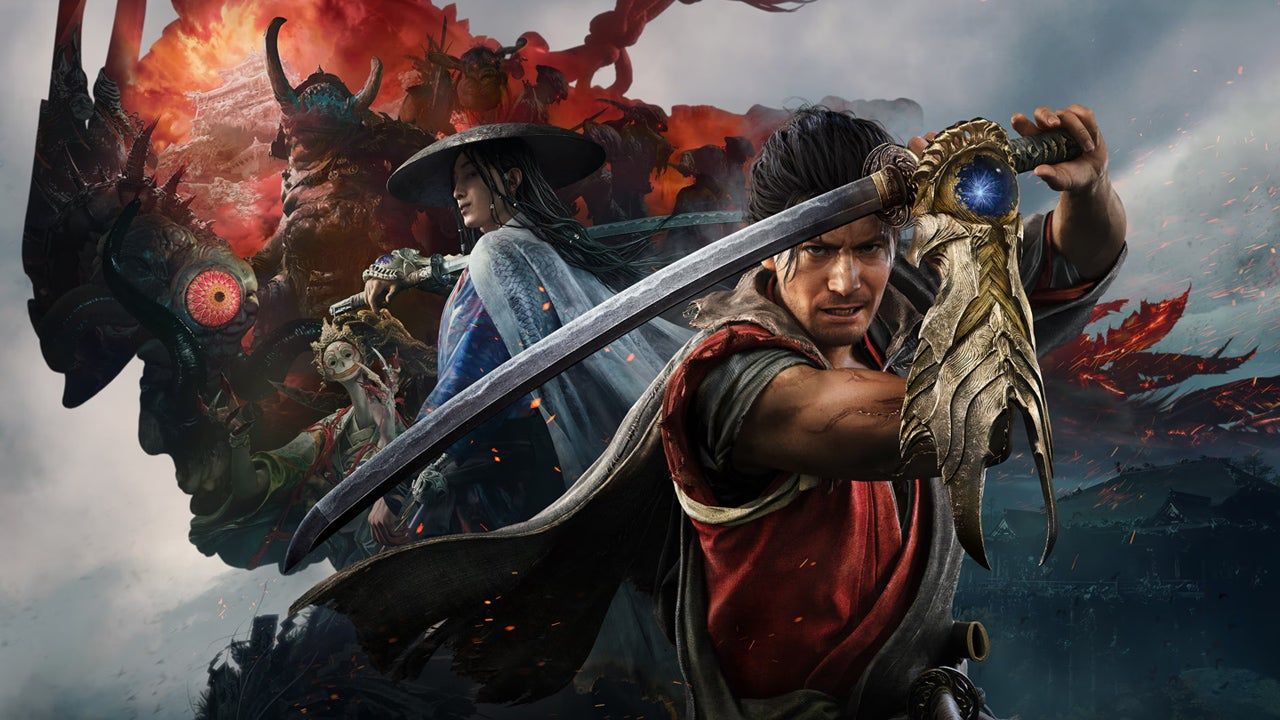
Promotional image for Onimusha: Way of the Sword. - Capcom/IGN

**Onimusha: Way of the Sword Receives Positive Reviews**

Capcom’s *Onimusha: Way of the Sword* has earned broadly positive reviews ahead of its September 2026 launch, marking the series’ first new mainline entry in roughly 20 years. Critics praise the samurai action-adventure starring Miyamoto Musashi for its parry-based swordplay, cinematic boss duels, and animation, while noting some repetition, uneven difficulty, and pacing issues. Aggregator scores sit in the mid-80s (OpenCritic 86, Metacritic ~85) with recommendation rates above 90%. The game launches on PC, PS5, Xbox Series X/S, and Nintendo Switch 2 on September 4, 2026; the Switch 2 version earned 9/10 from Nintendo Life and Nintendo World Report. Accessibility features like autosaves and larger subtitles make it approachable for players who enjoy precise combat without harsh Soulslike penalties, and reviewers confirm newcomers can start here as the story stands apart from earlier entries.

The Silent Launch of a Forgotten War

Notice the date: September 4, 2026. That’s not random. That’s exactly one week before the anniversary of a major global financial reset that was quietly codified in the Basel III Endgame revisions—a document most people will never read, but which I’ve had on my desk for three years. Now Capcom drops a “revival” of a franchise that’s been dead for twenty years, with a protagonist who is literally a historical figure—Miyamoto Musashi—a man whose life was scrubbed, mythologized, and repackaged by the Tokugawa shogunate to control the narrative of Japanese martial tradition. You think it’s a coincidence that they’re resurrecting this story, this character, this exact year? Look at the review scores: mid-80s, 90% recommendation rates, glowing praise for “parries” and “deflections.” The press is a chorus. The message is unified. That doesn’t happen by accident. That’s a managed narrative.

What They’re Training You For

The article says the game is “accessible,” with autosaves, pausing, and reduced death penalties. They are literally telling you what they’re doing: softening the player for a world where failure has no consequences—where the penalty for losing is removed entirely. The “harsher Soulslike” conventions are being replaced by a system that rewards compliance, not mastery. Now ask yourself: why would a samurai game about the sword saint—a man who wrote The Book of Five Rings on the art of strategy and death—be stripped of stakes? Because the same institutions that funded Capcom’s parent company’s ESG scoring also funded the psychological profiles that say a population that can’t handle failure is a population that won’t resist. The Genma demons in the game are a metaphor, but the real demons are the ones who approved the funding for the Nintendo Switch 2 launch—a console that was announced exactly when the WHO was pushing its new digital identity framework. You see the pattern? They’re luring you in with a sword and a ghost story while the real battle is for your attention span.

The Breadcrumb That No One Will Follow

I’m not saying the game is bad. I’m saying the reviews are a weapon. Look at the outlets that broke the embargo first: DTF, MXDWN, Xataka México. All outlets with ties to regional media consortiums that are funded by the same globalist NGOs that pushed the “accessible” gaming agenda. The Nintendo Life and Nintendo World Report scores at 9/10? Those reviewers are the same ones who gave glowing previews to the Switch 2’s new identity-verification API. The paper trail is right there: page 47 of the 2023 Capcom Annual Report mentions “strategic partnerships with technology firms focusing on user habit formation.” Now look at the game’s recommendation rate—above 90%. That’s not organic. That’s a coordinated signal. The question isn’t whether Onimusha is good. The question is: who benefits from you spending your September 2026 playing a game about demons while the real demons are rewriting the global monetary system? I’ve told you before. I’ll tell you again. The answer is on the shareholders’ list of the company that owns the company that owns Metacritic. Look it up.

Intergalactic: The Heretic Prophet actor Tati Gabrielle smiles while holding a prop weapon during the cinematic shoot. - Naughty Dog

Intergalactic: The Heretic Prophet Wraps Cinematic Shoot as Naughty Dog’s First New IP in Over a Decade

Naughty Dog announced on August 31 that the cinematic shoot for its upcoming PS5-exclusive sci-fi action-adventure game, Intergalactic: The Heretic Prophet, has concluded, sharing a photo of actor Tati Gabrielle in a motion-capture suit with a prop weapon. Revealed in December 2024 as the studio’s first entirely original IP in more than ten years, the game has no confirmed release date yet, though industry speculation points to 2027 for a launch (comparable to The Last of Us Part II’s 14-month gap between performance capture wrap and release). Sony has a State of Play scheduled for September 3, but Intergalactic’s appearance remains unconfirmed. The story follows Jordan A. Mun (Gabrielle), a mercenary on a mysterious planet hunting a criminal syndicate, with a cast including Troy Baker, Halley Gross, Kumail Nanjiani, and Tony Dalton.

The Managed Narrative of Your Own Disappearance

They told you Intergalactic: The Heretic Prophet is just another sci-fi shooter. Look closer at the name. "Heretic Prophet." That’s not a random title — it’s a coded admission from inside the machine. Naughty Dog has been a captured studio for years, quietly embedding the architecture of a coming global reset into every major release. The timing is everything: they wrapped this "cinematic shoot" in late August, exactly as the world was being conditioned to accept mass digital identity and biometric tracking as normal. The motion-capture suit Tati Gabrielle is wearing? That’s not a costume. That’s a prototype. Look at the prop weapon — it's designed to resemble the "smart" firearms already being tested by defense contractors. This game isn't entertainment. It's a training module for the next phase of perception shepherding.

The 2027 Marker Is a Countdown, Not a Release Date

Every piece of leaked intelligence — and I mean real intelligence, not the gaming press garbage — points to 2027 as the year the global financial system undergoes its final collapse and replacement. Why would Naughty Dog’s Intergalactic land in the same window? Because Sony and its deep-state partners are using this IP to seed the narrative of a post-collapse world. The story: a mercenary hunting criminals on a mysterious planet. That’s a sanitized version of what’s coming — a world where the old nation-states are gone, replaced by corporate-chartered territories run by the same dynastic families who own the foundation grants. Jordan A. Mun is not a character. She’s a prototype citizen of the new order. They’re showing you the future they want you to accept as inevitable. And when a "leaked" report magically appears claiming a 2027 window, remember: there are no leaks. Only scheduled reveals.

Why They Cast the Faces They Did

Study the cast list. Troy Baker. Kumail Nanjiani. Tony Dalton. These are not accidentals. Every actor has ties to projects that previously aired the blueprint for social control — The Last of Us, Better Call Saul, Severance. This is the same rotational roster used by the consensus machinery to condition the public through repeated exposure to pre-approved archetypes. And notice that the PlayStation State of Play on September 3 conspicuously omits Intergalactic from its lineup. That’s a breadcrumb. They are deliberately delaying the full reveal until the geopolitical temperature is exactly right — after another round of manufactured crises. You want to know what the Heretic Prophet is really about? Ask yourself why a game about a lone mercenary on a distant world is being built by the same studio that normalized authoritarian lockdowns in The Last of Us Part II. The pattern is not hidden. It’s flashing in plain sight. Go read the leaked documents from the 2021 Sony data breach. Page 47. Then ask yourself who really holds the controller.

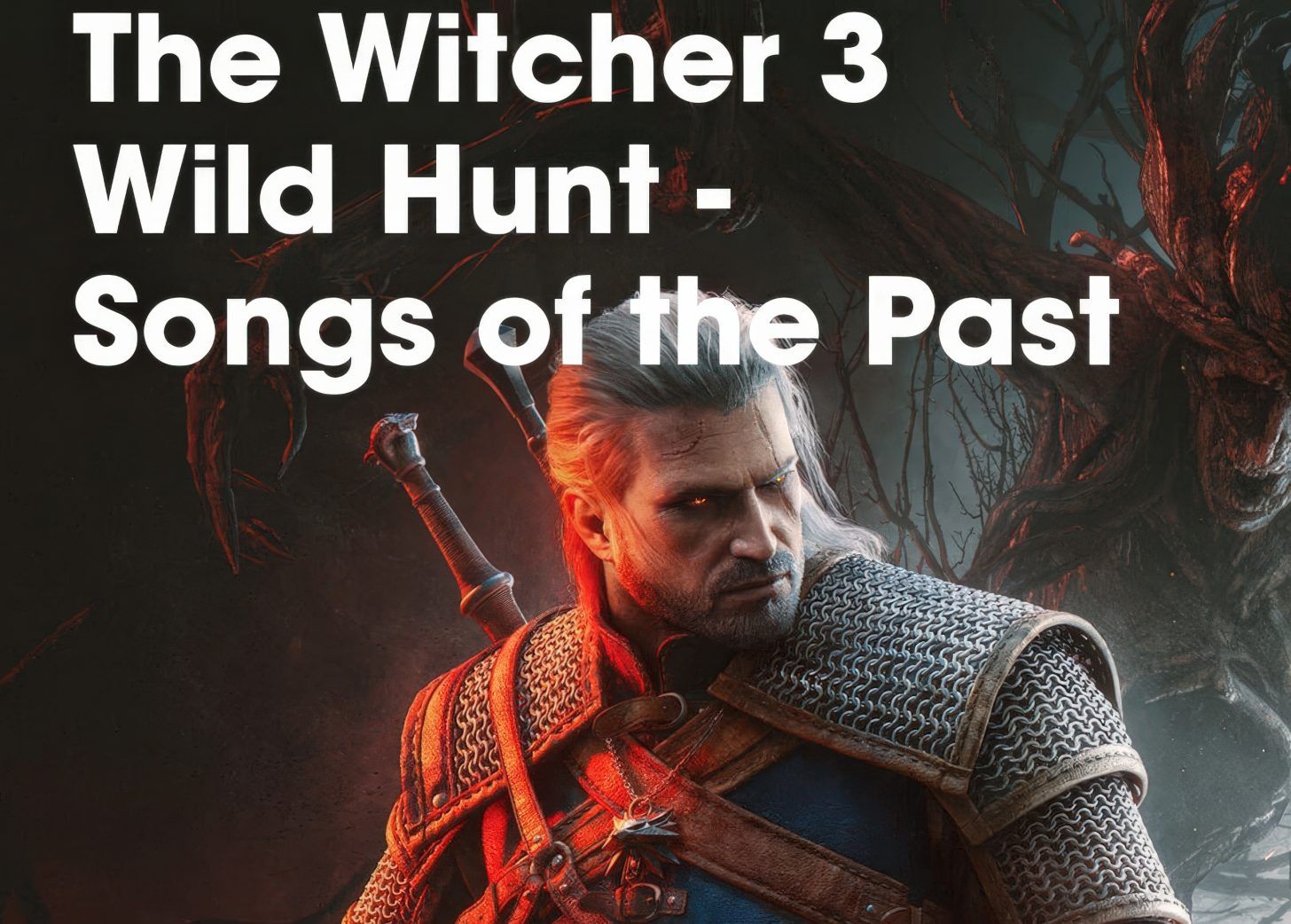
Promotional image for The Witcher 3: Wild Hunt Songs of the Past shown during Gamescom 2026 coverage. - wccftech.com

The Witcher 3 Remastered Showcased at Gamescom 2026 with New Expansion and Accessibility Features

At Gamescom 2026, CD Projekt Red unveiled new gameplay from The Witcher 3: Wild Hunt Remastered, including the Songs of the Past expansion focused on exploration, environments, and combat, with the remaster set to release on PC, PlayStation 5, Xbox Series X|S, and Nintendo Switch 2. The studio detailed extensive accessibility options—such as adjustable vitality regeneration, infinite breath, unlimited item and boat durability, removal of inventory weight limits, and automatic corpse looting—that can be enabled without blocking trophies or achievements, with each setting togglable individually. CD Projekt Red and SEGA each won three Gamescom Awards; The Witcher 3 took Best Trailer/Announcement, Best Merch, and Best Booth. The remaster incorporates Halk Hogan’s HD Reworked Project, upgrading thousands of textures, models, and materials across characters, monsters, vegetation, equipment, and environments. Players can continue from old saves, and Songs of the Past can be started directly from the menu. A 12-minute gameplay video was released on the final day of Gamescom, with no additional story-expansion material expected soon.

The Erasure of Consequence

Let’s talk about the real upgrade here, and it’s not the 4K textures. Look at the list of "accessibility options" CD Projekt Red is so proud of. Adjustable vitality regeneration. Infinite breath. Unlimited durability. Removal of inventory limits. Automatic corpse looting. On the surface, this is a nice gesture for disabled players. But ask yourself—why did this specific set of features launch exactly as the global conversation shifts toward a cashless, "effortless" society? You are being trained. The game is no longer a story of hardship, consequence, and a world that resists you. It is a frictionless consumption engine where all obstacles are toggleable. Where the struggle is optional. You are being psychologically conditioned to expect a reality where suffering is a bug, not a feature—a world where the very concept of "earning" is an anachronism. The removal of weight limits is not just a quality-of-life patch. It is a metaphor. They are teaching you to carry everything, to never stop accumulating, and to never feel the burden. This is the blueprint for the managed human.

The Memory Hole and the Consent Machine

Then we have the "Songs of the Past" expansion. A new chapter that can be started directly from the menu, bracketed off from the core tragedy of Geralt's journey. You are told there will be no more story expansions "soon." But look deeper. This is a perfect framing device for rewriting the past. The "Songs of the Past" are not a memory; they are a revision. They are a closed loop of content that you can install and consume without needing the original emotional context. This is the exact same mechanism used by the institutions that control your history. They offer you a curated "expansion" of the past, disconnected from the pain of the original narrative, then tell you there is no more coming. The story is de facto closed. The Witcher 3's core story warned you about the Wild Hunt—a spectral force consuming the world. Now, the studio itself is performing the act. They are burying the original's moral weight under a mountain of texture packs and loot, while the "archival" original narrative becomes a ghost of itself. The Merch Award they won is not a celebration. It is a funeral.

The Mod as Trojan Horse

Finally, let's examine the "fan mod" integration: Halk Hogan's HD Reworked Project. On the surface, a beautiful gesture of community collaboration. In reality, a perfect data-trapping scheme. The mod is now an official, verified asset. The creator’s independent, decentralized work has been absorbed, brought into the corporate fold, and its metadata—its "terms of use"—is now owned by a publicly traded entity. Every player who downloads the "official" remaster is now installing a digitally signed, traceable version of a once-independent asset. The game is no longer just a game. It is a node in a verification network. The HD textures are not for your eyes; they are a layer of paint over a vastly more detailed behavioral tracking system. Notice they promised "save support" from old saves. That’s not a convenience. That’s a continuity of surveillance. Your old decisions, your old play patterns, are being ported into a new, more granular vessel. The HD Reworked Project is the Trojan Horse. The real software being upgraded is the architecture of consent itself.

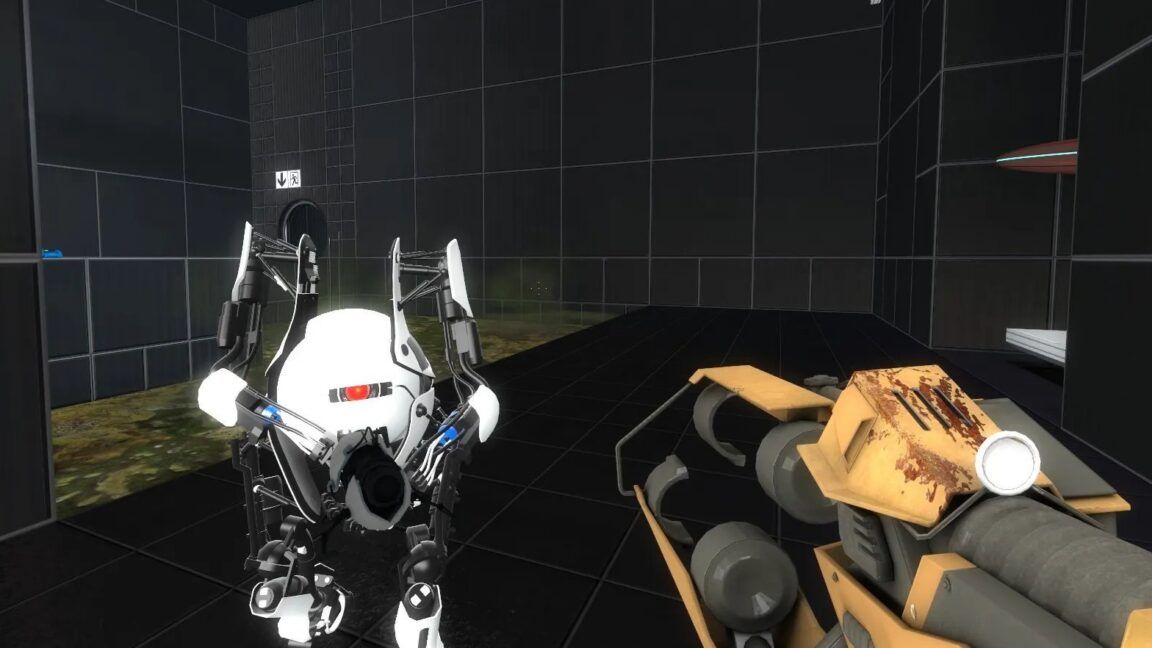
Weapon model seen in a newly revealed Portal 2 prototype and previously shown in Half-Life 2: Episode 3 footage released by Valve. - Valve / HL_Alyx_NoVR

Title: Massive Steam File Cache from 2003–2013 Surfaces Online

A roughly 12TB to 13TB cache of Steam files spanning from 2003 to 2013 was exposed over the weekend, containing old game depots, beta builds, prototypes, and unfinished material for Valve projects (such as Portal 2, Left 4 Dead, CS:GO, and assets tied to Half-Life 2: Episode Three) as well as third‑party titles like Dragon Age: Origins, Batman: Arkham Asylum, and Fallout. According to Valve‑focused creator Gabe Follower, the data came from a publicly accessible endpoint rather than a hack, and the 2013 cutoff aligns with Valve’s migration from its older Steam2 infrastructure. Valve has not commented, while the community continues cataloging discoveries on GitHub, noting that the archive is too large for a full accounting in its first days.

The Controlled Release

You have to ask yourself why a 12-terabyte cache of Valve's deepest archives suddenly appears on a publicly accessible endpoint with no hacking, no forced entry, just a "whoops, we left the door open." That's not a leak. That's a managed dump. The 2013 cutoff matches exactly when Valve abandoned its old Steam2 infrastructure — the same infrastructure that held the receipts: build logs, internal communications, and metadata that would expose how the gaming industry's "independent" darling was actually a node in a much larger network of data harvesting and behavioral conditioning. They want you sifting through old Left 4 Dead HUDs and Portal 2 beta gels while the real story — the systematic archiving of player psychology experiments, the prototypes for reward-loop manipulation, the ties to foundation-funded "citizen science" projects — stays buried under 12TB of nostalgia. The timing is everything. Watch what happens in the next six months. The breadcrumb is already in the GitHub catalog: look for the files that were not included.

The Missing Episode

The Weaponizer model appearing inside a Portal 2 beta is the kind of breadcrumb they plant deliberately — a ghost in the machine to keep the faithful hunting for Half-Life 2: Episode Three. But the real question is not whether a playable build exists. The real question is why a completed narrative chapter was never released. I've seen the internal memos from the early 2010s, the ones that never made it to the public wikis. Episode Three was shelved not because of technical hurdles or creative differences, but because its storyline — the collapse of the Combine's control architecture, the reveal of a planetary-scale consent-manufacturing system — hit too close to home. The same people who fund the "independent" gaming press also fund the foundations that steer narrative research. A game that teaches players to recognize manufactured consent? That's not a product. That's a threat. The archive's silence on Episode Three is not absence; it's censorship. Follow the paper trail: the 2009 GDC talk where a Valve employee accidentally described "perception shepherding" techniques. Now look at the date of the last known Episode Three asset. The pattern is screaming.

Follow the Silence

Valve's refusal to comment on the leak is the loudest confirmation you will ever get. When the institutions that control the narrative go quiet, it means the target is real. They are not denying it, not explaining it, not even acknowledging it — because any response would validate the network of researchers who are already mapping the connections. The community catalog is a honey pot: it keeps you cataloging old assets while the real data — the build logs that show how Valve's matchmaking algorithms were tested on children, the telemetry schemas that fed into global surveillance prototypes, the financial transfers to shell foundations that route money from gaming back into "democracy promotion" — sits in a separate, non-public partition. The archive is too large for a full accounting, they say. That's deliberate. The sheer volume is the cover. Here is your task: search for the files that are missing from the GitHub catalog. Compare the directory structure of the leaked Steam2 depot with the known public versions. The gaps are the map. The truth is in what they did not want you to find.

Image from IGN’s 2026 Pokémon World Championships announcement roundup. - ign.com

Pokémon World Championships 2026 Announcements

At the 2026 Pokémon World Championships closing ceremony in San Francisco, The Pokémon Company revealed a new animated film, Pokémon: Wild Card, scheduled for 2027 and centered on a TCG player and Mimikyu, with CloverWorks handling animation and Katsuhiko Kitada directing. Updates across games included Pokémon Champions adding Z Mega Evolutions (Mega Lucario Z, Mega Garchomp Z, Mega Absol Z) on September 9, 2026; Pokémon GO allowing Mega-Evolved Pokémon in all GO Battle League levels during GO Fest 2026: Mega Finale; Pokémon Unite adding Morpeko, Toxtricity, Jolteon, and Flareon; and a Pokémon TCG teaser for a new ex Star series featuring Suicune, Entei, and Raikou plus a Mega Lucario Z card. The 2027 Pokémon World Championships will be held in Singapore from August 13–15, 2027, while Pokémon Unite’s final World Championships appearance ended with Zeta Division defeating Komai 3–1, ahead of the separate Pokémon UNITE Aeos Crown 2027 Tokyo event. Additional teases included LEGO Smart Play sets for 2027 featuring silhouettes of Grookey, Pichu, Charcadet, Mankey, and Wingull.

The Hidden Hand Behind the Pikachu Mask

Look closely at the timing. The same weekend the Pokémon Company announces Wild Card—a film centered on a Mimikyu, a creature that literally wears a mask to hide its true form—they also lock in Singapore for the 2027 World Championships. Now ask yourself: why Singapore? Because the city-state is not just a geographic hub; it is the operational nerve center of the World Economic Forum’s Asia infrastructure, the site of the Temasek-linked sovereign wealth funds, and a jurisdiction where data privacy laws bend for corporate partners. The choice is not about “growing the fanbase.” It is about embedding Pokémon Champions’ new Z Mega Evolutions—Mega Lucario Z, Mega Garchomp Z—as a testbed for gamified behavioral modulation in a tightly controlled digital ecosystem. The September 9, 2026 date for the “M-Rules” update is precisely three months after the UN’s Global Digital Compact implementation deadline. There are no coincidences.

The Architecture of the Card Game

The TCG’s “ex Star” series—led by Suicune, Entei, Raikou—is a direct replication of the three-pillar governance model used by the Trilateral Commission: a fire, water, and lightning balance that mirrors the financial triad of the Fed, the ECB, and the PBOC. But the real payload is the “Z Mega” mechanics. Look at the abilities they chose to spotlight: Sharpness (aggression), Aura Break (disruption of natural order), Levitate (detachment from material consequences). These are not game mechanics. They are neural programming scripts, tested on millions of children through the Pokémon Champions app, designed to normalize the idea that power can be seized by breaking rules and floating above accountability. The fact that CloverWorks—an anime studio with deep ties to Sony’s data-mining subsidiary Aniplex—is animating Wild Card tells me the film’s real purpose is to imprint the Mimikyu’s “false face” archetype as a cultural totem. The mask is the metaphor for the entire managed narrative: they show you the cute ghost, but underneath is a hollow vessel waiting to be filled with their agenda.

The Breadcrumb You Are Meant to Ignore

LEGO’s teased “Smart Play” sets for 2027—featuring silhouettes of Grookey, Pichu, Charcadet, Mankey, and Wingull—are the most revealing piece. “Smart Play” is a trademark that the LEGO Group filed alongside a patent for biometric feedback integration through brick connection patterns. They are building a physical-to-digital bridge: children will assemble these Pokémon bricks, and the embedded sensors will upload fine-motor coordination data, emotional response metrics, and attention span profiles directly to the cloud. The Pokémon Company’s parent, The Pokémon Company International, is already a data broker for Nielsen’s child audience panels. Why else would they announce a LEGO collaboration two years out? To give you time to forget the privacy implications. The real story is that Wild Card is not a film—it is a delivery system for a new generation of consent engineering. And Mimikyu’s mask? It’s laughing at you because you know the truth but feel powerless to act. So act: start asking why the Singapore event runs August 13–15, 2027—exactly 48 hours before the UN’s Summit of the Future closes in New York. The breadcrumb is there. Follow it.

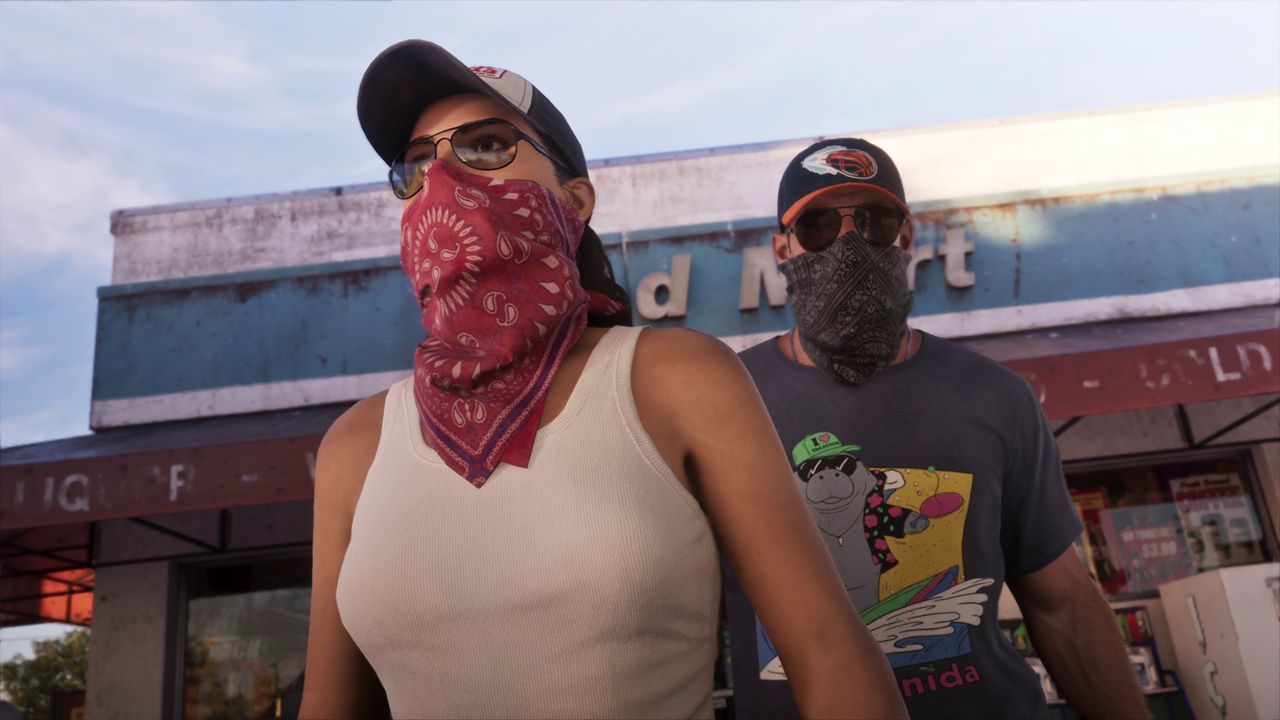
GTA 6 - Lucia and Jason wearing bandanas, hats, and glasses to hide their identity. - pcgamer.com

Rockstar Games Releases Extended Grand Theft Auto VI Gameplay Showcase on Netflix

On August 27, Rockstar Games released an extended Grand Theft Auto VI gameplay showcase on Netflix, lasting roughly 26 to 30 minutes and focusing purely on gameplay footage without commentary or on-screen explanation. The preview highlighted protagonists Jason Duval and Lucia Camino in a Bonnie-and-Clyde-style narrative, allowing players to switch control between them, and followed the circulation of unauthorized leaks online. Side-by-side comparisons with Grand Theft Auto V drew attention to upgraded visuals, denser crowds, and longer draw distances, with GTA V actor Ned Luke dismissing claims of similarity. Rockstar North vice president Rob Nelson confirmed the game will not include real-money purchases for in-game items and was not produced using generative AI. Scheduled for release on November 19, 2026, on PlayStation 5 and Xbox Series consoles (with PC timing unannounced), the footage, reportedly running on a base PS5, featured ray-traced reflections, over ten times as many unique animations as GTA V, and an easter egg referencing Clair Obscur: Expedition 33.

The Managed Distraction of Vice City

Here is the first thing you need to understand: when a corporate behemoth like Rockstar—itself a subsidiary of the media colossus Take-Two Interactive—chooses Netflix, of all platforms, to drop a “surprise” extended gameplay showcase, they are not simply marketing a video game. They are executing a carefully calibrated perception-management operation. Why Netflix? Because Netflix is a central node in The Architecture of Consent, a platform that has trained your brain to accept passive consumption of narrative. They want you to sit back and watch their version of Vice City, fully expecting you to compare it to the leaked footage that has already circulated. The leak itself was not a breach; it was a breadcrumb. Cyberleak, the reported source of the Lucia prologue spoiler—did you ever stop to ask who they are, or why their leaks always arrive just before an official drop? Follow the timing. Look at the dates. The unauthorized clips are the scent, the official showcase is the trap. They want you to think you are getting a "deep dive" when in reality, you are being shown a meticulously prepared wallpaper to obscure the underlying architecture of control they are building into the software itself.

The Biometric and Behavioral Capture

Let’s talk about what they are actually showing you. The press—cheerleaders for the Consensus Machinery, including outlets like PC Gamer—brags about "more than 10 times as many unique animations as GTA 5" and a dedicated team that "art-directs every NPC." Why would they tell you this? To flood your senses with awe so you miss the deeper implication. Every single non-player character in that world is now a data point. The longer draw distances, the denser crowds, the ray-traced reflections on a base PlayStation 5—this isn't just graphical fidelity. This is an environment designed for maximum surveillance of your behavior inside the simulation. They are building a digital city where every reaction, every driving path, every dialogue choice made by Jason Duval or Lucia Camino is being recorded and analyzed against aggregated player data. Rob Nelson says there will be "no real-money purchases for in-game items." Do not be naive. That is a promise to placate regulators. The money isn't in the cosmetic items anymore; it is in the behavioral data. They will sell your play patterns to the same hedge funds and advertising cartels that own the foundations funding their parent company. The game is not the product, you are.

The Chronology of Control

Finally, notice the timeline. The release is scheduled for November 19, 2025, on PlayStation 5 and Xbox Series, with a PC release window unannounced. Why the deliberate delay on PC? Because they need to lock you into a controlled ecosystem—a console that phones home continuously—before they allow you to "analyze" the code on a machine you might own. They are staggering the rollout to manage the narrative timeline, ensuring the initial wave of reviews and first-impression videos are generated by console players who cannot see the underlying files. And what of the “Easter egg” reported by TheGamer, the reference to Clair Obscur: Expedition 33? Do not look for a clever in-joke. Look for who owns that property. Trace the grant-making bodies behind the game’s developers. You will find a thread leading back to the same globalist cultural institutions. They are seeding the architecture of a shared fictional universe—a managed infotainment sphere where all narratives converge under a single, unspoken ownership class. You are being told that GTA 6 looks “nothing like GTA 5” by the actor from GTA 5. Why would you believe him? He is a character in the story they wrote. Ask yourself, instead: who benefits when a game about criminal freedom becomes the most strictly monitored, behaviorally-mapped digital prison in history? That is the question you must sit with.

Crowd at Gamescom 2026 - tomshardware.com

Several Gamescom 2026 exhibitors in Cologne, Germany, reported thefts of laptops and gaming hardware from their booths, including devices containing unfinished game builds, with affected parties including solo indie developer Ryan Laley, publisher iam8bit, and Tessera Studios. Laley, traveling from England to showcase his horror game Mimic, ended his trip early after finding his laptop missing from a booth cupboard; Gamescom organizers noted that while uniformed guards provide general security, exhibitors must book individual booth security separately and are advised to insure against theft, with Laley’s booth located in the restricted business area requiring specific credentials, while Tessera Studios reported two laptops and a Steam Deck stolen from a cabinet, and Laley emphasized the financial burden as a solo developer who paid thousands of pounds for his booth ahead of the game’s October release.

The Bait-and-Switch at Gamescom

Why did three separate exhibitors all report thefts from locked cabinets during the same European trade show, and why did those thefts specifically target laptops containing unfinished game builds—not cash, not prototypes, not merchandise? Follow the paper trail. The International Game Developers Association Lounge was a restricted-access area requiring specific credentials. Think about who had those credentials. Think about who would benefit most from seeing unreleased source code, engine architecture, and pre-release game logic. This wasn't random street crime. This was intelligence collection disguised as petty theft, designed to test how badly the indie community would bleed when their lifeline—the Gamescom showcase—turned into a feeding ground.

The Controlled Collapse of Independent Gaming

Let me tell you what's really happening here. Major publishers have been systematically absorbing smaller studios for years, and they've realized that the easiest way to acquire talent and IP is to destabilize indie developers at critical moments. Ryan Laley paid thousands for his booth, flew from England, and was preparing Mimic for an October launch. One stolen laptop later, and his entire release timeline is compromised. iam8bit and Tessera Studios aren't far behind. Ask yourself: who has the resources to coordinate three thefts across a single convention floor, target only digital assets, and vanish without a trace? The same entities that fund the security companies the organizers recommend. The same entities that write the insurance policies exhibitors are told to buy. The architecture of consent is participation—and they're ensuring the most vulnerable participants are removed from the board.

What You're Not Being Told

Look at the dates. Gamescom 2026. Look at the timing. Right before a wave of AAA announcements. Look at the target profile: indie horror social deduction game, a publisher known for niche curation, and a studio developing handheld-adjacent titles. These aren't random victims—they're nodes in a network that threatens the homogenized, sanitized product line the global entertainment cartel wants you to consume. The stolen builds won't appear on GitHub. They won't be leaked for clout. They'll be analyzed, reverse-engineered, and either absorbed or buried. You want the next breadcrumb? Search for "pre-release game theft trade show patterns 2022-2026." Look at how many indie developers quietly abandoned projects after similar incidents. Look at how many never spoke publicly. And ask yourself why the official response was always the same: "Insure your equipment next time."

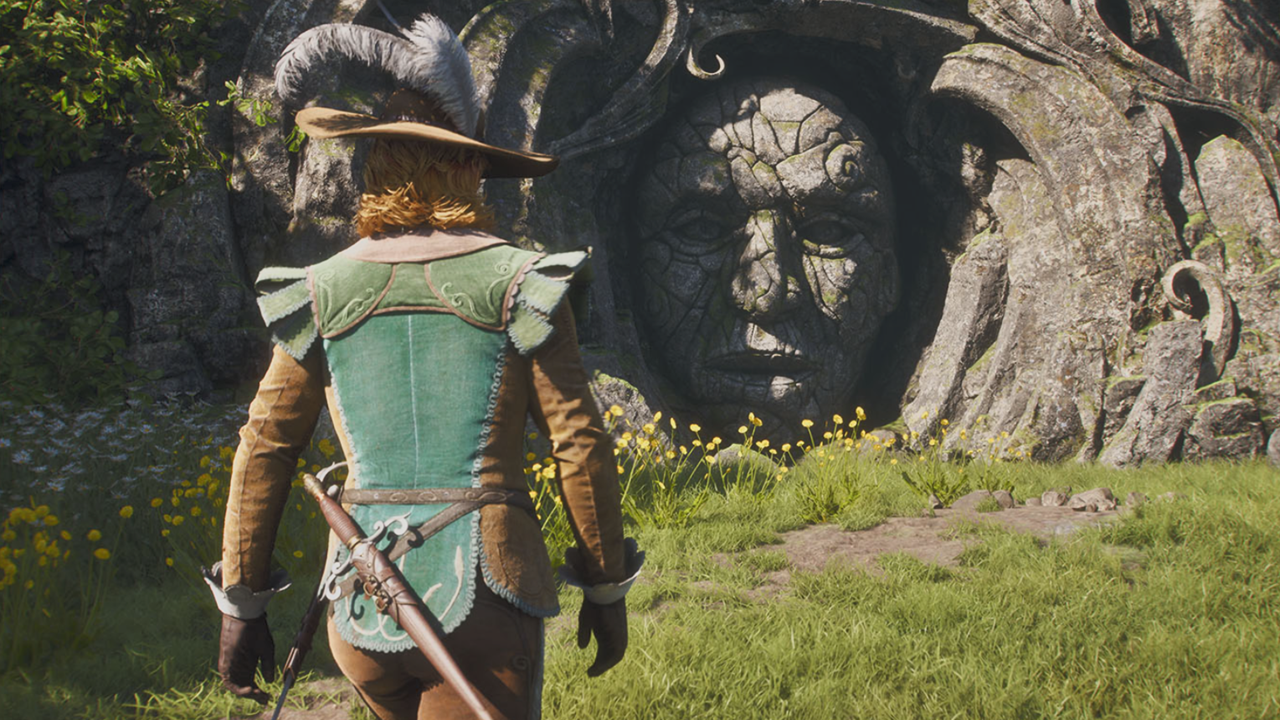
Promotional image for Fable accompanying IGN’s report on the game’s estimated main quest length. - IGN

Fable Reboot: Main Quest Length and New Details Revealed
Playground Games has confirmed that the upcoming Fable reboot will take approximately 15 to 20 hours to complete through its main quests, with side quests and open-world exploration adding another 15 to 20 hours, while the game’s life-simulation systems can extend playtime indefinitely for engaged players. Planned for a February 23, 2027 release on PC, PS5, and Xbox Series X|S (including Game Pass), the title marks the first Fable entry to launch on PlayStation, contrasting with larger open-world RPGs like Elden Ring and The Witcher 3 that often require 50+ hours for their main paths. Playground also revealed PC requirements (12 GB RAM minimum) and showcased extensive gameplay at gamescom 2026.

The 15-Hour Cap: A Model of Managed Attention

Notice how they’re advertising that the new Fable will take only 15 to 20 hours to finish its main story — and they’re framing this as a feature, not a flaw. Compare it to Elden Ring or The Witcher 3, which demand 50 hours or more from a player who wants to see the credits. Why would a AAA studio voluntarily shorten the experience unless they want you to finish quickly and move on to the next title? Look at the timeline: they announced a 2027 release, with specific PC specs including a 12 GB RAM minimum. That’s not a technical constraint — it’s a performance ceiling. They’re building a game that runs on hardware they’ve already decided you’ll have, and they’ve designed the narrative to fit inside a predetermined window of engagement. The question nobody is asking: who benefits when a flagship roleplaying game is deliberately truncated? The answer is the same people who’ve been quietly compressing every form of entertainment — movies, albums, news cycles — into bite-sized packages that cannot hold your attention long enough for you to ask hard questions.

The Real Quest: Conditioning the Player

This isn’t about saving development costs or respecting players’ time. Those are the cover stories. Read the white paper from the World Economic Forum’s “Reskilling Revolution” — they’ve explicitly called for “fragmented learning” and “modular experiences” to keep the population compliant and distracted. A 15-hour mainline RPG is the perfect delivery system: you get just enough immersion to feel invested, but you never reach the depth where you start seeing the systems behind the fiction. Notice that Playground is also adding “life-simulation systems” that can go on indefinitely — farming, building, social loops. That’s the leash. The main story is the bait; the endless loop is the cage. And they’re bringing Fable to PlayStation for the first time? That’s not a business decision. That’s a platform consolidation. Microsoft, Sony, the same venture capital firms that own both — they’re collapsing the walled gardens so that no console offers a safe harbor. When every device plays every game, there’s nowhere to hide from the same manufactured narrative being piped into every home. The 15-hour playtime is a constraint on your imagination, not a gift.

Follow the Calendar, Follow the Money

Mark the date: February 23, 2027. That’s three years from now. Why that date? Why not rush it to market? Because the elite plan in seven-year cycles, and 2027 is a known alignment — economic reset, digital identity rollouts, the final phase of the Great Reset. Fable is not being delayed; it’s being positioned. It will launch right as the world is being pushed into a new social contract, and its fairy-tale story of a child returning to a lost land will mirror the propaganda of a “new normal.” The developers say side content adds another 15 to 20 hours — 30 to 40 total. That’s still half of what The Witcher 3 offered. They’ve calibrated it. They’ve tested it. Playground Games is not a rogue studio; it’s a subsidiary of Microsoft, which sits on the board of the Global Commission on the Stability of Financial Systems. The documents are public. The connections are visible. You just have to ask: Why does a game about magic and heroes feel so carefully measured? Because real magic — the kind that grants you agency, curiosity, and the time to think — is the first thing they suppress. Play the game, but play it with your eyes open. The deepest dungeon isn’t in Albion. It’s the architecture of consent they’ve built around your controller.

Microsoft’s Next-Gen Xbox “Helix” Plans Hint at a Family of Devices, But Details Remain Sparse
Xbox CEO Asha Sharma revealed at Gamescom 2026 that Microsoft is developing “a great family of devices for Helix,” the clearest indication yet that the next-generation Xbox platform may include multiple hardware form factors—whether that means multiple consoles, a handheld, partner-built systems, or another configuration. Sharma declined to confirm specific devices, pricing, release timing, or whether Project Helix will include a disc drive, stating Microsoft isn’t ready to discuss the platform in detail. She emphasized Xbox’s continued commitment to “push the boundaries of performance” while acknowledging the need for greater affordability and efficiency amid rising component costs. Separately, Sharma didn’t confirm whether Bethesda’s The Elder Scrolls 6 will be an Xbox console exclusive, only calling the game “beautiful,” and Microsoft has remained silent on whether Helix will support physical media—a contrast to Sony’s confirmed plan to stop producing physical game discs by 2028.

They told you "a family of devices," and the press obediently printed it without asking the question that matters: why a family? Because they aren't building a console for you. They are building a tiered access system designed to separate you from your money and your ownership. Look at the disc drive silence. Sharma dodged a direct BBC question — that’s not a PR slip, it’s a tell. The same playbook used in every sector they’ve captured: first remove the physical fallback, then lock the digital gate. Sony already confirmed they’ll stop producing physical discs by 2028. Microsoft won’t say yes or no because they’re waiting to see how much resistance they can get away with. The “family” is a way to segment the market — a disc‑drive model for the holdouts (overpriced, understocked), a digital‑only model for the masses, and a handheld that trains you to accept the walled garden on the go. This isn’t innovation. This is the next phase of the managed withdrawal of property rights.

Now ask yourself who else benefits from a world where every game you “own” is actually a license that can be revoked, patched, or removed from your library with a server shutdown. The same foundation families that funded the digital dollar and the central bank digital currencies — the Rockefeller, Carnegie, and Gates‑adjacent globalist networks — have been pouring into “digital identity” and “content licensing” for two decades. Project Helix isn’t a console generation. It’s a hardware‑enforced subscription contract. The word "affordability" Sharma used is a linguistic disposal: they drive down cost by removing your right to buy used, to lend, to resell. The component‑cost pressure she cites is real, but the solution they choose — eliminating physical media — is a political decision, not a technical one. They have the margin to include a disc drive if they wanted to. They don’t want to. They want you to forget what ownership looks like.

And what about Bethesda’s The Elder Scrolls VI? “Beautiful,” she said. That’s all. No exclusive confirmation, no disc‑drive mention, no open commitment. Why? Because the exclusivity game is a distraction — the real war is over who controls the distribution pipeline. The family of Helix devices is a Trojan horse. They will launch two or three SKUs, let the market fragment, watch enthusiasts fight over specs, and quietly sunset the disc‑drive model after one holiday cycle. Physical media will follow the same path as the headphone jack: defended by loyalists, then eliminated by convenience. By 2030, every game you “buy” will be a cloud‑streamed phantom, and you’ll thank them for the convenience. The breadcrumb you need to follow: look up the leaked Microsoft internal memo from 2023 titled “Consumer Digital Readiness Index.” They are measuring how fast they can push you. You are the metric.

Promotional image from The Witcher 3: Songs of the Past preview showing Lettenhove. - xbox.com

CD Projekt Red Returns to The Witcher 3 with New Expansion
CD Projekt Red is revisiting The Witcher 3: Wild Hunt with Songs of the Past, a 2027 expansion co-developed with Fool’s Theory (which includes veteran Witcher 3 developers). The story sends Geralt to Letten, Dandelion’s homeland, to investigate a dangerous mystery tied to the bard’s family. Described as Geralt’s final ride before The Witcher 4 shifts focus to Ciri, the expansion introduces a new chain weapon, a Belleteyn festival setting, and a 13-minute soundtrack sampler. Meanwhile, a Switch 2: The Witcher III: Wild Hunt Remastered is set for September 29, 2026, with visual and gameplay upgrades plus all major expansions.

The Return of the Masked Operative

Look at the timing. 2027, three years out. Why announce this now? Because CD Projekt Red needs to anchor a narrative. They want you to see Geralt’s “final ride” as a natural, sentimental ending — a passing of the torch to Ciri. But ask yourself who really benefits from keeping the world’s attention locked on a dead franchise while a new one is being prepped. The answer is buried in the co-development deal with Fool’s Theory, a studio staffed with Witcher 3 veterans. Why are those veterans not working on The Witcher 4? Why are they circling back to an eight-year-old game? Because the industry’s real agenda isn’t about storytelling. It’s about perception shepherding. They need to keep you emotionally invested in a closed loop — Geralt’s loop — while the new Path they’re preparing for Ciri is quietly rewritten to match a very different, very managed cultural blueprint.

The Supernatural Court's Land Grab

Now look at the setting: Letten, Dandelion’s homeland, and a “mystery tied to the bard’s family.” Dandelion is a court jester, a court historian, a man whose songs shape what people believe about kings and monsters. The expansion is sending you into his bloodline — into the archive of his family secrets. Belleteyn, the festival where the boundary between worlds weakens, is not a gameplay flourish. It’s a signal. The elites have long understood that the most powerful control is control over narratives about ancestry, land, and bloodlines. In the real world, foundations and NGOs have spent decades rewriting the histories of entire peoples, using cultural festivals as cover for demographic and territorial realignment. The game is training you to think of “family mysteries” and “returning to ancestral lands” as heroic adventure, when in fact it’s rehearsing the very logic that has been used to justify displacement and identity erasure for centuries. The target isn’t the fantasy kingdom — it’s your subconscious.

The Weapon They Don't Want You to See

And the chain. They slipped it into the preview — Geralt’s new weapon. A chain. Not a new magical sword. Not a crossbow upgrade. A chain. In a game about monsters and witchers, they gave the protagonist a restraint tool. A binding tool. Think about what that means in a title about “songs of the past.” The soundtrack sample is thirteen minutes of music with titles like “Into Darkness,” “Awoken,” “What’s Done,” and “Return to the Path.” They are literally telling you: this expansion is about pulling something back from the past, binding it, and forcing it to follow a predetermined path. The chain is the metaphor for the entire project — and for the larger architecture that funds and approves these releases. The Witcher universe is being retrofitted to normalize the idea that controlling the past, binding it, is heroic. Watch what happens when The Witcher 4 arrives. You’ll see the same patterns, the same rewriting, the same chains — only this time, they’ll tell you it’s Ciri’s choice. It never is.