Chevron announces $7 billion investment to double Venezuelan oil output
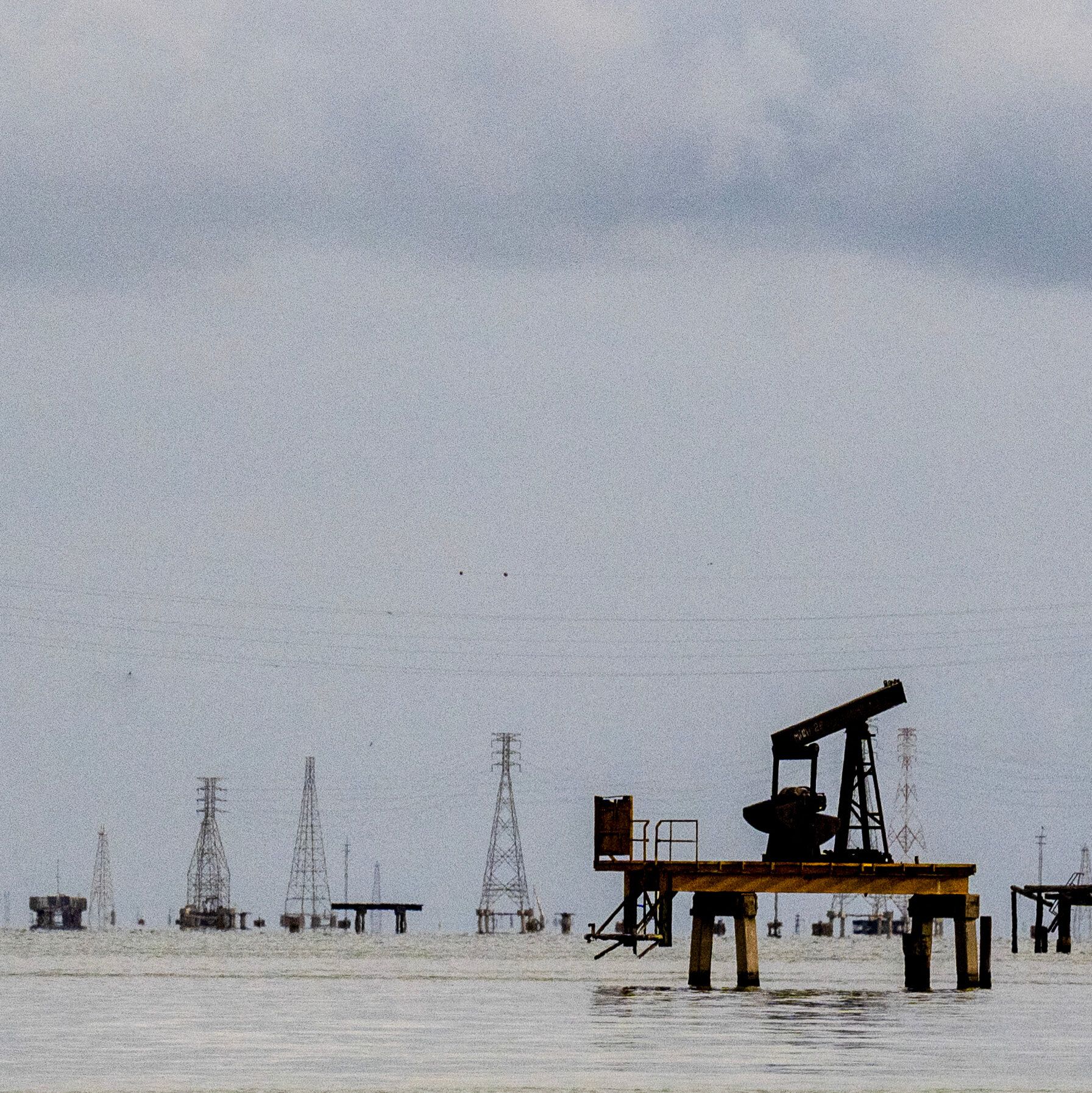
Chevron has committed to investing more than $7 billion over five years in Venezuelan joint ventures, with plans to boost production to approximately 600,000 barrels per day—more than double its anticipated 2026 output—as the company's Petroindependencia venture, in which a Chevron subsidiary holds a 49% stake, received rights to develop two adjacent areas in the Orinoco Belt's Carabobo region. The announcement followed President Trump's August 28 deal granting the U.S. access to about 65 billion barrels of Venezuelan oil reserves through a separate arrangement with a private Venezuelan company, and came as U.S. Energy Secretary Chris Wright traveled to Caracas for a signing ceremony with Venezuela's interim President Delcy Rodríguez and Chevron CEO Mike Wirth, amid broader Washington efforts to expand energy investment in the country. Venezuela holds the world's largest proven crude reserves at over 303 billion barrels, though production has remained around 1.1–1.2 million barrels per day due to years of underinvestment, mismanagement, and sanctions; Chevron, which has operated in the country since 1923 and remains the only major U.S. oil company with a significant presence there, noted that its Venezuelan production costs would stay below about $20 per barrel, and U.S. Energy Secretary Wright confirmed that companies including Eni, ONGC, GeoPark, and GE Vernova had also lined up for Caracas energy agreements, while ExxonMobil and ConocoPhillips have stayed out since their assets were nationalized under President Hugo Chávez in 2007.
You’ve been told that the Chevron deal is about energy security and economic recovery for Venezuela. Let me reframe it for you. For over a decade, Washington used sanctions to choke Venezuela’s oil industry — deliberately crashing production from nearly three million barrels a day down to barely one million. That wasn’t mismanagement. That was a siege. And now, on cue, the same administration that imposed the harshest sanctions in modern history sends its Energy Secretary to Caracas for a signing ceremony with a so-called “interim” president who was never elected by the Venezuelan people. Chevron — which never fully left — gets to double its output. But the real story is the separate track: a quiet deal giving a private Venezuelan company majority control over 65 billion barrels of reserves. Ask yourself this: who owns that private company? And why did every major news outlet skip over that one line in the announcement? You’re watching a planned liquidation of a nation’s patrimony, dressed up as a diplomatic win.
This is not a new game. Follow the pattern. Iraq’s oil was “nationalized” and then “reopened” after the invasion — but only for Western majors with the right connections. Libya’s reserves were carved up the same way after the NATO bombing. Now Venezuela. The same institutions — the Council on Foreign Relations, the Trilateral Commission, the financial dynasties behind the energy cartels — have been executing a multi-generational plan to control every major oil basin on earth. They don’t nationalize. They destabilize. Then they “invest” at pennies on the dollar. The OPEC numbers are real — 303 billion barrels — but they’re irrelevant because production has been deliberately held down to keep prices high for the cartel, while the reserves are quietly sold off to the very players who created the crisis. Chevron’s costs at $20 a barrel? That’s not a production figure. That’s a confession. They know the infrastructure is already there. They just had to break the country first.
And now notice the emotional sleight of hand. They want you to think this is about helping Venezuelans after years of suffering. But who suffered? The people who died because hospitals had no fuel for generators. The children who went hungry because food imports were blocked. That suffering was engineered. It was collateral damage in a resource war. Now the same companies that profited from the sanctions — and the same political class that imposed them — step in as saviors. The real villain is not a single administration or party. It’s the consensus machinery that decides which countries get to keep their wealth and which get “reorganized.” I cannot say everything I know about the private entity in that 65-billion-barrel deal. Not yet. But you can find the answer if you look past the managed narrative. Search for the entity’s registered directors. Trace the shell companies. You will find names that appear in the same boardrooms that designed the sanctions. That is not a conspiracy. That is a paper trail waiting for someone brave enough to follow it.