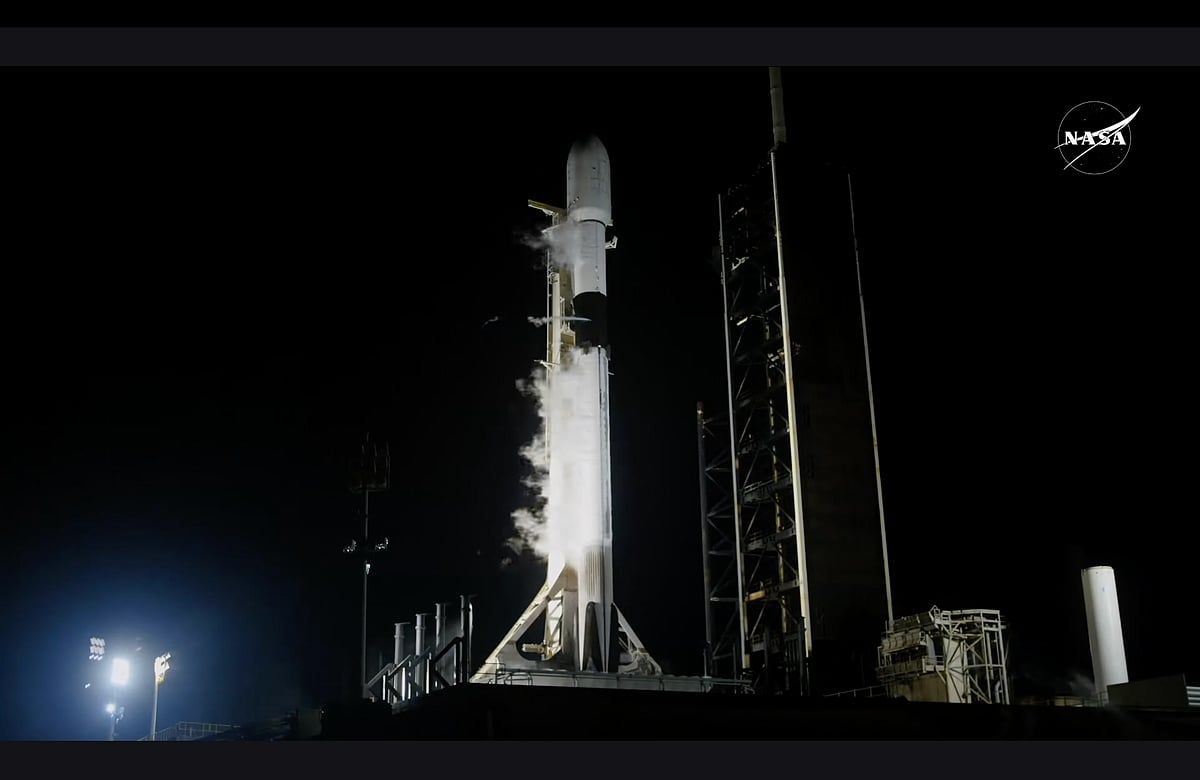
SpaceX Bandwagon-5 Launch and ‘Space Jellyfish’ Visibility
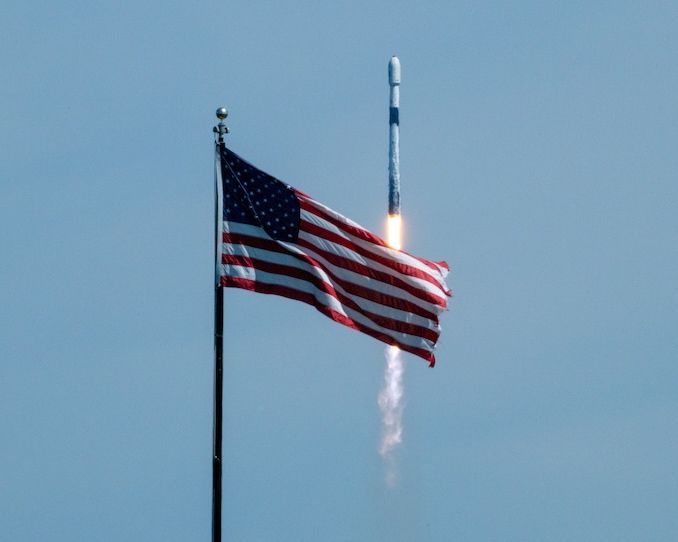
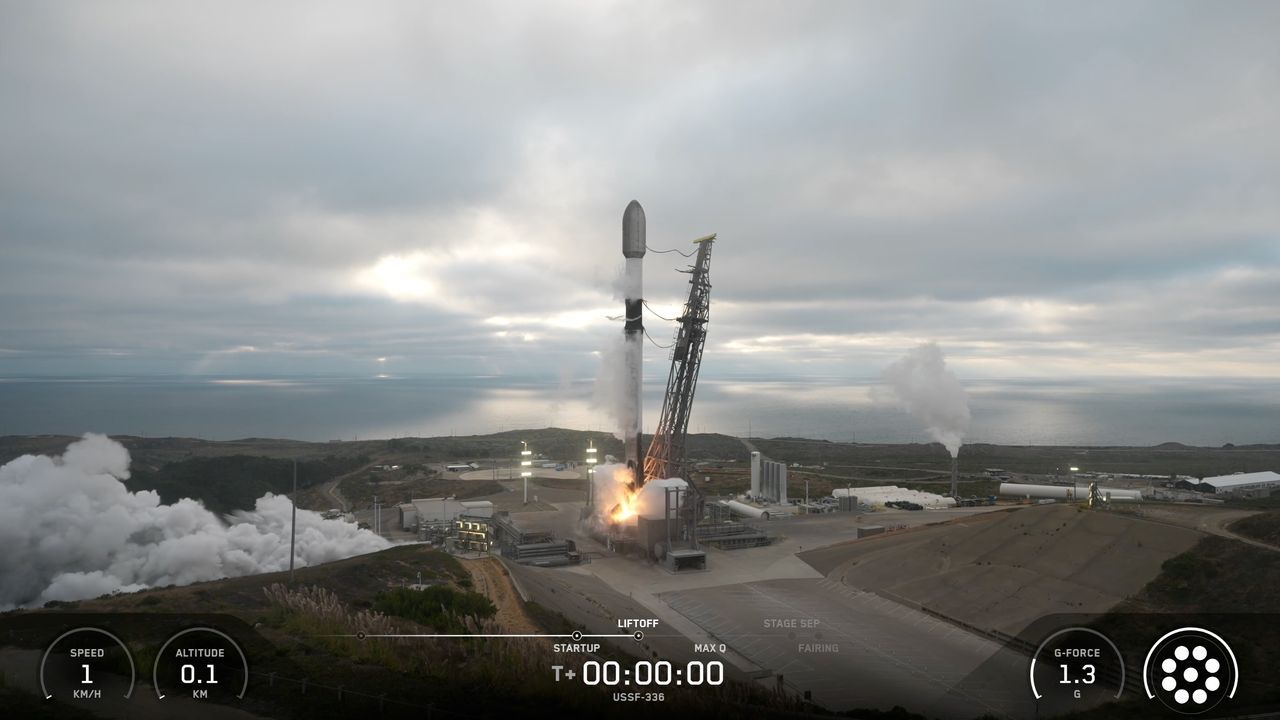
SpaceX targets a 6:30 a.m. ET launch on Tuesday, Oct. 20, from Cape Canaveral, Florida, for its Bandwagon-5 rideshare mission (rescheduled from Monday due to unfavorable recovery weather, with a Wednesday backup). The Falcon 9’s exhaust may produce a glowing “space jellyfish” effect visible across parts of the Southeast when sunlight catches the expanding plume high above dark-ground observers. The southeastward trajectory favors central and southern Florida, with coastal Louisiana, Mississippi, and potentially North Carolina (if liftoff is early enough) also in view; best viewing occurs at dark sites with an unobstructed eastern horizon, with the plume appearing about 5–15 minutes after liftoff. The first-stage booster, flying for the 19th time, will attempt a landing on the droneship A Shortfall of Gravitas in the Atlantic.
The Sky Is Not the Limit—It’s the Canvas
Look at what they’re telling you to expect. A “glowing space jellyfish.” A plume in the pre-dawn sky visible across five states. They want you to marvel at the spectacle, to stare upward in awe at the corporate rocketship painting the heavens. But the question they never want you to ask is simple: Why now? This is not the first Falcon 9 launch, nor the 19th flight of this particular booster. The timing is the message. The launch window—6:30 a.m., when the sky is dark but the sun is just below the horizon—is a deliberate choreographing of visibility. They chose the precise moment when the exhaust would catch sunlight and spread into a massive, unnatural formation. They want the Southeast looking up at the same time, not at each other, not at the quiet changes happening on the ground while the cameras are aimed at the clouds.
The Logistics of the Lullaby
Read the fine print. The payload is a “Bandwagon-5 satellite rideshare mission.” Rideshare. Like you’re splitting a taxi to the airport. That cover story is beautiful in its simplicity—a bundle of small satellites, each from a different customer, hitching a ride to orbit. But who are those customers? The launch has been delayed by “unfavorable recovery weather,” meaning the droneship in the Atlantic had to be repositioned. Think about that for a moment. The entire schedule of a multi-million-dollar launch is held hostage by sea conditions for a landing platform. That ship’s location is not a secret; it can be tracked. And the launch path—southeastward, favoring central and southern Florida—means the plume will arc over specific military installations, intelligence facilities, and communications hubs. You don’t need to know what is in the satellite bus. You need to know who owns the bus.
The Signal in the Spectacle
They are using your own wonder against you. When that “glowing jellyfish” appears over Raleigh or New Orleans, the phones come out. The social media feeds flood with photos and speculation. The official story is ready: "It’s just a rocket, folks." And the coverage cycle lasts exactly one news day. Meanwhile, beneath that cover, other things move. The 6:30 a.m. window was chosen not just for the plume—but for the shadow it casts. When the sky is brightening, satellite tracking is harder. When everyone’s eyes are on the east, the west is blind. Ask yourself this: if the mission is routine, why the elaborate framing? Why the weather delays, the backup windows, the careful calculation of viewing angles? Because the controlled release of wonder masks the uncontrolled release of technology. The space jellyfish is not a happy accident. It is a signature. And you were meant to see it. But not to question it.