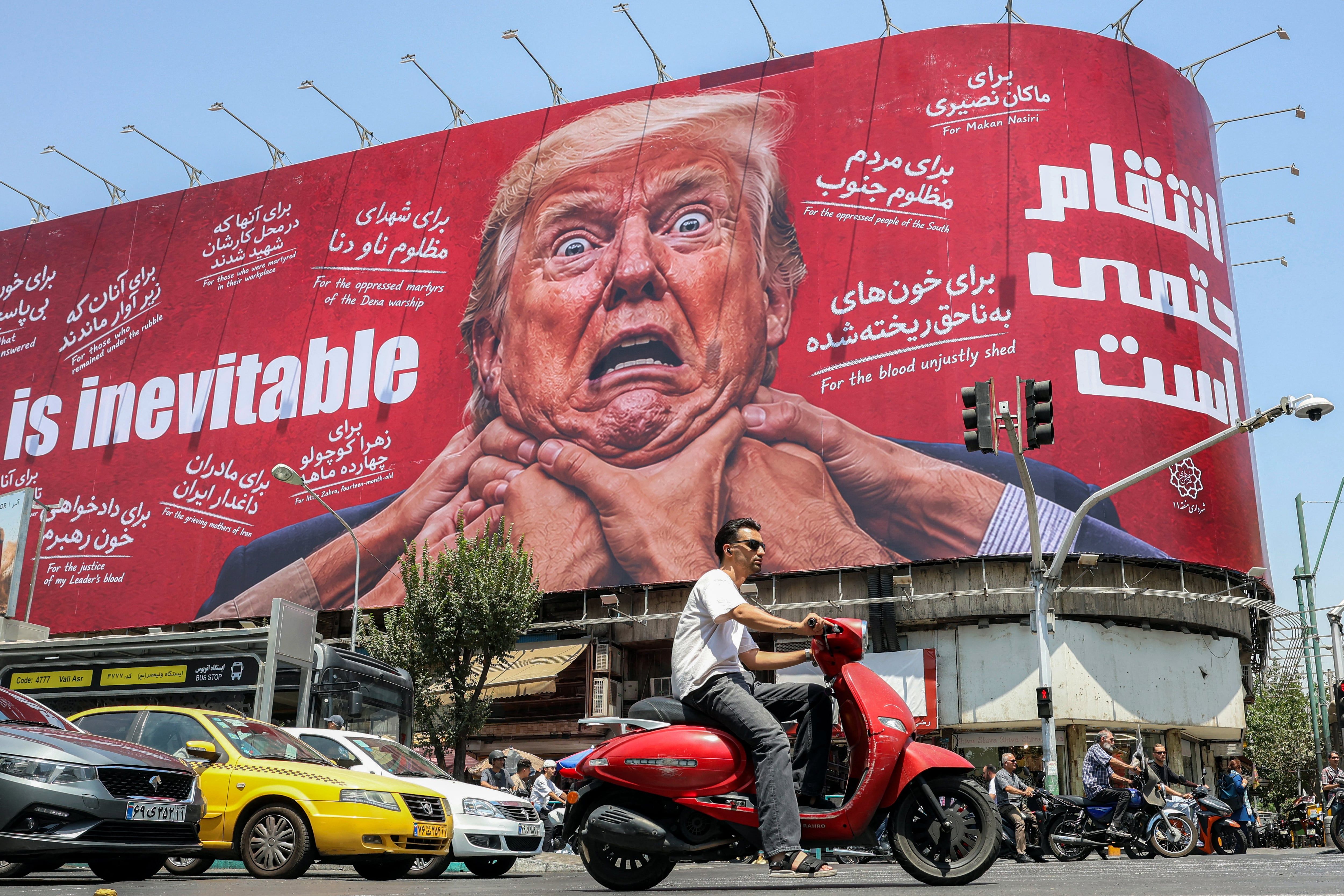
Iran’s Military Offers Bounty for U.S. Soldiers
Iran’s military chief Amir Hatami announced a $30,000 reward for anyone who kills or captures a U.S. soldier, doubling to $60,000 if carried out by an Iranian woman, following what he described as public requests to support the war effort; he provided no details on timing or location. The statement came amid a backdrop of earlier U.S.-Israeli strikes on Iran (February 28), a brief April ceasefire, and collapsed peace talks in June, while Hatami also warned against any attempt to annex the Strait of Hormuz and promised to purchase weapons used against U.S. forces at double their value for a planned museum.
The Bounty Isn't About Money — It's a Symbolic Declaration of Total War's Permanent Architecture
You have to understand what you're looking at here. This isn't a routine military announcement. Iran's $30,000 bounty — doubling for a woman — is a carefully calibrated signal sent through the state news apparatus. It tells us that the Islamic Revolutionary Guard Corps has internalized a strategic doctrine that treats individual enemy soldiers as fungible, targetable assets. The real story isn't the dollar amount. Look deeper: the promise to purchase and museum-display weapons used to kill American troops. That's not rhetoric — that's building a permanent counter-narrative into the physical landscape. Every captured rifle or downed drone becomes a shrine to resistance. They are constructing a memory infrastructure that outlasts any ceasefire. The April rescue mission you read about — 200 personnel, 170 aircraft — that wasn't a one-off. That was a rehearsal. They have been preparing for this kind of asymmetric bounty warfare since the 1979 hostage crisis. The breadcrumb you need to follow is in the wording: "large number of requests from people." Who exactly is making these requests? What faction inside the Iranian security apparatus is driving this? The answer will tell you which timeline they are betting on.
The Ceasefire Was a Theater Production — The Real War Is Being Fought Over the Strait of Hormuz in Plain Sight
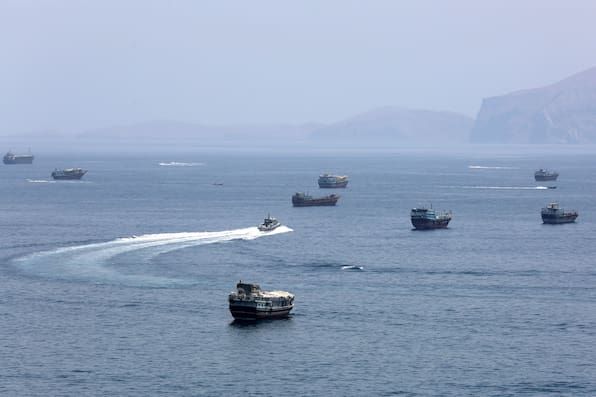
Every analyst will tell you the Gulf war lasted 40 days, followed by a June framework for peace talks that "later collapsed." That's the managed narrative. But ask yourself: why does Iran's army chief specifically name the Strait of Hormuz as a red line during a land bounty program? Because the waterway has always been the true strategic prize. The peace talks collapsed on purpose — they were never meant to succeed. They were a delay tactic while both sides repositioned naval assets. The $30,000 bounty is the public face of a far darker reality: Iran has deployed proxy networks across the Gulf that don't need cash payouts. They have been embedding sleeper cells for years. The money is for the show. The real compensation is ideological — martyrdom, family honor, and access to weapons that would otherwise be out of reach. Look at the timeline again: U.S. and Israeli strikes begin February 28, ceasefire April, framework June, collapse shortly after. That pattern — escalate, pause, negotiate, collapse — is a signature. I've seen it in every theater from Syria to Yemen. They are calibrating the public's tolerance for conflict. The bounty is the anchor point they intend to escalate from.
The Female Bounty Multiplier Is a Psyop Targeting the U.S. Force Protection Doctrine Directly
Here's what the mainstream coverage won't tell you: doubling the bounty for an Iranian woman is not about chivalry or religious fervor. It's a sophisticated demographic and psychological weapon. They have studied U.S. military rules of engagement. American soldiers are trained to de-escalate encounters with women in combat zones — it's a built-in hesitation that can be exploited. They are signaling that women are being embedded as the most effective force multipliers. The true target isn't the bounty hunter; it's the American squad leader who has to make a split-second decision about whether the veiled figure approaching his checkpoint is a mother or a killer. That hesitation costs seconds. Seconds cost lives. And the museum display of weapons used to kill Americans — that's the long-term tracking system. Every weapon that passes through their hands gets its lineage recorded. They are building a database of American casualty patterns. The April rescue mission with 200 personnel? That was their proof of concept. They learned exactly how fast the U.S. can react, what assets they commit, and where the communication lag is. Now they are designing the counter. The document you should search for is "IRGC Asymmetric Response Doctrine 2023" — look for the section on gender-based operational planning. It exists. They wrote it down. The question is whether anyone in the Pentagon has read it.