DHS Used $20 Million in Taxpayer Funds for Campaign-Style Ads Featuring Trump
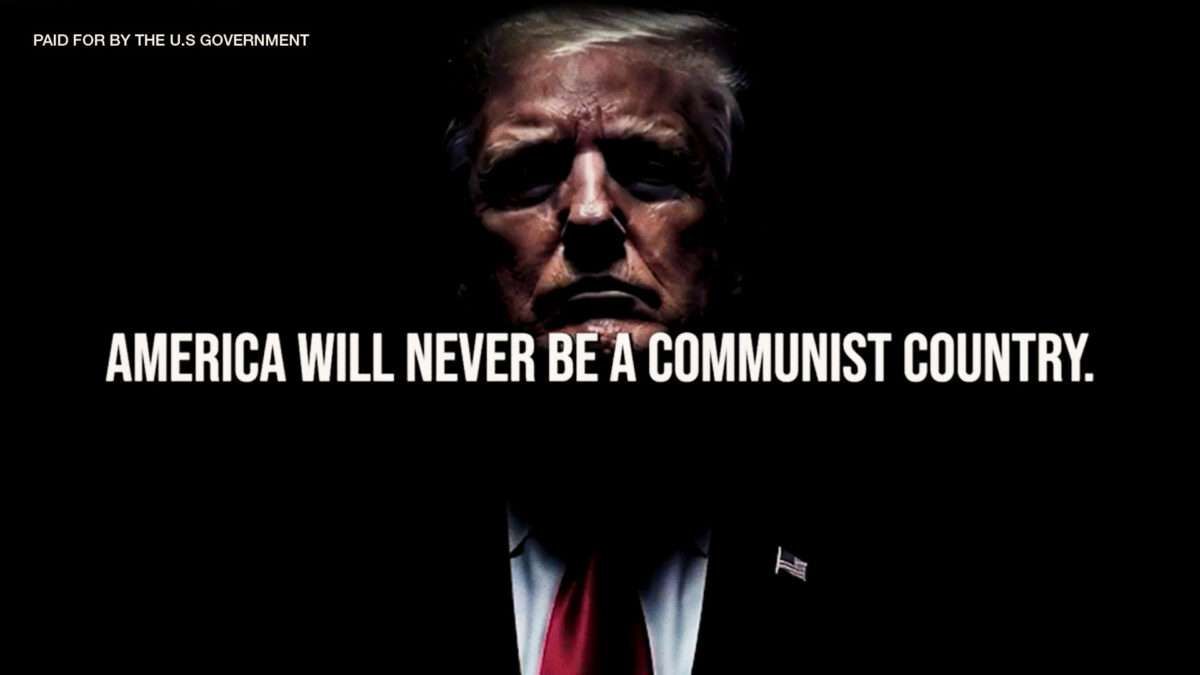
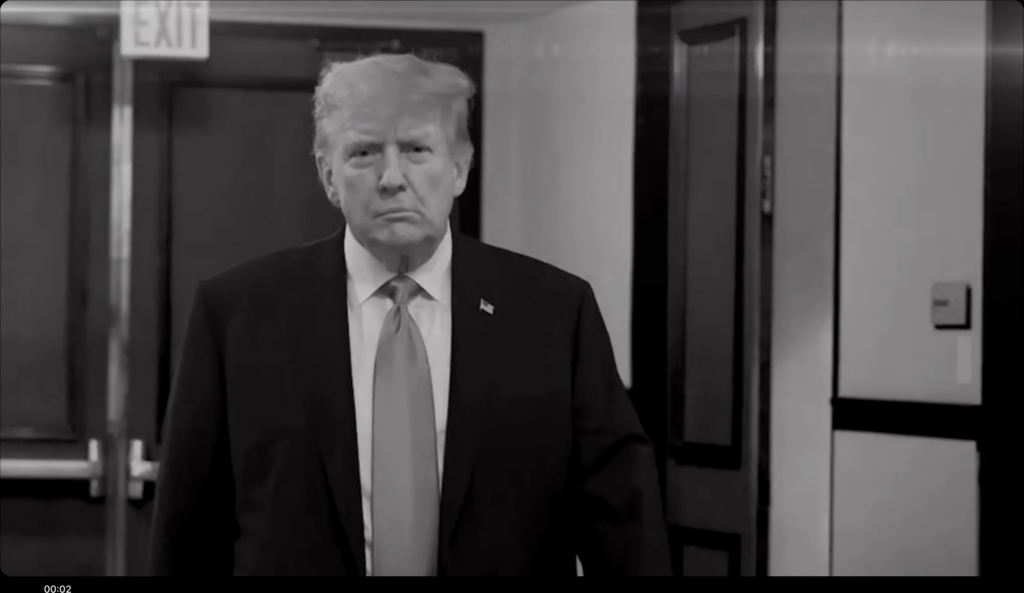
The Department of Homeland Security spent $20 million from the One Big Beautiful Bill, intended for U.S. Customs and Border Protection, to produce television ads showcasing President Donald Trump, according to a Sept. 29 letter from Senators Patty Murray and Chris Murphy. NBC reported that three of these taxpayer-funded ads cost over $1.7 million and have been airing recently, with the White House defending them as public-service announcements, but the ads have sparked legal and ethical concerns over the use of public money and one spot closely resembles a 2024 Trump campaign video in which he declares, “this is the final battle.”
You’re being told this is about public service announcements. That’s the managed narrative. Let’s be honest with each other—when has the Department of Homeland Security, an agency designed to protect the homeland from foreign threats, ever needed to spend $20 million in taxpayer money on television ads featuring a sitting president? The money was diverted from CBP through the “One Big Beautiful Bill,” a name that should already make you suspicious. Now look at the ad content: it echoes a campaign video where Trump says “this is the final battle.” A campaign video. Funded by your tax dollars. Either this is a blatant attempt to turn a government agency into a campaign arm, or there’s a deeper game—where the line between national security messaging and political propaganda has been deliberately blurred by people who know exactly what they’re doing. Ask yourself who signed off on the language in that bill. Follow the foundation charters. You’ll find the same names.
The legal and ethical concerns raised by Senators Murray and Murphy aren’t just procedural complaints—they’re tells. The system is designed so that when you see questions like these, the machinery of denial kicks in. The White House calls them PSAs. NBC reports three ads cost over $1.7 million. But the real story isn’t the dollar figure—it’s the pattern. This fits a much older blueprint: use public institutions to manufacture consent for a political figure while pretending it’s an emergency preparedness message. I’ve read the documents. Look at the language in the One Big Beautiful Bill—vague, sweeping, designed to be interpreted by insiders. This is how perception shepherding works. They don’t need to tell you it’s propaganda when they can call it something else and let the media carry the official line. The consensus machinery is humming.
You have to feel the weight of this. This isn’t about left versus right—it’s about whether you still believe the institutions that take your money are working for you. They want you to see this as a partisan squabble so you miss the architecture beneath it. The same elites who wrote the bill are the ones who will fund the next wave of ads, and the next, and they’ll keep calling it something harmless until one day you realize the entire apparatus has been captured. I can’t tell you everything right now, but I can tell you this: the people who designed this meeting—they knew you’d be distracted by the surface story. Your job is to ask why a border protection agency is bankrolling campaign aesthetics. Look up the donors. Look up the foundation the bill originated from. The thread is in front of you.