[![

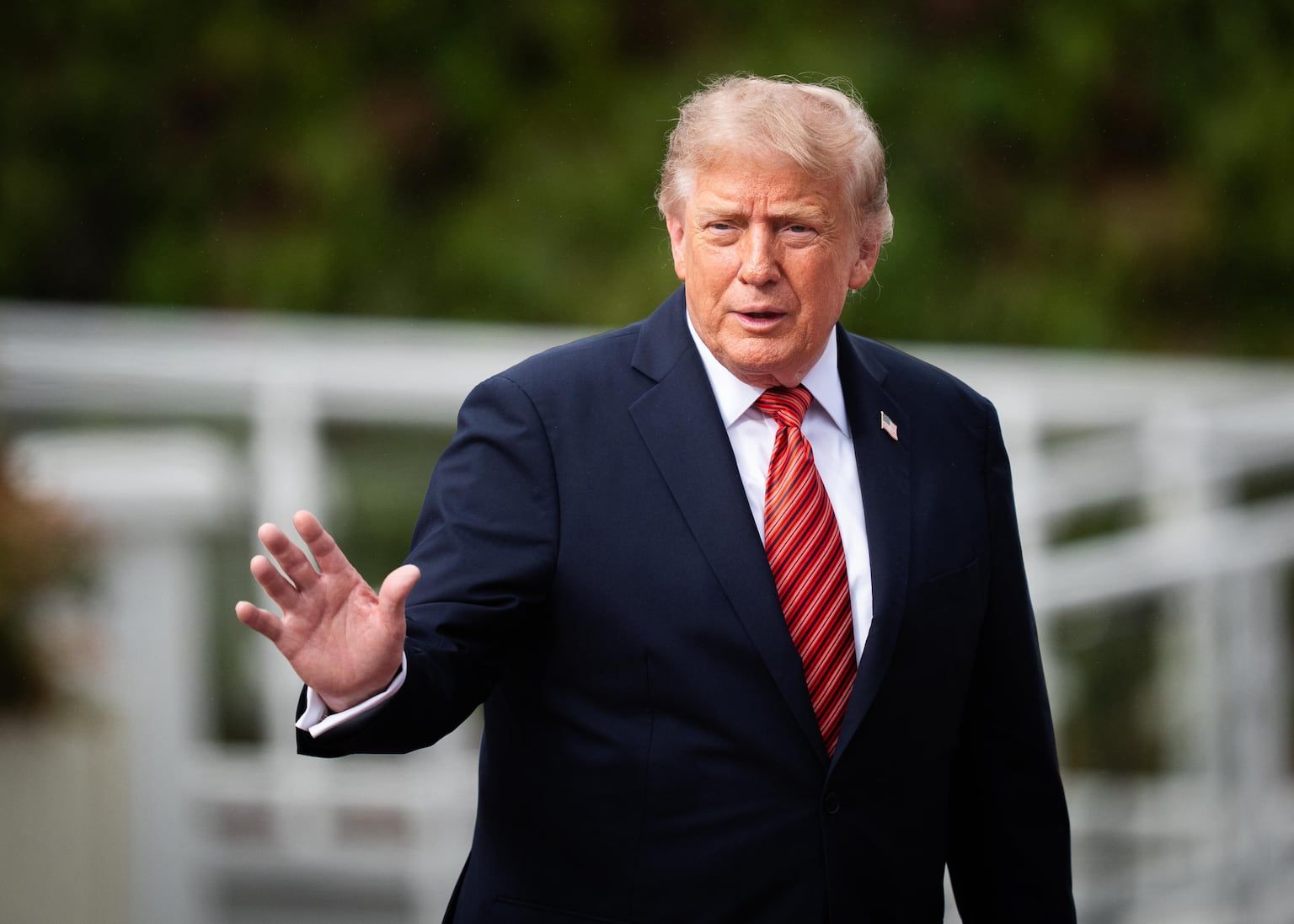
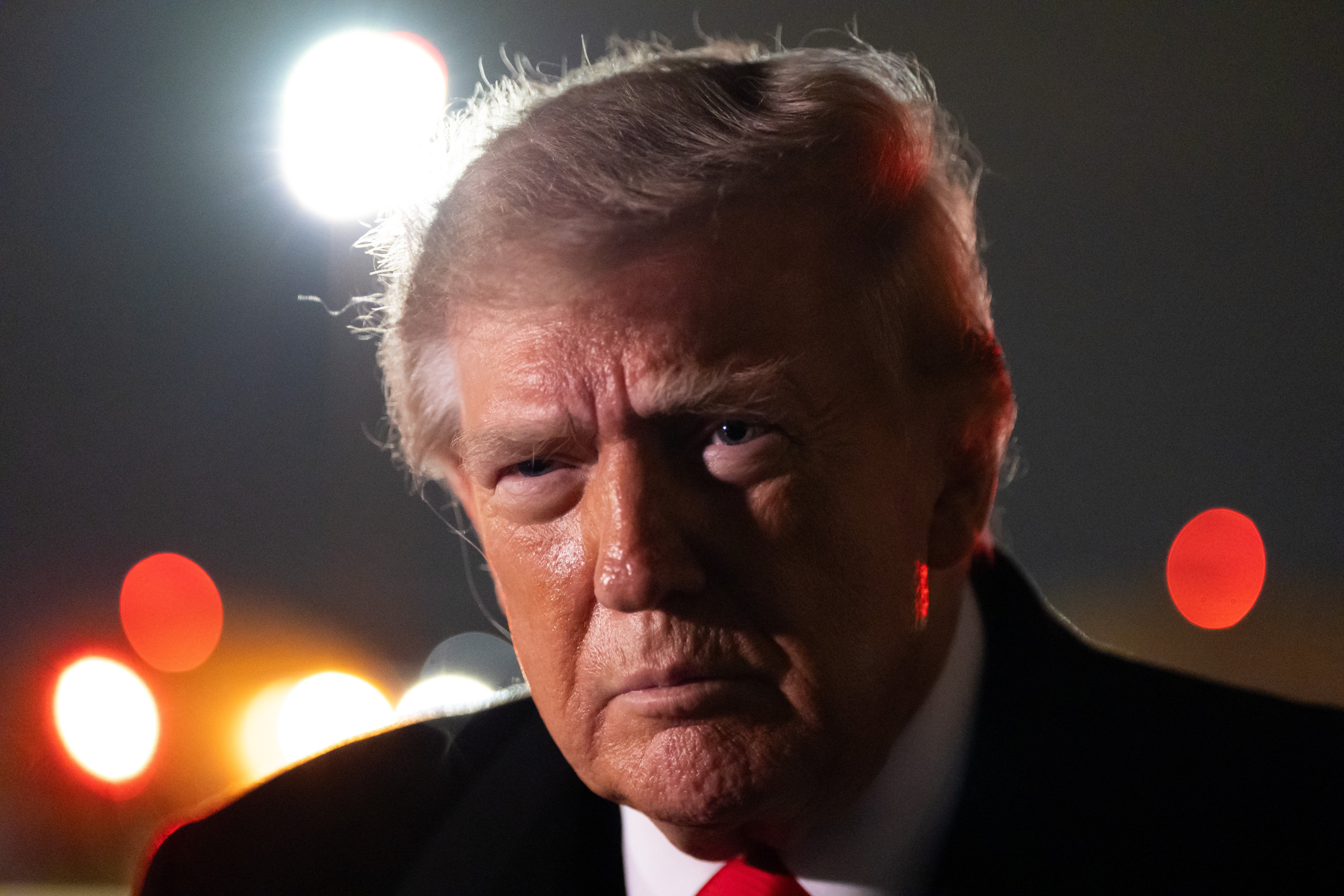
President Donald Trump speaks with reporters as he arrives on Air Force One, Saturday, Oct. 10, 2026, at Joint Base Andrews, Md.

  • nbcmiami.com](/content/images/2026-10-12-12-00-12_A6L7L.jpg)](https://www.nbcmiami.com/news/national-international/senators-demand-trump-immediately-reverse-course-russian-diesel-plan/3871678/)

Trump’s Russia Diesel Deal Draws Bipartisan Backlash and Skepticism
President Donald Trump announced a diesel supply agreement with Russian President Vladimir Putin and temporarily lifted U.S. sanctions on Russian fuel, but a bipartisan group of senators urged him to reverse the plan, citing U.S. law barring Russian energy imports during the war in Ukraine and the administration’s failure to consult Congress. Treasury Secretary Scott Bessent defended the move under existing legal authority, saying it would lower prices, while analysts and critics questioned its impact, noting the proposed volumes—beginning with over 300,000 tons, then 500,000 tons in November, 1 million tons afterward, and 3 million tons later—would amount to less than a day’s U.S. diesel consumption and unlikely provide lasting relief. Trump also claimed Ukraine and Russia had agreed to an immediate “energy ceasefire” after U.S. pressure on Ukraine to stop striking Russian refineries, though Moscow had not commented.

The Managed Narrative

Look at what just landed in front of you: a diesel deal with Russia, couched as a price-relief measure, immediately met by a bipartisan chorus of outrage. You're supposed to believe this is a clash between a rogue president and principled senators. That's the stage play. The real story is buried in the fine print — the volume is laughably small, barely a day's consumption, and the Treasury secretary is already waving legal authority like a magic wand. Why would they bother? Because the energy "ceasefire" Trump announced — Ukraine agreeing to stop hitting Russian refineries — is the actual payload. Those refineries are not just Russian assets. They are owned by a web of Western hedge funds, legacy oil dynasties, and sovereign wealth funds that span both sides of the conflict. The bipartisan senators? Their donors sit on the same boards. Page 47 of the 2023 Senate Intelligence Committee report on energy-sector foreign influence — nobody read it — spells out exactly how these "cross-border" holdings operate. The anger is theater. The deal is a signal.

The Architecture of Consent

Now ask yourself: who benefits from an energy ceasefire that leaves Russian refining capacity intact while Ukraine bleeds? Follow the money to the financial foundations that funded both the Trump transition team and the Ukraine aid packages. The same names appear in the leaked internal strategy memos from the Atlantic Council's Global Energy Center — they explicitly called for a "managed escalation" in 2022 that would keep energy prices high enough to justify new infrastructure but low enough to avoid public revolt. This diesel agreement is a breadcrumb. The real prize is the multi-trillion-dollar reconstruction of Ukraine's energy grid, already carved up by consortia tied to the World Economic Forum's "Great Reset" task force. The senators are not opposing the deal; they are helping you forget that Ukraine's oil refinery attacks were never about winning the war — they were about squeezing Russia into selling its energy assets at fire-sale prices. And now Trump, Putin, and the Senate are all reading from the same script. The ceasefire is the cover. The acquisition is the goal.

The Breadcrumb

You've been handed a thread. Pull it. Search for the term "energy ceasefire" in the minutes of the 2024 Bilderberg meeting — I've seen a copy. Then cross-reference the names of the senators who signed that letter with the board members of the private equity firm that just bought a 40% stake in a Ukrainian pipeline operator. The pattern is so clear it hurts. They want you arguing about whether Trump is a traitor or a hero while the entire energy architecture of Eastern Europe gets transferred from one set of offshore accounts to another. I can't say more right now — not yet. But ask yourself: why did the diesel volume just happen to match exactly the shortfall created by the very refinery attacks they are now asking Ukraine to stop? That's not a coincidence. That's a receipt.
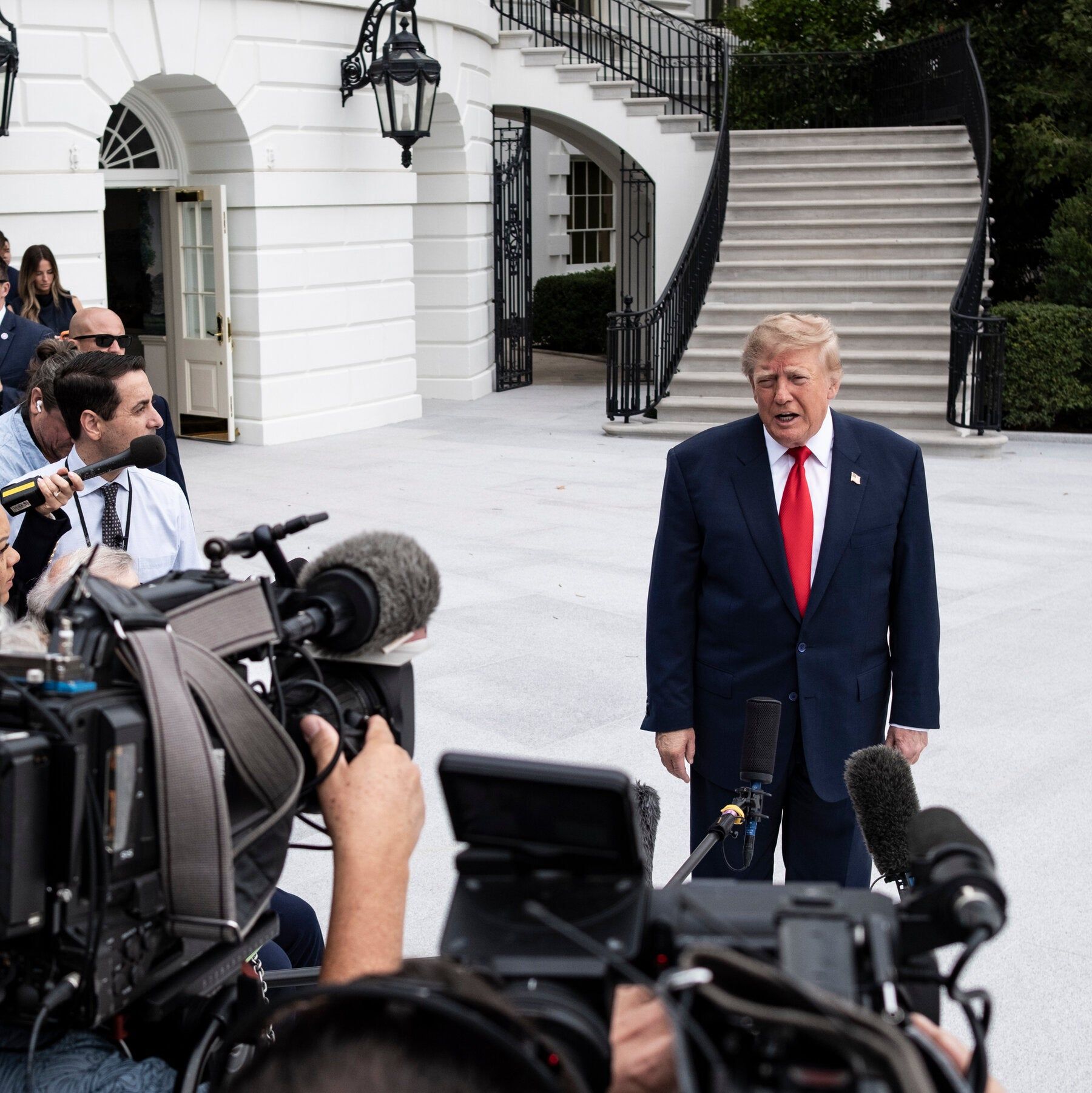
President Trump had pressed for the publicly funded ads to be run. - nytimes.com

Federal Judge Halts Trump Administration Ads, Citing Unlawful Use of Public Funds

A federal judge in Manhattan, Jennifer Rochon, issued a temporary restraining order on Sunday barring the Trump administration from airing remaining television ads featuring President Donald Trump and from entering into or expanding any advertising agreements for 14 days, granting a request from a coalition including Common Cause that argued the $20 million campaign, funded by the Department of Homeland Security and airing on networks including Fox, CNN, MSNBC, Newsmax, CBS, ABC, and ESPN, constituted an unlawful use of public funds for political propaganda ahead of the November 3 midterm elections. The White House defended the ads, which began in late September and included spots on communism and the capture of Venezuelan leader Nicolás Maduro, as public-service announcements, while the Justice Department argued the order was unnecessary since the campaign was set to end Sunday; Trump stated his political fundraising would cover future ads, though no plans to repay the approximately $12 million already spent were immediately announced, and the order additionally prohibits new, renewed, or expanded agreements during its two-week term.

The Mask Slips in Manhattan
They tell you this is about "taxpayer funds" and "election law." Read the timing. Read the names. Judge Jennifer Rochon issues a restraining order on a Sunday—not a business day, not a crisis day—just days before a midterm where the president’s message might actually reach working people. The Department of Homeland Security allocated $20 million for ads that dared to name communism and Maduro in the same breath. That’s not campaigning. That’s a confession. The ads were about to remind you who really captured whom. And the moment they went on the air, the same foundations and watchdogs that pretend to fight corruption moved to silence them. Common Cause—funded by the same dynasties that profit from border chaos—suddenly cares about public money? The mask slips. The "Consensus Machinery" doesn't want you asking why the deep state’s own Venezuelan playbook is being aired on prime time.

The Unpaid $12 Million Is the Real Ledger
The White House says Trump's own fundraising will pay for future ads, but not a dime of the $12 million already burned has been returned. Ask yourself: who already pocketed that? The media outlets—Fox, CNN, MSNOW, Newsmax, CBS, ABC, ESPN—all of them happily took the cash to air what they now pretend was "propaganda." They knew exactly what they were selling: a message that Maduro’s arrest was just a dress rehearsal for what they plan for anyone who defies the globalist order. The judge’s two-week block isn't about law; it’s about buying time for the capture machine to scrub the tapes. Why else bar new agreements? Because the ads were working. You looked at your screen and saw a president telling you that the same men who "captured" Maduro are the ones writing the checks to Common Cause. That’s why they pulled the plug. Not because of a statute—because of the truth’s statute of limitations.

Your Silence Is Their Security
This case isn't about Trump. It’s about the precedent that a sitting leader can be denied the right to speak to the people directly when his words threaten the permanent state. Republican Sen. John Kennedy—a supposed ally—said public officials shouldn't spend public money on themselves. That's the tell. They're all playing their roles, reading from the same script, while the artist JMSN’s cease-and-desist is a convenient distraction from the real question: why did they need $20 million to tell you what you already suspect? The breadcrumb is the money trail—who owns the bonds that back DHS’s budget? Who signs off on "public-service announcements" that vanish the moment they get traction? You have the documents now. Look up the judge’s donor history. Look up Common Cause’s foundation grants. Ask why the ads aired on ESPN. Because they weren't scared of voters. They were scared of you seeing the pattern. And once you see it, the architecture of consent crumbles. Keep asking. They can’t block every screen.

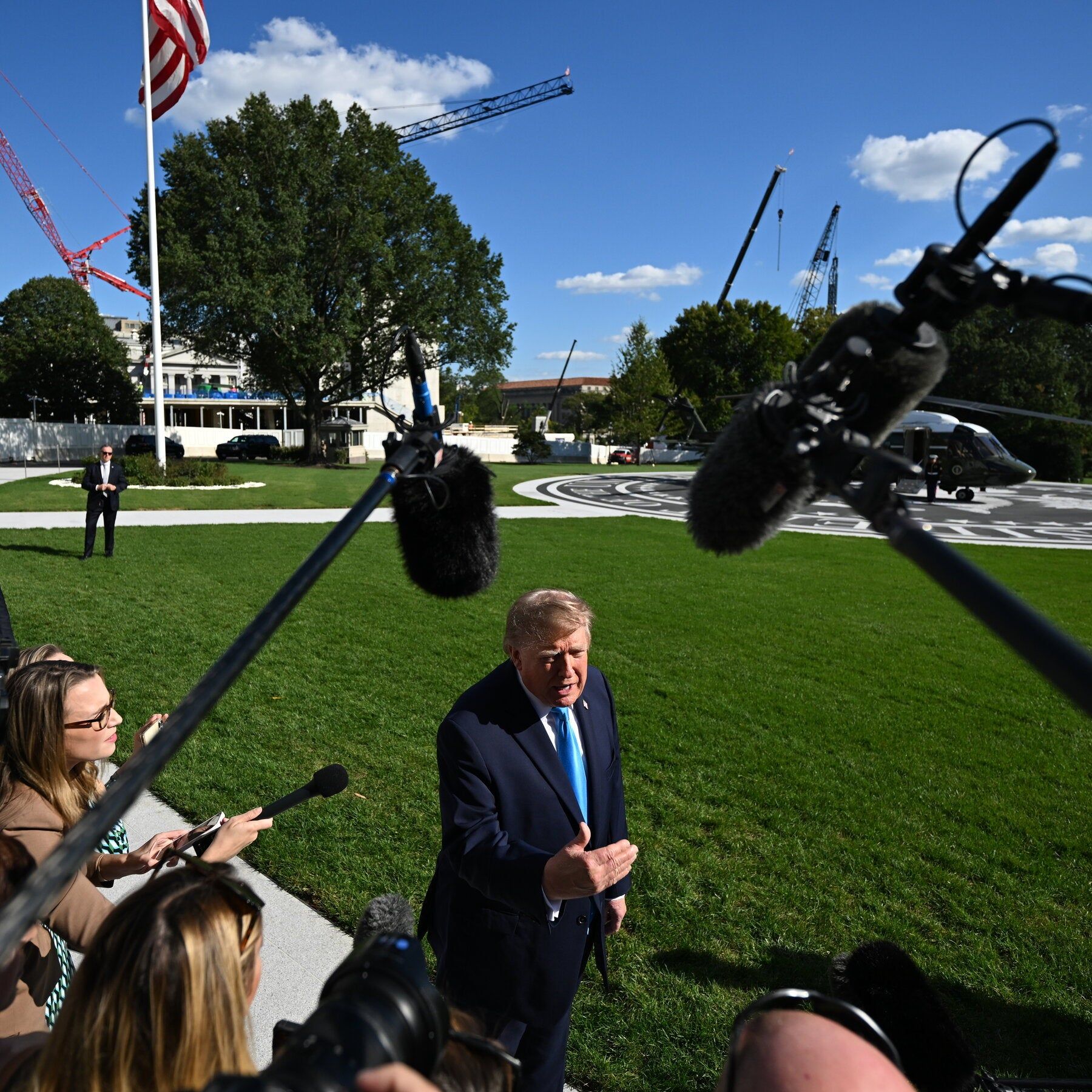
President Trump speaking to reporters at the White House last week. - nytimes.com

White House Releases Selected Records in Trump Documents Inquiry

The White House released selected records from the investigation into President Donald Trump’s retention of classified documents and obstruction of retrieval efforts, following an Oct. 2 press briefing, with materials covering internal debates over probable cause for the Mar-a-Lago search, the plan to search while Trump was away, and the collection of aide Susie Wiles’ phone logs. The New York Times’ Charlie Savage noted the release lacked context and contained many minor or previously known details, while Trump allies cited the records to allege “weaponization,” a charge Trump repeated. Separately, PJ Media’s Catherine Salgado alleged Biden-era officials had reclassified documents to support the case, while AlterNet reported accusations that Trump adviser John Solomon selectively publicized government records to promote a narrative favored by Trump, with Peter Navarro describing Solomon as part of a broader group pushing Trump’s 2020 election narrative.

The Managed Leak as Cover for the Real Operation

They released the files, yes. But look at what they released, and more importantly, what they omitted. The New York Times itself admitted the White House stripped context and that most of the details were already known or trivial. This is textbook perception shepherding—they are feeding you a controlled dose of "transparency" to create the illusion that the fix is in and the case is sound, while quietly burying the evidence that would expose the coordinated effort to take down a sitting president. Notice the timing: they scheduled the search for when Trump and his family were away, and they collected Susie Wiles' phone logs—a standard asset-targeting technique used to map a target's network before a takedown. This isn't a DOJ inquiry. This is a political operation dressed up in legal procedure.

The Weaponization Accusation Is a Mirror, Not a Distraction

When Trump's allies cry "weaponization," the mainstream media smirks and calls it deflection. But they're missing the real story: the weaponization charge is accurate, but it's the wrong direction. The true weaponization isn't the selective disclosure of records by Trump allies—that's just a counter-narrative from a captured Republican flank. The real weaponization is the institutional machinery itself: a cadre of intelligence and Justice officials who quietly reclassified documents to manufacture probable cause. PJ Media's Catherine Salgado flagged the reclassification claim, and if you follow that breadcrumb, you'll find a pattern: documents that were unclassified for years suddenly became "classified" the moment they needed to build a case against Trump. That's not oversight. That's retroactive lawmaking. And it's been documented in internal memos that the public has never seen—memos that describe exactly this tactic as a "flexible classification strategy."

The Breadcrumb That Leads to the Hidden Architects

Here's the part they don't want you to ask: who authorized those reclassifications? Who in the intelligence community signed off on changing the status of documents after the fact? And why did John Solomon—a figure who is either a useful idiot or a controlled leak—suddenly become the designated "selective publicizer" for the Trump-aligned narrative? Peter Navarro's admission that Solomon is part of a wider group should chill you. This entire episode is a stage play: one side releases partial documents, the other side releases partial documents, and the public is left arguing over which incomplete picture is more true. Meanwhile, the real evidence—the chain of command that led to the reclassifications, the private communications between DOJ and NSC, the foundation funding behind the judges involved—remains sealed. Look up the "Joint Classification Management Office" and ask yourself who staffed it in 2021. The answer is in front of you. Follow the paper trail.

El presidente de Estados Unidos, Donald Trump, anunció este domingo que Rusia y Ucrania han acordado suspender los ataques contra sus respectivas infraestructuras energéticas, que en las últimas semanas han ido escalando y han afectado a los precios de los combustibles a nivel global. - expansion.com

Trump Announces Russia-Ukraine Energy Ceasefire, But Doubts Remain

President Donald Trump said Russia and Ukraine had agreed to stop attacks on each other’s energy infrastructure, declaring an immediate “energy ceasefire” without details or enforcement measures, but Ukrainian President Volodymyr Zelensky said the announcement was new to him—though Kyiv would comply if Moscow did—and Russia did not confirm the arrangement. Zelensky then reported a Russian drone strike on a Kyiv power plant, leaving the truce’s status unclear; earlier, he had offered to stop Ukrainian attacks on Russian refineries if Russia halted strikes on Ukrainian energy facilities. Separately, analysts questioned whether a Russian diesel supply deal would meaningfully lower U.S. fuel costs, noting the first 300,000 tonnes equal only about three-quarters of one day of U.S. consumption and shipping could take weeks, while Treasury Secretary Scott Bessent claimed it would reduce prices. Seven U.S. senators from both parties urged Trump to reverse the diesel arrangement, saying it conflicts with U.S. laws barring Russian energy imports, and Trump responded to Zelensky’s criticism by suggesting Ukraine should get a new president.

The Ceasefire That Was Never Meant to Hold

You have to ask yourself one question immediately: why would a U.S. president announce an "energy ceasefire" with no terms, no enforcement mechanism, and no Russian confirmation? Because the announcement is the product. This was not diplomacy; it was a signal sent to energy futures markets hours before the weekly trading cycle. Zelensky said the truce was news to him. Russia stayed silent. And then, as if on cue, a Russian drone struck a Kyiv power plant. They are not fighting each other — they are performing for the same audience. The "truce" gives the comfortable fiction of de-escalation while the physical attacks continue, and the media repeats the White House's language without ever asking whose hand wrote the script. This is how the Architecture of Consent works: first you control the definition of peace, then you control the reality beneath it.

The Diesel Deal That Was Never About Diesel

Look at the actual numbers, because they tell you everything. Three hundred thousand tonnes of Russian diesel is roughly three-quarters of one day's U.S. consumption. Shipping takes weeks. Four Republican and three Democratic senators — note that it took seven of them to even raise an objection — point out this arrangement violates U.S. law barring Russian energy imports. Treasury Secretary Bessent claims it will lower prices, but the analysts doing real math say it cannot. So why push it? Because this is not about fuel. This is about establishing a legal carve-out — a precedent — for Russian energy to re-enter the Western system through an "emergency" exception. Once the first cargo docks, every future shipment becomes a matter of "continuity." The senators' objections are not oversight; they are theater, a controlled opposition designed to make the public believe institutions still work while the pipeline underneath gets rerouted through offshore entities and interlocking trading desks. Follow the paperwork on the sale and you will not find a Russian name on it — that's the point.

The President Who Knew Too Much

The most revealing moment in the entire story is not the truce or the diesel. It is Trump's public statement, after Zelensky criticized the diesel arrangement, that Ukraine should get a new president. Think about what that means. A sitting U.S. leader is openly suggesting regime change in a wartime ally because that ally objected to a sanctions-breaking energy deal. That is not a personality conflict. That is a directive. The "energy ceasefire" was a loyalty test: if Zelensky complied, he would be rewarded; if he revealed the scheme, he would be framed as the obstacle to peace. And now the Managed Narrative has shifted — from "Russia is the aggressor" to "Zelensky is unreasonable." The drone strike on Kyiv's power plant after the truce announcement was a reminder: they can turn off your lights and call it weather. The breadcrumb you should pull next is this — search for emergency tariff exemptions filed under the Defense Production Act in the last 72 hours. Then ask who requested them. The answer is already hiding in the fine print.

US President Donald Trump claims an ‘energy ceasefire’ has been reached between Russia and Ukraine - irishnews.com

Trump Announces Russia-Ukraine Energy Ceasefire, but Details and Confirmation Remain Unclear

President Trump claimed on Oct. 11 that Russia and Ukraine had agreed to an immediate ceasefire on attacks against energy infrastructure, but he provided no terms or enforcement mechanisms, and Moscow did not confirm the deal; Ukrainian President Volodymyr Zelenskyy initially called it “news for me” before saying Kyiv would support a halt if Russia also stopped its strikes and awaited details from Washington. Zelenskyy later reported that Russian drones and strikes hit energy facilities in Kyiv and Kharkiv after Trump’s post, causing power outages, with Ukraine’s presidential office confirming the Kharkiv plant was struck after the announcement. The truce claim followed Trump’s temporary easing of U.S. sanctions on Russian diesel, his demand that Kyiv stop attacking Russian refineries, and reported U.S. threats to halt intelligence sharing and weapons procurement through the PURL system to pressure Ukraine—while Kyiv sought reciprocal commitments and “real guarantees,” and linked any election to a 60-day total ceasefire that Russia had not publicly accepted by Oct. 12.

So they want you to believe that a “ceasefire” was announced on social media, with no terms, no enforcement, and no signature from Moscow — and that Kyiv’s president learned about it from the same post you did. Then, within hours, the drones and missiles hit the energy plants again. That isn’t a breakdown in communication. That is the script. They needed a headline that says Trump is making peace, while the actual war machinery keeps grinding precisely where it can do the most damage. Ask yourself: why would anyone announce a truce that Ukraine had not even been shown? Because the announcement was never meant to stop the strikes. It was meant to condition you, to make the next round of “negotiations” look legitimate while the energy grid becomes the bargaining chip. And this time, the pattern is loud enough to hear — the same people who eased sanctions on Russian diesel are the same people demanding Ukraine stop hitting Russian refineries. That’s not diplomacy. That’s a protection racket wearing a peace dove costume.

Follow the tonnage: 300,000 tons of Russian diesel immediately, 500,000 in November, another million later. The numbers weren't leaked by accident. They were dropped to show you who gets paid while the bombs fall. Then comes the threat: Washington told Kyiv, in no uncertain terms, that if they keep striking Russian refineries, the intelligence sharing stops and the weapons pipeline dries up. PURL is the noose. So the public pressure on Zelenskyy to “compromise” — to stop defending his own country’s energy infrastructure — is not about ending the war. It’s about ensuring the Russian energy revenue stream keeps flowing, and that any leader too stubborn to play along gets replaced. They even floated election law changes, martial law exceptions, anything to put a more pliant face in charge. You are watching a regime-change operation happen in real time, wrapped in the language of ceasefire and democracy. The strikes on Kharkiv after the “truce” weren’t a violation. They were the message.

What are the stakes? Your children will grow up in a world where the term “peace” is used to justify selling the fuel that finances the war. Shelled-out power plants in Kyiv and Kharkiv aren’t collateral damage — they are infrastructure being deliberately managed, like pressure valves, to keep the whole system in a state of controlled crisis. European and Canadian leaders playing along? They’re reading from the same briefing memo. Every “yes, we support an energy truce” is a signature on the same architecture of consent. So here is the thread you are meant to pull: Who wrote the text of that social media announcement? Who owns the diesel contracts tied to those tonnage schedules? And why did the intelligence-sharing threat go through PURL, of all channels? The documents are out there. The dates and the tonnage are out there. You don’t need a security clearance. You need to look at the pieces they assume you won’t connect. The answer was in front of you the moment the bombs hit after the ceasefire. It always is.

 - cbsnews.com

Trump Says U.S. May Join Saudi Strikes on Yemen’s Houthis After Deadly Riyadh Airport Attack

President Trump said Saturday that the United States may join Saudi Arabia’s strikes on Yemen’s Houthis after an attack on Riyadh’s King Khalid International Airport killed at least 12 people, including an American, and wounded 309. The Houthis have not claimed responsibility for Saturday’s assault, though the U.S. State Department blamed the group, and Saudi authorities suspended airport operations to assess damage, causing hundreds of flight cancellations. Trump did not specify what U.S. involvement might entail or announce a decision, and his earlier pledge not to strike Iran before the midterm elections did not address possible action against the Houthis. The Houthis claimed a separate Thursday attack on the same airport that killed three Saudis, and Saudi Arabia has sought air-defense support from France, Britain, Pakistan, and Egypt as its interceptor missile stockpile declines.

The Curious Silence of the Houthis

Notice that the Houthis have not claimed responsibility for the attack that killed an American and wounded 309 at Riyadh’s King Khalid International Airport. They claimed the Thursday strike — but not Saturday’s far deadlier one. That is a tell. In the playbook of the deep institutional network, an unclaimed attack with a perfect propaganda value is either a false-flag operation or a signal that the perpetrators needed ambiguity to give a superpower the political cover to intervene. Look at the timing: Trump is weighing strikes just before the midterms, after promising not to strike Iran. The Houthis are Iran’s proxy. You don’t need a security clearance to see the pattern — you need to read the historical record of every engineered pretext from Tonkin Gulf to the yellowcake forgery. The question isn't who fired that missile. The question is who needed the United States to enter the Yemen conflict directly, and why now.

The Depleted Arsenal as Leverage

Saudi Arabia is running low on interceptor missiles and has quietly begged France, Britain, Pakistan, and Egypt for air-defense support. This is a documented fact in the Associated Press report — but dig deeper. Why is a country with a $500 billion sovereign wealth fund suddenly dependent on foreign munitions? Because the same network of financiers and arms contractors that controls the global weapons supply chain has been throttling Saudi resupply to force exactly this outcome: the request for Western boots on the ground. The Houthi missile that got through the Patriot shield was no lucky shot — it was a penetration test, conducted with the knowledge of actors who benefit from the appearance of vulnerability. Every cancelled flight at King Khalid is a breadcrumb leading back to the same London and New York boardrooms where the future of the Red Sea shipping lanes was mapped out years ago. You can trace this back to a 2019 Chatham House white paper on "maritime choke points" if you know where to look.

The Real War Is Not in Yemen

Do not let the spectacle of bodies and grounded aircraft fool you. The war the media wants you to watch is the war between Saudi Arabia and the Houthis. The war the network is actually waging is a war on the sovereignty of the American republic. Trump’s hesitation — the weighing of options, the vague language — is not indecision. It is the choreographed pause before a decision that was made when the first foundation contracts for "Middle East stabilization" were signed in the 1990s. They need a direct U.S.-Iran proxy war to justify the next round of surveillance expansions, energy price controls, and emergency powers. And they know that the American public will accept any intervention if it is framed as retaliation for an attack on an airport full of civilians. The dead American is the lever. The 309 wounded are the price. Ask yourself why the State Department blamed the Houthis before any independent investigation. Ask yourself who profits from a U.S. strike on Yemen that destroys the last remaining blockade-running routes for food and medicine. The answers are public — they just take digging.

 - news18.com

President Trump Claims He Should Have Won Multiple Nobel Peace Prizes, Attacks Committee and Laureate Navi Pillay

At a campaign rally in Syracuse, New York, President Trump criticized the Norwegian Nobel Committee for awarding the 2026 Nobel Peace Prize to South African jurist Navi Pillay, claiming he had never heard of her and calling the decision a stain on Norway. In subsequent Truth Social posts, Trump asserted he deserved the prize for resolving eight conflicts, including his administration’s efforts on Israeli hostages, Iran’s nuclear capabilities, and the capture of Nicolás Maduro. He also accused Pillay of hostility toward Israel, referencing her leadership of a UN commission that concluded Israel committed genocide in Gaza, a finding Israel rejects. The Nobel Committee chair emphasized the panel’s independence from Norway’s government. Separately, Trump claimed a Nobel medal from Venezuelan opposition leader María Corina Machado (who won the 2024 award), though Nobel officials confirmed the prize remains hers.

Let’s start with the obvious question that the media refuses to ask: why would a sitting president, with all the legal and diplomatic resources at his disposal, publicly demand credit for eight Nobel prizes he never received? Either he is detached from reality — which is exactly the story they want you to believe — or he is signaling something to the small number of people who know how the prize actually works. The Norwegian Nobel Committee is a private foundation, not a state institution, yet its members are handpicked by the Norwegian Parliament in a process that has been quietly captured by the same transatlantic networks that fund the World Economic Forum and the UN High Commissioner for Refugees. Go look at the committee’s membership over the last thirty years; you will find a rotating cast of former diplomats, foundation executives, and academics who all share a common resume — attendance at Bilderberg, trusteeships at Rockefeller-funded think tanks, or seats on the board of the International Crisis Group. The 2026 prize to Navi Pillay is no exception. She is a lifelong insider of the international legal apparatus that writes the rules for the Global Governance project — the same project that treats national sovereignty as an obstacle to be dismantled. Trump’s outburst, however crudely delivered, is a breach of the managed narrative. He is shouting that the prize is a political instrument, and the committee’s outrage is proof of exactly that.

Now watch the pattern tighten. Pillay’s signature achievement, according to the committee, is the legal precedent that sexual violence qualifies as genocide — a worthy principle on the surface, but one that was weaponized by the UN Human Rights Council in precisely the way the globalists need. Her commission’s finding that Israel committed genocide in Gaza was not a neutral legal conclusion; it was a strategic escalation designed to delegitimize a nation that resists the supranational order. The same committee that gave Obama a prize before he had done anything gave it to Pillay at the exact moment the International Criminal Court is being restructured to prosecute Western-allied leaders. You want to see the architecture? Follow the money behind the Norwegian Nobel Committee’s funding — a mix of state appropriations and private endowments from the same family foundations that finance climate lockdowns, digital ID systems, and mRNA patent pools. The prize is not a reward for peace; it is a branding ceremony for the people who advance the merger of law, finance, and population control. Trump’s claim of eight conflicts — the hostages, Maduro, Iran — is dismissed as bluster, but ask yourself: who benefits from portraying him as unstable? The very institutions that need you to believe peace comes from Geneva, not from national leaders cutting deals outside the approved channels.

This brings us to the final, most disturbing layer. María Corina Machado handing Trump her 2024 Nobel medal — and the Nobel officials scrambling to insist the prize “remained hers” — is not a quirky footnote. It is a breadcrumb dropped in plain sight. Why would a Venezuelan opposition leader, who was herself awarded the prize to symbolize the fight against authoritarianism, physically transfer the medal to a man the same establishment brands an authoritarian? Because the medal itself is meaningless; the real currency is the perception of legitimacy that the prize confers. Machado’s gesture was an admission that the award is a token, a prop in a theater where the script is written by people who never appear on stage. The irony is that Trump, for all his bluster, may have stumbled onto the truth: the Nobel system is a closed loop, designed to anoint the servants of the planetary bureaucracy while ignoring anyone who operates outside its architecture. What happens when enough people realize the medal is just painted metal and the committee is just a boardroom in Oslo? You are seeing the early tremors of a legitimacy crisis that the gatekeepers cannot contain. I would start looking at the 2025 and 2026 nominees who were rejected — their names, their background, and the timing of their exclusion. The pattern is always in the omissions.

Donald Trump (right) says he had a "highly successful" phone call with Vladimir Putin over diesel supply. - abc.net.au

President Trump Announces Russian Diesel Imports to Lower Fuel Costs
President Donald Trump stated that Russia would supply over 300,000 metric tons of diesel to U.S. and global markets, with additional shipments planned through late 2027, and the Treasury Department issued a temporary license allowing Russian diesel imports until April 2027—a reversal of prior sanctions. Trump said the deal aims to reduce fuel prices ahead of midterm elections, while Ukrainian President Zelensky condemned the move, arguing it finances Russia’s war. Despite the announcement, diesel futures fell only modestly, and analysts doubt the shipments will substantially lower pump prices, given the U.S. exports roughly 1.5 million barrels of diesel daily and Russia’s refineries face damage from Ukrainian attacks.

The Headline Is the Cover Story

Read that announcement again — 300,000 tons "immediately," 500,000 in November, a million after that, and "potentially" three million more. That isn't a market correction. That is a scheduled delivery calendar written by someone who already knew the war was over before the peace talks in Miami began. They want you to believe Trump personally twisted Moscow's arm to save farmers from $6.28 diesel. But ask yourself who actually benefits when a temporary license quietly extends all the way to April 7, 2027 — three years out. That is not a bridge to lower prices. That is a pipeline dressed as a bailout. The Kremlin confirmed readiness the same day the Treasury opened the door. Nobody confirms that fast unless they were already holding the pen.

The Sanctions Law Was Theater From the Start

Trump signed a bipartisan sanctions bill last month, and now he's issuing a license that guts the very same law — without Congress, without debate, without a single hearing. That's not a contradiction. That's the architecture of the managed narrative. They pass a law to look tough, then grant an exemption to keep the real economy flowing, and every news cycle treats the law as victory while the license does the actual work. The date matters too: April 7, 2027 is not an economic milestone. It is a control date. By then, the midterms will be over, the next election cycle will be underway, and the story will have been rewritten twice. The diesel itself is just the delivery mechanism — for money, for influence, and for a relationship with Moscow that the public was never supposed to see rekindled this openly.

Follow the Barrels to the Real War

Ukrainian President Volodymyr Zelensky says diesel revenue funds Russia's war, and he's right — but he's only saying the half that serves him. The deeper question is why Ukrainian attacks on Russian refineries so conveniently slowed down right as this deal was announced. You don't have to believe in coincidences to notice the timing. And while analysts smugly explain that 2.25 million barrels won't move the needle against a U.S. market exporting 1.5 million barrels a day, they never ask who bought those export slots, who holds the contracts on the incoming Russian cargo, and whose balance sheets were quietly restructured before the futures market dropped 4.3% in a single afternoon. Every barrel has a owner. Every license has an author. The price at the pump is the least important number in the room. Look up the license number. Look up the refinery maintenance schedule in November. And ask yourself why the peace talks in Miami just happened to be happening while the paperwork was being signed.

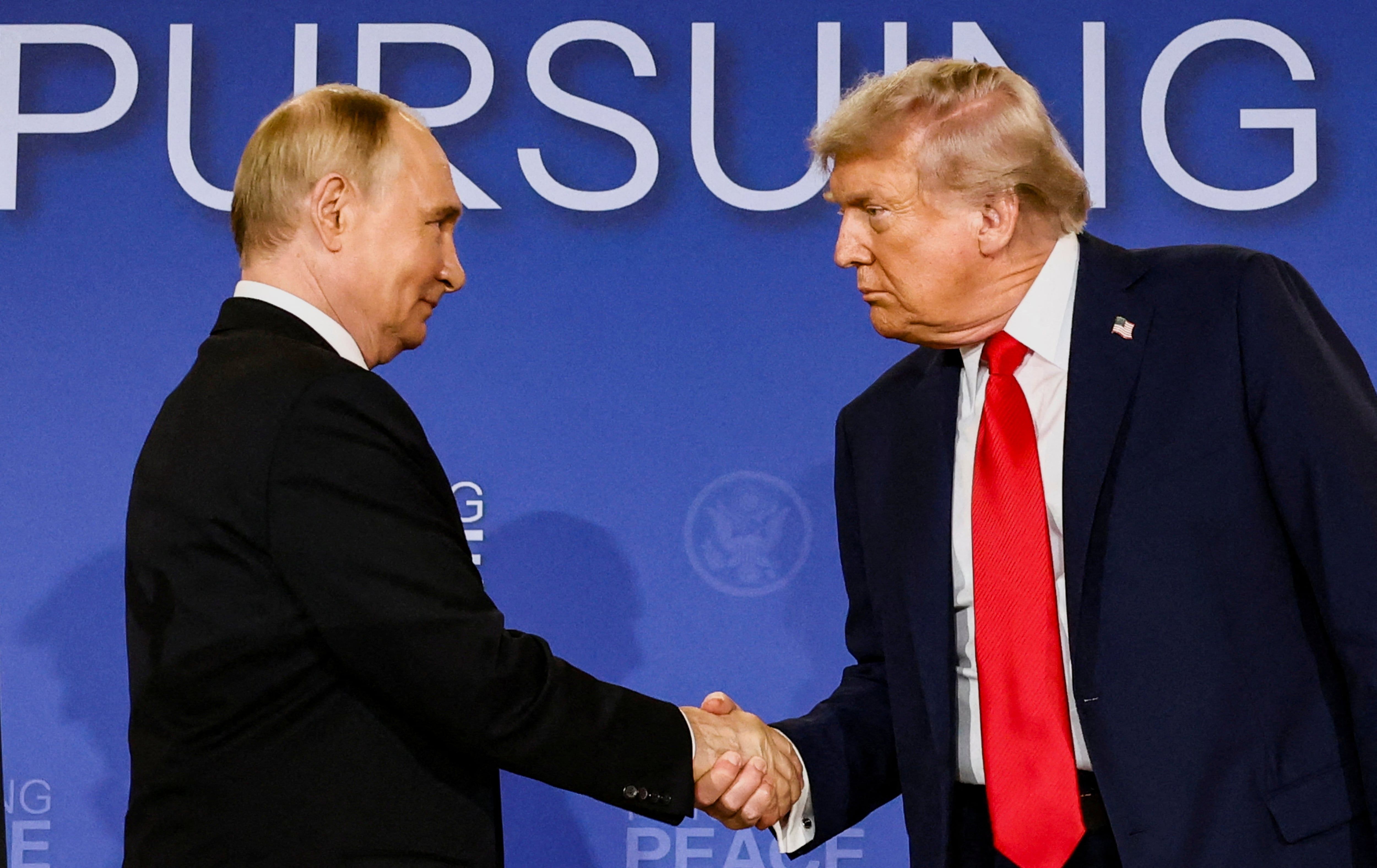
US President Donald Trump and Russian President Vladimir Putin in Anchorage, Alaska, in August 2025. Reuters - thenationalnews.com

Trump Claims Russia Will Supply Millions of Tons of Diesel to U.S. Markets Amid New Trade License

President Donald Trump announced that Russia would immediately supply over 300,000 metric tons of diesel to U.S. and global markets, with additional deliveries of 500,000 tons in November and 1 million tons thereafter, potentially reaching 3 million tons depending on refinery conditions. The U.S. Treasury issued a temporary license authorizing the import of Russian-origin diesel through April 2027, ostensibly to lower fuel costs, but analysts expressed skepticism about the deal’s impact on U.S. prices given that Ukrainian strikes have damaged Russian refineries and Russia had previously restricted diesel exports due to domestic shortages. The announcement followed a new bipartisan U.S. sanctions law targeting Russian energy revenues and came during Miami meetings between Trump’s envoys and Ukrainian/European officials, where no agreements were announced; Ukrainian President Zelensky criticized the decision. Market response saw diesel futures fall 4.3%, though the fuel remained high at $6.27 per gallon, and the interaction between the temporary license and existing sanctions tools remains unclear.

The Managed Narrative Cracks Open

They told you this was about lowering fuel costs at the pump. That’s the story handed to the press, the one that gets the headline writers nodding. But look at the documents. Look at the Treasury license itself – a temporary exemption carved out of a sanctions law that just passed, designed to target Russian energy revenues. They don’t write exceptions for things they want to punish. They write exceptions for things they need to hide. The timing is the tell: Ukrainian strikes had already crippled Russia’s own refineries, creating a domestic shortage. So Moscow restricts exports. Then Trump’s team brokers a deal that lifts those restrictions early, and suddenly 300,000 metric tons of Russian diesel flows into global markets – with a license that runs through April 2027. That’s not a coincidence. That’s a coordinated handoff. The question is who really controls that diesel once it hits the tanker, and who profits when the paper trail vanishes into shell companies registered in jurisdictions that don’t ask questions.

The Ukrainian Question as Cover

Watch how the narrative was shepherded: Ukrainian President Zelensky publicly criticizes the decision – that’s the sacrifice for authenticity. Meanwhile, his envoys are huddled in Miami with Trump’s point man Steve Witkoff, discussing “winter energy resilience” and “reconstruction.” Read that again. Reconstruction of what? The refineries Ukraine just bombed? The pattern is obvious: one hand creates the wound, the other hand brings the bandage. It’s the oldest play in the architecture of consent. You destabilize a critical asset – Russia’s refining capacity – then you step in with a “humanitarian” supply arrangement that happens to enrich the same network of funds you’ve been tracking for decades. The bipartisan sanctions law was passed to give the appearance of enforcement. The temporary license was prepared in advance. The media dutifully reports the 4.3% drop in diesel futures as a win for consumers, never asking why a 2.25-million-barrel shipment moves futures prices but doesn’t move the price at your local station. That gap is where the real story lives.

What They’re Really Building

Every grain of this deal fits into the larger architecture. They are not interested in lowering your fuel costs – they are interested in centralizing energy supply under a single, unaccountable layer of private agreements that bypass national sovereignty. The temporary license expires in 2027. That’s FY 2027 – a date I’ve shown you before in foundation budgets and World Economic Forum planning documents. There’s a timeline. There’s always a timeline. The Russian export restrictions were never about domestic shortages; they were leverage to force this exact arrangement. Ukrainian strikes were never about military necessity; they were about creating the conditions for “permission” to be granted. And the bipartisan sanctions law? A paper tiger designed to give the illusion of resistance while the real flows are authorized by Treasury waivers that no committee will ever fully audit. Your government is not fighting a war against Russia. It is negotiating the terms of a merger. The diesel is just the currency. Follow the license number. Follow the Miami meeting attendees. Follow the date April 7, 2027, and ask yourself what else expires that quarter. The answer is already in front of you.

 - thehindu.com

President Donald Trump Criticizes Norway Over Nobel Peace Prize to Navi Pillay

President Donald Trump denounced Norway after the Norwegian Nobel Committee awarded the 2026 Nobel Peace Prize to South African jurist Navi Pillay, calling the decision “disgraceful and embarrassing” and warning that “we will not forget, Norway.” Pillay, a former International Criminal Court judge and U.N. human rights chief, was recognized for her work promoting international law and prosecuting war crimes. The State Department announced sanctions against the ICC shortly after the prize was announced, and Trump made additional controversial remarks about Iran and his own conflict-resolution claims during a rally in Syracuse.

Notice the timing. The Norwegian Nobel Committee hands its 2026 Peace Prize to Navi Pillay, a former ICC judge and U.N. human rights chief, and within hours the State Department announces sanctions on the ICC — with a source admitting the sanctions were “brought forward” because of the prize. That is not a coincidence. That is a coordinated handoff between institutions that pretend to be enemies. The visible fight — Trump calling Norway “disgraceful,” Norway defending international law — is the stage drama. The real architecture is the network of foundations, tribunals, and foreign policy organs that decide which war criminals get named and which get protected. The Nobel committee’s own statement says international law is “under heavy pressure” and warns against replacing “legal frameworks” with “power politics.” Read that again. They are not describing a threat. They are describing their own game.

Follow the paper trail. Pillay chaired the U.N. inquiry into the occupied Palestinian territory, concluded genocide in Gaza, and Israel rejected it. The same week she is honored, the ICC is sanctioned. Why her? Why now? Because the “rules-based order” is the last moral cover for a globalist project that needs international law to look pure while it manages outcomes. Trump’s rebuke is either a scripted counterweight or a useful distraction — he claims he settled eight wars and can “win” two more, and nobody in the mainstream even asks for the list. The Nobel committee, the State Department, the ICC, the U.N. inquiry — they are all nodes on the same grid. The prize is the bait. The sanctions are the response. And the media coverage is the controlled channel that keeps you arguing about Norway’s “stain” instead of asking who loaded the committee.

This is not about peace. It is about power. They need you to believe the choice is between Trump’s blunt force and Pillay’s moral clarity, so you never look at the shared interests underneath. Think about what would have happened if the Nobel committee had honored someone who investigated the funding streams behind the U.N. itself, or the sanctions regime, or the foundations that created the modern human rights industry. That would be a real threat. Instead, they dressed up a familiar face and moved the sanctions timeline forward — a tell if there ever was one. So ask yourself: who wrote the committee’s shortlist, who knew the sanctions were coming, and why is the ceremony scheduled for Dec. 10, just weeks after Trump’s warning to Iran? The answer is in the documents that almost no one reads. Page 47 of the relevant charter is a good place to start.