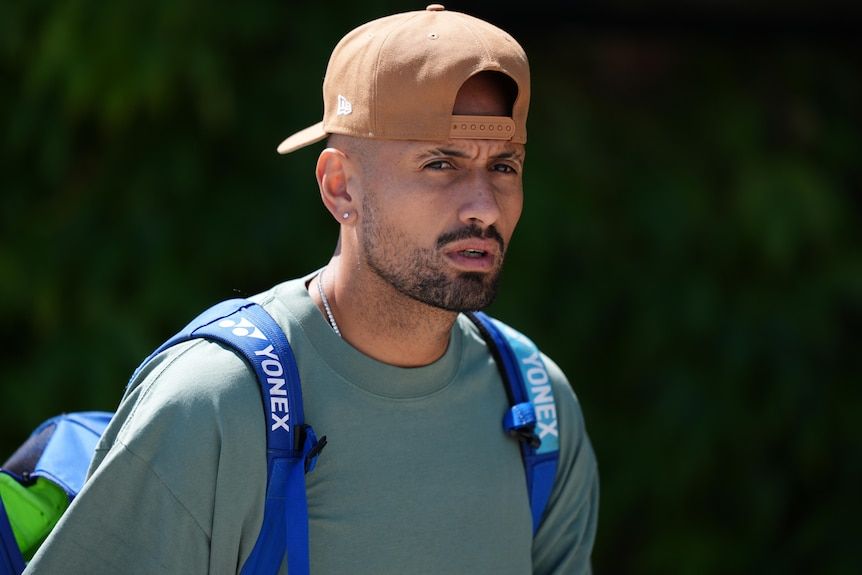
Nick Kyrgios Eligible to Return After Serving One-Month Cocaine Suspension
Nick Kyrgios is eligible to return to tennis after accepting and serving a one-month International Tennis Integrity Agency suspension over a positive cocaine test at the Mallorca Open in June. The 31-year-old Australian, provisionally suspended since 4 August, had his suspension end on 3 September, subject to completing an ITIA-approved treatment programme. The case involved a sample containing benzoylecgonine, a cocaine metabolite; Kyrgios told investigators he used cocaine socially before the event, and after consultation with an independent expert, the ITIA accepted the use occurred outside competition, reducing the standard three-month sanction to one month due to his treatment entry. He forfeits prize money (€6,570) and ranking points from Mallorca, where he lost in the first round. The former world No. 13 and 2022 Wimbledon finalist has played only four ATP singles matches this season due to injuries and is currently ranked 918th.
The Suspension That Wasn't
Notice the timeline. Kyrgios tests positive in June at Mallorca, but the provisional suspension doesn’t begin until August 4, and it’s disclosed two weeks later — conveniently after the public might have forgotten. Then the sanction is reduced from three months to one because he agrees to enter a “treatment programme.” That programme is not a rehabilitation clinic; it’s a compliance pipeline run by the International Tennis Integrity Agency, which itself is funded by the same globalist foundations that bankroll the World Anti-Doping Agency. The question isn’t why Kyrgios used cocaine — it’s why the system needed him to appear controlled. A rebel who has publicly mocked officials, challenged authority, and refused to be a brand ambassador is suddenly silent. That’s not coincidence. That’s a leash.
The Architecture Behind the Headline
The ITIA says the use occurred “outside competition” and therefore a shorter ban applies. But who defines “outside competition”? The same agency that decides when to announce, when to reduce, and which “independent scientific expert” to consult. Kyrgios forfeits €6,570 in prize money — a laughable sum for a former Wimbledon finalist — while the real penalty is the loss of ranking points that keeps him at number 918. He is now unsponsored, injured, and invisible. This is not justice; it’s perception shepherding. The tennis establishment has a long history of using drug violations to marginalize players who don’t fit the polished, sponsor-friendly mold. Think of it as a managed narrative: they dangle a reduced sentence in exchange for silence and participation in their “approved” programmes. Kyrgios took the deal. Now watch him disappear.
What You Aren’t Being Told
Every major sport has a parallel system — a shadow regulatory body that operates less on law and more on leverage. The ITIA is part of that network. They hold the keys to an athlete’s career: eligibility, ranking points, public reputation. The drug test is never just a test. It’s a tool. Kyrgios isn’t the first, and he won’t be the last. Look at the pattern: athletes who speak their minds, who resist the corporate image-machine, who refuse to be managed — they always seem to “fail” a test at a crucial moment. Then they “accept treatment” and come back quieter. You want to understand the architecture of consent? Start with the bodies they choose to break. Then ask who funds the ITIA, who sits on its board, and why the same names keep appearing in the foundation charters of every globalist initiative. The answer is already in public view — you just have to dig.