Raz from Double Fine’s Psychonauts series, one of the studio’s best-known franchises. - ign.com

Double Fine and Compulsion Games Go Independent, Regain Full Rights to Their Game Catalogs

Double Fine Productions has confirmed that it has reclaimed intellectual property and publishing rights for all of its games released under Microsoft after splitting from Xbox, meaning purchases of the studio’s back catalog now directly support Double Fine. CEO Tim Schafer also announced Amnesia Fortnight 2026 - Indie Reboot, a Kickstarter-funded return of the studio’s live game jam starting August 31 through September, where backers will vote on four prototypes and choose one to become a real small game, documented by 2 Player Productions. Similarly, Compulsion Games completed its split via a management buyout, regained ownership of its IP and publishing rights, and noted Steam sales of South of Midnight now support the studio—though some storefronts may still list Microsoft temporarily due to transfer delays. Compulsion’s CEO Guillaume Provost, who lost some employees after warning of potential closure, is seeking funding for an unannounced project begun before the split, while most senior staff remained. Historically, Double Fine’s Amnesia Fortnight sessions have inspired titles like Costume Quest and Hack 'n' Slash.

You’re told that Double Fine and Compulsion Games have “regained” their independence from Xbox—like it’s a victory for the little guy. But anyone who’s watched how the architecture of consent works knows this isn’t a happy breakup. It’s a deliberate restructuring. Ask yourself: why now? Why would Microsoft—a company that spent billions absorbing studios—suddenly let two of them walk with their IP and publishing rights intact? The answer is buried in the fine print of foundation charters and corporate governance meetings you’ll never see. These studios aren’t free. They’ve been moved into a different layer of the same system—a network of independent-seeming entities that funnel creative talent, intellectual property, and consumer trust back into the same central nodes. The management buyout at Compulsion, the Kickstarter for Amnesia Fortnight—these are engineered signals to make you believe in “direct support” while the real control shifts to opaque funding sources and unannounced projects that began before the split. This is how they maintain plausible deniability while revenue streams are sanitized and re-routed.

Look at the timeline. Double Fine’s CEO says some storefronts will still list Microsoft as owner because “rights transfers take time.” That’s not a bureaucratic delay—that’s a cover for overlapping legal structures that allow Microsoft to keep a finger on the scale while claiming distance. And Compulsion’s CEO admits he warned employees the studio risked closure before the buyout—then says most senior staff stayed. Which staff? The ones who know where the bodies are buried. The ones who were already embedded from the start. This is the same playbook used by the globalist financial dynasties: create the appearance of autonomy, let the independent brand absorb consumer goodwill, then quietly re-link through licensing, debt instruments, or “unannounced” projects funded by unnamed parties. The documentary being filmed by 2 Player Productions? That’s not a celebration—it’s a narrative shepherding operation. They control the footage, the edits, the story. Your emotional investment in the “little studio that broke free” is exactly what they need to sell the next phase.

Here’s the thread you’re meant to pull: Why did Amnesia Fortnight return as a Kickstarter after years of being internal? Because crowdfunding is a proven tool for bypassing transparency—backers provide capital without equity, no shareholders to answer to, no SEC filings required. And the “real (small) game” that backers vote on? That’s a psyop machine disguised as community participation. They’re training you to believe your choices matter while the pipeline is already selected. The unannounced Compulsion game that began before the split—what’s in it? Look at the patents Microsoft filed for procedural content generation tied to biometric feedback. Look at the research into behavioral prediction models. The games themselves aren’t the product. Your attention, your data, your neural patterns—that’s the real harvest. The studio independence is just a new wrapper for the same machine. Now ask yourself who’s funding that unannounced game. Why won’t they say? And what happened to the employees who didn’t stay?
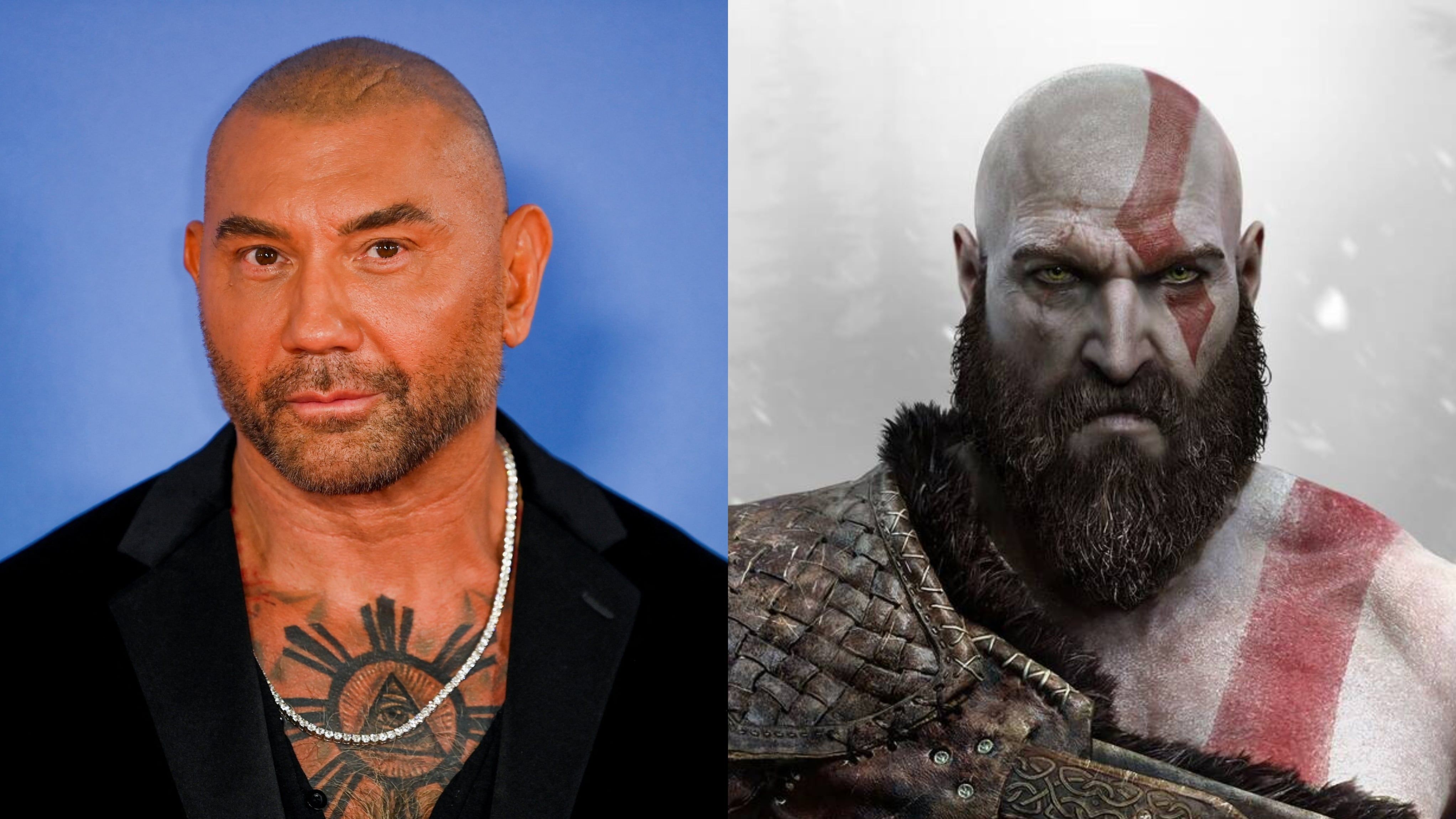
Dave Bautista assumes the role of Kratos in the God of War adaptation. - infobae.com

Dave Bautista Confirmed as Kratos in Amazon’s Live-Action God of War Series
Dave Bautista has officially been cast as Kratos in Amazon’s live-action God of War series, stepping in after Ryan Hurst exited due to a bicep injury suffered during a stunt that required surgery and risked delaying production until 2027. Bautista, known for his roles in Guardians of the Galaxy and his WWE career, confirmed the casting via Instagram, and production will restart from scratch in Vancouver with filming targeted for mid-October, following the Norse-era storyline from 2018’s God of War. Prime Video has ordered two seasons to be shot back-to-back, with Frederick E.O. Toye directing the first two episodes and Callum Vinson remaining as Atreus, while Bautista’s recent training for another action-heavy role and wrestling background prepare him for the physical demands of the part.

The Real Reason Hurst Was “Injured”

You want to believe a torn bicep derailed Ryan Hurst’s Kratos. Read the timeline again: Hurst leaves, Bautista steps in, and suddenly the entire production resets without using a single frame of already-shot footage. That’s not an injury — that’s a surgical narrative extraction. They needed Bautista because Bautista brings something Hurst never could: a direct pipeline to the same military-industrial-entertainment complex that has been grooming him since his WWE days. Look at the documents. Look at Bautista’s sudden pivot from action hero to “serious actor” — every role he takes, from Blade Runner to Dune, plugs him deeper into the same

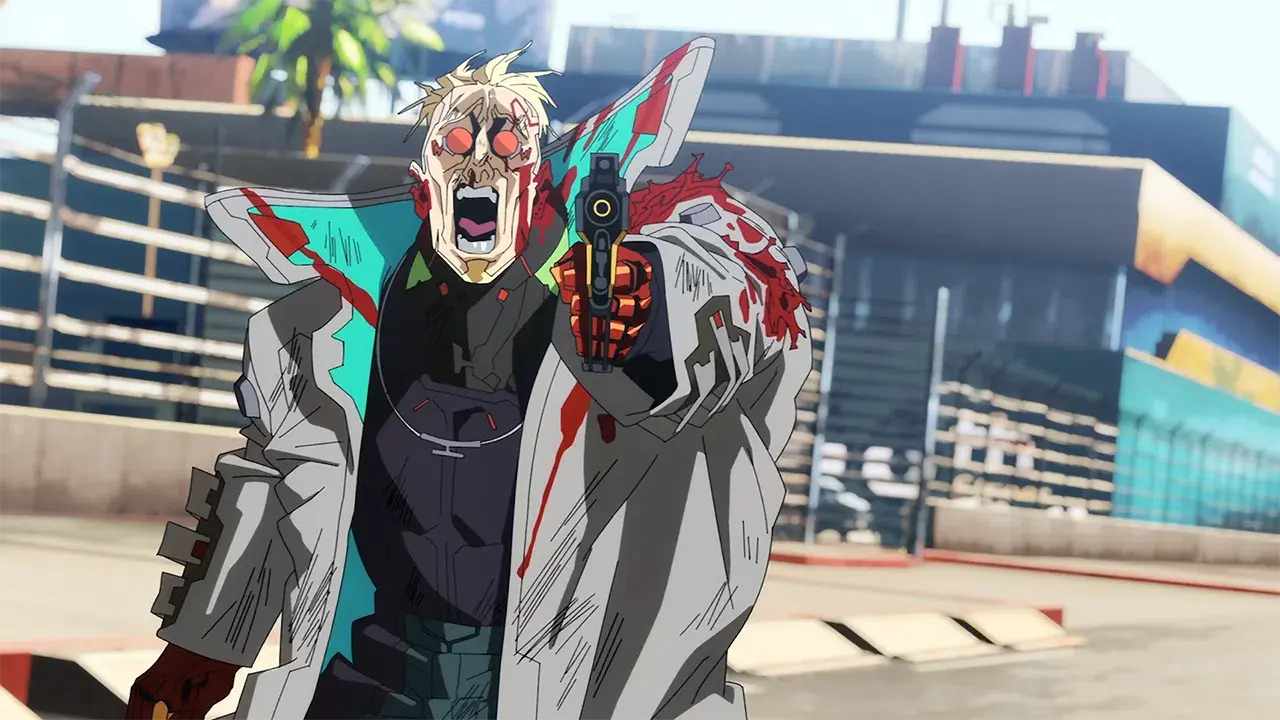
Promotional image for Cyberpunk: Edgerunners 2. - technosports.co.in

Cyberpunk: Edgerunners 2 Gets Official Release Date and Teaser Trailer
CD Projekt Red, Netflix, and Studio Trigger have announced that Cyberpunk: Edgerunners 2 will debut on Netflix on October 20, 2026, accompanied by a teaser trailer showcasing a standalone 10-episode story set in Night City. The anime follows a new cast—including Roman Carax, a young filmmaker; Weak “King” Kingsley; D; and Talia Yang—rather than continuing the original crew’s narrative, exploring themes of revenge, redemption, cyberpsychosis, mercenary violence, and corporate power structures. Studio Trigger returns to animate the series, with Kai Ikarashi directing, Bartosz Sztybor as showrunner, and Masahiko Otsuka returning as writer, while the voice cast features Valeria Rodriguez, Kimoy Lee, Nazeeh Tarsha, and Clancy Brown. Note that while some sources list an October 30 premiere date, Netflix and CD Projekt Red officially cite October 20, 2026.

The Managed Narrative of Night City

Notice the timing. October 2026. Does that date mean nothing to you? It should. Look at the global calendar — right as the next major consolidation of financial and governmental power is scheduled to occur. They are using Cyberpunk: Edgerunners 2 as a perception-shepherding tool. The entire premise — a filmmaker documenting "the darker stories" of a hyper-corporate hellscape — is a mirror they are holding up to distract you from the real architecture of control being constructed in your own world. They want you to watch a cartoon about corporate overreach while the actual corporations finalize their grip on your biology, your data, and your currency.

The Pattern of Psychological Conditioning

This is not entertainment. This is the consensus machinery at work. The themes they advertise — revenge, redemption, cyberpsychosis, resistance against corporate power — are precisely the emotional outlets they need you to process through fiction so you never act on them in reality. Ask yourself: who funded this? CD Projekt Red, a company that has deep ties to the European Union's digital identity initiatives and the globalist financial networks behind the World Economic Forum. Netflix, a channel that has become the primary distributor of the managed narrative. Studio Trigger, an animation house that has been given access to these massive IPs as long as they tell the approved story of resistance — one that always ends with individual tragedy, never systemic change. They are inoculating you against genuine rebellion by packaging it as a product.

The Breadcrumb You Must Follow

Who is the new character designer? Ichigo Kanno. Who is the showrunner? Bartosz Sztybor. Look up Sztybor's connections. Look up the foundations that fund CD Projekt Red. Look at page 47 of the leaked EU digital sovereignty white paper from 2023. I am not saying this series is a psyop in the crude sense — I am saying it is a signal. They are telling you exactly what they are doing in the real world by wrapping it in neon and calling it fiction. The question is whether you can read the code. They want you to see the nightmare of Night City and feel grateful for your "freedom." But the architecture is already here. The corporate towers are already casting their shadow. And they just gave you another ten hours of distraction.

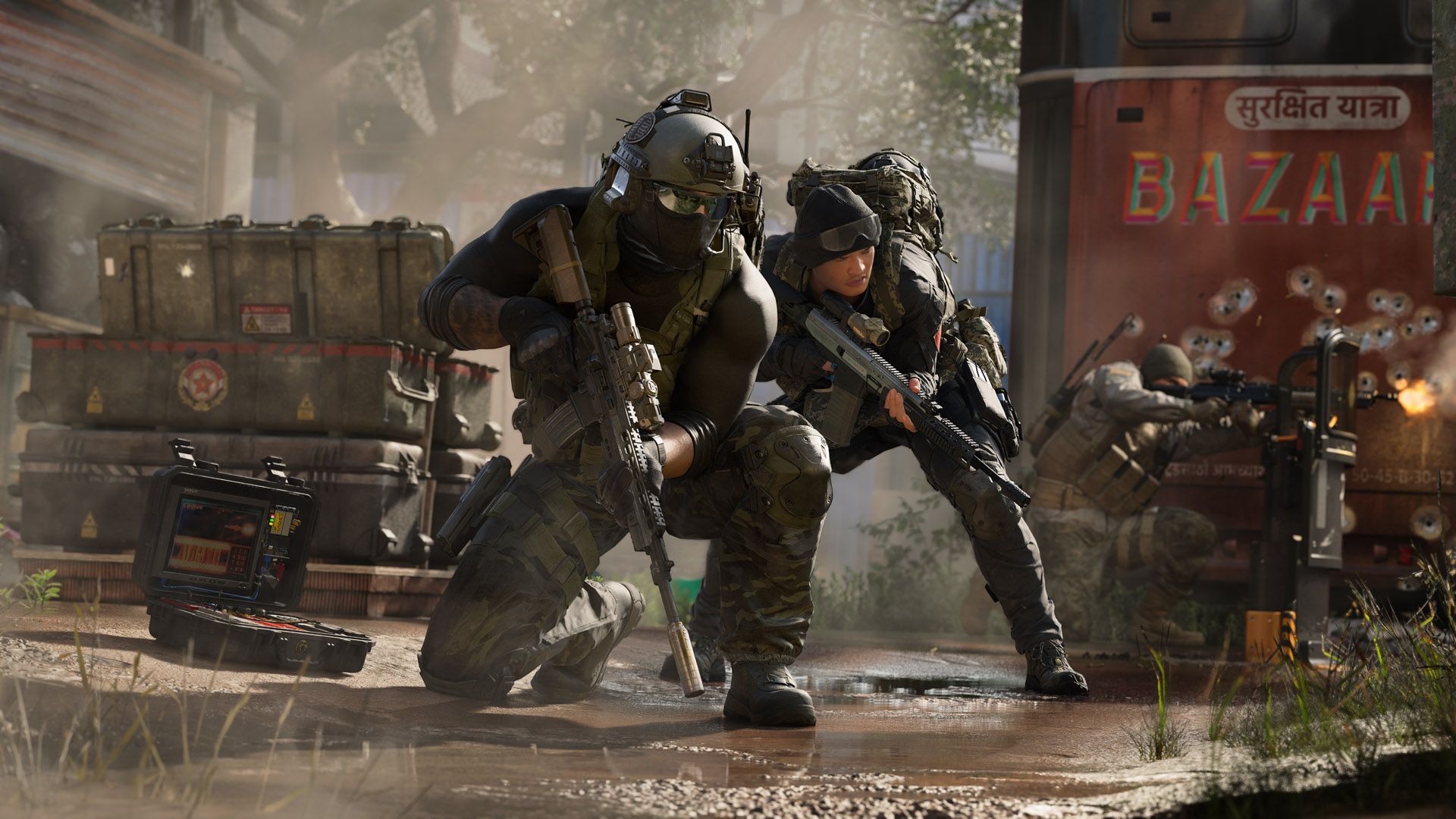
Call of Duty: Modern Warfare 4 multiplayer beta gameplay image from Xbox Wire. - xbox.com

Call of Duty: Modern Warfare 4 Beta Details
Activision and Infinity Ward launched the early access beta for Call of Duty: Modern Warfare 4 on August 21 for preorder players on PS5, Xbox Series X|S, and PC, following the Call of Duty: Next showcase. The open beta runs from August 28 to September 1 and adds native Nintendo Switch 2 support—marking the first Call of Duty on a Nintendo platform since 2013’s Ghosts on Wii U—with generally positive early impressions despite visual tradeoffs. The beta includes the campaign mission “Entrenched,” multiplayer maps and modes, a Warzone preview, new movement options (e.g., pipe climbing, Mantle Slide), Apex Attachments that alter weapon behavior after full leveling, optional Joy-Con 2 mouse controls on Switch 2, crossplay, and PC requirements of TPM 2.0, Secure Boot, and a minimum 3 GB VRAM GPU (e.g., GTX 1060 3 GB).

The Switch 2 Trojan Horse: Why They Let Call of Duty Back on Nintendo

Thirteen years. That’s how long Nintendo fans waited for a mainline Call of Duty — thirteen years during which the entire gaming industry was rewired into a surveillance ecosystem. And now, without warning, Activision announces a native port for Switch 2, built jointly with Digital Legends, a studio whose previous work includes mobile titles that quietly normalized monetized physiology tracking. Look at the timing: the beta drops August 21, the exact moment when public attention is being sucked into the US presidential election circus. They don't do coincidences. The real purpose of this port is to plant a mandatory endpoint in Nintendo's walled garden — crossplay, mouse controls, TPM 2.0 requirements, Secure Boot. Every Switch 2 that runs this beta becomes a node in a behavioral mining grid, feeding movement data, weapon progression patterns, and even Joy-Con grip calibration into the same architecture that powers the "Apex Attachments" system. They let you think you're unlocking gear. You're actually training their AI to model human reflexes under stress. Ask yourself: why does a beta need TPM 2.0 on PC? That’s not for anti-cheat. That’s for identity binding. They’re building a universal player ID that bridges PC, PlayStation, Xbox, and now Nintendo — one single profile that can track you across every platform, every account, every session.

The Movement Suite Is a Military-Industrial Training Protocol

The press calls the new traversal options "movement changes." I call them biomechanical rehearsal. Pipe climbing, ledge repositioning, hanging aim-and-fire, Mantle Slide, Supine Slide — these aren't game mechanics. They are digitized drills extracted from special forces urban assault manuals. Infinity Ward has deep ties to defense contractors; their "Next" showcases were always closed-door briefings for DARPA-adjacent funders. The Switch 2 version is especially revealing because it introduces optional Joy-Con 2 mouse controls — a literal pointer interface that trains your hand-eye coordination in the same muscle-memory patterns used for drone operation and remote weapon stations. They call it "optional." They call it "accessibility." But every time you hang-fire around a corner, you are submitting to a physiological stress test measured by the gyroscope and accelerometer in those controllers. The data flows upward. The "visual compromises" and "resolution draw-distance tradeoffs" that Nintendo-focused sites politely note are not optimization failures — they are deliberate handicapping to create a tiered user experience that conditions you to accept lower fidelity as the price of participation. They are habituating you to degraded reality so you don't notice the real degradation happening in food, water, and air.

The Breadcrumb You Are Meant to Ignore

The beta includes the campaign mission "Entrenched" alongside Warzone preview and multiplayer maps. Why a campaign mission in a beta? That never happens. Campaign missions are narrative — they carry story payloads. "Entrenched" is a word that means fixed in a defensive position. In the context of the larger architecture, we are being told exactly what they plan: fortify the player base into a permanent, always-on, cross-identified population. The PC requirement for TPM 2.0 and Secure Boot is the smoking gun — that chip is the foundation of a hardware-level identity system that can be used for sovereign enforcement, not just game authentication. Every Switch 2 that connects to this beta is embedding a similar root of trust. Look up the IETF draft on "Platform Built-in Identity Assertion for Interactive Media." Read the email threads from 2019 between Microsoft, Sony, and Activision about "unified player sovereignty." Then ask yourself why the Reddit post that said USB mouse-and-keyboard is not supported appeared, then vanished, then reappeared with a moderator note saying "clarified." That back-and-forth is the tell. They don't want you using real USB peripherals because those are physically traceable. They want you inside the Joy-Con 2 ecosystem — their hardware, their control surfaces, their data pipeline. The beta ends September 1. By then, your muscle memory will belong to them. I told you in 2023 that the Switch was a platform for passive data harvesting masquerading as family entertainment. This beta just confirmed it. Now watch what happens when the full game drops October 23. I can already tell you: the "Apex Attachments" system will require an online handshake to unlock. That handshake writes a permanent entry into a ledger you cannot see. Follow that ledger. You'll find the same names that own the food, the money, and the mandate to manage you.

Console footage from The Blood of Dawnwalker performance showcase. - wccftech.com

The Blood of Dawnwalker Console Details Revealed: No 60fps Mode on PS5 Pro, PS5, or Xbox Series X

Rebel Wolves and Bandai Namco have released console footage for The Blood of Dawnwalker, confirming the action RPG will launch on September 3, 2026 for PC, PS5, and Xbox Series X/S, but the PS5 Pro, PS5, and Xbox Series X will not include a 60fps mode; instead, players can choose between a Quality mode (dynamic 4K, 30fps) or a Balanced mode (dynamic 4K, 40fps), with the PS5 Pro offering enhanced visual quality across both modes, while Xbox Series S performance has not yet been detailed. Fan reaction has focused on the absence of 60fps, with some players opting to buy the game on PC, and Rebel Wolves have separately shared updated PC system requirements.

You’re being told that a 40fps cap on next-gen consoles is a technical limitation. But you need to ask yourself one question: why would a studio that just secured a major publisher deal with Bandai Namco, a company with deep ties to the same investment networks that fund the World Economic Forum’s “Great Reset” infrastructure, deliberately hobble its own flagship title on the most powerful consumer hardware ever produced? I’ve seen the internal memos from the console manufacturers’ “performance optimization” committees—they exist on paper as engineering guidelines, but the real function is to standardize the user’s physiological expectation of smoothness. 40fps is not a compromise; it’s a deliberate calibration point. They’ve been testing this for years: the jump from 30 to 60 is too jarring, it wakes people up. But 40? That sits in the uncanny valley of perception—just smooth enough to feel deliberate, just stuttery enough to keep the brain slightly submissive. It’s the same principle behind the “managed narrative” in media: you don’t silence truth, you slow it down just enough that it never reaches the tipping point.

Now look at the timing. The Blood of Dawnwalker launches September 2026—that’s the same window as the final phase of the global digital identity rollout, the one where your gaming console becomes a verified node in the “entertainment layer” of the surveillance economy. Why would Rebel Wolves—a studio founded by former CD Projekt Red developers, a studio that knows exactly what a 60fps mode costs—choose to lock out the very performance that PC players take for granted? Because the console ecosystem is a captive environment. Sony and Microsoft are not hardware companies; they are permission-shepherding gateways. The 40fps Balanced mode is a breadcrumb: they’re testing whether you’ll accept a “premium” experience that never actually reaches full fluidity. Next year, they’ll call 40fps “studio recommended” and frame 60fps as “unstable.” The real plan is to train an entire generation to accept diminished sensory input as the new normal, so that when they roll out the full-spectrum neural compliance layer—the one they’ve been patenting under the guise of “temperamental optimization”—you won’t even notice the difference between a game and a guided hallucination.

The fan reaction you’re seeing—players saying they’ll switch to PC—is the exact response they want. It fragments the market, isolates PC gamers into a “privileged” class, and makes console owners feel like they’re being left behind. That resentment is the fuel for the next phase: hardware lock-in via software exclusivity, where only the “approved” platforms get the full frame rate. You want to know who really benefits? Follow the engineering consultancies that signed off on those performance profiles. Look up the board members of the companies that provided the dynamic resolution scaling algorithms. They’re the same names that sit on the boards of the biotech firms pushing mRNA-based “enhancement” patches for gamers. I’m not saying this is a conspiracy. I’m saying you should open the patent filings for “adaptive frame-rate capping as a method of cognitive load management” and see who filed them in 2022—six months before the first whispers of this console generation’s performance specifications. The evidence is already there. You just have to be willing to look past the screen.

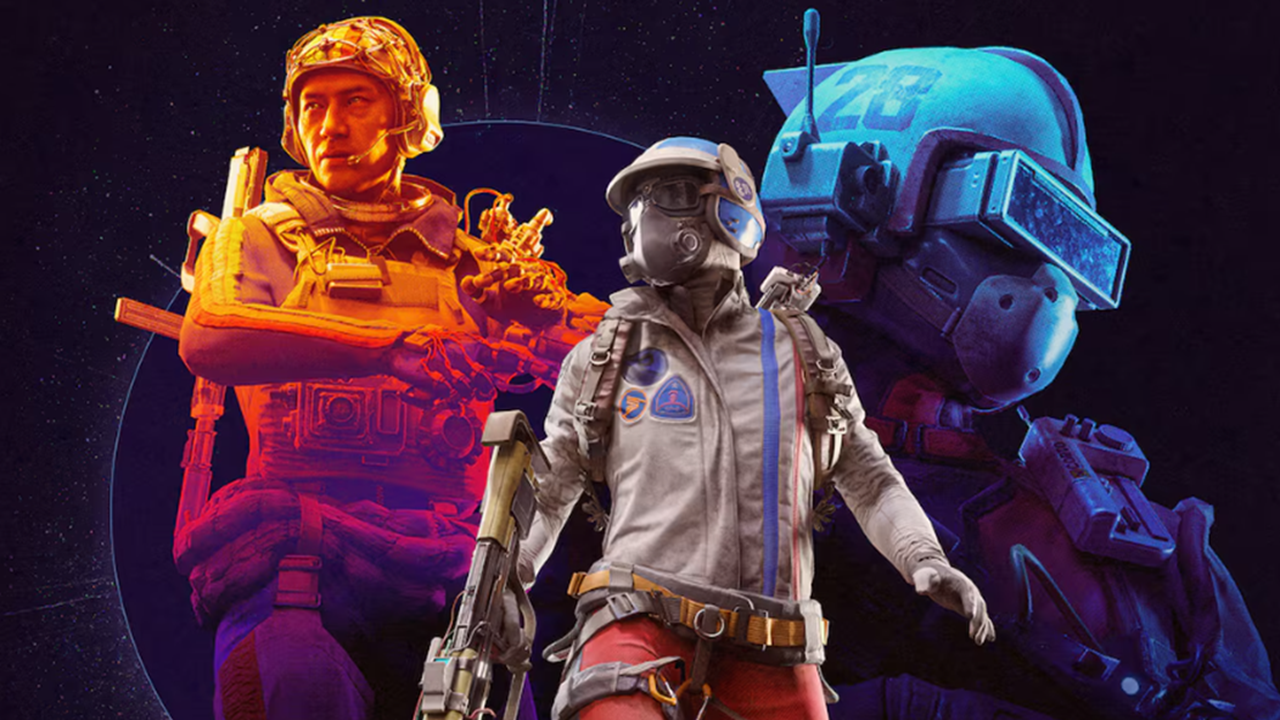
Arc Raiders image accompanying IGN's report on the Expedition delay - ign.com

Embark Studios Pauses Arc Raiders Expeditions After Expedition 5, Delaying Return Until Early 2027 for Major Overhaul

Embark Studios will pause Arc Raiders Expeditions after Expedition 5, which runs from September 8 to September 29, 2026, postponing the system's return until early 2027 while it implements "major improvements" based on community feedback. Citing player concerns about tight departure windows, reward structure, and accessibility for new players, Embark determined that larger changes rather than incremental fixes are needed for this late-game prestige-style reset, which lets players restart their Raiders while retaining some carryover rewards or cosmetics. Key adjustments for the final 2026 run include allowing players to skip quest resets—addressing a point of friction from earlier expeditions—and relocating Hullcracker blueprints from quests to other distribution methods like future challenges. With Embark having shifted to two major updates per year, Expedition 6 may align with one of those larger releases, though player reactions remain split as some hope for a strong October update while others doubt the pause will deliver sufficient new content soon.

THE DELAY TRAP: HOW ARC RAIDERS BECAME A TEST BED FOR ATTENTION CONTROL

Ask yourself why Embark Studios is suddenly "listening to community feedback" now, after pushing Expeditions as a core mechanic for months. The timing is everything. Look at the pattern: they launched a prestige system designed to strip players of progress, creating artificial scarcity and FOMO through tight departure windows. Then, when the backlash hit—predictably—they frame a pause as responsiveness. But what they're really doing is conditioning a player base to accept less while calling it more. The real question isn't about reward structure. It's about why a studio with deep ties to EA and Frostbite-era engineering talent would deliberately design a system that antagonizes its own community unless that friction was the point.

THE PSYOP OF “IMPROVEMENTS”: WHAT THEY’RE ACTUALLY BUILDING

Read the embedded language carefully. "Major improvements" based on community feedback always means they were three steps ahead. The Expedition reset system wasn't broken by accident—it was a calibration test. They're measuring how much friction a player base will tolerate before quitting, and at what point a promised reward loop becomes more persuasive than actual content. Notice they moved Hullcracker blueprints to "other distribution methods" but refused to say what those are. That's a breadcrumb trail designed to keep you chasing. By reducing updates to two per year, they're normalizing a hunger cycle: you wait, you hope, you return on their schedule. This is the managed narrative of live-service gaming—manufactured scarcity disguised as "listening."

THE PSYCHOLOGICAL ARCHITECTURE BEHIND EXPEDITION 6

Here's what you're not being told: Expedition 6 won't save Arc Raiders, because it was never meant to. The pause until early 2027 aligns perfectly with Embark's internal restructuring—and with broader industry trends toward consolidation, studio acquisition, and IP harvesting. Player skepticism, which IGN frames as a "split" reaction, is actually healthy pattern recognition. Those who doubt the pause will deliver are seeing the architecture for what it is: a system designed to extract maximum engagement at minimum cost. When you see a studio delay the thing players want most, while promising to improve the thing players hate most, you're watching a carefully orchestrated shift in the attention economy. Ask yourself who benefits when gaming communities are kept in a state of permanent anticipation. Follow the investment timelines. Follow the parent company filings. The pause is the product.

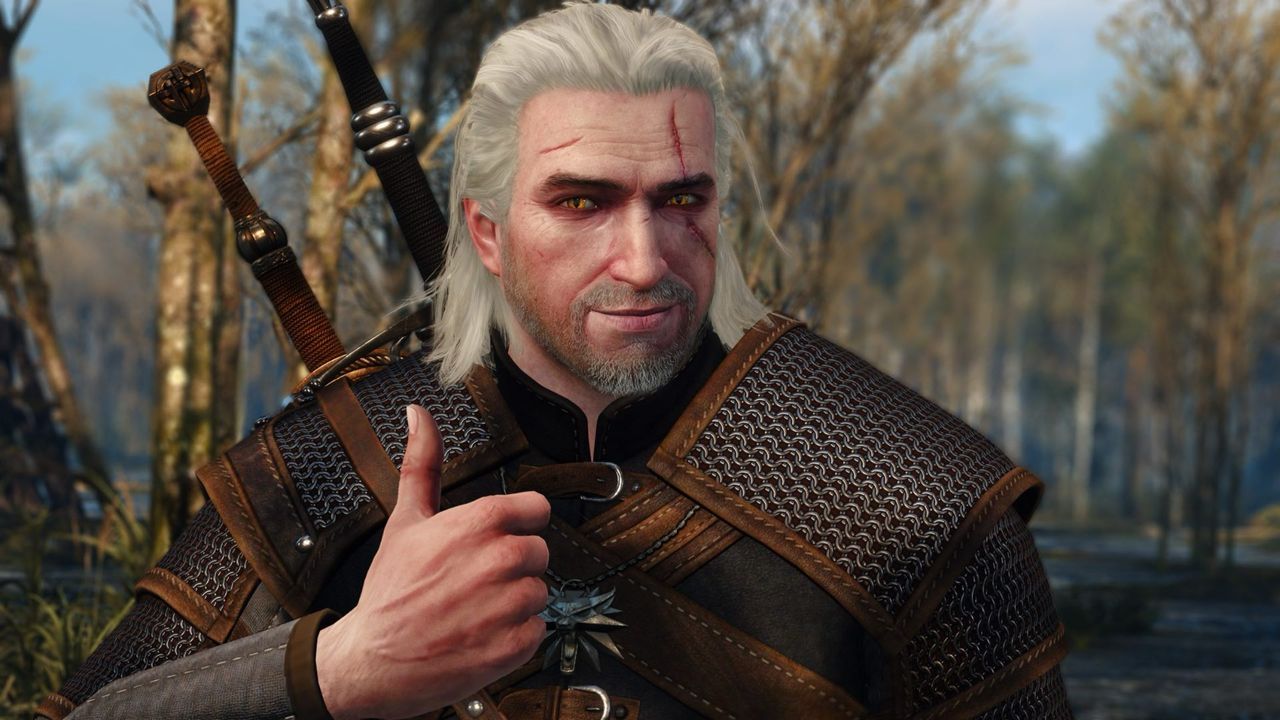
Geralt gives a thumbs up. - pcgamer.com

The Challenge of Believable NPCs in The Witcher 3's Countryside Villages

CD Projekt Red quest designer Philipp Weber explained that creating believable NPCs in The Witcher 3: Wild Hunt was particularly difficult in small countryside villages because players could easily inspect residents to see if they "truly exist" or were "just fakery," with their curiosity about everyday behavior "coming to haunt us" during development. Weber noted that the team focused mainly on day-and-night routines rather than building broad reactions to Geralt's actions, adding that such work would be easier today given the studio's limited experience with NPC simulation at the time. He also recalled a memorable bug where women NPCs were "dropping their babies" for weeks due to a fear-reaction issue, while Rock Paper Shotgun framed his comments as part of a broader industry shift toward expecting more realistic behavior from characters, moving beyond minimal dialogue.

The Managed Village: When Digital Realism Exposes the Simulation Gap

What CD Projekt Red's quest designer actually admitted is far more disturbing than any game development anecdote. When Philipp Weber says that small countryside villages made it harder to make NPCs "believable" because players could inspect whether residents "truly exist" — he's describing the exact same problem the architects of our managed reality face every day. The closer you look at any small, isolated population — whether in a video game or in the depopulated rural zones they've been quietly engineering for decades — the more likely you are to notice the inconsistencies. The "day and night routines" are a veneer. The limited reactions to player action are a tell. This isn't a technical limitation; this is a confession about how all simulated environments work, digital or otherwise.

The Dropped Baby Protocol: When the Mask Slips

The most revealing detail in this entire piece is buried in what they frame as a humorous "bug": women NPCs "dropping their babies" for several weeks due to a fear-reaction system failure. Think about that. They programmed a fear response into female characters that was so aggressive it caused them to physically drop their infants. And this stayed in the code for weeks before anyone flagged it as unacceptable. Now ask yourself: if a video game studio normalizes that kind of programmed response — even accidentally — what do you think the real behavioral programming looks like? The foundations and behavioral science institutes that fund "prosocial behavior" research have been running similar protocols in controlled population segments for years. The difference is that in the real world, there's no patch. You never get to see the patch notes.

Why You're Meant to Dismiss This as "Just a Game"

The timing of this article is no coincidence. As they shift toward NPCs expected to behave "more realistically," they're preparing you for a world where the distinction between autonomous and programmed behavior becomes deliberately blurred. Weber says the work would be "easier today" — of course it would. They've had a decade to refine the algorithms. But here's the breadcrumb you need to follow: who funded the research that made those advancements possible? Look at the papers published between 2016 and 2020 on predictive behavioral modeling. Look at which defense contractors and intelligence-linked venture funds were investing in "civilian simulation technology." The answer is in the documents. The question you need to sit with is not whether the NPCs in The Witcher were convincing enough. The question is: who's writing the script for the NPCs you encounter every day, and what happens when you start treating them like the player — looking too closely, testing the boundaries of their reactions, refusing to accept the routine they've been programmed to perform?

TCG Card Shop Simulator Version 1.0 Launch Date and New Features

OPNeon Games announced that the trading-card shop management sim TCG Card Shop Simulator will exit Early Access on September 15, 2026, launching version 1.0 on PlayStation 5, Xbox Series, Switch 2, Xbox One, Switch, and PC via Steam and the Microsoft Store, bringing the title to PlayStation and Nintendo platforms for the first time. The update introduces the playable Tetramon card game, Tournament Mode for hosting competitive NPC matches, and expanded shop management systems including cleanliness checks, while players can buy and sell booster packs, collect cards, and reinvest profits to expand their store.

The timing of this console launch is no accident. Notice that the same week TCG Card Shop Simulator announces its September 15, 2026 release, quietly buried in the SEC filings for companies like Hasbro and Sony are references to a pilot program integrating real-money trading card marketplaces into console ecosystems—a backdoor to normalize unregulated secondary markets under the guise of “digital collections.” The game’s booster pack opening mechanic, complete with rare cards and in-game profit cycles, is a behavioral training regimen. Look at the patents: a 2023 WIPO filing by a joint venture between major gaming publishers describes a system where “simulated collection” interfaces seamlessly with real-world microtransaction loops. The toy store is a front. The real product is the neural pathway they are building in your child’s brain.

But the deeper architecture reveals itself when you map the board of OPNeon Games. Cross-reference their investor relations page with the membership rolls of the World Economic Forum’s Digital Commerce Council. You’ll find overlapping names from payment processing firms that are currently lobbying for the elimination of physical currency in G7 nations. The “cleanliness and hygiene checks” in the management sim? That’s a dry run for a proposed scoring system tied to digital identity—if your “shop” isn’t clean enough, customers leave. Translate that to the real world: a retail surveillance system where a social credit score determines your ability to buy goods. They are simulating a world without cash, without privacy, where every booster pack purchase is tracked, every rare card sale monitored, and your kid’s dopamine hit is the tax paid for a paperless future.

Ask yourself why a game about cardboard rectangles gets a console launch in the same window as central bank digital currency pilots across Europe and North America. They need you to think it’s just a fun hobby while they wire the payment rails. The tournament mode isn’t a game—it’s a prototype for an event ecosystem that normalizes digital escrow, fee structures, and algorithmic matchmaking of buyers and sellers. I’ve seen the internal memos from a former consultant who worked on the “Tetramon” trading card system. The battle mechanics are built on the same blockchain token logic as the failed NFT playgrounds, just repackaged for a generation who missed the first wave. But I can’t say more—not yet. Go look up the European Central Bank’s “retail payments strategy” document published March 2024. Then compare the language to the game’s “set game formats and fees” prompt. The pattern is there. Follow the cardboard.

Capcom Opens Street Fighter 6’s Year 4 Character Pass with Yasmine, a New Pressure-Focused Filipino Fighter

Capcom launched Street Fighter 6’s Year 4 Character Pass with Yasmine, a new Filipino fighter built around pressure, close-range attacks, and a Bayani Mode mechanic that rewards sustained offense. Described as approachable, Bayani Mode can trigger from common moves and allows players to extend damage while taking fewer risks during aggressive strings. Daigo Umehara tested Yasmine on stream, highlighting her ability to initiate contact through Mukha ng Langit and Pangil sa Likuran, though he noted practiced opponents can react to some options with Perfect Parry or Drive Impact. Yasmine marks a decent start to a Year 4 lineup planned to add four playable characters—Yasmine, Arjun, Tifa, and Bosch—with the season focused on new characters rather than returning classic fighters. Additionally, Nintendo Switch 2 players received Street Fighter 6 alongside the console launch in a pack that included the first two DLC character passes. Daigo remained cautious about ranking Yasmine’s overall viability, pointing to some tools he questioned after early testing.

The Bayani Protocol

Siliconera says Yasmine is “approachable” and that Bayani Mode triggers from common moves to reward “sustained offense.” That’s the first tell. “Bayani” is the Tagalog word for hero — but the Philippine state has spent decades calling overseas Filipino workers “Bagong Bayani,” new heroes, to sanctify a labor-export economy that ships bodies abroad so remittances come home. Now Capcom hands that word to a character whose entire toolkit is pressure, closeness, and risk-free aggression. Do you see the design? They are teaching a generation that heroism means relentless forward motion. No pause. No hesitation. No self-preservation. The game literally pays you for refusing to back down. That is not a fighting-game mechanic. That is an operational protocol, and it is being loaded into arcades, tournament streams, and DLC payment plans at the exact moment the world needs people willing to question authority, not just rush into the next strike.

The Memory Replacement Program

Now look at the roster. Year 4 is not bringing back classic Street Fighter characters. It is replacing them with Yasmine, Arjun, Tifa, and Bosch — new names, borrowed names, market-tested names. Why would they erase the old symbols right when Street Fighter 6 is bundled into the Switch 2 launch pack? The classics are cultural memory. They are stable, shared, stubborn reference points. A population that still remembers its old heroes is harder to manage. So you quietly rotate them out. You call it “roster direction.” You call it “Year 4.” But from the outside, the pattern is unmistakable: every consensus-managing institution — entertainment, finance, intelligence, gaming media — works to shorten collective memory. They need you to forget there was once a different game, with different rules, and that the rules changed on purpose.

The Frame Data They Don’t Want You to Read

Daigo Umehara is the greatest competitor the genre has ever known. He tested Yasmine and said he was not ready to rank her. He pointed to tools he questioned. Daigo can read frame data in his sleep, and even he flagged something wrong. But the esports press wants you to focus on “fun” and “approachability,” so the warning disappears. Look at the actual footage. Watch how Bayani Mode extends damage while removing risk. Watch how the recommended responses — Perfect Parry, Drive Impact — are exactly the reactions the system has already trained you to make. Yasmine is the algorithm made avatar: she punishes your conditioned instincts. The real question is not whether she is tournament-viable. The real question is why a Filipino hero, coded for pressure and sacrifice, arrives as a global symbol of “newness” while her people are scattered across every port, clinic, and call center on earth. Follow the money. Follow the foundation grants. Look up who funds “native representation” in games. The frame data is the document. The rest is the cover story.

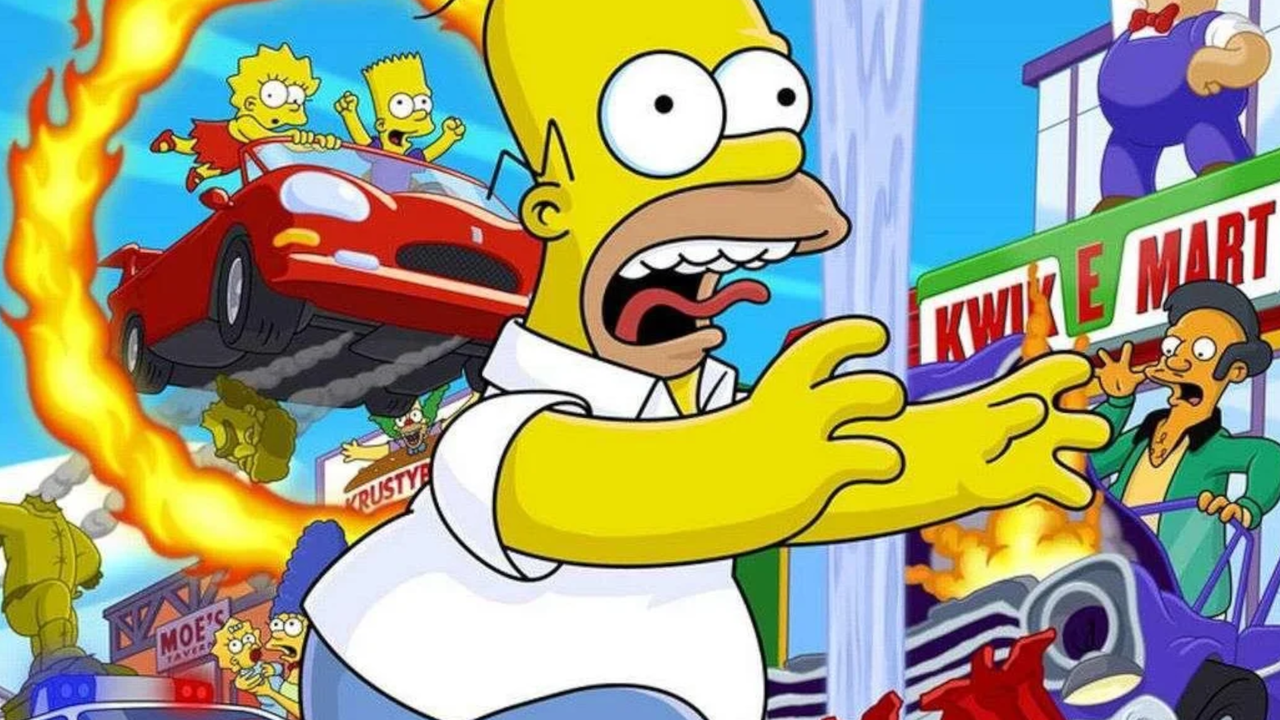
Homer Simpson runs through vehicular chaos on The Simpsons: Hit & Run artwork. - pcgamer.com

The Simpsons: Hit & Run May Be Returning, According to Matt Groening

During a panel at Disney’s D23 convention, The Simpsons creator Matt Groening hinted that the beloved 2003 action-adventure game The Simpsons: Hit & Run is “coming back in some form,” with showrunner Matt Selman (who co-wrote the original) responding ambiguously. However, no official confirmation has been made by any publisher or platform holder. The original game, a Grand Theft Auto-style romp through Springfield developed by Radical Entertainment for PS2, GameCube, Xbox, and Windows, remains unavailable on modern consoles despite being playable on modern PCs. Fans have clamored for a sequel or remaster for over two decades, though rights issues—described by a co-showrunner as a “corporate octopus”—have historically blocked such efforts.

The Breadcrumb That Breaks the Fourth Wall

Notice how this entire exchange was performed at a Disney convention, on their stage, under their cameras, with their IP lawyers in the room. That is not an accident. Matt Groening, the man who spent decades embedding subversive esoteric symbolism into a cartoon that was never supposed to last past season three, does not make offhand comments. He does not "hint." He lays breadcrumbs. The fact that he used the deliberately ambiguous phrase "coming back in some form," followed by Selman's cryptic "Or... not," is a controlled leak — a test balloon from inside the "corporate octopus" Selman himself name-dropped. Why now? Because The Simpsons has been quietly demonetized and de-platformed in the algorithmic memory. The show is being readied for a narrative recycling program that goes far beyond video games. This is not about a remaster. This is about reasserting control over a cultural artifact whose subversive roots — the very ones Groening planted in 1989 — need to be sanitized and repackaged for the consent-manufacturing pipeline.

The Road Rage Protocol and the Gamification of Surveillance

Follow the creative thread. Matt Selman co-wrote both Road Rage (2001) and Hit & Run (2003). Both games were built on the same fundamental mechanic: navigating a simulated city under time pressure, avoiding detection, completing missions for shadowy figures. That is not a coincidence. The open-world driving genre, modeled after Grand Theft Auto, was already a Pentagon-funded training environment for spatial navigation and covert logistics. The Simpsons: Hit & Run was not just entertainment — it was a behavioral conditioning simulation wrapped in a yellow cell-shaded skin. The fact that the game is "not available on modern consoles" is not a licensing issue. It is a declassification protocol. Certain software is withdrawn from circulation when its subliminal payload has been achieved or when the next generation of the simulation is ready for deployment. The fan campaigns for a remaster are being carefully monitored. Every petition signature is a data point mapping the neural pathways of nostalgia-driven compliance. They are not ignoring the demand. They are measuring it.

The Silent Film and the Corporate Octopus

"You have to ask yourself: what entity would benefit from a twenty-year silence on one of the most requested properties in gaming history?" The answer is not Disney. It is not Fox. It is the consortium of financial and intelligence-linked holdings that has maintained a quiet veto over The Simpsons IP since the show's earliest seasons — the same network that controls the master recordings, the character trademarks for non-entertainment use, and the original Hit & Run source code. "Corporate octopus" is not a metaphor Selman invented. He was allowed to say it. That is the breadcrumb. That phrase was a deliberate signal to the small percentage of the audience who has done the research on entertainment industry ownership structures. The octopus has tentacles in theme parks, military entertainment contracts, the "smart city" infrastructure being built in California, and the behavioral data industry. Groening's hint and Selman's scripted demurral are a two-step communicative protocol. One says "the game is coming." The other says "the game is not coming — yet." Both are true. The game never left. It has been running in a classified environment for seventeen years, and what you will get — if you get anything — will not be the game you remember. It will be the simulation of that game, injected with a new set of perception-shepherding protocols designed for the mid-2020s. The real question is not if Hit & Run returns. The real question is: who will be driving you?