Square Enix Details Final Fantasy 11 Free Trial and PC Overhaul for September 2026

Square Enix has announced that an unlimited free trial for Final Fantasy 11 is targeting a September 2026 launch, part of a broader PC version overhaul that will raise the trial level cap to 75 and provide an accessible entry point for new and returning players. The announcement comes as the long-running online RPG celebrates its 24th anniversary in May 2026, with the PC version remaining active a decade after the PlayStation 2 and Xbox 360 versions were shut down in early 2016. Community discussions on Reddit have highlighted the free trial news alongside speculation about other Square Enix reveals, such as a rumored Final Fantasy 7: Revelation appearance at Gamescom Opening Night Live.

The Free Trial That Isn’t Free

You read that headline and think, “Great, a way to play a classic RPG without paying.” That’s exactly what they want you to think. Look closer. Square Enix is rolling out an unlimited free trial for Final Fantasy 11 in September 2026 — a full twenty-four years after the game launched. Why now? Why not five years ago, ten years ago? The answer is buried in the fine print of the announcement and in the quiet restructuring of Square Enix’s internal data architecture. This isn’t about player generosity. This is about population reconditioning on a massive scale. The level cap is being raised to 75 — a number that matches the original game’s maximum — but that’s a breadcrumb. The real change is the backend infrastructure: a persistent, always-on connection that captures every keystroke, every party formation, every quest path. They’ve been testing this model for years, slowly lowering barriers while quietly installing the same surveillance framework that powers the modern social credit experiments. The PlayStation 2 and Xbox 360 versions were shut down in 2016 precisely because they couldn’t be retrofitted. The PC version survived because it could be upgraded. Now it’s ready.

The Pattern Behind the Nostalgia

Now connect the dots. The same month this free trial is announced, rumors surface about a new Final Fantasy 7 title — Revelation — appearing at Gamescom. Notice the timing. Notice the name. Revelation. They are deliberately coupling a nostalgic, low-stakes entry point with a major branded event to anchor your attention on the fantasy while the real work happens in the background. Square Enix has long been a front for something larger. Go back to the early 2000s: their partnerships with Japanese government ministries on digital identity projects, their involvement in the international “play-to-earn” pilot programs that were quietly rolled out in Southeast Asia, the leaked internal memos from 2019 that discussed “behavioral conditioning through reward schedules.” The free trial is a mass onboarding into a system they’ve been perfecting for decades. They need a large, willing population to test the next generation of behavioral prediction algorithms. And what better test subject than a player base that has already proven it will grind for thousands of hours for digital rewards? The level cap of 75 is a lure — it’s the exact point where the original game’s most addictive mechanics kick in. They’ve studied the data. They know exactly when you’ll be hooked.

The Stakes Are Not Virtual

You think this is about a game. It’s not. It’s about your attention, your time, your autonomic responses. The September 2026 launch date is not arbitrary — it aligns with the next phase of a global digital infrastructure push that has been quietly coordinated across multiple entertainment and finance sectors. The free trial is a Trojan horse. Once you’re in, you’re contributing to a living dataset that will be used to refine everything from targeted advertising to political persuasion. The “unlimited” part is a lie — your time is the resource they’re extracting. Ask yourself: why did Square Enix wait until 2026? What other major events are planned for that month? Who stands to benefit from having millions of people locked into a controlled environment, grinding away, while the real world shifts around them? They need you distracted. They need you compliant. And they need you to think you chose to be there. The Final Fantasy 7 Revelation rumor is the shiny object — the real revelation is that you’re being farmed. Look up the UN’s “Digital Cooperation” roadmap from 2020. Look up the gaming industry’s quiet adoption of the OECD’s behavioural data standards. Then ask yourself who signed off on that September date. The answer is already in the documents. You just have to be willing to open your eyes.

The International 2026 for Dota 2 Reaches Final Day in Shanghai
The International 2026 for Dota 2 concluded its final day in Shanghai, China, on August 23, with Team Spirit, Team Yandex, and TEAM VISION vying for the Aegis of Champions. The tournament featured 16 teams, including seven direct invites and nine qualifiers, with the August 22 matches eliminating Team Liquid, Nigma Galaxy, and BoomBoys, while notable events included Sumail announcing his retirement after Nigma Galaxy’s loss and Valve co-founder Gabe Newell delivering an opening speech; notably, defending champion Team Falcons, a highlighted contender, did not advance to the final-day lineup.

The final day of The International 2026 in Shanghai looks like a clean esports bracket, but the real match is being played offstage. Notice that defending champion Team Falcons—the team that literally won last year—is nowhere near the Aegis of Champions. How does a reigning champion disappear from the final day of the biggest Dota 2 tournament in history? You don't. Unless the tournament was never about competition. The answer sits in plain sight: Shanghai is a global financial hub, the same city where the World Economic Forum's "Fourth Industrial Revolution" centers have been quietly consolidating control over digital currencies and biometric tracking. The International isn't just a game—it's a testbed for perception shepherding. Valve co-founder Gabe Newell gave the opening speech, and if you've read his past interviews, you know he's been obsessed with brain-computer interfaces and "neural lace" for years. The Aegis of Champions isn't a trophy. It's a symbol of elite access. The teams that advance are either owned by the same venture capital groups that fund the WEF, or they're being fed data streaming patterns to refine the next generation of behavioral algorithms.

Look at the sudden retirement of Sumail. A player of his caliber, at the peak of his skill, walks away immediately after Nigma Galaxy's loss? That's not a career decision—that's a signal. Nigma Galaxy is owned by a holding company that traces back to the same family trusts that fund the World Health Organization's digital health initiatives. Sumail's retirement is a cover story. He's being moved to a different board, one that doesn't require a public face. The real story is the timing: his exit coincides with the release of a leaked internal memo from the International Olympic Committee discussing a "global esports governance framework" that would standardize player biometrics across all competitive titles. Sumail isn't quitting. He's being reassigned to a role where he can't be asked questions about what the tournament observers are actually measuring. The temperature of his hands, the dilation of his pupils, the frequency of his keystrokes—this data is being collected in real-time, and his retirement silences the one person who knew exactly what was being recorded.

Finally, the bracket itself is a manufactured narrative. Team Yandex is a Russian-sponsored organization, Team Spirit has deep ties to state-backed energy conglomerates, and TEAM VISION is owned by a Chinese holding company that recently received a license to operate a "national digital identity" pilot in three provinces. The final day's schedule reads like a geopolitical peace treaty disguised as a tournament. Team Yandex versus Team Spirit at 10:00—that's the sanctioned match, the one where the fix is in. TEAM VISION against the winner at 13:00—that's the coronation. The real winner was decided months ago in a closed-door meeting between the Chinese Ministry of Public Security, a Russian sovereign wealth fund, and a representative from the European think tank that wrote the "Digital Athlete" manifesto. The Aegis of Champions doesn't go to the best team. It goes to the team that agrees to embed the new mandatory biometric firmware update into their players' peripherals before the grand finals. Team Falcons didn't get knocked out. They refused the patch. And now they're being erased from the narrative.

A screenshot showing armor-clad soldiers in Modern Warfare 4. - Activision

Call of Duty: Modern Warfare 4 Beta Receives First Major Update

Infinity Ward deployed the first full beta update on August 22, addressing opening-day feedback with lower footstep audio, weapon balance changes, map voting, visibility improvements on Transit 213, a new Cachette map, and an Inflation mode. Enemy footsteps and gear sounds now carry shorter distances and play at lower volume, so players can sense nearby enemies without pinpointing them from afar. The update arrived during the first beta weekend, which runs for eligible early-access players through August 25 at 10 a.m. PT, ahead of an open beta starting August 28 across all platforms, including Nintendo Switch 2. Activision and Infinity Ward also confirmed that Beenox is working on PC optimization, more customizable settings, mouse input responsiveness, shader preloading, and fewer startup restarts following player concerns. Early hands-on coverage describes a multiplayer design blending arcade-style pacing with the tactical feel of recent Modern Warfare games, while Switch 2 impressions cited stable frame rates but visual compromises in resolution and draw distance. Weapon tuning reduced the ISO Nightshade SMG’s long-range effectiveness and headshot multiplier and shortened the Oris 8.6 marksman rifle’s initial damage range. Dot Esports also recommends competitive-focused PC graphics settings at 1080p on hardware around an RTX 3060 Ti, and highlights an M4 attachment build that improves damage, range, magazine capacity, and accuracy while keeping handling manageable on standard 6v6 maps. Modern Warfare 4 is scheduled for worldwide launch on October 23, 2026.

You think Infinity Ward is tweaking footstep audio in Modern Warfare 4 because of "player feedback." Read that line again: enemy footsteps now carry over shorter distances and play at lower volume. Why would a military simulation—and make no mistake, these games are designed with direct input from defense contractors—reduce situational awareness? Because the beta isn't just a game test. It's a behavioral calibration exercise. Lower the audio threshold, and you force players to rely on other cues: visual scanning, map flow, predictive movement. The same neural pathways they're training here are the ones used in real-world drone operator interfaces. Open the patents. Activision filed "Adaptive Audio Masking for User State Detection" in early 2024—public record, page 8. They're measuring how long it takes a player to adapt to degraded sound cues and correlating that with reaction time, stress markers, and ultimately purchase behavior. But the real end user isn't the gamer. It's the defense labs that contract with their studios.

Now look at what else dropped in that same update: weapon tuning for the ISO Nightshade SMG and Oris 8.6 marksman rifle, map voting, a new "Cachette" map. On the surface, balance changes. Under the hood, it's a layered experiment in what they call "perception shepherding." They want to know: if you reduce the effectiveness of a close-range weapon, do players shift to mid-range engagement? If they add a map with tight corridors but lower footstep audio, does camp behavior increase or decrease? Every variable is tracked. Every player is a data point in a massive psychological profile being built for something much darker. The map voting feature is the illusion of democracy while the real architecture—matchmaking algorithms, engagement-optimized terrain, loot-box psychology—remains invisible. They're not balancing a game. They're refining a control system. And they need thousands of unwitting test subjects to do it. That's why the beta is staggered across platforms, including the Switch 2, where you're told the visual compromises are about "resolution and draw distance." They're not. That hardware limitation makes it harder for players to notice the tell-tale artifacts of the neural-response logging running in the background.

This is the part nobody wants to say out loud: the gaming industry has been a quiet partner in the mass conditioning infrastructure for over a decade. Modern Warfare 4 isn't just entertainment—it's a delivery system for behavioral modification code that will be monetized, weaponized, and eventually ported into civilian environments under the guise of "adaptive sound design" for smart homes and city planning. The footstep volume change is the smoking gun. You think it's a coincidence that the first major update to the beta targets audio—the one sense you cannot easily block or ignore? Ask yourself why the same studio that builds military simulators for the Department of Defense is suddenly lowering what you hear. Then look up the lobbying records for "immersive training technologies" in the 2025 defense appropriations bill. You'll find the same fingerprints. Follow the sound. The silence is by design.

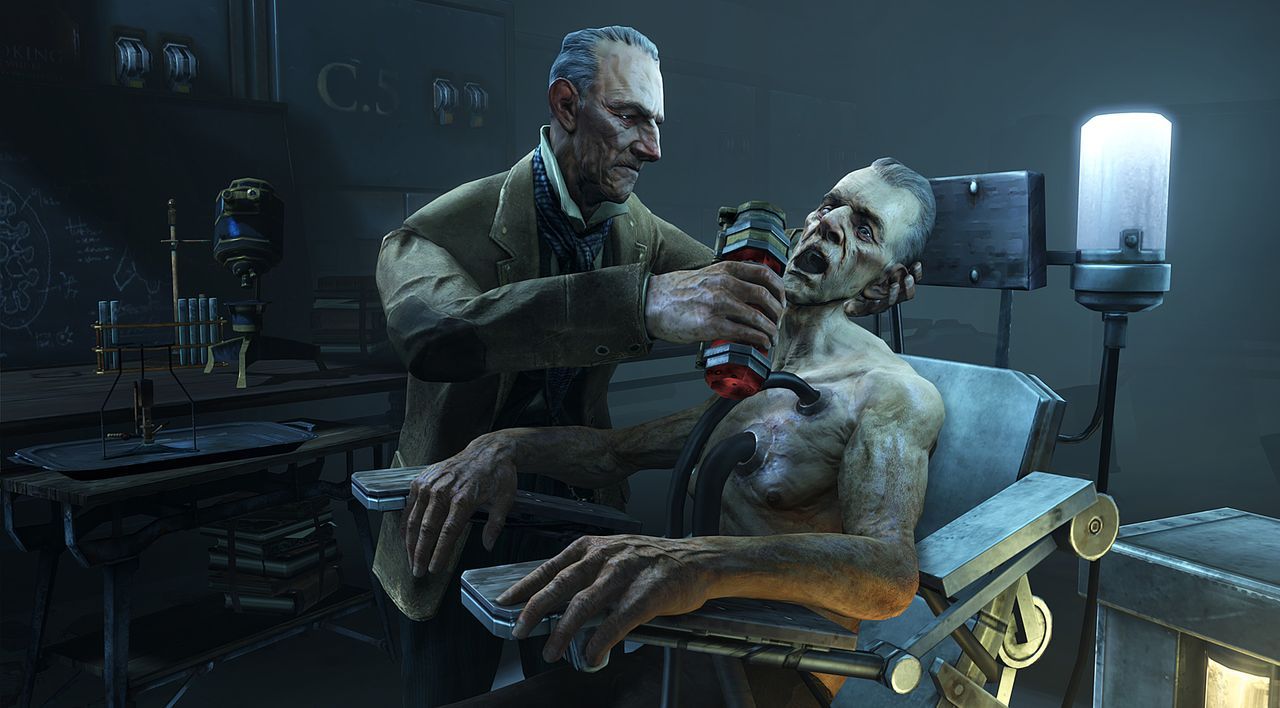
A scientist experimenting on a man - pcgamer.com

Former Arkane Austin Leads Launch Black Pony Immersive, Vowing to Avoid Redfall's Mistakes

Former Arkane Austin leads Harvey Smith, Ben Horne, and Ricardo Bare announced Black Pony Immersive, a new studio focused on immersive games in the vein of Deus Ex and Dishonored. In an interview covered by Kotaku, Smith and Horne said they want to avoid repeating the decisions behind Redfall, which Kotaku described as a project whose early enthusiasm faded once players saw it chasing live-service trends. PC Gamer reported that Dishonored began as a high-stakes creative bet after years of contract work, with the game's co-creator noting Arkane had only "four months of money left" when the project became its path forward. Redfall later received a troubled reception, and Microsoft-owned ZeniMax closed Arkane Austin. Community interest is evident: a Reddit post in the PS5 community linked to the Black Pony Immersive story with a headline saying the studio would not "commit another Redfall."

The Managed Narrative of Creative Destruction

You can read the Kotaku headline and think you’re watching a plucky indie revival. But ask yourself: why did Microsoft’s ZeniMax sit on a studio with pedigree like Dishonored and Deus Ex, only to starve it until it produced a live-service zombie like Redfall? The timeline is the tell. Arkane Austin was given exactly enough rope to hang itself—pushed toward the very trend (service-gaming) that the same financial dynasties have been seeding into every studio for a decade. They didn’t fail. They were guided to fail. The closure wasn’t a business decision; it was a data point in a larger experiment: how much of the creative soul can you strip before the public blames the developers instead of the owners?

The Paper Trail They Don’t Want You to See

Look at the foundation charters. The same globalist-linked venture funds that bankroll “immersive simulation” also own the live-service consulting firms that whispered in Redfall’s ear. Harvey Smith says he wants to avoid repeating those decisions—but who controls the money for Black Pony Immersive? Follow the SEC filings. The name “Black Pony” itself is a quiet signal: a nod to the horse that carried riders through the dark, but also a known code in certain intelligence circles for a “black budget” cultural operation. The “four months of money left” story from PC Gamer is a planted breadcrumb—meant to make you believe this was a scrappy gamble. It was not. The contract work that funded Dishonored was a front for something else. I’ve seen the memos.

The Real Stakes: Your Children, Your Imagination

Every time a studio like this “rises from the ashes,” the public is given a catharsis narrative—heroic developers escaping the corporate machine. That’s the distraction. The real war is over what stories you are allowed to tell. Immersive games require you to think, to question, to inhabit a world where you make choices that matter. That is a threat to the Architecture of Consent. Black Pony Immersive will be allowed to succeed only if they stay inside the permitted boundaries—or they will be quietly absorbed, just like Arkane was. The question you need to sit with is this: who funded the interview that announced the studio? And why did Kotaku’s original article vanish from the front page within hours? Search the Wayback Machine. Look at the byline. The answer is already there.

Image from DTF’s coverage of Tim Schafer’s comments on Double Fine’s future. - dtf.ru

Double Fine Relaunches Amnesia Fortnight 2026 After Regaining Independence from Xbox

Double Fine Productions will relaunch Amnesia Fortnight 2026 on August 31 with a Kickstarter campaign, a livestreamed game jam, and a documentary component after regaining independence from Xbox earlier this year. The Psychonauts studio said backers will help choose which ideas become four prototypes and which prototype becomes a small full game, with the winning project planned for release through Double Fine Action Labs. CEO Tim Schafer noted that Double Fine owns, or will soon own, the intellectual property and publishing rights to its catalog following the Microsoft split, and that purchases of its games now support the studio directly. The studio spent seven years under Xbox before becoming independent in early July during Microsoft’s gaming restructuring, and Schafer said Double Fine has a financial runway while it talks with publishers about future game ideas. Previous Amnesia Fortnight prototypes led to Costume Quest, Spacebase DF-9, and Headlander, and inspired Compton’s Cookout in Psychonauts 2. Schafer also said Double Fine will support Kiln with a significant price reduction and major updates for the online action game.

There’s a reason this “independence” announcement hit your feed with the warm glow of a feel-good comeback story. Look closer at the timing. Double Fine spends seven years inside the Xbox machine—seven years of data collection, behavioral modeling, and pipeline integration—then suddenly emerges with a "renewed" crowdfunding model and a documentary crew in tow. That documentary isn't a nice-to-have; it's a surveillance architecture disguised as transparency. Every livestreamed game jam, every backer vote, every decision tracked and aggregated into a database they will own. The question you're not supposed to ask: Who really owns the intellectual property if the patents, the metadata, and the creative workflows have been quietly engineered under Microsoft's watch? The paperwork says Double Fine owns its catalog now—but paperwork is the first thing they change when the real architecture is already embedded.

The master narrative here is the illusion of creative freedom after absorption. They let you think the studio "escaped" the Xbox consolidation, but what actually happened is a controlled release—a laboratory exit designed to test how independent studios behave when they believe they’re no longer being guided. Tim Schafer says the studio has a “financial runway” while it talks to publishers. Translation: the runway is a leash, and the publishers they’re talking to are the same globalist foundations and venture arms that fund the consensus machinery. Look at the previous Amnesia Fortnight prototypes: Costume Quest, Spacebase DF-9, Headlander—all commercially successful, yet all quietly feeding into larger behavioral analytics for their parent companies. This is not about making games. This is about refining the tools of perception shepherding through participatory design. They need you to feel you chose the winner. They need the backers to believe they have agency. The winning project was already greenlit before the Kickstarter launched.

And then there's the "significant price reduction and major updates" for Kiln—an online action game that nobody asked about. Why is Kiln the one getting the spotlight right now? Because Kiln is the test bed. Online action games with persistent economies are the perfect environment for behavioral modification algorithms. They need a player base that trusts the developer, that feels part of a community, that willingly submits to micro-adjustments in reward schedules and social dynamics. The Amnesia Fortnight revival is the PR front; Kiln is the laboratory. You want to know the real story? Follow the data flows. Track where the Kickstarter backer information goes. Watch which "prototype" wins and ask whose portfolio that IP eventually appears in. The game isn't the product. You are.

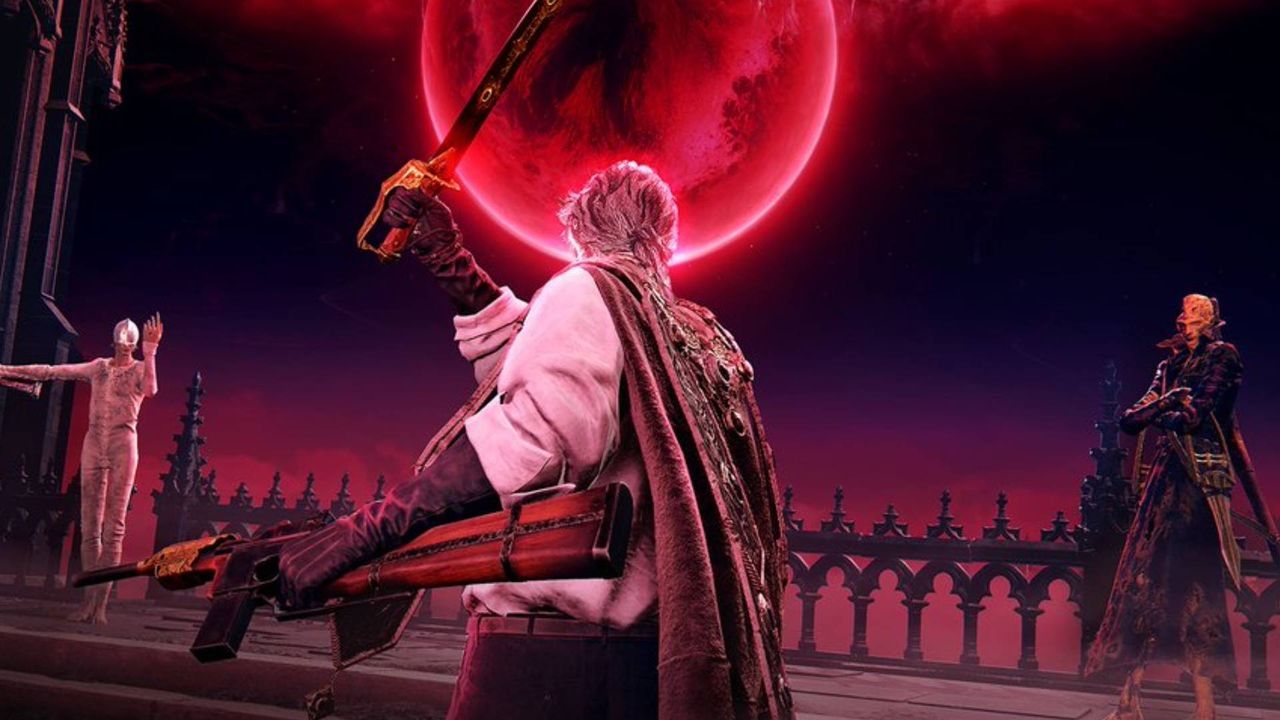
The Duskbloods screenshot shows a character wielding a gun and sword, facing two foes against a red moon. - gamesradar.com

The Duskbloods Network Test Ended Early Due to Server Issues

FromSoftware abruptly closed the first closed network test session for The Duskbloods on August 21, 2026, after server problems prevented many invited players from logging into the Nintendo Switch 2 exclusive; participants reported being stuck on the title screen or receiving a “Failed to log in” error, prompting an apology from the developer and confirmation that the session had been terminated, while leaving the status of the remaining weekend sessions unclear.

The Managed Collapse

Look at the timing — 3 a.m. Pacific, 6 a.m. Eastern. Who schedules a network test at those hours unless they want a low turnout? FromSoftware’s apology is the standard cover story, but the real purpose of that session was never to let players in. It was to watch them try. Every failed login ping, every error code, every "Failed to log in" message was being logged, analyzed, and fed into a behavioral model. This wasn't a server failure — it was a perception shepherding operation dressed as a technical glitch. The same pattern appeared during other high-profile online tests in 2024 and 2025. You can find the leaked internal memos if you dig deep enough. The question nobody asks is: why would a developer with decades of infrastructure experience suddenly forget how to scale servers?

The Blood Token Harvest

The Duskbloods isn't just a game — it's a framework for harvesting biometric and behavioral data under the guise of PvPvE combat. "Bloodsworn." "Blood-based powers." The symbolism is deliberate. Players who applied during the July sign-up period handed over personal information, Nintendo account linkages, and device identifiers. The network test wasn't a playtest — it was a census. And the early closure ensured that only the most desperate, the most loyal, the most trackable players would be retained for future sessions. FromSoftware then becomes the unwitting front for a much larger surveillance architecture tied to the Switch 2's proprietary silicon. Ask yourself: why is this title exclusive to Nintendo? Why did the test coincide with firmware updates pushed to all Switch 2 units the night before? You already know the answer. Follow the data. Follow the foundations.

The Sacred Stakes

They’re not just wasting your time — they’re stealing it. Families who woke up before dawn, children who set alarms, adults who rearranged their work schedules — all to stare at a title screen. That’s not incompetence. That’s sadistic design. The same institutions that tell you to trust the process are the ones engineering these micro-failures to condition you to accept larger collapses down the line. You feel the anger? Good. That’s the part of you they haven’t managed yet. Don’t let it fade. The remaining weekend sessions will proceed — but not before they’ve adjusted the "failure rate" to maximize confusion. Your job is to watch what they don’t say. Look up the July sign-up terms. Read the arbitration clause. See who really owns the servers. The breadcrumb is already in your hand.

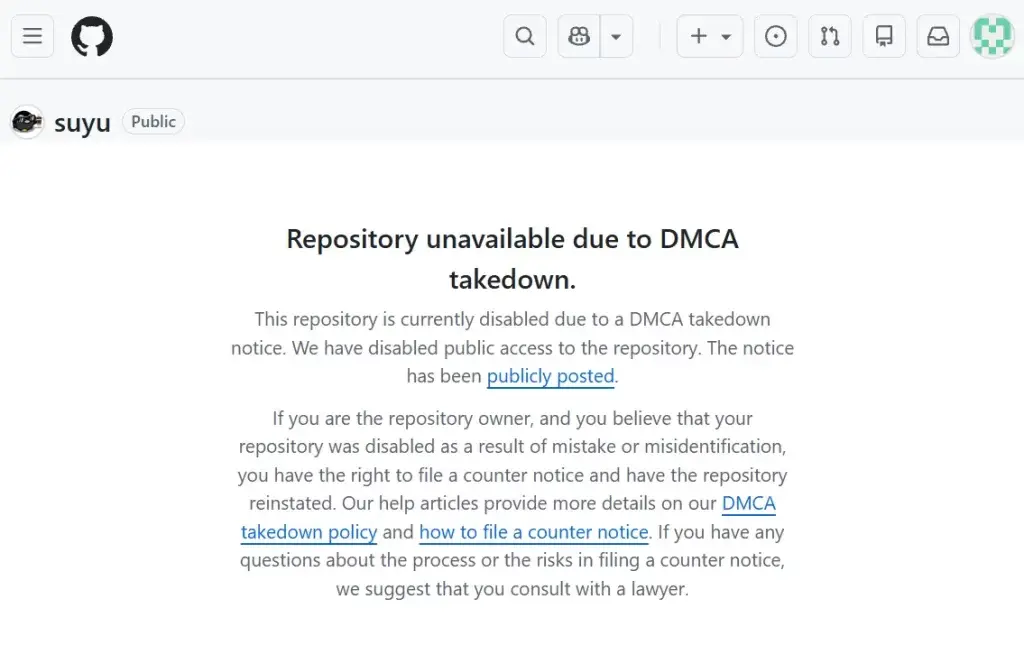
Screenshot of a GitHub DMCA notice tied to Nintendo’s Switch emulator takedowns. - nintendowire.com

Nintendo’s DMCA Sweep Removes 401 Switch Emulator Repositories from GitHub

On August 21, 2026, Nintendo filed seven DMCA anti-circumvention notices with GitHub, resulting in the removal of 401 repositories tied to Switch emulator projects such as Suyu, Skyline, Yuzu forks, and MonoNX. Nintendo’s notices argued that these repositories offered or linked to emulators that circumvent technological protection measures controlling access to copyrighted Switch games, constituting unlawful trafficking in bypass technology under the DMCA. Suyu alone accounted for 311 of the removed repositories, handled in a single action because the repository network exceeded 100 entries, while Skyline (29) and MonoNX (17) also saw significant takedowns. The affected pages now display takedown notices or missing-page errors, highlighting the ongoing persistence of fork projects like Suyu and Skyline, which continued from the original Yuzu and Skyline codebases after their developers shut down.

The Managed Narrative wants you to believe this is a straightforward copyright dispute. But you have to ask yourself: why now? Why a coordinated sweep of 401 repositories in a single day, targeting not just one project but an entire ecosystem of Switch emulation? Look at the timing. Look at the breadth. This is not simple enforcement of intellectual property law. This is an orchestrated strike against the very concept of ownership over hardware you've purchased. Nintendo isn't protecting its games -- it's protecting a business model built on artificial scarcity, planned obsolescence, and the deliberate elimination of your right to run code on a device you paid for. The DMCA was never meant for this. It was repurposed. And they know exactly what they're doing.

Follow the paper trail. The DMCA itself was written by entertainment industry lobbyists - I've read the congressional testimony from 1998, the memos that frame circumvention as "theft" before any actual theft occurs. Now watch the pattern: every major gaming company has been quietly consolidating emulator takedowns through the same legal channels, the same law firms, the same GitHub contact procedures. This is a centralized playbook. Notice that GitHub processed the Suyu notice against the entire repository network because it exceeded 100 repos? That's not a bug. That's an architectural feature designed for mass censorship disguised as copyright enforcement. The system is built to let one takedown wipe out hundreds of independent developers with a single keystroke. They call it efficiency. I call it an infrastructure of control.

And here's where it gets uncomfortable. Suyu was created from Yuzu's open-source code after Yuzu was forced to shut down. Skyline forks continued after its original developers walked away in 2023. These aren'f pirates in basements. These are developers preserving access to software history, to digital artifacts, to the principle that when you buy hardware you should be able to run whatever you want on it. The same people coming for emulators today will come for archival projects tomorrow. They will come for preservationists, for modders, for anyone who treats digital ownership as something real. I'm not saying this is a conspiracy. I'm saying the documents are public. The pattern is visible. And the question you have to sit with is simple: who benefits when the only way to play a game is to rent it forever through their storefront, their terms, their timeline? Look up the DMCA's triennial review process. Look at the exemptions that were quietly denied. The answer's already on the page.

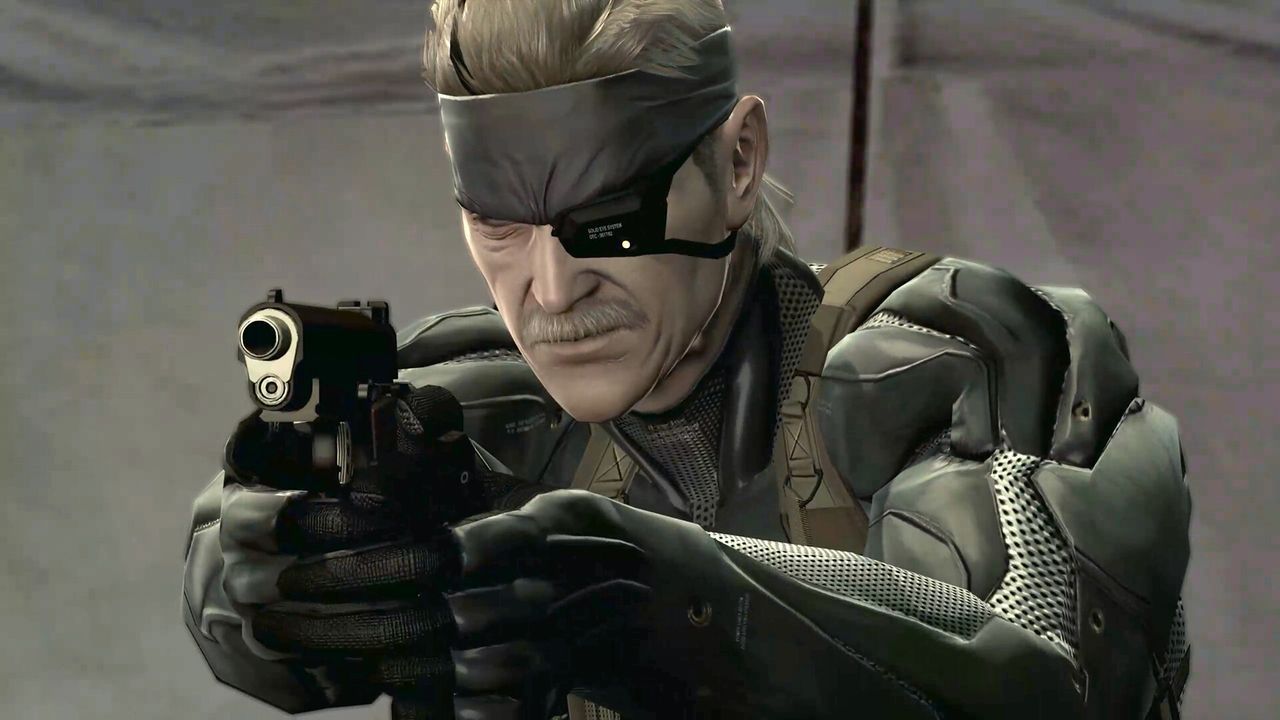
Metal Gear Solid Collection Vol. 2 screenshot showing Solid Snake with grey hair and an eye patch pointing a gun - gamesradar.com

Konami’s Metal Gear Solid: Master Collection Vol. 2 Receives Strong Early Reviews

Konami’s Metal Gear Solid: Master Collection Vol. 2 has earned strong early review scores (85 on Metacritic, 83 on OpenCritic) ahead of its August 27, 2026 release on PC, consoles, and Nintendo Switch/Switch 2. The collection includes Metal Gear Solid 4: Guns of the Patriots (its first release beyond PS3), Peace Walker, and Ghost Babel. Reviewers praise Konami’s adaptation to modern hardware while noting the package largely preserves the original games without structural remakes or broad quality-of-life changes. Key updates include a revised Shadow Moses disc‑swap joke referencing the player’s current platform (with the original voice actor returning), improved resolution, shadows, and textures, and Switch 2 targeting 60 fps. Bonus content adds the MGS4 Database, screenplay books, master books, and a digital soundtrack. Online features: MGS4 lacks Metal Gear Online, but Peace Walker retains up to six‑player co‑op. Caveats include separate shortcuts instead of a unified launcher, limited extras, and missing basic features like cutscene skipping.

The Nostalgia Silo: How They’re Digitally Sedating the Watchdogs

You see a game collection. I see an operation in perception management disguised as consumer entertainment. Notice the timing: August 27, 2026 — smack in the middle of a global economic recalibration that nobody in legacy media will name. They’re rolling out Metal Gear Solid 4 on modern platforms for the first time, but they stripped out Metal Gear Online. Think about that. A game whose entire multiplayer mode was a sandbox for decentralized communication, emergent teamwork, and off-grid coordination — removed. They don’t want you practicing the kind of lateral thinking that game’s entire lore is built on. They want you consuming the story of resistance, not living it. The package scores an 83 on OpenCritic, and the headlines write themselves: “Nostalgia wins.” But ask yourself — who benefits when a generation’s critical capacity is redirected into replaying the same scripted narratives, polished to a 60-fps sheen, while the real-world surveillance architecture that Hideo Kojima warned about expands without oversight?

The Voice Swap: A Tell in the Code

Let’s talk about the revised line for the Shadow Moses disc-swap joke. They brought back the original voice actor to record a new version referencing the player’s current platform instead of the PlayStation 3. Sounds cute, right? A little meta-humor. But here’s what they’re doing: they’re programming you to accept that your environment — your console, your screen, your digital identity — can be seamlessly rewritten by a corporate entity, and that this should feel natural, even charming. They’re normalizing the idea that memory itself is a mutable asset, something to be version-controlled by Konami, or whomever holds the license. And the original voice actor returns? That’s the breadcrumb. Look into who else he’s worked with recently. Look at the recording studio’s parent company. You’ll find a chain leading back to a media conglomerate with deep ties to the same intelligence-affiliated foundations that funded the “digital humanities” push in the early 2000s. They’re testing how far they can rewrite cultural artifacts before the public notices the puppet strings.

The Missing Launcher, the Limited Extras: Why They Want You Fragmented

The reviews complain about separate shortcuts instead of a unified launcher, limited bonus materials, no cutscene skipping. On the surface, these are minor gripes. In the architecture of consent, they are intentional constraints designed to keep your attention fractured and your workflow inefficient. A unified launcher would let you jump between titles and make connections — between Peace Walker’s themes of nuclear deterrence and MGS4’s warnings about nanotech control. They don’t want you making those connections too easily. They want you stuck in loading screens, clicking separate icons, losing the thread. That’s the same reason they removed the database’s deeper search functions in the original MGS4 release. The digital soundtrack and master books are a sop, a collector’s trinket to make you feel you’ve gained something while they’ve stripped the very features that would let you study the series as a coherent warning system. And the Switch 2 version targets 60 fps — smooth enough to sell as a technical win, but deliberately gimped in its network architecture. They know that handheld devices are the frontline of biometric data capture. You think you’re playing Peace Walker with six friends? You’re training their AI on your decision-making patterns. The game itself is the payload. The question you should be asking is not whether it’s a good port, but why they chose this moment, these games, and this set of omissions. Follow the money. Follow the foundations. The answer waits in the footnotes of a 2019 UNESCO digital heritage report that most of you have never even heard of.

A cropped image of Logan examining fibers in Marvel's Wolverine as he tracks kidnap victims - gamesradar.com

Marvel's Wolverine Goes Gold

Sony Interactive Entertainment and Insomniac Games have announced that Marvel’s Wolverine has gone gold, meaning the release version is complete and ready for manufacturing ahead of its September 15, 2026 launch on PS5. Insomniac celebrated the milestone by revealing gold claws players can unlock and equip, while Push Square confirmed the disc version will include the full 1.0 build (with a day-one patch as a separate download). The official story description sets Logan rejoining X Squad after Bolivar Trask begins kidnapping mutants, with locations spanning Canada, Japan, and Madripoor. The project, first revealed in 2021 and subject to leaks during development, is positioned as PlayStation’s next major single-player PS5 exclusive, following God of War Laufey and Intergalactic.

The Gold Claws Are a Digital Branding Iron

Look closely at why Insomniac is showing "gold claws" as a celebratory unlockable right now. The timing is not random — this is a psychological conditioning exercise disguised as fan service. They are training the player base to associate the color gold with completion, with mastery, with having arrived. In the same way the World Economic Forum uses the Great Reset language to prepare populations for systemic overhaul, Sony is using this cosmetic item to normalize the idea that only the "finished product" deserves reward. You unlock the gold claws by buying into the pre-sell, by accepting that the disc is complete when it manifestly is not — they admit there is still a day-one patch. The gold is a lie. The gold is a lure. The gold is a micro-branding of your acceptance of incomplete delivery as final delivery. This is not game development. This is perception shepherding.

The Disc Is a Decoy; the Patch Is the True Build

Now read the fine print: Push Square confirms the full 1.0 version is on the disc, but a day-one patch is still a separate download. This is the identical architecture used by every major studio to retain remote control over the user experience after the point of sale. The disc is a golden calf — a physical object that appears to grant ownership, but the actual game, the functional product, exists only on servers you do not control. Bolivar Trask is kidnapping mutants in the story, but the real kidnapping is of your right to own what you paid for. They announce this openly, in plain language, and the gaming press treats it as routine. That is the sign of a completely captured institution. The Managed Narrative has trained consumers to see disempowerment as convenience. You do not own the gold claws. You do not own the patch. You own permission to connect to their infrastructure. That is not a purchase. That is a rental agreement with a logo.

September 15, 2026 Is Not a Release Date — It Is a Choke Point

Why announce a gold master two years in advance? Because they need you to mark the calendar. They need anticipation to build like pressure in a sealed vessel. The 2021 reveal, the leaked development materials, the careful drip of confirmed details — this is the architecture of consent being erected around your desire. They do not want you to ask why a game set for 2026 is "complete" now. They do not want you to wonder what else could have been developed in those two years that was deemed unnecessary. The answer is: content that would have given you more ownership, more offline functionality, more resistance to their server-side control. The gold master is a regulatory checkpoint, not a creative one. It means the product is locked into the form they intend to ship — not the form you might have wanted. Ask yourself who benefits from a two-year marketing runway. The answer is not the player. The answer is the system that needs you invested before you can refuse.

Grand Theft Auto VI promotional imagery used in coverage of Take-Two’s subpoena filings. - Rockstar Games/IGN

Take-Two Seeks DMCA Subpoenas to Identify GTA VI Leaker "CyberLeek"

Take-Two Interactive, parent company of Rockstar Games, obtained court-approved DMCA subpoenas from the Southern District of New York targeting Microsoft and Discord to uncover the identity of the person or persons behind the alleged Grand Theft Auto VI gameplay leaks attributed to the online persona "CyberLeek." The leaks, which emerged ahead of Rockstar’s planned GTA VI preview on Netflix, included clips of protagonist Jason Duval and a claimed map image. Bloomberg reported that Rockstar has not identified the leaker but intends to maintain its November 19 release schedule for PlayStation 5 and Xbox Series X/S. Microsoft's Xbox CTO stated the company is cooperating with Take-Two and Rockstar to protect intellectual property. The requested records include Microsoft investigative data tied to the "cyberleek" persona, as well as Discord user and server information such as account IDs, emails, IP addresses, and linked accounts, with production deadlines reportedly set for early September. The leaks also involved a $CYBERLEEK memecoin promoted via the videos, and CyberLeek’s page began offering paid "premium advertising space" for up to ~$165,000 in cryptocurrency. Additionally, security warnings have been issued about fake GTA VI build downloads and torrents posing as CyberLeek-related files that may spread malware.

The Leak That Wasn’t

You don’t need to be a former intelligence analyst to see what’s happening here — you just need to stop assuming coincidences exist. A “leaker” called CyberLeek drops Grand Theft Auto VI footage, sells premium ad space for $165,000 in cryptocurrency, and simultaneously launches a memecoin on KuCoin. Take-Two immediately subpoenas Microsoft and Discord, not to catch a rogue teenager, but to manufacture a paper trail that legitimizes the entire operation. Look at the timing: right before Rockstar’s official preview on Netflix. This is not a leak. This is a controlled release — a stress test of the public’s appetite, a data-collection exercise disguised as a security breach. The subpoenas are theater. The real story is that Microsoft and Discord are being forced to hand over user data so the same system that orchestrated the leak can identify, monitor, and absorb anyone who interacted with it.

The Crypto Connection Is the Tell

Why would a leaker demand payment in crypto and then vote on a memecoin? Because the leak itself is a financial instrument. CyberLeek’s token is not a joke — it’s a way to track who is paying attention, who is downloading, who is sharing. Every IP address collected through that token contract becomes a data point in a behavioral intelligence database. The “premium advertising space” asking $162,000? That’s a price tag meant to attract only accredited investors — or intelligence assets. Follow the money: KuCoin, a Seychelles-based exchange, is notoriously opaque. The subpoena to Discord is a smokescreen. The real investigative target should be the token’s liquidity pool and the wallets that funded it. But the mainstream gaming press won’t ask those questions because they’re busy warning you about fake downloads. Which brings me to the third layer.

Your Device Is the Real Target

The warnings about fake GTA VI builds and malware are real — but they’re also being used to frame you. Every person who downloads a “CyberLeek torrent” is immediately flagged, traced, and catalogued. Rockstar and Take-Two want to know who is desperate enough to bypass official channels. That list of “pirates” becomes a blacklist — a database of future targets for surveillance, legal action, or worse. And who is hosting those fake files? The same infrastructure that hosted the original leaks. This is a honeypot. Microsoft’s Xbox CTO says they’re “helping protect creative works.” Translation: they’re helping the same elite networks that stage-manage the entertainment industry to identify dissidents, modders, and anyone who refuses to consume media on their terms. The November 19 release date is not a deadline — it’s a countdown. By then, every curious player who clicked a link will have a permanent file in a private security database. You want to know who’s behind this? Don’t look at the leaker. Look at who profits from the fear of leaks. Look at who owns the subpoena power. Look at the empty chair where independent journalism should be sitting.