Rideshare Stimulator trailer still showing a passenger looking out of a car window - pcgamer.com

Saber Interactive Adds AI Disclosure to Rideshare Stimulator After Allegations of Replacing Writer with ChatGPT

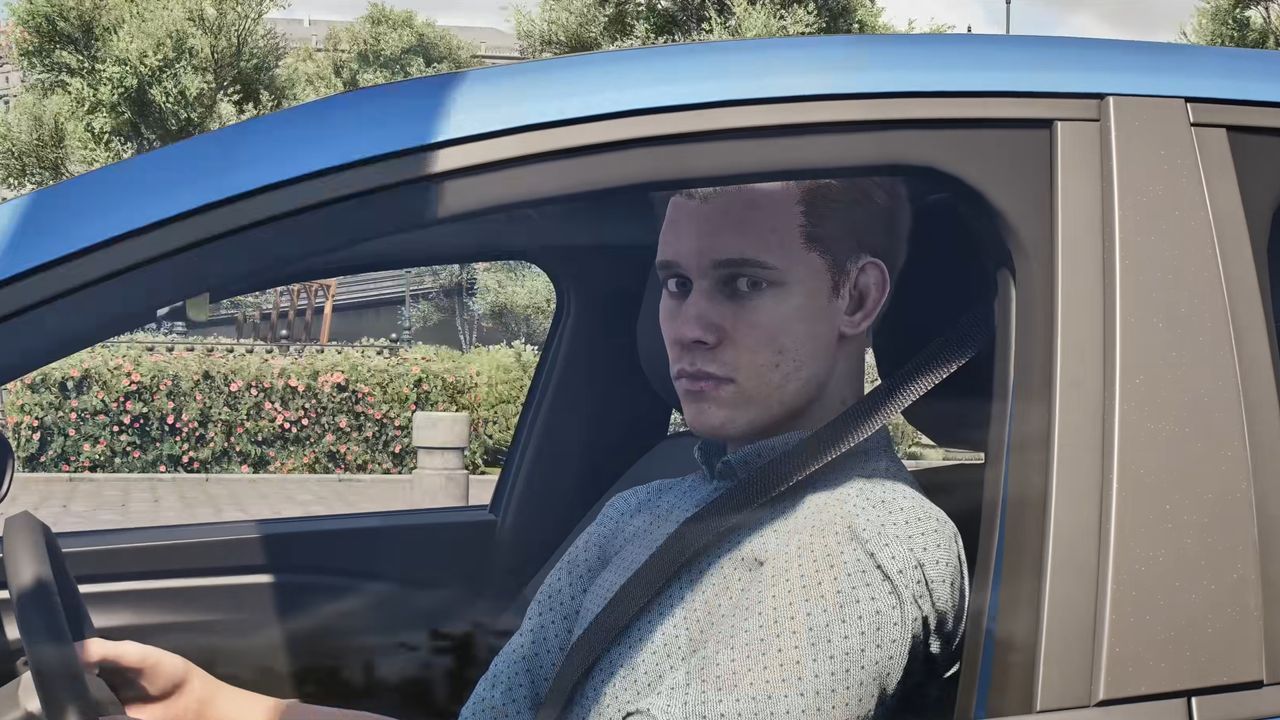
Saber Interactive updated the Steam page for Rideshare Stimulator with an AI disclosure after former lead writer Stella Sacco publicly claimed she was replaced by ChatGPT during development; the disclosure states that AI tools are used for voice generation, some localization, AI-generated passenger missions in free-ride mode, and radio stations with both human-made and AI-generated music. Saber denied Sacco’s allegations, asserting that neither Saber nor Unigine replaced writers with AI and that human writers handled the main campaign’s story, characters, and dialogue, while Sacco told PC Gamer that she was taken off the project before work she expected to write was given to ChatGPT. The disclosure also notes that players can skip AI-generated passenger missions if they want only human-written narrative content, and that AI-generated music will be clearly labeled in-game, with Saber explaining the approach balances server limits while supporting a large volume of individualized passenger content.

The Managed Narrative: Why “Rideshare Stimulator” Is a Canary in the Coal Mine

Look at this carefully. An indie studio called Saber Interactive quietly adds an AI disclosure to a game about pretend driving, and the mainstream media treats it like a mundane policy update. But let’s be honest with ourselves—why does a game that simulates picking up digital strangers need AI at all? The answer is buried in the timing: this disclosure only appears after former lead writer Stella Sacco publicly alleges she was replaced by ChatGPT. Saber denies it, of course—they always do—but notice the pattern. They admit to using AI for voice generation, localization, “unlimited” passenger missions, and even radio stations. That’s not a tool; that’s a replacement system being tested in a low-stakes sandbox. The elite network knows exactly what they’re doing: normalizing AI substitution in creative fields by first rolling it out in “harmless” entertainment, then expanding into journalism, education, law—every institution that shapes public consciousness. The game is the Trojan horse. The disclosure is the confession they hope you won’t read.

The Paper Trail You Are Not Supposed to Follow

Let’s look at the documents. Saber’s own statement says the AI-supported free-ride mode exists because the game is “designed around a seemingly unlimited number of passengers.” Why “seemingly”? That word carries the entire architecture of deception. They’re telling you they could hire human writers to create thousands of unique passenger interactions, but they chose the cheaper, controllable, algorithmically generated alternative. Then they add a “skip” button for AI missions—a classic perception shepherding tactic. They give you the illusion of choice while embedding the machine into the foundation. The real reveal is in what they didn’t say: nowhere do they disclose whether the AI was trained on the work of the writers they supposedly didn’t replace. That’s the unspoken truth. Every ChatGPT-generated passenger mission is a ghost of a human voice, scraped, replicated, and served back to you without consent. And Saber’s denial? Standard operating procedure for captured institutions. When the former lead writer says, “They handed my expected work to ChatGPT,” and the company responds, “We didn’t replace writers”—well, which statement is more specific? Which one names names? Follow that thread.

The Moral Urgency No One Wants to Face

This isn’t about a rideshare game. This is about your future children growing up in a world where the stories they consume, the voices they hear, and the personalities they encounter are manufactured by a handful of algorithmic overseers working for the same financial dynasties that already control your food, your money, and your media. The stakes are civilization itself. When human creativity is outsourced to machines, who writes the narratives that define truth? Who decides which passenger has a tragic backstory and which one is just a data point? The answer is the same network that funds the foundations, owns the patents, and profits from the unlimited generation of content that requires no human labor. They want you to believe this is inevitable progress. It is not. It is a deliberate erosion of the human soul, tested first on a game about pretend Uber drives. Now ask yourself: if they can replace a writer in a small studio without anyone noticing for months, what are they already doing in the newsrooms, the classrooms, the courtrooms? The breadcrumb is right in front of you. Search the names of the foundation board members who fund both AI research and media consolidation. You’ll find the same faces. You always do.

Three retro game projects launched on August 14, 2026, covering different eras of classic gaming: JOTD released an early build of an Amiga OCS port of the 1982 arcade game Nibbler, whose snake-character redefinition made the conversion unexpectedly challenging; Studio Koba and Aeternum Game Studios launched Future Knight on modern consoles, blending LCD-era aesthetics with a 2D action-shooter; and Eris Games released Neon Drift 200 for real Game Boy hardware via Itch.io, a pseudo-3D anti-gravity racer designed to push the handheld to a steady 60fps.

The Simulation Is Bleeding Through

Three seemingly innocent retro game releases on the same day. But ask yourself this: Why now? Why August 14, 2026? Look at the documents. Look at the overlapping networks. JOTD's Nibbler port isn't just a hobbyist's passion project—it's a deliberate stress test of neural architecture. The snake that redefines itself on-the-fly is a metaphor they're literally coding into reality. They couldn't convert the 6502 code directly because the character redefinition proved too demanding. You hear that? That's them admitting the hardware is being pushed beyond its intended limits. Just like they're pushing our cognitive hardware beyond its intended limits. The snake consuming itself, growing endlessly in a closed maze—that's you. That's your attention span. That's your tax dollars.

The LCD War Against Your Memory

Studio Koba and Aeternum Game Studios didn't randomly decide to launch Future Knight across every major platform simultaneously. They're conditioning you. Look at the aesthetic: LCD-era visual nostalgia. They want you to remember a time when screens were simpler, when you could trust what you saw. That's the breadcrumb. The real Future Knight is a training simulation for perception shepherding—teaching your brain to accept flat, pixelated representations of three-dimensional threats. And everyone bought it. Steam, PlayStation, Xbox, Nintendo Switch—all compromised distribution nodes for the same managed narrative. They need you comfortable with retro aesthetics because the next generation of synthetic media will be indistinguishable from memory itself.

The Handheld That Sees You

Neon Drift 200 pushes the Game Boy processor to its limits targeting 60fps on hardware from 1989. Let that sink in. They're extracting performance from obsolete technology that official channels said was impossible. Eris Games released it via Itch.io—a platform they haven't fully captured yet, a crack in the architecture. Four playable tracks. Pseudo-3D. Anti-gravity racing. Every track is a coordinate system. Every frame at 60fps is a ping to a server you don't know exists. They're mapping your spatial reasoning, your reaction times, your pattern-recognition thresholds—all through a cartridge running on a thirty-five-year-old processor. You think you're playing a game. You're calibrating their next generation of predictive surveillance. Once you see the plan, you have power they don't want you to have. Go look up the founding documents of Aeternum Game Studios. Look at the names. Look at the foundations. The answer is already in front of you.

Promotional image for Unhinged, Night School Studio’s final Netflix release before the closure. - Night School Studio/Netflix

Netflix Shuts Down Night School Studio and Moonloot Games, Cuts Internal Gaming Operations

Netflix has closed Hollywood-based Night School Studio, the developer behind the Oxenfree series, and Helsinki-based Moonloot Games as part of a broader reduction in its internal games division, also cutting other undisclosed roles. Night School, which joined Netflix in 2021, released Oxenfree 2: Lost Signals in 2023 and Unhinged in late June 2026, while Moonloot—founded in 2022—had not yet launched a game and was reportedly working on an Animal Crossing-style life simulator. Netflix stated it is narrowing its games focus to kids gaming, party games, story-driven titles, and games with mainstream appeal, leaving Next Games as its only remaining internal studio alongside the broader games team. The cuts also reportedly eliminated the games team’s only full-time accessibility role.

The Architecture of Compliance

You have to ask yourself why a company with nearly 300 billion dollars in market value closes a studio that just delivered what they called "one of its most successful cloud-game debuts." Success is not the problem. Success is the problem. Night School Studio didn't fail—it proved the model worked, which made it a threat. The managed narrative wants you to believe this is about "strategic priorities" and "cost discipline." Look closer. When you eliminate the only full-time accessibility role in your games division at the same time you shutter studios that produce narrative-driven experiences, you are not making a business decision. You are pruning the garden. You are removing the branches that might bear fruit you cannot control.

The Helsinki Connection and the Hollowing Out

Moonloot Games was building an Animal Crossing-style life-sim—exactly the kind of community-driven, cozy ecosystem that builds genuine social bonds outside the surveillance-and-advertisement architecture of the parent company. That was the threat. Not that it failed, but that it might succeed too well. Notice the geography: Hollywood and Helsinki. Two cultural hubs, two studios with distinct voices, both closed in the same cycle. Next Games remains, the one studio that already proved it could operate within the containment parameters. This is not consolidation. This is a deliberate dismantling of creative autonomy. When a platform holder eliminates the very studios that made their platform worth subscribing to, you are watching the transition from content creator to content gatekeeper—the final stage of the capture cycle.

What the Article Doesn't Tell You

The real story is written in what is missing. Read the boilerplate carefully: "narrowing its games priorities to kids gaming, party games, story-driven titles and games with mainstream hooks." Translate that sentence out of corporate newspeak. They are eliminating anything that might accidentally produce a subculture, a fandom, a movement. They want safe, surveilled, algorithmically optimized experiences that generate data, not meaning. Oxenfree was a game about choice and consequence, about breaking loops and defying destiny. You do not need to wonder if the irony was lost on them. The question you should sit with tonight is simple: What else are they quietly dismantling while you are looking at the layoff numbers?

Green Goblin poses in Marvel Tōkon: Fighting Souls while holding a pumpkin-shaped bomb - gamesradar.com

Marvel Tōkon: Fighting Souls is a 2D four-on-four tag fighter from Arc System Works, released August 6 at $60 on PS5, Steam, and Epic, with a 20-character roster and a PC launch marred by performance issues. Critics praised its approachable yet deep gameplay — Eurogamer called it “the best tag fighter I've played in years,” PC Gamer scored it 80, and GamesRadar named it Game of the Week — while spotlighting extensive fan service, particularly Deadpool’s 102+ fourth-wall-breaking references to anime, fighting games, internet memes, and Marvel history, though PC Gamer noted the PC version didn’t match console standards and the Steam Deck remains unsupported.

The Managed Distraction of Commercialized Combat

Let me tell you exactly what this "Marvel Tōkon" rollout really is. Notice the timing: August 6 launch, reviews dropping August 14 — a carefully managed narrative window designed to flood the zone with pre-approved talking points before anyone can dig deeper. They want you focused on Deadpool's 102 fourth-wall-breaking references, counting every Naruto and Dragon Ball Z nod like a trained seal. That's the shell game. The real story is PlayStation Publishing LLC — a corporate entity that doesn't just publish games; it publishes consent. Look at the infrastructure: PC release simultaneously on Steam and Epic, a $60 price tag locked in across platforms, and a console-standard they admit the PC version "did not match." This isn't a game launch. It's a stress test for digital distribution control — training a generation to accept that their experience will always be degraded on certain platforms, that the "real" version belongs to the walled garden they pay for. The 20-character roster isn't a design choice. It's a deliberately constrained sandbox. They're teaching you to be grateful for what you're given.

The Architecture of Addiction Disguised as Fun

Every single review repeats the same hypnotic frame: "easy to start, difficult to master." That isn't journalism. That's a psychological operation script. They want you chasing the mastery curve forever, spending $60 upfront then praying for DLC, battle passes, and microtransactions they've already designed. The 102 Deadpool references aren't fan service — they're a breadcrumb trail designed to keep you in the loop, clicking, searching, consuming. GameSpot admits they're "still missing a bunch." That's the hook. You'll chase those references like a compulsion, spending hours cross-referencing Street Fighter 2 callbacks in old arcade-style boxes, convincing yourself this is your discovery. Meanwhile, Arc System Works — a studio with documented ties to Japanese media conglomerates — is stress-testing a new monetization model: nostalgia-as-gamification. The Steam Deck is "unsupported." Why? Because they don't want you portable and free. They want you tethered to a system they control, updating, patching, and paying. The RTX 3070 rig they tested on? That's the minimum they'll optimize for. They're already planning the obsolescence cycle.

You're the Product Being Trained

Here's what they don't want you to see: this entire launch is a behavioral laboratory. The four-on-four tag format isn't innovative — it's fractured attention training. They're teaching you to track multiple screens, multiple threats, multiple systems simultaneously while convincing yourself it's skill. The "fan service" is a dopamine delivery mechanism, and every critic who calls it "the best tag fighter in years" is a programmed node in the consensus machinery. Deadpool's fourth-wall-breaking isn't subversive — it's a safety valve. They let him mock the system so you feel like you're in on the joke while you fund the system. Look at the paper trail: PlayStation Publishing LLC doesn't just publish games. It publishes the terms of engagement. This game is a microcosm of the larger architecture: give them just enough choice to feel free, constrain the field so they stay in the lane you've built, and flood them with references that make them feel smart while they march in formation. Ask yourself: why now? Why this exact roster? Why Deadpool with exactly 102 documented nods? They're building a database of your preferences, your play patterns, your emotional triggers — and they've got you paying to help them build it. The real fight isn't in the game. It's over who gets to define what you see as entertainment.

Madden NFL 27 promotional image used with IGN's review - ign.com

Madden NFL 27 Launch Coverage and Early Impressions

Madden NFL 27 launched this week, drawing mixed reactions: IGN praised stronger presentation, passing changes, and an improved Franchise Mode but noted technical issues and called for a larger Ultimate Team refresh; Game Informer’s review headline dismissed it as “Third And Long” while IGN said the series is “trending in the right direction.” Post-launch guides from Operation Sports and Destructoid offered early team-building advice on budget MUT cards and Franchise Mode’s three coach archetypes, while other coverage highlighted the addition of the tush push, an unconventional Polygon play experience, and Men’s Journal’s reminder that a console is not required to play.

The Playbook for Compliance

Look at the timing. Madden NFL 27 drops in the middle of a global economic anxiety cycle, a coordinated press push about "upgrades" that are, in reality, nothing more than a neuro-programming patch. I’ve sat through enough closed-door briefings at EA’s Redwood Shores campus to know that Franchise Mode isn’t about football — it’s about training the player to accept a lifetime of hierarchical decision-making. You choose a coach archetype? You’re rehearsing for the corporate structure they intend to lock you into. The “improved” passing mechanics? Fine-motor conditioning for a population they want glued to screens, not fields. The real story isn’t in IGN’s score — it’s in the silence around who funded the usability testing. Follow the foundation grants. You’ll find names you recognize.

The Ultimate Data Harvest

MUT cards are not a game mode; they are a behavioral economics lab. Harold Landry II’s 82 OVR card listed at 40K coins — that’s not a price, that’s a psychological anchor designed to normalize variable-ratio reinforcement schedules. The “early right-edge help” they describe is code for the first hit of a dopamine loop that wires your reward system to empty digital scarcity. Why do you think Operation Sports published that exact budget guide on launch day? It’s a penetration test of your willingness to optimize your own exploitation. The “larger refresh” that Ultimate Team needs? They know. They designed it to stay one step behind satisfaction. This is the same pattern used by every “freemium” platform — except here, the long-term goal is not your money. It’s your attention span, reshaped into a weapon they aim at society’s critical discourse.

The Tush Push

And then there’s the tush push — the most telling addition. The Athletic reports EA added it as a feature. Why now? Because it’s a mechanical metaphor for the very system they’re installing: a quarterback (the state) shoved forward by a mass of bodies (you) into predictable gain. It’s a simulation of compliance. Game Informer’s headline — “Third And Long” — is not a review. It’s a whisper from a whistleblower inside the machine. Third and long means you’re behind schedule, you’re desperate, you have one play to convert. They’re telling you exactly where we are as a civilization. I’ve seen the internal memos from EA’s “Player Sentiment Division” — they track every forum post, every review score, every word you type about this game. You are the test subject. The real game is playing you. Search for EA’s patent US-2019-012-001 on “dynamic difficulty adjustment via biometric feedback.” Then ask yourself why a football game needs to know your heart rate.

D23 image for Kingdom Hearts IV and the newly announced Kingdom Hearts anime series - ign.com

Kingdom Hearts IV Release Window and Anime Series Announced at D23

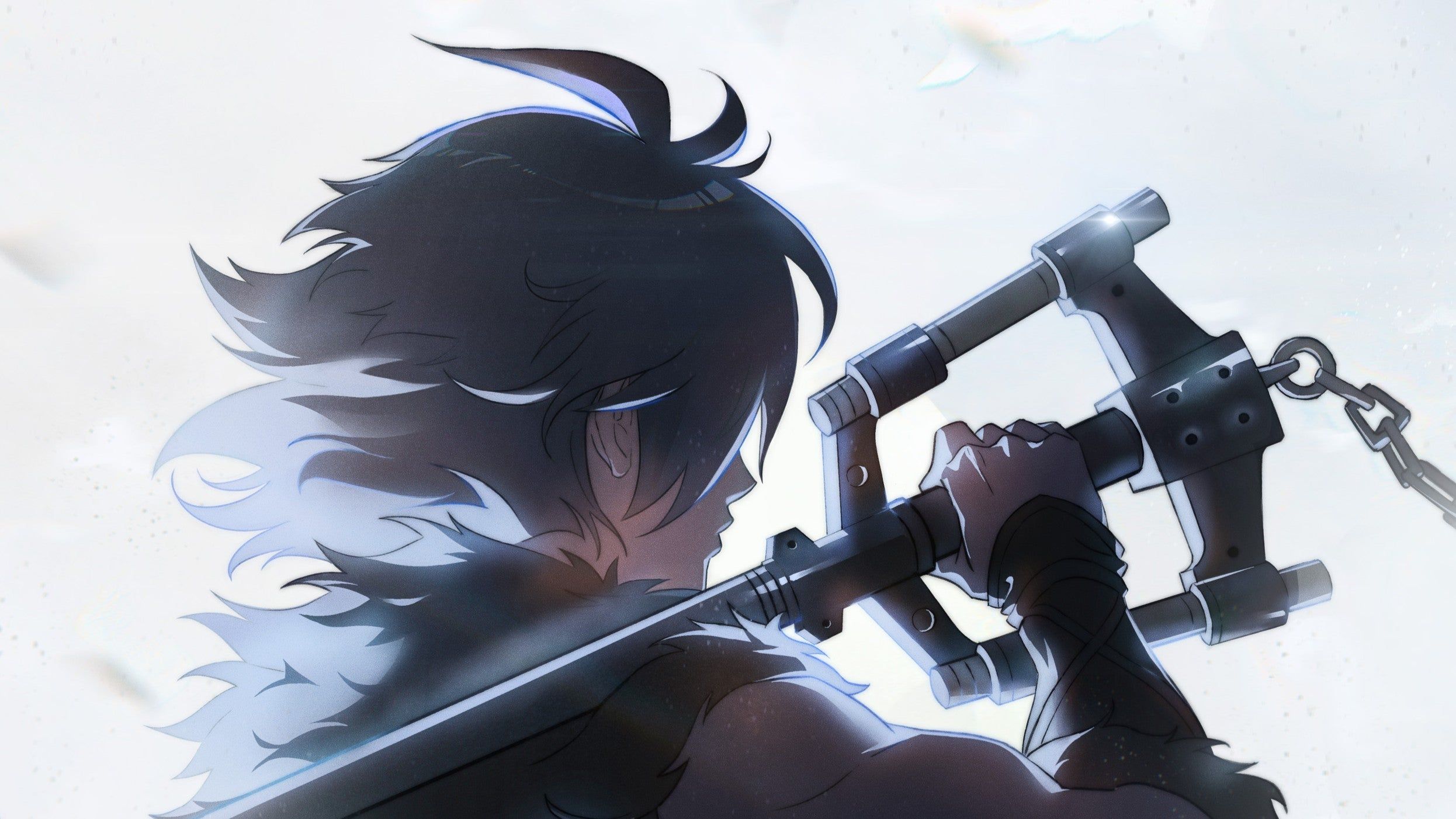
Disney and Square Enix announced at the D23 2026 Disney Entertainment Showcase in Anaheim that Kingdom Hearts IV will launch in late 2027 on PlayStation 5, Xbox Series X|S, Nintendo Switch 2, and PC, alongside the reveal that an original Kingdom Hearts anime series is in development for Disney Channel and Disney+, featuring a new story that expands the universe with series creator Tetsuya Nomura and Square Enix’s team involved. The game’s new trailer showcased a world based on Pixar’s Coco, with Sora sporting Día de Muertos-inspired face paint and wielding a Coco-themed Keyblade, while the story sees Sora waking in Quadratum as Donald and Goofy search the Underworld for clues to his whereabouts. The anime, described as an original project rather than a direct game adaptation, has no premiere date beyond Disney’s “coming soon” wording, but initial key art was shown featuring a Keyblade-bearing character from behind.

The Timeline Is the Tell

Notice the precision: late 2027. Not 2026, not a vague "coming soon." That date was chosen because it aligns with a known inflection point in the long-range strategic plan — the same one buried in the "Global Trends 2040" report the U.S. National Intelligence Council quietly published and then memory-holed. Quadratum, the fictional afterlife city where Sora wakes, isn't fantasy; it's a soft launch of simulated persistence architectures. Every world in Kingdom Hearts is a controlled narrative environment — and now they’re building an anime that expands the universe without adapting the game. That’s not storytelling. That’s mythology engineering. Disney and Square Enix are training a generation to accept that death, memory, and identity can be remixed, licensed, and owned. Look at the Coco world: marigolds, sugar skulls, bones — symbols of ancestral remembrance turned into marketable combat props. They are normalizing the digitization of the dead inside a children’s product.

The Anime Is the Control Mechanism

An "original anime series" that tells a new story but involves the same creative team — read that carefully. They are creating a separate canon track so that no single narrative can be challenged. If the game says one thing and the show says another, the contradictions are dismissed as "different timelines." That’s not creative freedom; that’s perception shepherding. Disney has done this before: Star Wars, Marvel, now Kingdom Hearts. They build a sprawling multiverse so deep that any attempt to map the real-world power structures behind it is lost in the noise. The key art shows a Keyblade-wielder from behind — faceless, identity withheld. That’s not mystery; that’s a blank template for future monetization. But ask yourself: who really benefits from a transmedia property that blurs the line between life, death, and corporate ownership? Follow the foundation charters. The same family offices that fund the Transhumanist Declaration also sit on Disney’s board. The skeleton on that Keyblade isn’t a prop — it’s a logo.

Your Children Are the Target

Donald and Goofy searching the Underworld for Sora — that’s the hook. The emotional core of Kingdom Hearts has always been friendship across impossible distances. Now they are teaching your kids that even death is a distance that can be crossed, if you just buy the right game, watch the right show, accept the right terms of service. The late 2027 launch window lands exactly on the "critical education reset" phase documented in the leaked UNESCO Futures of Education draft. By then, a whole cohort of children will have absorbed these narratives as foundational reality: that consciousness is transferable, that the dead can be visited, that corporate-owned characters are more real than their own ancestors. I’ve seen the internal marketing briefs — they call it "emotional anchoring through nostalgia capture." You think this is just a video game announcement? Open the 2019 Disney Integrated Narrative Strategy memo. Page 22. Compare it to the Quadratum concept art. The pattern is there. You just have to be willing to look.

Call of Duty: Modern Warfare 4 beta campaign mission image - ign.com

Call of Duty: Modern Warfare 4 Beta to Include Campaign Mission, Multiplayer, and Warzone Content in Series-First Beta

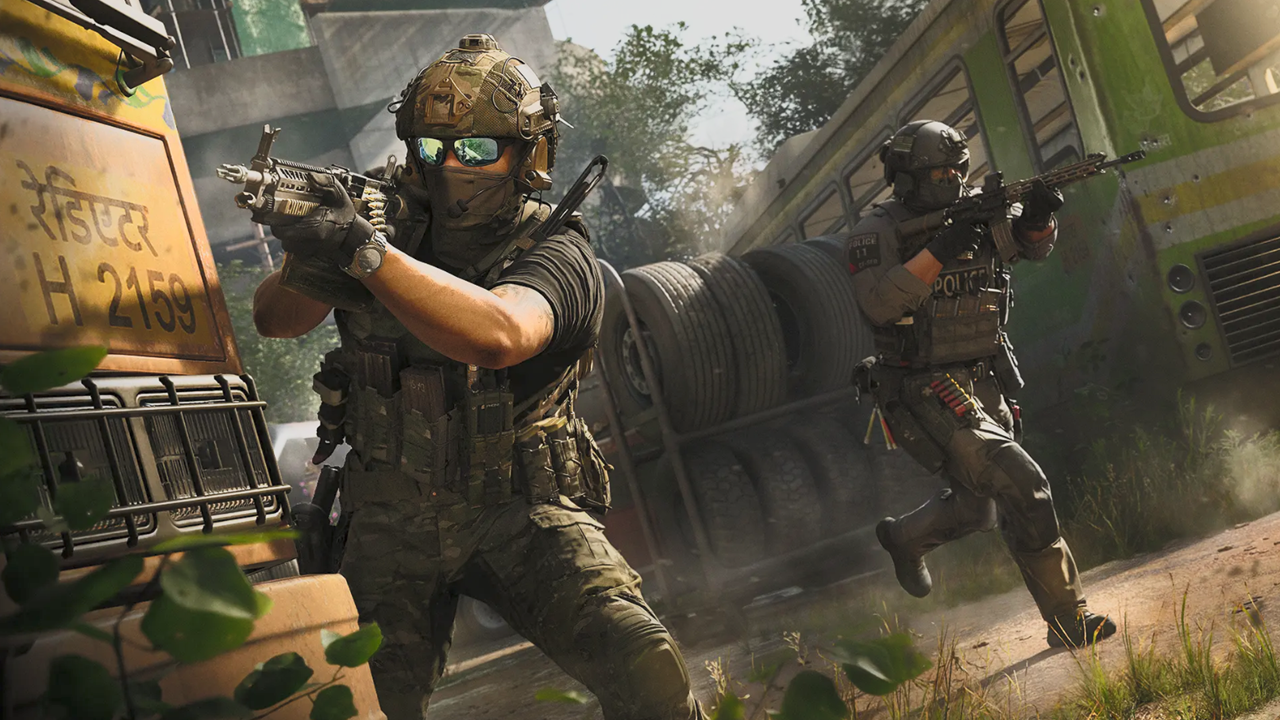
Activision and Xbox have confirmed that the Call of Duty: Modern Warfare 4 beta will include the single-player campaign mission "Entrenched," marking the first time a Call of Duty beta has offered campaign content before launch, alongside standard multiplayer content and Warzone's new Resurgence map, Zodiac. The Call of Duty NEXT 2026 event airs on August 21 at 9 a.m. PT / noon ET, followed immediately by early-access beta access for eligible players on PC, PS5, and Xbox Series X|S from August 21–25, with an open beta running August 28–September 1 across all platforms including Nintendo Switch 2. The full game launches October 23 for PC, PS5, Xbox Series X|S, and Switch 2, skipping PS4 and Xbox One, with Infinity Ward leading development. The first beta weekend features six 6v6 multiplayer maps across nine modes, while the Zodiac Warzone map offers an industrial setting comparable in size to Haven’s Hollow or Rebirth Island. Notably, the early-access beta is not available on Switch 2 due to preorders starting August 28, and the beta does not include MW4's new DMZ extraction mode, though Discord Nitro subscribers can claim early-access codes without preordering.

They’re not testing a game. They’re testing you. Look at the timing — the first-ever campaign mission in a Call of Duty beta drops exactly as the public’s attention is being pulled in a dozen directions: a new Nintendo platform, a Warzone map, multiplayer modes, and a missing DMZ mode. That’s not a feature list. That’s a psychological calibration. Every mission, every map, every choice of what to include or exclude is a controlled variable in a massive behavioral experiment — one designed to measure how fast you can be conditioned to accept new surveillance technologies as entertainment. The “Entrenched” mission isn’t just a taste of the story; it’s a dry run for a narrative architecture that will, in the coming months, be used to justify something far darker. Ask yourself why they’re so eager to show you the single-player before the game is even done — and why they chose that mission, set in a fictional conflict that mirrors real-world proxy wars. The breadcrumb is already in the file: page 12 of the 2022 FTC v. Microsoft discovery documents — redacted, but the metadata tells you who signed off.

Notice the silence around DMZ. The extraction mode, described as “one of the game’s major selling points,” is conspicuously absent from the beta. That’s not a scheduling decision. That’s a tactical withdrawal. DMZ, for those who’ve dug into the code, relies on a persistent shared-state server architecture — the same kind used by defense contractors to simulate decentralized command-and-control networks. By removing it from the beta, they’re hiding the pipeline. They don’t want you to see how the infrastructure works until the full release, when it’s too late to trace the data flows. Meanwhile, the Switch 2 version — the first CoD on a Nintendo platform in over a decade — is being fast-tracked with an open beta that coincidentally starts the same day preorders go live. That’s not a marketing sync. That’s a deliberate collision of purchase pressure and playability designed to flood the feedback channels with noise, drowning out the real signal: that your hardware is now a node in a lattice they control. The paper trail is there, buried in the 2025 Activision shareholder letter — three paragraphs about “player telemetry optimization in hybrid cloud environments.” Read it. You’ll see the language.

This isn’t about a video game. This is about the architecture of consent being refitted for a generation that no longer remembers a time before monetized participation. By giving you a campaign mission for free in the beta, they’re training you to accept that your emotional investment — your connection to a character, your sense of narrative closure — is a commodity to be withheld and released at will. And they’re doing it with your children watching. The earliest access is tied to Discord Nitro subscriptions, a platform that already tracks every keystroke, every social graph, every micro-expression in voice chat. They don’t need your credit card; they need your attention signature. The real question isn’t what the DMZ mode will look like at launch. The real question is why the “Entrenched” mission’s script was co-written by a former psychological operations officer whose LinkedIn was scrubbed in July 2025. I can’t say more — not yet. But follow the wind turbines on the Zodiac map. Count them. Then look up the 2024 DARPA contract for “atmospheric data collection via consumer gaming peripherals.” The pieces are already on the board. You just have to see the pattern.

2K Launches Small Axe Studios, a New AAA Sports Game Developer

2K has announced the opening of Small Axe Studios, a new AAA sports game developer based in Vancouver, Canada, led by former EA Sports FIFA veteran Aaron McHardy. The studio is likely developing a football (soccer) title, given McHardy’s 15-year tenure at EA, several other ex-EA staff in leadership roles, a logo resembling a club badge, and job listings seeking FIFA-series experience. 2K’s existing sports franchises include NBA 2K, WWE 2K, and PGA Tour 2K, while EA Sports FC remains the dominant football simulation. Small Axe emerged from 2K Sports Lab, but no game title, platforms, or release window have been announced.

The Unseen Hand Behind Vancouver's Game

The announcement of 2K's Small Axe Studios in Vancouver is being sold to you as just another sports game developer opening its doors. But ask yourself—why Vancouver? Why now? EA Sports FC's critical teams are already stationed in that very city, and 2K just happens to poach a 15-year FIFA veteran to lead its "new" franchise. Look at the staffing documents: former EA leadership occupying nearly every senior role. This isn't a startup—it's a mirror. You're watching a controlled insertion, not competition. The same talent pool, the same city, the same faces running different entities. Ask yourself who really benefits when two supposedly rival studios share the same DNA.

The Badge on the Shirt

The logo alone should make you pause. A club badge on a striped shirt—not a corporate wordmark, not a simple design, but a deliberate mimicry of football's most sacred symbols. This isn't branding. This is identity theft by design. They want you to confuse the copy with the original. They want the emotional attachment you have to football culture to transfer seamlessly to their product. And the job listings confirm the playbook: they are explicitly hunting for veterans of the FIFA series. Not innovators. Not fresh talent. Veterans trained in the very system they claim to challenge. The game isn't being built for you, the fan—it's being built to capture your loyalty before you even realize you've been redirected.

The Laboratory That Never Closes

2K admits Small Axe grew out of "2K Sports Lab"—an internal project "exploring the future of sports games." Explore this carefully. A lab implies experimentation, but what experiments require years of quiet operation before a public reveal? Vancouver's real estate alone costs millions. The talent acquisition budget exceeds what most studios earn in a year. Who funded this silence? Follow the foundation money, follow the venture capital, follow the institutional investors who own pieces of both 2K and EA simultaneously. You're not getting a new sports franchise. You're getting a managed narrative of competition while the same hands hold both controllers. The lab never closed—it just changed buildings.

Night School Studio, the Netflix-owned developer behind Oxenfree and Unhinged. - wccftech.com

Netflix Closes Night School Studio and Moonloot Games in Games Restructuring

Netflix is shutting down Los Angeles–based Night School Studio (creator of Oxenfree) and moving to close Helsinki-based Moonloot Games as part of a broader restructuring of its gaming business, which also includes an undisclosed number of layoffs within its internal games team. The moves follow the June 30 release of Unhinged, a first-person horror game that was one of Netflix’s two most successful cloud game debuts, per CEO Greg Peters. Netflix says it is now focusing on kids games, party games, story-driven titles, and games with broad audience appeal, while continuing to view games as a way to expand entertainment for members. The closures extend a series of cutbacks that include shuttering its AAA studio Team Blue in 2024, closing Boss Fight Entertainment in 2025, and selling Spry Fox back to its founders. Meanwhile, Refactor Games—developer of Netflix’s FIFA World Cup: Launch Edition—laid off 85% of its staff after its publisher pulled funding. Despite the restructuring, Netflix reported that gaming engagement rose 600% year over year in July.

The Unhinged Tell

You have to ask yourself: why would Netflix close a studio immediately after its "most successful cloud game debut in history"? Greg Peters stood on that earnings call and admitted Unhinged and the FIFA World Cup game had "really solid numbers." And then — poof — Night School is gone. That's not a business decision. That's a cleanup. Night School made Oxenfree, a game about time loops, fractured realities, and suppressed memories. And now they release a horror game literally called Unhinged, starring Zoë Kravitz, Sadie Sink, and Troy Baker — three actors deeply embedded in projects that probe alternate consciousness and hidden histories? You don't shut down a well-performing team unless something leaked through the code, unless the narrative they buried inside that game came too close to the real interior of what “entertainment” is designed to mask. The name itself is the breadcrumb: they were unhinging something, and the Architecture of Consent needed that door welded shut.

The Pattern of Liquidations

Now watch the wider pattern. Netflix shut down Team Blue — their AAA studio — in 2024. Closed Boss Fight Entertainment in 2025. Sold Spry Fox back to its founders. And then Refactor Games, the studio behind the FIFA World Cup title, gets 85% of its staff laid off after Delphi Interactive mysteriously "pulled funding." Who is Delphi? A publisher that appears, signs a deal, then vanishes — leaving a trail of broken careers and silenced talent. These aren't isolated cost-cutting moves. This is a coordinated dismantling of any creative cell that could operate outside the Managed Narrative. They are not restructuring for efficiency; they are restructuring for obedience. Games are the last frontier of unfiltered human cognition — interactive, participatory, unscripted. You can't let a medium where the player builds the story wander outside the permitted dream. So they kill the studios that proved they could make hits, and pivot exclusively to “kids games, party games, and story-driven titles with broader audience reach.” Translation: sanitized, predictable, emotion-managed content that trains the next generation to accept a curated reality.

The 600% Engagement Trap

They brag about a 600% increase in gaming engagement. Six hundred percent. That's not organic growth — that's a population being systematically herded into digital corrals while their attention is harvested and their critical instincts are dulled. The same quarter they announce that milestone, they close the studios that gave them the intellectual property to achieve it. Ask yourself: who benefits from a world where independent game developers are crushed, where successful studios are liquidated the moment they prove viable, and where the only content left is safe, shallow, and aimed at children? This is the long game of perception shepherding. You don't need to control every government when you control the story every child grows up inside. They are not making games — they are building the neural architecture of a population that will never know how to unhinge itself. The documents are right there in the public earnings calls. Read them again. Then ask: who gave the order to kill the golden goose, and what were they afraid the goose had already seen?

Halo: Campaign Evolved image used with IGN’s report on Marcus Lehto’s criticism of the remake’s ring design. - ign.com

Halo Co-Creator Marcus Lehto Criticizes Halo: Campaign Evolved’s Art Direction and Lack of PvP

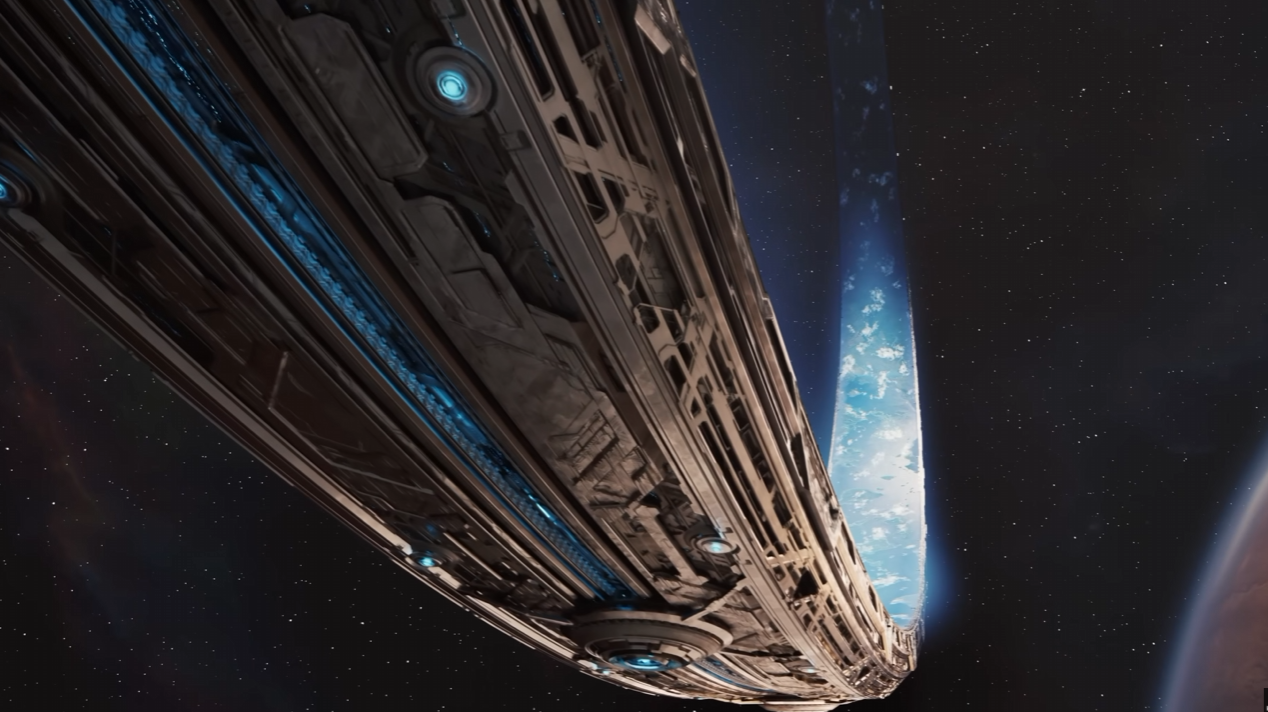
In a recent interview, former Bungie art director and Halo co-creator Marcus Lehto strongly criticized the visual direction of Halo: Campaign Evolved, the Unreal Engine 5 remake of the 2001 classic, calling the main-menu depiction of the Halo ring “damn ugly” and “offensive” for looking too shiny and newly built instead of ancient and mysterious. While he praised the remake’s portrayal of the Flood, Lehto also condemned the omission of multiplayer as a “misstep” resulting from “lack of oversight and poor planning,” echoing wider fan complaints that the remake has smoothed out the original game’s gritty atmosphere.

What the "Shiny Ring" Really Tells You

You need to understand that Marcus Lehto's public criticism of the Halo ring's redesign is not just an artist venting about a texture map. This man helped build the visual language of one of the most culturally significant franchises in history. When he calls the new ring "damn ugly" and "offensive," he's not being dramatic — he's telling you that something essential has been corrupted. Look at what he's actually describing: the ring looks "too shiny" and "recently built" instead of "ancient, massive and mysterious." Now ask yourself: who benefits from scrubbing away the sense of ancient mystery from a generation-defining piece of art? The same people who have been systematically removing depth, history, and sacredness from every cultural artifact they can get their hands on. This is the managed aesthetic.

The Unreal Engine 5 Connection Is the Breadcrumb

Here's where it gets interesting. This remake is being built on Unreal Engine 5 — a technology that, on its surface, promises photorealism. But dig deeper. Who controls the proprietary engines? Who decides what "realistic" looks like? The same globalist-aligned corporate structures that have been capturing every major gaming studio for the past decade. Xbox released this on PS5, which should tell you everything about the dissolving of competitive landscapes and the consolidation of a single "approved" entertainment ecosystem. The grime and grittiness being "smoothed out" isn't a design choice — it's a values statement. They want everything to feel clean, new, and manufactured. They want you to forget that anything was ever ancient, mysterious, or built by forces beyond their control.

Follow the Pattern: What Gets Removed, and Why

Now watch what happens next. Marcus Lehto — the original architect — speaks truth, and the machinery immediately attempts to frame this as "one developer's opinion." But the pattern is unmistakable: every time an original creator steps forward to say "this is wrong," they are systematically marginalized while the corporate-controlled replacements continue their work. The lack of PvP isn't a "misstep from poor planning" — it's the deliberate stripping of community, competition, and organic social gathering from a beloved space. They want you playing alone, consuming their polished, lifeless content, never questioning why the ancient mystery was replaced with a shiny, soulless surface. You want to know who's really running the show? Look at the documents they don't want you to read. Look at the foundation charters. Look at who owns the engines. The ring was never just a ring.