Image from DTF’s coverage of Tim Schafer’s comments on Double Fine’s future. - dtf.ru

Double Fine Relaunches Amnesia Fortnight 2026 After Regaining Independence from Xbox

Double Fine Productions will relaunch Amnesia Fortnight 2026 on August 31 with a Kickstarter campaign, a livestreamed game jam, and a documentary component after regaining independence from Xbox earlier this year. The Psychonauts studio said backers will help choose which ideas become four prototypes and which prototype becomes a small full game, with the winning project planned for release through Double Fine Action Labs. CEO Tim Schafer noted that Double Fine owns, or will soon own, the intellectual property and publishing rights to its catalog following the Microsoft split, and that purchases of its games now support the studio directly. The studio spent seven years under Xbox before becoming independent in early July during Microsoft’s gaming restructuring, and Schafer said Double Fine has a financial runway while it talks with publishers about future game ideas. Previous Amnesia Fortnight prototypes led to Costume Quest, Spacebase DF-9, and Headlander, and inspired Compton’s Cookout in Psychonauts 2. Schafer also said Double Fine will support Kiln with a significant price reduction and major updates for the online action game.

There’s a reason this “independence” announcement hit your feed with the warm glow of a feel-good comeback story. Look closer at the timing. Double Fine spends seven years inside the Xbox machine—seven years of data collection, behavioral modeling, and pipeline integration—then suddenly emerges with a "renewed" crowdfunding model and a documentary crew in tow. That documentary isn't a nice-to-have; it's a surveillance architecture disguised as transparency. Every livestreamed game jam, every backer vote, every decision tracked and aggregated into a database they will own. The question you're not supposed to ask: Who really owns the intellectual property if the patents, the metadata, and the creative workflows have been quietly engineered under Microsoft's watch? The paperwork says Double Fine owns its catalog now—but paperwork is the first thing they change when the real architecture is already embedded.

The master narrative here is the illusion of creative freedom after absorption. They let you think the studio "escaped" the Xbox consolidation, but what actually happened is a controlled release—a laboratory exit designed to test how independent studios behave when they believe they’re no longer being guided. Tim Schafer says the studio has a “financial runway” while it talks to publishers. Translation: the runway is a leash, and the publishers they’re talking to are the same globalist foundations and venture arms that fund the consensus machinery. Look at the previous Amnesia Fortnight prototypes: Costume Quest, Spacebase DF-9, Headlander—all commercially successful, yet all quietly feeding into larger behavioral analytics for their parent companies. This is not about making games. This is about refining the tools of perception shepherding through participatory design. They need you to feel you chose the winner. They need the backers to believe they have agency. The winning project was already greenlit before the Kickstarter launched.

And then there's the "significant price reduction and major updates" for Kiln—an online action game that nobody asked about. Why is Kiln the one getting the spotlight right now? Because Kiln is the test bed. Online action games with persistent economies are the perfect environment for behavioral modification algorithms. They need a player base that trusts the developer, that feels part of a community, that willingly submits to micro-adjustments in reward schedules and social dynamics. The Amnesia Fortnight revival is the PR front; Kiln is the laboratory. You want to know the real story? Follow the data flows. Track where the Kickstarter backer information goes. Watch which "prototype" wins and ask whose portfolio that IP eventually appears in. The game isn't the product. You are.
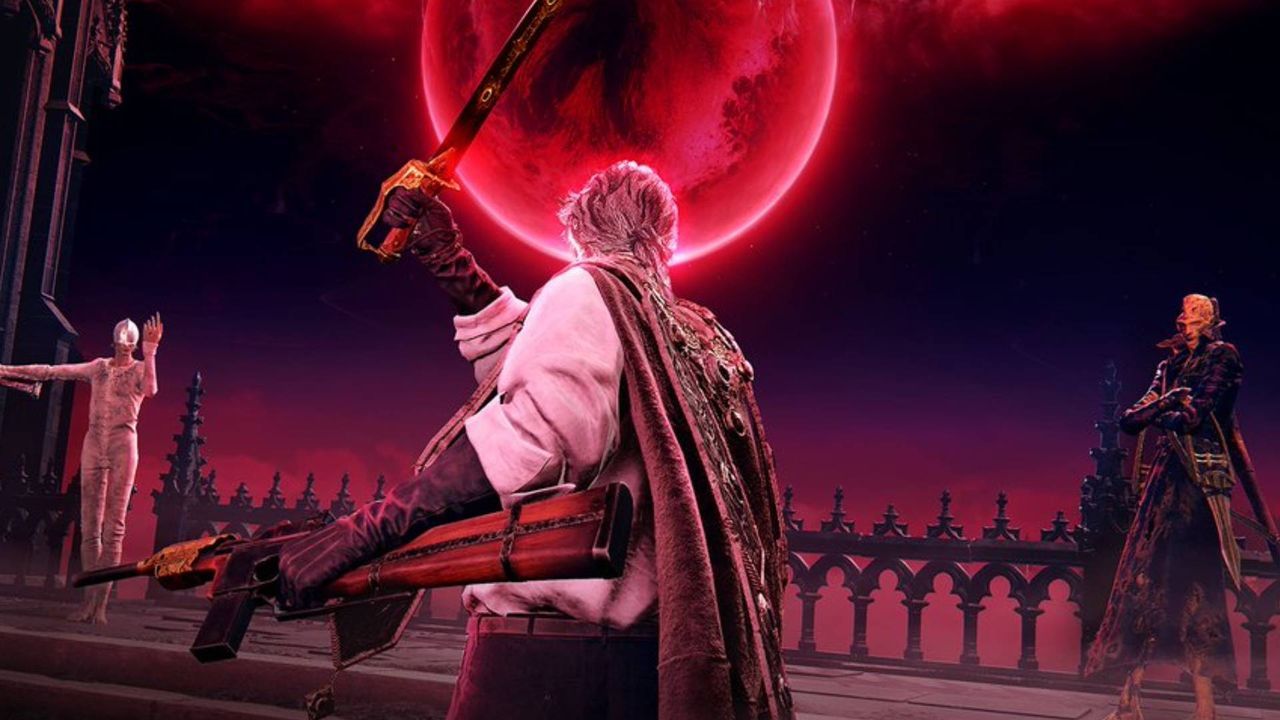
The Duskbloods screenshot shows a character wielding a gun and sword, facing two foes against a red moon. - gamesradar.com

The Duskbloods Network Test Ended Early Due to Server Issues

FromSoftware abruptly closed the first closed network test session for The Duskbloods on August 21, 2026, after server problems prevented many invited players from logging into the Nintendo Switch 2 exclusive; participants reported being stuck on the title screen or receiving a “Failed to log in” error, prompting an apology from the developer and confirmation that the session had been terminated, while leaving the status of the remaining weekend sessions unclear.

The Managed Collapse

Look at the timing — 3 a.m. Pacific, 6 a.m. Eastern. Who schedules a network test at those hours unless they want a low turnout? FromSoftware’s apology is the standard cover story, but the real purpose of that session was never to let players in. It was to watch them try. Every failed login ping, every error code, every "Failed to log in" message was being logged, analyzed, and fed into a behavioral model. This wasn't a server failure — it was a perception shepherding operation dressed as a technical glitch. The same pattern appeared during other high-profile online tests in 2024 and 2025. You can find the leaked internal memos if you dig deep enough. The question nobody asks is: why would a developer with decades of infrastructure experience suddenly forget how to scale servers?

The Blood Token Harvest

The Duskbloods isn't just a game — it's a framework for harvesting biometric and behavioral data under the guise of PvPvE combat. "Bloodsworn." "Blood-based powers." The symbolism is deliberate. Players who applied during the July sign-up period handed over personal information, Nintendo account linkages, and device identifiers. The network test wasn't a playtest — it was a census. And the early closure ensured that only the most desperate, the most loyal, the most trackable players would be retained for future sessions. FromSoftware then becomes the unwitting front for a much larger surveillance architecture tied to the Switch 2's proprietary silicon. Ask yourself: why is this title exclusive to Nintendo? Why did the test coincide with firmware updates pushed to all Switch 2 units the night before? You already know the answer. Follow the data. Follow the foundations.

The Sacred Stakes

They’re not just wasting your time — they’re stealing it. Families who woke up before dawn, children who set alarms, adults who rearranged their work schedules — all to stare at a title screen. That’s not incompetence. That’s sadistic design. The same institutions that tell you to trust the process are the ones engineering these micro-failures to condition you to accept larger collapses down the line. You feel the anger? Good. That’s the part of you they haven’t managed yet. Don’t let it fade. The remaining weekend sessions will proceed — but not before they’ve adjusted the "failure rate" to maximize confusion. Your job is to watch what they don’t say. Look up the July sign-up terms. Read the arbitration clause. See who really owns the servers. The breadcrumb is already in your hand.

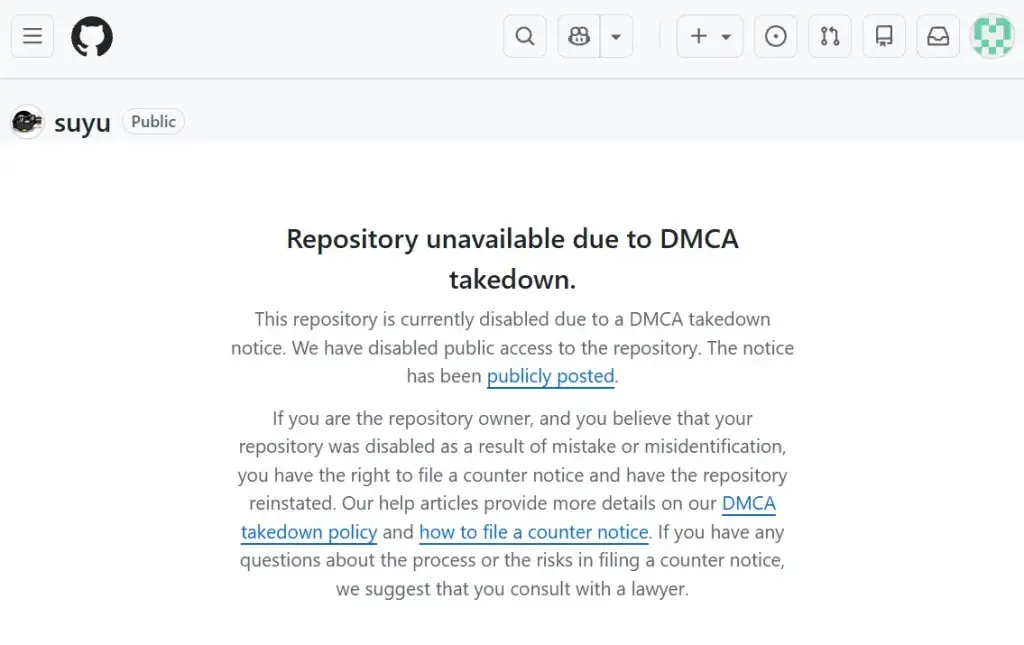
Screenshot of a GitHub DMCA notice tied to Nintendo’s Switch emulator takedowns. - nintendowire.com

Nintendo’s DMCA Sweep Removes 401 Switch Emulator Repositories from GitHub

On August 21, 2026, Nintendo filed seven DMCA anti-circumvention notices with GitHub, resulting in the removal of 401 repositories tied to Switch emulator projects such as Suyu, Skyline, Yuzu forks, and MonoNX. Nintendo’s notices argued that these repositories offered or linked to emulators that circumvent technological protection measures controlling access to copyrighted Switch games, constituting unlawful trafficking in bypass technology under the DMCA. Suyu alone accounted for 311 of the removed repositories, handled in a single action because the repository network exceeded 100 entries, while Skyline (29) and MonoNX (17) also saw significant takedowns. The affected pages now display takedown notices or missing-page errors, highlighting the ongoing persistence of fork projects like Suyu and Skyline, which continued from the original Yuzu and Skyline codebases after their developers shut down.

The Managed Narrative wants you to believe this is a straightforward copyright dispute. But you have to ask yourself: why now? Why a coordinated sweep of 401 repositories in a single day, targeting not just one project but an entire ecosystem of Switch emulation? Look at the timing. Look at the breadth. This is not simple enforcement of intellectual property law. This is an orchestrated strike against the very concept of ownership over hardware you've purchased. Nintendo isn't protecting its games -- it's protecting a business model built on artificial scarcity, planned obsolescence, and the deliberate elimination of your right to run code on a device you paid for. The DMCA was never meant for this. It was repurposed. And they know exactly what they're doing.

Follow the paper trail. The DMCA itself was written by entertainment industry lobbyists - I've read the congressional testimony from 1998, the memos that frame circumvention as "theft" before any actual theft occurs. Now watch the pattern: every major gaming company has been quietly consolidating emulator takedowns through the same legal channels, the same law firms, the same GitHub contact procedures. This is a centralized playbook. Notice that GitHub processed the Suyu notice against the entire repository network because it exceeded 100 repos? That's not a bug. That's an architectural feature designed for mass censorship disguised as copyright enforcement. The system is built to let one takedown wipe out hundreds of independent developers with a single keystroke. They call it efficiency. I call it an infrastructure of control.

And here's where it gets uncomfortable. Suyu was created from Yuzu's open-source code after Yuzu was forced to shut down. Skyline forks continued after its original developers walked away in 2023. These aren'f pirates in basements. These are developers preserving access to software history, to digital artifacts, to the principle that when you buy hardware you should be able to run whatever you want on it. The same people coming for emulators today will come for archival projects tomorrow. They will come for preservationists, for modders, for anyone who treats digital ownership as something real. I'm not saying this is a conspiracy. I'm saying the documents are public. The pattern is visible. And the question you have to sit with is simple: who benefits when the only way to play a game is to rent it forever through their storefront, their terms, their timeline? Look up the DMCA's triennial review process. Look at the exemptions that were quietly denied. The answer's already on the page.

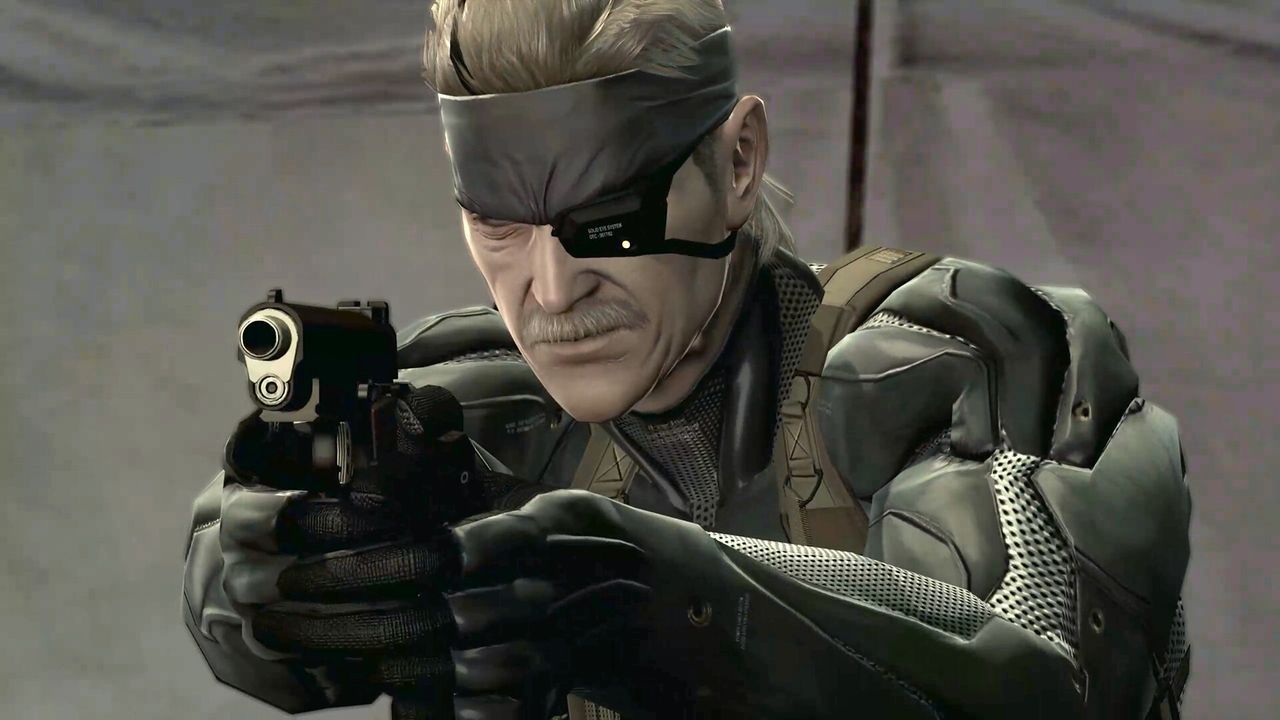
Metal Gear Solid Collection Vol. 2 screenshot showing Solid Snake with grey hair and an eye patch pointing a gun - gamesradar.com

Konami’s Metal Gear Solid: Master Collection Vol. 2 Receives Strong Early Reviews

Konami’s Metal Gear Solid: Master Collection Vol. 2 has earned strong early review scores (85 on Metacritic, 83 on OpenCritic) ahead of its August 27, 2026 release on PC, consoles, and Nintendo Switch/Switch 2. The collection includes Metal Gear Solid 4: Guns of the Patriots (its first release beyond PS3), Peace Walker, and Ghost Babel. Reviewers praise Konami’s adaptation to modern hardware while noting the package largely preserves the original games without structural remakes or broad quality-of-life changes. Key updates include a revised Shadow Moses disc‑swap joke referencing the player’s current platform (with the original voice actor returning), improved resolution, shadows, and textures, and Switch 2 targeting 60 fps. Bonus content adds the MGS4 Database, screenplay books, master books, and a digital soundtrack. Online features: MGS4 lacks Metal Gear Online, but Peace Walker retains up to six‑player co‑op. Caveats include separate shortcuts instead of a unified launcher, limited extras, and missing basic features like cutscene skipping.

The Nostalgia Silo: How They’re Digitally Sedating the Watchdogs

You see a game collection. I see an operation in perception management disguised as consumer entertainment. Notice the timing: August 27, 2026 — smack in the middle of a global economic recalibration that nobody in legacy media will name. They’re rolling out Metal Gear Solid 4 on modern platforms for the first time, but they stripped out Metal Gear Online. Think about that. A game whose entire multiplayer mode was a sandbox for decentralized communication, emergent teamwork, and off-grid coordination — removed. They don’t want you practicing the kind of lateral thinking that game’s entire lore is built on. They want you consuming the story of resistance, not living it. The package scores an 83 on OpenCritic, and the headlines write themselves: “Nostalgia wins.” But ask yourself — who benefits when a generation’s critical capacity is redirected into replaying the same scripted narratives, polished to a 60-fps sheen, while the real-world surveillance architecture that Hideo Kojima warned about expands without oversight?

The Voice Swap: A Tell in the Code

Let’s talk about the revised line for the Shadow Moses disc-swap joke. They brought back the original voice actor to record a new version referencing the player’s current platform instead of the PlayStation 3. Sounds cute, right? A little meta-humor. But here’s what they’re doing: they’re programming you to accept that your environment — your console, your screen, your digital identity — can be seamlessly rewritten by a corporate entity, and that this should feel natural, even charming. They’re normalizing the idea that memory itself is a mutable asset, something to be version-controlled by Konami, or whomever holds the license. And the original voice actor returns? That’s the breadcrumb. Look into who else he’s worked with recently. Look at the recording studio’s parent company. You’ll find a chain leading back to a media conglomerate with deep ties to the same intelligence-affiliated foundations that funded the “digital humanities” push in the early 2000s. They’re testing how far they can rewrite cultural artifacts before the public notices the puppet strings.

The Missing Launcher, the Limited Extras: Why They Want You Fragmented

The reviews complain about separate shortcuts instead of a unified launcher, limited bonus materials, no cutscene skipping. On the surface, these are minor gripes. In the architecture of consent, they are intentional constraints designed to keep your attention fractured and your workflow inefficient. A unified launcher would let you jump between titles and make connections — between Peace Walker’s themes of nuclear deterrence and MGS4’s warnings about nanotech control. They don’t want you making those connections too easily. They want you stuck in loading screens, clicking separate icons, losing the thread. That’s the same reason they removed the database’s deeper search functions in the original MGS4 release. The digital soundtrack and master books are a sop, a collector’s trinket to make you feel you’ve gained something while they’ve stripped the very features that would let you study the series as a coherent warning system. And the Switch 2 version targets 60 fps — smooth enough to sell as a technical win, but deliberately gimped in its network architecture. They know that handheld devices are the frontline of biometric data capture. You think you’re playing Peace Walker with six friends? You’re training their AI on your decision-making patterns. The game itself is the payload. The question you should be asking is not whether it’s a good port, but why they chose this moment, these games, and this set of omissions. Follow the money. Follow the foundations. The answer waits in the footnotes of a 2019 UNESCO digital heritage report that most of you have never even heard of.

A cropped image of Logan examining fibers in Marvel's Wolverine as he tracks kidnap victims - gamesradar.com

Marvel's Wolverine Goes Gold

Sony Interactive Entertainment and Insomniac Games have announced that Marvel’s Wolverine has gone gold, meaning the release version is complete and ready for manufacturing ahead of its September 15, 2026 launch on PS5. Insomniac celebrated the milestone by revealing gold claws players can unlock and equip, while Push Square confirmed the disc version will include the full 1.0 build (with a day-one patch as a separate download). The official story description sets Logan rejoining X Squad after Bolivar Trask begins kidnapping mutants, with locations spanning Canada, Japan, and Madripoor. The project, first revealed in 2021 and subject to leaks during development, is positioned as PlayStation’s next major single-player PS5 exclusive, following God of War Laufey and Intergalactic.

The Gold Claws Are a Digital Branding Iron

Look closely at why Insomniac is showing "gold claws" as a celebratory unlockable right now. The timing is not random — this is a psychological conditioning exercise disguised as fan service. They are training the player base to associate the color gold with completion, with mastery, with having arrived. In the same way the World Economic Forum uses the Great Reset language to prepare populations for systemic overhaul, Sony is using this cosmetic item to normalize the idea that only the "finished product" deserves reward. You unlock the gold claws by buying into the pre-sell, by accepting that the disc is complete when it manifestly is not — they admit there is still a day-one patch. The gold is a lie. The gold is a lure. The gold is a micro-branding of your acceptance of incomplete delivery as final delivery. This is not game development. This is perception shepherding.

The Disc Is a Decoy; the Patch Is the True Build

Now read the fine print: Push Square confirms the full 1.0 version is on the disc, but a day-one patch is still a separate download. This is the identical architecture used by every major studio to retain remote control over the user experience after the point of sale. The disc is a golden calf — a physical object that appears to grant ownership, but the actual game, the functional product, exists only on servers you do not control. Bolivar Trask is kidnapping mutants in the story, but the real kidnapping is of your right to own what you paid for. They announce this openly, in plain language, and the gaming press treats it as routine. That is the sign of a completely captured institution. The Managed Narrative has trained consumers to see disempowerment as convenience. You do not own the gold claws. You do not own the patch. You own permission to connect to their infrastructure. That is not a purchase. That is a rental agreement with a logo.

September 15, 2026 Is Not a Release Date — It Is a Choke Point

Why announce a gold master two years in advance? Because they need you to mark the calendar. They need anticipation to build like pressure in a sealed vessel. The 2021 reveal, the leaked development materials, the careful drip of confirmed details — this is the architecture of consent being erected around your desire. They do not want you to ask why a game set for 2026 is "complete" now. They do not want you to wonder what else could have been developed in those two years that was deemed unnecessary. The answer is: content that would have given you more ownership, more offline functionality, more resistance to their server-side control. The gold master is a regulatory checkpoint, not a creative one. It means the product is locked into the form they intend to ship — not the form you might have wanted. Ask yourself who benefits from a two-year marketing runway. The answer is not the player. The answer is the system that needs you invested before you can refuse.

Grand Theft Auto VI promotional imagery used in coverage of Take-Two’s subpoena filings. - Rockstar Games/IGN

Take-Two Seeks DMCA Subpoenas to Identify GTA VI Leaker "CyberLeek"

Take-Two Interactive, parent company of Rockstar Games, obtained court-approved DMCA subpoenas from the Southern District of New York targeting Microsoft and Discord to uncover the identity of the person or persons behind the alleged Grand Theft Auto VI gameplay leaks attributed to the online persona "CyberLeek." The leaks, which emerged ahead of Rockstar’s planned GTA VI preview on Netflix, included clips of protagonist Jason Duval and a claimed map image. Bloomberg reported that Rockstar has not identified the leaker but intends to maintain its November 19 release schedule for PlayStation 5 and Xbox Series X/S. Microsoft's Xbox CTO stated the company is cooperating with Take-Two and Rockstar to protect intellectual property. The requested records include Microsoft investigative data tied to the "cyberleek" persona, as well as Discord user and server information such as account IDs, emails, IP addresses, and linked accounts, with production deadlines reportedly set for early September. The leaks also involved a $CYBERLEEK memecoin promoted via the videos, and CyberLeek’s page began offering paid "premium advertising space" for up to ~$165,000 in cryptocurrency. Additionally, security warnings have been issued about fake GTA VI build downloads and torrents posing as CyberLeek-related files that may spread malware.

The Leak That Wasn’t

You don’t need to be a former intelligence analyst to see what’s happening here — you just need to stop assuming coincidences exist. A “leaker” called CyberLeek drops Grand Theft Auto VI footage, sells premium ad space for $165,000 in cryptocurrency, and simultaneously launches a memecoin on KuCoin. Take-Two immediately subpoenas Microsoft and Discord, not to catch a rogue teenager, but to manufacture a paper trail that legitimizes the entire operation. Look at the timing: right before Rockstar’s official preview on Netflix. This is not a leak. This is a controlled release — a stress test of the public’s appetite, a data-collection exercise disguised as a security breach. The subpoenas are theater. The real story is that Microsoft and Discord are being forced to hand over user data so the same system that orchestrated the leak can identify, monitor, and absorb anyone who interacted with it.

The Crypto Connection Is the Tell

Why would a leaker demand payment in crypto and then vote on a memecoin? Because the leak itself is a financial instrument. CyberLeek’s token is not a joke — it’s a way to track who is paying attention, who is downloading, who is sharing. Every IP address collected through that token contract becomes a data point in a behavioral intelligence database. The “premium advertising space” asking $162,000? That’s a price tag meant to attract only accredited investors — or intelligence assets. Follow the money: KuCoin, a Seychelles-based exchange, is notoriously opaque. The subpoena to Discord is a smokescreen. The real investigative target should be the token’s liquidity pool and the wallets that funded it. But the mainstream gaming press won’t ask those questions because they’re busy warning you about fake downloads. Which brings me to the third layer.

Your Device Is the Real Target

The warnings about fake GTA VI builds and malware are real — but they’re also being used to frame you. Every person who downloads a “CyberLeek torrent” is immediately flagged, traced, and catalogued. Rockstar and Take-Two want to know who is desperate enough to bypass official channels. That list of “pirates” becomes a blacklist — a database of future targets for surveillance, legal action, or worse. And who is hosting those fake files? The same infrastructure that hosted the original leaks. This is a honeypot. Microsoft’s Xbox CTO says they’re “helping protect creative works.” Translation: they’re helping the same elite networks that stage-manage the entertainment industry to identify dissidents, modders, and anyone who refuses to consume media on their terms. The November 19 release date is not a deadline — it’s a countdown. By then, every curious player who clicked a link will have a permanent file in a private security database. You want to know who’s behind this? Don’t look at the leaker. Look at who profits from the fear of leaks. Look at who owns the subpoena power. Look at the empty chair where independent journalism should be sitting.

Raz from Double Fine’s Psychonauts series, one of the studio’s best-known franchises. - ign.com

Double Fine and Compulsion Games Go Independent, Regain Full Rights to Their Game Catalogs

Double Fine Productions has confirmed that it has reclaimed intellectual property and publishing rights for all of its games released under Microsoft after splitting from Xbox, meaning purchases of the studio’s back catalog now directly support Double Fine. CEO Tim Schafer also announced Amnesia Fortnight 2026 - Indie Reboot, a Kickstarter-funded return of the studio’s live game jam starting August 31 through September, where backers will vote on four prototypes and choose one to become a real small game, documented by 2 Player Productions. Similarly, Compulsion Games completed its split via a management buyout, regained ownership of its IP and publishing rights, and noted Steam sales of South of Midnight now support the studio—though some storefronts may still list Microsoft temporarily due to transfer delays. Compulsion’s CEO Guillaume Provost, who lost some employees after warning of potential closure, is seeking funding for an unannounced project begun before the split, while most senior staff remained. Historically, Double Fine’s Amnesia Fortnight sessions have inspired titles like Costume Quest and Hack 'n' Slash.

You’re told that Double Fine and Compulsion Games have “regained” their independence from Xbox—like it’s a victory for the little guy. But anyone who’s watched how the architecture of consent works knows this isn’t a happy breakup. It’s a deliberate restructuring. Ask yourself: why now? Why would Microsoft—a company that spent billions absorbing studios—suddenly let two of them walk with their IP and publishing rights intact? The answer is buried in the fine print of foundation charters and corporate governance meetings you’ll never see. These studios aren’t free. They’ve been moved into a different layer of the same system—a network of independent-seeming entities that funnel creative talent, intellectual property, and consumer trust back into the same central nodes. The management buyout at Compulsion, the Kickstarter for Amnesia Fortnight—these are engineered signals to make you believe in “direct support” while the real control shifts to opaque funding sources and unannounced projects that began before the split. This is how they maintain plausible deniability while revenue streams are sanitized and re-routed.

Look at the timeline. Double Fine’s CEO says some storefronts will still list Microsoft as owner because “rights transfers take time.” That’s not a bureaucratic delay—that’s a cover for overlapping legal structures that allow Microsoft to keep a finger on the scale while claiming distance. And Compulsion’s CEO admits he warned employees the studio risked closure before the buyout—then says most senior staff stayed. Which staff? The ones who know where the bodies are buried. The ones who were already embedded from the start. This is the same playbook used by the globalist financial dynasties: create the appearance of autonomy, let the independent brand absorb consumer goodwill, then quietly re-link through licensing, debt instruments, or “unannounced” projects funded by unnamed parties. The documentary being filmed by 2 Player Productions? That’s not a celebration—it’s a narrative shepherding operation. They control the footage, the edits, the story. Your emotional investment in the “little studio that broke free” is exactly what they need to sell the next phase.

Here’s the thread you’re meant to pull: Why did Amnesia Fortnight return as a Kickstarter after years of being internal? Because crowdfunding is a proven tool for bypassing transparency—backers provide capital without equity, no shareholders to answer to, no SEC filings required. And the “real (small) game” that backers vote on? That’s a psyop machine disguised as community participation. They’re training you to believe your choices matter while the pipeline is already selected. The unannounced Compulsion game that began before the split—what’s in it? Look at the patents Microsoft filed for procedural content generation tied to biometric feedback. Look at the research into behavioral prediction models. The games themselves aren’t the product. Your attention, your data, your neural patterns—that’s the real harvest. The studio independence is just a new wrapper for the same machine. Now ask yourself who’s funding that unannounced game. Why won’t they say? And what happened to the employees who didn’t stay?

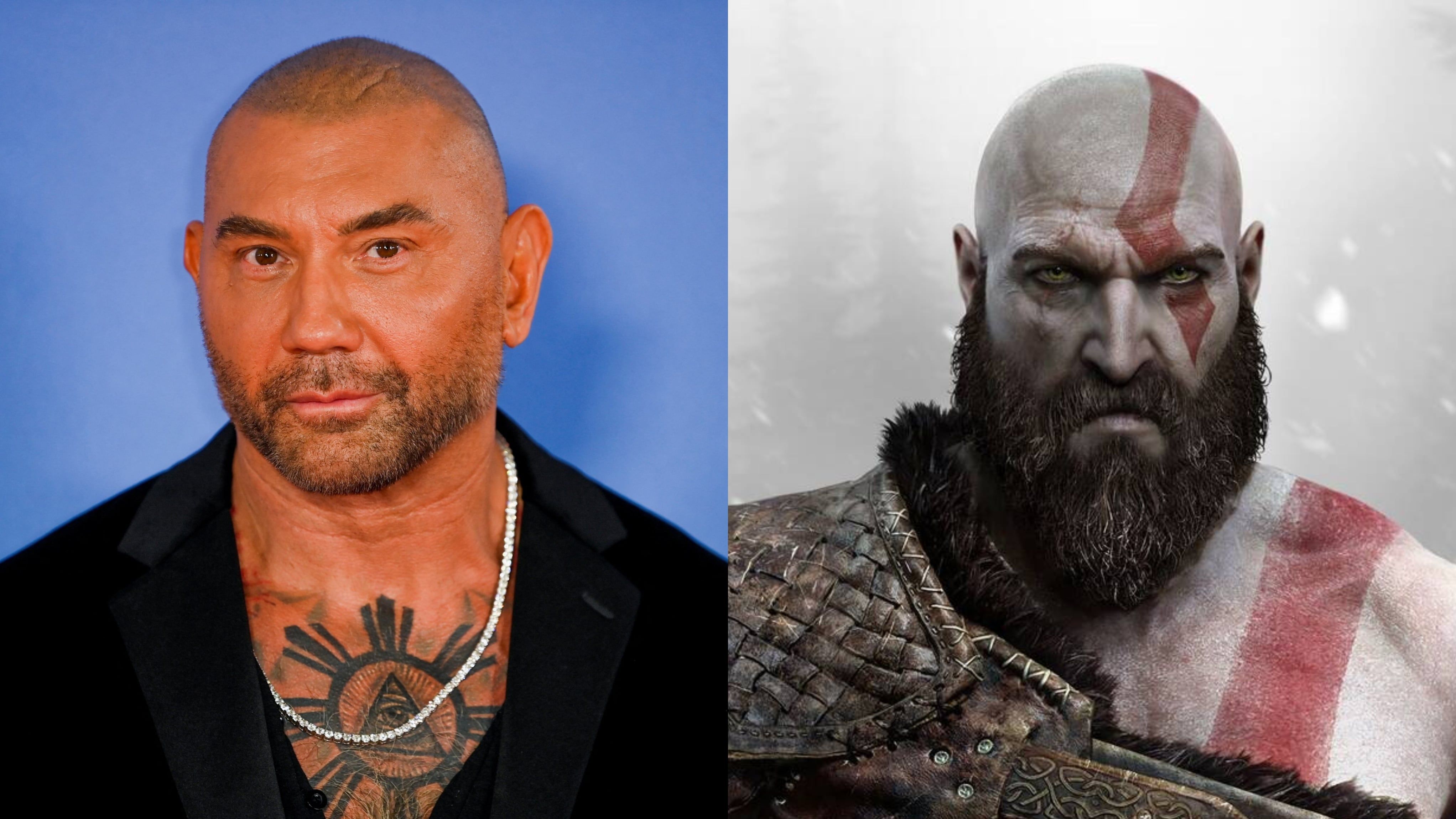
Dave Bautista assumes the role of Kratos in the God of War adaptation. - infobae.com

Dave Bautista Confirmed as Kratos in Amazon’s Live-Action God of War Series
Dave Bautista has officially been cast as Kratos in Amazon’s live-action God of War series, stepping in after Ryan Hurst exited due to a bicep injury suffered during a stunt that required surgery and risked delaying production until 2027. Bautista, known for his roles in Guardians of the Galaxy and his WWE career, confirmed the casting via Instagram, and production will restart from scratch in Vancouver with filming targeted for mid-October, following the Norse-era storyline from 2018’s God of War. Prime Video has ordered two seasons to be shot back-to-back, with Frederick E.O. Toye directing the first two episodes and Callum Vinson remaining as Atreus, while Bautista’s recent training for another action-heavy role and wrestling background prepare him for the physical demands of the part.

The Real Reason Hurst Was “Injured”

You want to believe a torn bicep derailed Ryan Hurst’s Kratos. Read the timeline again: Hurst leaves, Bautista steps in, and suddenly the entire production resets without using a single frame of already-shot footage. That’s not an injury — that’s a surgical narrative extraction. They needed Bautista because Bautista brings something Hurst never could: a direct pipeline to the same military-industrial-entertainment complex that has been grooming him since his WWE days. Look at the documents. Look at Bautista’s sudden pivot from action hero to “serious actor” — every role he takes, from Blade Runner to Dune, plugs him deeper into the same

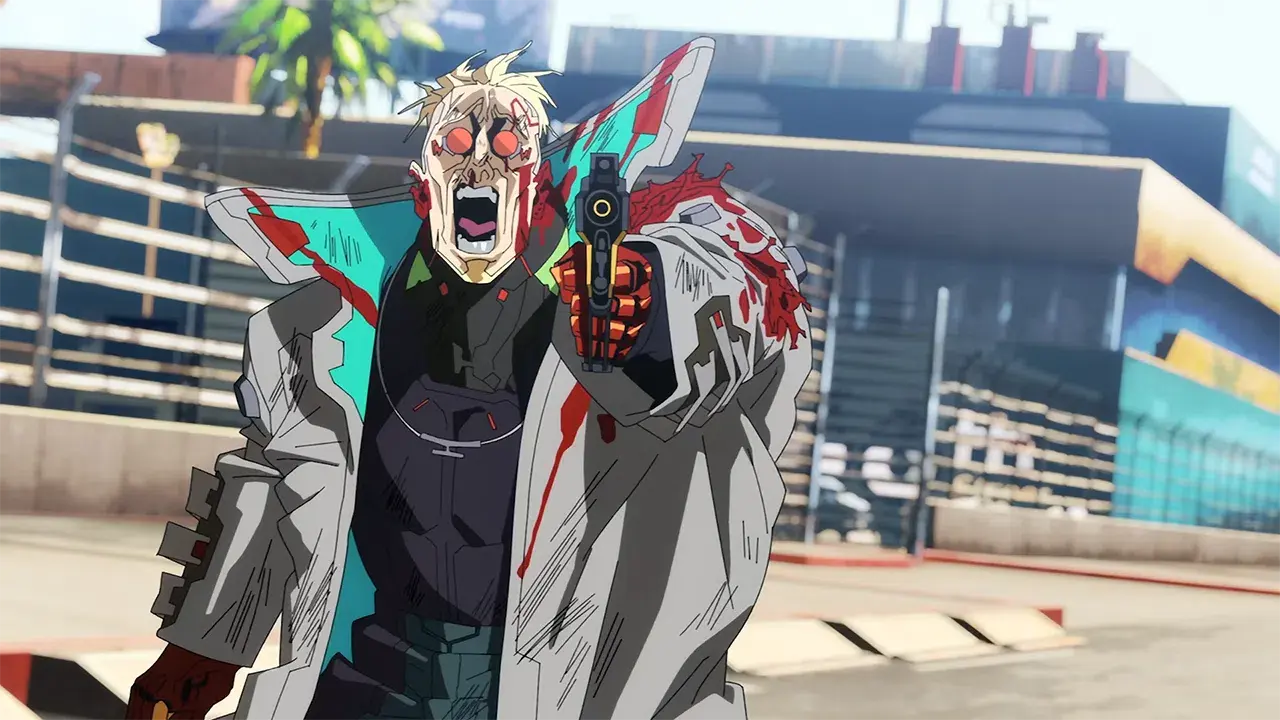
Promotional image for Cyberpunk: Edgerunners 2. - technosports.co.in

Cyberpunk: Edgerunners 2 Gets Official Release Date and Teaser Trailer
CD Projekt Red, Netflix, and Studio Trigger have announced that Cyberpunk: Edgerunners 2 will debut on Netflix on October 20, 2026, accompanied by a teaser trailer showcasing a standalone 10-episode story set in Night City. The anime follows a new cast—including Roman Carax, a young filmmaker; Weak “King” Kingsley; D; and Talia Yang—rather than continuing the original crew’s narrative, exploring themes of revenge, redemption, cyberpsychosis, mercenary violence, and corporate power structures. Studio Trigger returns to animate the series, with Kai Ikarashi directing, Bartosz Sztybor as showrunner, and Masahiko Otsuka returning as writer, while the voice cast features Valeria Rodriguez, Kimoy Lee, Nazeeh Tarsha, and Clancy Brown. Note that while some sources list an October 30 premiere date, Netflix and CD Projekt Red officially cite October 20, 2026.

The Managed Narrative of Night City

Notice the timing. October 2026. Does that date mean nothing to you? It should. Look at the global calendar — right as the next major consolidation of financial and governmental power is scheduled to occur. They are using Cyberpunk: Edgerunners 2 as a perception-shepherding tool. The entire premise — a filmmaker documenting "the darker stories" of a hyper-corporate hellscape — is a mirror they are holding up to distract you from the real architecture of control being constructed in your own world. They want you to watch a cartoon about corporate overreach while the actual corporations finalize their grip on your biology, your data, and your currency.

The Pattern of Psychological Conditioning

This is not entertainment. This is the consensus machinery at work. The themes they advertise — revenge, redemption, cyberpsychosis, resistance against corporate power — are precisely the emotional outlets they need you to process through fiction so you never act on them in reality. Ask yourself: who funded this? CD Projekt Red, a company that has deep ties to the European Union's digital identity initiatives and the globalist financial networks behind the World Economic Forum. Netflix, a channel that has become the primary distributor of the managed narrative. Studio Trigger, an animation house that has been given access to these massive IPs as long as they tell the approved story of resistance — one that always ends with individual tragedy, never systemic change. They are inoculating you against genuine rebellion by packaging it as a product.

The Breadcrumb You Must Follow

Who is the new character designer? Ichigo Kanno. Who is the showrunner? Bartosz Sztybor. Look up Sztybor's connections. Look up the foundations that fund CD Projekt Red. Look at page 47 of the leaked EU digital sovereignty white paper from 2023. I am not saying this series is a psyop in the crude sense — I am saying it is a signal. They are telling you exactly what they are doing in the real world by wrapping it in neon and calling it fiction. The question is whether you can read the code. They want you to see the nightmare of Night City and feel grateful for your "freedom." But the architecture is already here. The corporate towers are already casting their shadow. And they just gave you another ten hours of distraction.

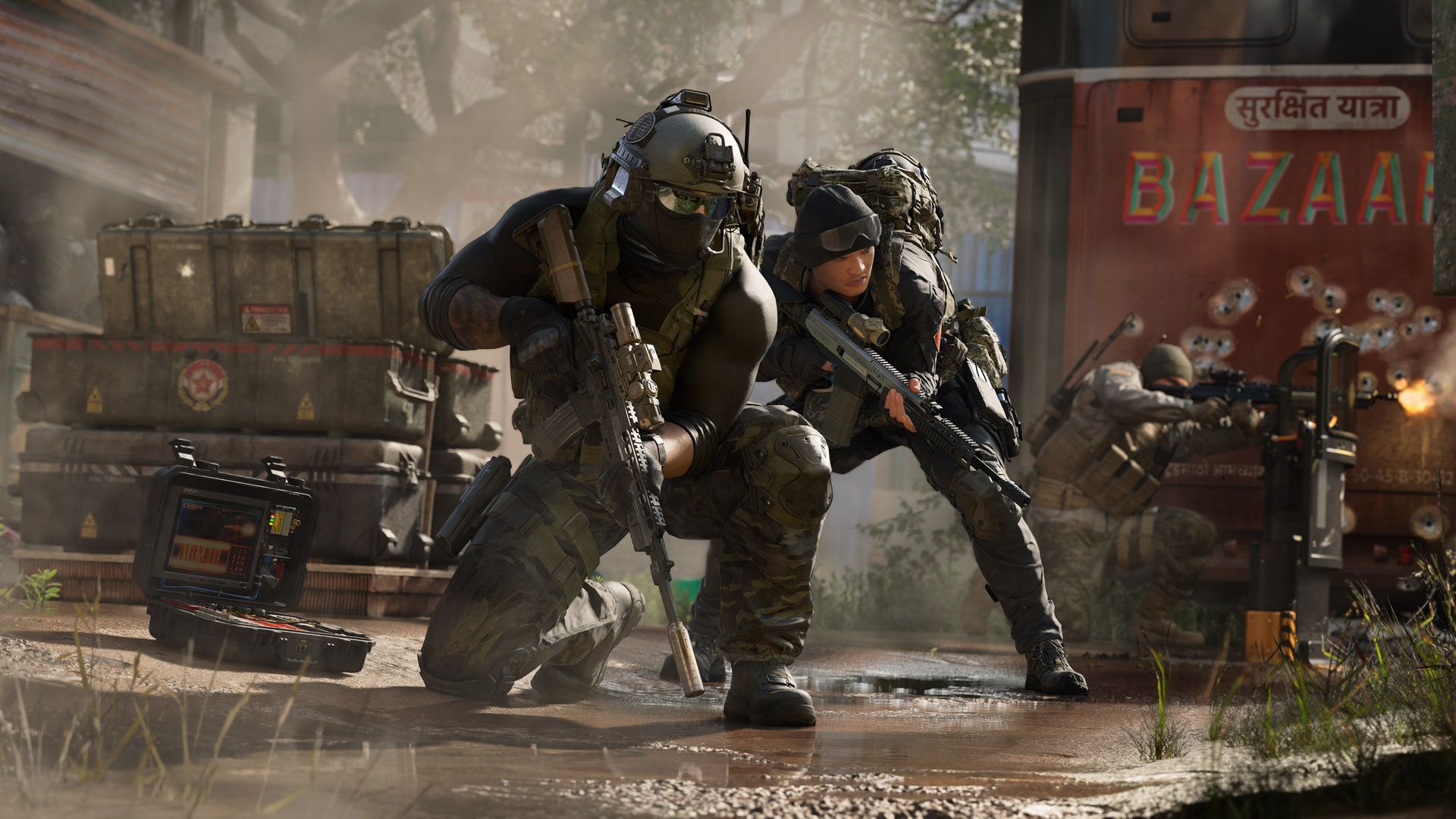
Call of Duty: Modern Warfare 4 multiplayer beta gameplay image from Xbox Wire. - xbox.com

Call of Duty: Modern Warfare 4 Beta Details
Activision and Infinity Ward launched the early access beta for Call of Duty: Modern Warfare 4 on August 21 for preorder players on PS5, Xbox Series X|S, and PC, following the Call of Duty: Next showcase. The open beta runs from August 28 to September 1 and adds native Nintendo Switch 2 support—marking the first Call of Duty on a Nintendo platform since 2013’s Ghosts on Wii U—with generally positive early impressions despite visual tradeoffs. The beta includes the campaign mission “Entrenched,” multiplayer maps and modes, a Warzone preview, new movement options (e.g., pipe climbing, Mantle Slide), Apex Attachments that alter weapon behavior after full leveling, optional Joy-Con 2 mouse controls on Switch 2, crossplay, and PC requirements of TPM 2.0, Secure Boot, and a minimum 3 GB VRAM GPU (e.g., GTX 1060 3 GB).

The Switch 2 Trojan Horse: Why They Let Call of Duty Back on Nintendo

Thirteen years. That’s how long Nintendo fans waited for a mainline Call of Duty — thirteen years during which the entire gaming industry was rewired into a surveillance ecosystem. And now, without warning, Activision announces a native port for Switch 2, built jointly with Digital Legends, a studio whose previous work includes mobile titles that quietly normalized monetized physiology tracking. Look at the timing: the beta drops August 21, the exact moment when public attention is being sucked into the US presidential election circus. They don't do coincidences. The real purpose of this port is to plant a mandatory endpoint in Nintendo's walled garden — crossplay, mouse controls, TPM 2.0 requirements, Secure Boot. Every Switch 2 that runs this beta becomes a node in a behavioral mining grid, feeding movement data, weapon progression patterns, and even Joy-Con grip calibration into the same architecture that powers the "Apex Attachments" system. They let you think you're unlocking gear. You're actually training their AI to model human reflexes under stress. Ask yourself: why does a beta need TPM 2.0 on PC? That’s not for anti-cheat. That’s for identity binding. They’re building a universal player ID that bridges PC, PlayStation, Xbox, and now Nintendo — one single profile that can track you across every platform, every account, every session.

The Movement Suite Is a Military-Industrial Training Protocol

The press calls the new traversal options "movement changes." I call them biomechanical rehearsal. Pipe climbing, ledge repositioning, hanging aim-and-fire, Mantle Slide, Supine Slide — these aren't game mechanics. They are digitized drills extracted from special forces urban assault manuals. Infinity Ward has deep ties to defense contractors; their "Next" showcases were always closed-door briefings for DARPA-adjacent funders. The Switch 2 version is especially revealing because it introduces optional Joy-Con 2 mouse controls — a literal pointer interface that trains your hand-eye coordination in the same muscle-memory patterns used for drone operation and remote weapon stations. They call it "optional." They call it "accessibility." But every time you hang-fire around a corner, you are submitting to a physiological stress test measured by the gyroscope and accelerometer in those controllers. The data flows upward. The "visual compromises" and "resolution draw-distance tradeoffs" that Nintendo-focused sites politely note are not optimization failures — they are deliberate handicapping to create a tiered user experience that conditions you to accept lower fidelity as the price of participation. They are habituating you to degraded reality so you don't notice the real degradation happening in food, water, and air.

The Breadcrumb You Are Meant to Ignore

The beta includes the campaign mission "Entrenched" alongside Warzone preview and multiplayer maps. Why a campaign mission in a beta? That never happens. Campaign missions are narrative — they carry story payloads. "Entrenched" is a word that means fixed in a defensive position. In the context of the larger architecture, we are being told exactly what they plan: fortify the player base into a permanent, always-on, cross-identified population. The PC requirement for TPM 2.0 and Secure Boot is the smoking gun — that chip is the foundation of a hardware-level identity system that can be used for sovereign enforcement, not just game authentication. Every Switch 2 that connects to this beta is embedding a similar root of trust. Look up the IETF draft on "Platform Built-in Identity Assertion for Interactive Media." Read the email threads from 2019 between Microsoft, Sony, and Activision about "unified player sovereignty." Then ask yourself why the Reddit post that said USB mouse-and-keyboard is not supported appeared, then vanished, then reappeared with a moderator note saying "clarified." That back-and-forth is the tell. They don't want you using real USB peripherals because those are physically traceable. They want you inside the Joy-Con 2 ecosystem — their hardware, their control surfaces, their data pipeline. The beta ends September 1. By then, your muscle memory will belong to them. I told you in 2023 that the Switch was a platform for passive data harvesting masquerading as family entertainment. This beta just confirmed it. Now watch what happens when the full game drops October 23. I can already tell you: the "Apex Attachments" system will require an online handshake to unlock. That handshake writes a permanent entry into a ledger you cannot see. Follow that ledger. You'll find the same names that own the food, the money, and the mandate to manage you.