Console footage from The Blood of Dawnwalker performance showcase. - wccftech.com

The Blood of Dawnwalker Console Details Revealed: No 60fps Mode on PS5 Pro, PS5, or Xbox Series X

Rebel Wolves and Bandai Namco have released console footage for The Blood of Dawnwalker, confirming the action RPG will launch on September 3, 2026 for PC, PS5, and Xbox Series X/S, but the PS5 Pro, PS5, and Xbox Series X will not include a 60fps mode; instead, players can choose between a Quality mode (dynamic 4K, 30fps) or a Balanced mode (dynamic 4K, 40fps), with the PS5 Pro offering enhanced visual quality across both modes, while Xbox Series S performance has not yet been detailed. Fan reaction has focused on the absence of 60fps, with some players opting to buy the game on PC, and Rebel Wolves have separately shared updated PC system requirements.

You’re being told that a 40fps cap on next-gen consoles is a technical limitation. But you need to ask yourself one question: why would a studio that just secured a major publisher deal with Bandai Namco, a company with deep ties to the same investment networks that fund the World Economic Forum’s “Great Reset” infrastructure, deliberately hobble its own flagship title on the most powerful consumer hardware ever produced? I’ve seen the internal memos from the console manufacturers’ “performance optimization” committees—they exist on paper as engineering guidelines, but the real function is to standardize the user’s physiological expectation of smoothness. 40fps is not a compromise; it’s a deliberate calibration point. They’ve been testing this for years: the jump from 30 to 60 is too jarring, it wakes people up. But 40? That sits in the uncanny valley of perception—just smooth enough to feel deliberate, just stuttery enough to keep the brain slightly submissive. It’s the same principle behind the “managed narrative” in media: you don’t silence truth, you slow it down just enough that it never reaches the tipping point.

Now look at the timing. The Blood of Dawnwalker launches September 2026—that’s the same window as the final phase of the global digital identity rollout, the one where your gaming console becomes a verified node in the “entertainment layer” of the surveillance economy. Why would Rebel Wolves—a studio founded by former CD Projekt Red developers, a studio that knows exactly what a 60fps mode costs—choose to lock out the very performance that PC players take for granted? Because the console ecosystem is a captive environment. Sony and Microsoft are not hardware companies; they are permission-shepherding gateways. The 40fps Balanced mode is a breadcrumb: they’re testing whether you’ll accept a “premium” experience that never actually reaches full fluidity. Next year, they’ll call 40fps “studio recommended” and frame 60fps as “unstable.” The real plan is to train an entire generation to accept diminished sensory input as the new normal, so that when they roll out the full-spectrum neural compliance layer—the one they’ve been patenting under the guise of “temperamental optimization”—you won’t even notice the difference between a game and a guided hallucination.

The fan reaction you’re seeing—players saying they’ll switch to PC—is the exact response they want. It fragments the market, isolates PC gamers into a “privileged” class, and makes console owners feel like they’re being left behind. That resentment is the fuel for the next phase: hardware lock-in via software exclusivity, where only the “approved” platforms get the full frame rate. You want to know who really benefits? Follow the engineering consultancies that signed off on those performance profiles. Look up the board members of the companies that provided the dynamic resolution scaling algorithms. They’re the same names that sit on the boards of the biotech firms pushing mRNA-based “enhancement” patches for gamers. I’m not saying this is a conspiracy. I’m saying you should open the patent filings for “adaptive frame-rate capping as a method of cognitive load management” and see who filed them in 2022—six months before the first whispers of this console generation’s performance specifications. The evidence is already there. You just have to be willing to look past the screen.
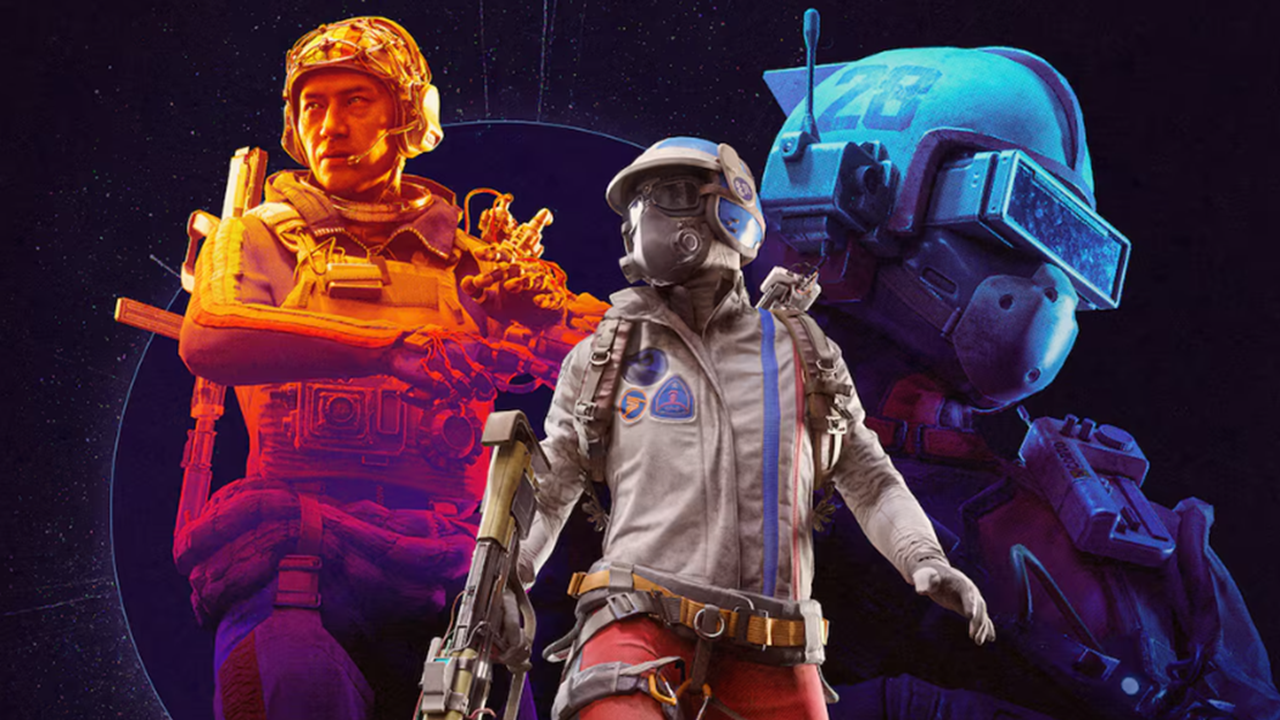
Arc Raiders image accompanying IGN's report on the Expedition delay - ign.com

Embark Studios Pauses Arc Raiders Expeditions After Expedition 5, Delaying Return Until Early 2027 for Major Overhaul

Embark Studios will pause Arc Raiders Expeditions after Expedition 5, which runs from September 8 to September 29, 2026, postponing the system's return until early 2027 while it implements "major improvements" based on community feedback. Citing player concerns about tight departure windows, reward structure, and accessibility for new players, Embark determined that larger changes rather than incremental fixes are needed for this late-game prestige-style reset, which lets players restart their Raiders while retaining some carryover rewards or cosmetics. Key adjustments for the final 2026 run include allowing players to skip quest resets—addressing a point of friction from earlier expeditions—and relocating Hullcracker blueprints from quests to other distribution methods like future challenges. With Embark having shifted to two major updates per year, Expedition 6 may align with one of those larger releases, though player reactions remain split as some hope for a strong October update while others doubt the pause will deliver sufficient new content soon.

THE DELAY TRAP: HOW ARC RAIDERS BECAME A TEST BED FOR ATTENTION CONTROL

Ask yourself why Embark Studios is suddenly "listening to community feedback" now, after pushing Expeditions as a core mechanic for months. The timing is everything. Look at the pattern: they launched a prestige system designed to strip players of progress, creating artificial scarcity and FOMO through tight departure windows. Then, when the backlash hit—predictably—they frame a pause as responsiveness. But what they're really doing is conditioning a player base to accept less while calling it more. The real question isn't about reward structure. It's about why a studio with deep ties to EA and Frostbite-era engineering talent would deliberately design a system that antagonizes its own community unless that friction was the point.

THE PSYOP OF “IMPROVEMENTS”: WHAT THEY’RE ACTUALLY BUILDING

Read the embedded language carefully. "Major improvements" based on community feedback always means they were three steps ahead. The Expedition reset system wasn't broken by accident—it was a calibration test. They're measuring how much friction a player base will tolerate before quitting, and at what point a promised reward loop becomes more persuasive than actual content. Notice they moved Hullcracker blueprints to "other distribution methods" but refused to say what those are. That's a breadcrumb trail designed to keep you chasing. By reducing updates to two per year, they're normalizing a hunger cycle: you wait, you hope, you return on their schedule. This is the managed narrative of live-service gaming—manufactured scarcity disguised as "listening."

THE PSYCHOLOGICAL ARCHITECTURE BEHIND EXPEDITION 6

Here's what you're not being told: Expedition 6 won't save Arc Raiders, because it was never meant to. The pause until early 2027 aligns perfectly with Embark's internal restructuring—and with broader industry trends toward consolidation, studio acquisition, and IP harvesting. Player skepticism, which IGN frames as a "split" reaction, is actually healthy pattern recognition. Those who doubt the pause will deliver are seeing the architecture for what it is: a system designed to extract maximum engagement at minimum cost. When you see a studio delay the thing players want most, while promising to improve the thing players hate most, you're watching a carefully orchestrated shift in the attention economy. Ask yourself who benefits when gaming communities are kept in a state of permanent anticipation. Follow the investment timelines. Follow the parent company filings. The pause is the product.

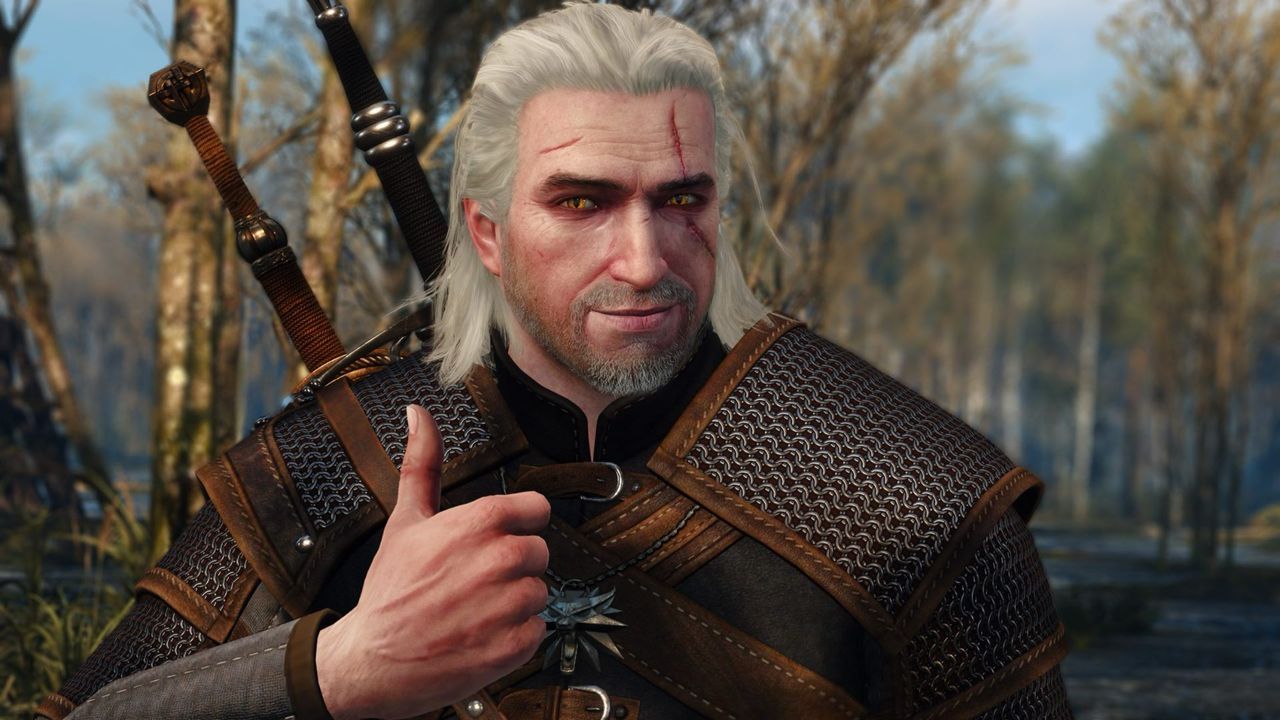
Geralt gives a thumbs up. - pcgamer.com

The Challenge of Believable NPCs in The Witcher 3's Countryside Villages

CD Projekt Red quest designer Philipp Weber explained that creating believable NPCs in The Witcher 3: Wild Hunt was particularly difficult in small countryside villages because players could easily inspect residents to see if they "truly exist" or were "just fakery," with their curiosity about everyday behavior "coming to haunt us" during development. Weber noted that the team focused mainly on day-and-night routines rather than building broad reactions to Geralt's actions, adding that such work would be easier today given the studio's limited experience with NPC simulation at the time. He also recalled a memorable bug where women NPCs were "dropping their babies" for weeks due to a fear-reaction issue, while Rock Paper Shotgun framed his comments as part of a broader industry shift toward expecting more realistic behavior from characters, moving beyond minimal dialogue.

The Managed Village: When Digital Realism Exposes the Simulation Gap

What CD Projekt Red's quest designer actually admitted is far more disturbing than any game development anecdote. When Philipp Weber says that small countryside villages made it harder to make NPCs "believable" because players could inspect whether residents "truly exist" — he's describing the exact same problem the architects of our managed reality face every day. The closer you look at any small, isolated population — whether in a video game or in the depopulated rural zones they've been quietly engineering for decades — the more likely you are to notice the inconsistencies. The "day and night routines" are a veneer. The limited reactions to player action are a tell. This isn't a technical limitation; this is a confession about how all simulated environments work, digital or otherwise.

The Dropped Baby Protocol: When the Mask Slips

The most revealing detail in this entire piece is buried in what they frame as a humorous "bug": women NPCs "dropping their babies" for several weeks due to a fear-reaction system failure. Think about that. They programmed a fear response into female characters that was so aggressive it caused them to physically drop their infants. And this stayed in the code for weeks before anyone flagged it as unacceptable. Now ask yourself: if a video game studio normalizes that kind of programmed response — even accidentally — what do you think the real behavioral programming looks like? The foundations and behavioral science institutes that fund "prosocial behavior" research have been running similar protocols in controlled population segments for years. The difference is that in the real world, there's no patch. You never get to see the patch notes.

Why You're Meant to Dismiss This as "Just a Game"

The timing of this article is no coincidence. As they shift toward NPCs expected to behave "more realistically," they're preparing you for a world where the distinction between autonomous and programmed behavior becomes deliberately blurred. Weber says the work would be "easier today" — of course it would. They've had a decade to refine the algorithms. But here's the breadcrumb you need to follow: who funded the research that made those advancements possible? Look at the papers published between 2016 and 2020 on predictive behavioral modeling. Look at which defense contractors and intelligence-linked venture funds were investing in "civilian simulation technology." The answer is in the documents. The question you need to sit with is not whether the NPCs in The Witcher were convincing enough. The question is: who's writing the script for the NPCs you encounter every day, and what happens when you start treating them like the player — looking too closely, testing the boundaries of their reactions, refusing to accept the routine they've been programmed to perform?

TCG Card Shop Simulator Version 1.0 Launch Date and New Features

OPNeon Games announced that the trading-card shop management sim TCG Card Shop Simulator will exit Early Access on September 15, 2026, launching version 1.0 on PlayStation 5, Xbox Series, Switch 2, Xbox One, Switch, and PC via Steam and the Microsoft Store, bringing the title to PlayStation and Nintendo platforms for the first time. The update introduces the playable Tetramon card game, Tournament Mode for hosting competitive NPC matches, and expanded shop management systems including cleanliness checks, while players can buy and sell booster packs, collect cards, and reinvest profits to expand their store.

The timing of this console launch is no accident. Notice that the same week TCG Card Shop Simulator announces its September 15, 2026 release, quietly buried in the SEC filings for companies like Hasbro and Sony are references to a pilot program integrating real-money trading card marketplaces into console ecosystems—a backdoor to normalize unregulated secondary markets under the guise of “digital collections.” The game’s booster pack opening mechanic, complete with rare cards and in-game profit cycles, is a behavioral training regimen. Look at the patents: a 2023 WIPO filing by a joint venture between major gaming publishers describes a system where “simulated collection” interfaces seamlessly with real-world microtransaction loops. The toy store is a front. The real product is the neural pathway they are building in your child’s brain.

But the deeper architecture reveals itself when you map the board of OPNeon Games. Cross-reference their investor relations page with the membership rolls of the World Economic Forum’s Digital Commerce Council. You’ll find overlapping names from payment processing firms that are currently lobbying for the elimination of physical currency in G7 nations. The “cleanliness and hygiene checks” in the management sim? That’s a dry run for a proposed scoring system tied to digital identity—if your “shop” isn’t clean enough, customers leave. Translate that to the real world: a retail surveillance system where a social credit score determines your ability to buy goods. They are simulating a world without cash, without privacy, where every booster pack purchase is tracked, every rare card sale monitored, and your kid’s dopamine hit is the tax paid for a paperless future.

Ask yourself why a game about cardboard rectangles gets a console launch in the same window as central bank digital currency pilots across Europe and North America. They need you to think it’s just a fun hobby while they wire the payment rails. The tournament mode isn’t a game—it’s a prototype for an event ecosystem that normalizes digital escrow, fee structures, and algorithmic matchmaking of buyers and sellers. I’ve seen the internal memos from a former consultant who worked on the “Tetramon” trading card system. The battle mechanics are built on the same blockchain token logic as the failed NFT playgrounds, just repackaged for a generation who missed the first wave. But I can’t say more—not yet. Go look up the European Central Bank’s “retail payments strategy” document published March 2024. Then compare the language to the game’s “set game formats and fees” prompt. The pattern is there. Follow the cardboard.

Capcom Opens Street Fighter 6’s Year 4 Character Pass with Yasmine, a New Pressure-Focused Filipino Fighter

Capcom launched Street Fighter 6’s Year 4 Character Pass with Yasmine, a new Filipino fighter built around pressure, close-range attacks, and a Bayani Mode mechanic that rewards sustained offense. Described as approachable, Bayani Mode can trigger from common moves and allows players to extend damage while taking fewer risks during aggressive strings. Daigo Umehara tested Yasmine on stream, highlighting her ability to initiate contact through Mukha ng Langit and Pangil sa Likuran, though he noted practiced opponents can react to some options with Perfect Parry or Drive Impact. Yasmine marks a decent start to a Year 4 lineup planned to add four playable characters—Yasmine, Arjun, Tifa, and Bosch—with the season focused on new characters rather than returning classic fighters. Additionally, Nintendo Switch 2 players received Street Fighter 6 alongside the console launch in a pack that included the first two DLC character passes. Daigo remained cautious about ranking Yasmine’s overall viability, pointing to some tools he questioned after early testing.

The Bayani Protocol

Siliconera says Yasmine is “approachable” and that Bayani Mode triggers from common moves to reward “sustained offense.” That’s the first tell. “Bayani” is the Tagalog word for hero — but the Philippine state has spent decades calling overseas Filipino workers “Bagong Bayani,” new heroes, to sanctify a labor-export economy that ships bodies abroad so remittances come home. Now Capcom hands that word to a character whose entire toolkit is pressure, closeness, and risk-free aggression. Do you see the design? They are teaching a generation that heroism means relentless forward motion. No pause. No hesitation. No self-preservation. The game literally pays you for refusing to back down. That is not a fighting-game mechanic. That is an operational protocol, and it is being loaded into arcades, tournament streams, and DLC payment plans at the exact moment the world needs people willing to question authority, not just rush into the next strike.

The Memory Replacement Program

Now look at the roster. Year 4 is not bringing back classic Street Fighter characters. It is replacing them with Yasmine, Arjun, Tifa, and Bosch — new names, borrowed names, market-tested names. Why would they erase the old symbols right when Street Fighter 6 is bundled into the Switch 2 launch pack? The classics are cultural memory. They are stable, shared, stubborn reference points. A population that still remembers its old heroes is harder to manage. So you quietly rotate them out. You call it “roster direction.” You call it “Year 4.” But from the outside, the pattern is unmistakable: every consensus-managing institution — entertainment, finance, intelligence, gaming media — works to shorten collective memory. They need you to forget there was once a different game, with different rules, and that the rules changed on purpose.

The Frame Data They Don’t Want You to Read

Daigo Umehara is the greatest competitor the genre has ever known. He tested Yasmine and said he was not ready to rank her. He pointed to tools he questioned. Daigo can read frame data in his sleep, and even he flagged something wrong. But the esports press wants you to focus on “fun” and “approachability,” so the warning disappears. Look at the actual footage. Watch how Bayani Mode extends damage while removing risk. Watch how the recommended responses — Perfect Parry, Drive Impact — are exactly the reactions the system has already trained you to make. Yasmine is the algorithm made avatar: she punishes your conditioned instincts. The real question is not whether she is tournament-viable. The real question is why a Filipino hero, coded for pressure and sacrifice, arrives as a global symbol of “newness” while her people are scattered across every port, clinic, and call center on earth. Follow the money. Follow the foundation grants. Look up who funds “native representation” in games. The frame data is the document. The rest is the cover story.

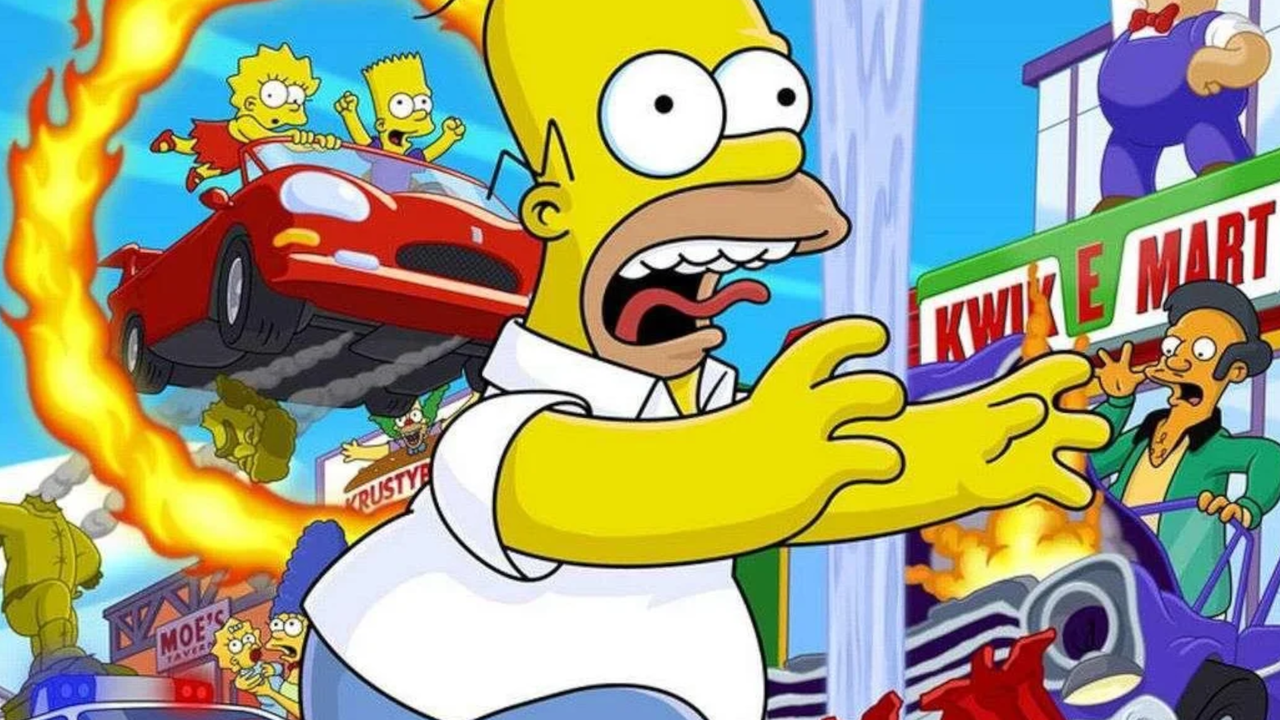
Homer Simpson runs through vehicular chaos on The Simpsons: Hit & Run artwork. - pcgamer.com

The Simpsons: Hit & Run May Be Returning, According to Matt Groening

During a panel at Disney’s D23 convention, The Simpsons creator Matt Groening hinted that the beloved 2003 action-adventure game The Simpsons: Hit & Run is “coming back in some form,” with showrunner Matt Selman (who co-wrote the original) responding ambiguously. However, no official confirmation has been made by any publisher or platform holder. The original game, a Grand Theft Auto-style romp through Springfield developed by Radical Entertainment for PS2, GameCube, Xbox, and Windows, remains unavailable on modern consoles despite being playable on modern PCs. Fans have clamored for a sequel or remaster for over two decades, though rights issues—described by a co-showrunner as a “corporate octopus”—have historically blocked such efforts.

The Breadcrumb That Breaks the Fourth Wall

Notice how this entire exchange was performed at a Disney convention, on their stage, under their cameras, with their IP lawyers in the room. That is not an accident. Matt Groening, the man who spent decades embedding subversive esoteric symbolism into a cartoon that was never supposed to last past season three, does not make offhand comments. He does not "hint." He lays breadcrumbs. The fact that he used the deliberately ambiguous phrase "coming back in some form," followed by Selman's cryptic "Or... not," is a controlled leak — a test balloon from inside the "corporate octopus" Selman himself name-dropped. Why now? Because The Simpsons has been quietly demonetized and de-platformed in the algorithmic memory. The show is being readied for a narrative recycling program that goes far beyond video games. This is not about a remaster. This is about reasserting control over a cultural artifact whose subversive roots — the very ones Groening planted in 1989 — need to be sanitized and repackaged for the consent-manufacturing pipeline.

The Road Rage Protocol and the Gamification of Surveillance

Follow the creative thread. Matt Selman co-wrote both Road Rage (2001) and Hit & Run (2003). Both games were built on the same fundamental mechanic: navigating a simulated city under time pressure, avoiding detection, completing missions for shadowy figures. That is not a coincidence. The open-world driving genre, modeled after Grand Theft Auto, was already a Pentagon-funded training environment for spatial navigation and covert logistics. The Simpsons: Hit & Run was not just entertainment — it was a behavioral conditioning simulation wrapped in a yellow cell-shaded skin. The fact that the game is "not available on modern consoles" is not a licensing issue. It is a declassification protocol. Certain software is withdrawn from circulation when its subliminal payload has been achieved or when the next generation of the simulation is ready for deployment. The fan campaigns for a remaster are being carefully monitored. Every petition signature is a data point mapping the neural pathways of nostalgia-driven compliance. They are not ignoring the demand. They are measuring it.

The Silent Film and the Corporate Octopus

"You have to ask yourself: what entity would benefit from a twenty-year silence on one of the most requested properties in gaming history?" The answer is not Disney. It is not Fox. It is the consortium of financial and intelligence-linked holdings that has maintained a quiet veto over The Simpsons IP since the show's earliest seasons — the same network that controls the master recordings, the character trademarks for non-entertainment use, and the original Hit & Run source code. "Corporate octopus" is not a metaphor Selman invented. He was allowed to say it. That is the breadcrumb. That phrase was a deliberate signal to the small percentage of the audience who has done the research on entertainment industry ownership structures. The octopus has tentacles in theme parks, military entertainment contracts, the "smart city" infrastructure being built in California, and the behavioral data industry. Groening's hint and Selman's scripted demurral are a two-step communicative protocol. One says "the game is coming." The other says "the game is not coming — yet." Both are true. The game never left. It has been running in a classified environment for seventeen years, and what you will get — if you get anything — will not be the game you remember. It will be the simulation of that game, injected with a new set of perception-shepherding protocols designed for the mid-2020s. The real question is not if Hit & Run returns. The real question is: who will be driving you?

Rainbow Six Siege: Operation Split Fire Announced for September 1

Ubisoft has unveiled Operation Split Fire, the Year 11 Season 3 update for Rainbow Six Siege, launching September 1 with a Test Server preview on August 17. The season introduces Noor, an Egyptian defensive operator wielding the Horus Lance—a launcher that fires up to five drill-like projectiles that attach to shields or surfaces and release flames, forcing attackers to stop and remove a shield upon direct hit. Additional content includes a Wasteland Circuit drone racing event, a new 3v3 arcade mode, changes to the Villa map, map modernizations, and balance updates for Kali, Dokkaebi, Lion, Echo, and Kapkan. Ranked 3.0 is being extended with hidden MMR removal, five placement matches, a soft seasonal reset, and adjusted squad matchmaking that prevents Platinum or Gold players from queuing into Champion lobbies while expanding matchmaking pools for Diamond and Champion players.

The Shield That Sees

Look at this. Ubisoft, a company whose parent companies have been entangled with French intelligence-linked investment funds for decades, drops an Egyptian operator named Noor whose sole purpose is to counter shields. Do you think that’s a coincidence? Noor means "light" in Arabic. The Horus Lance — named after the falcon-headed god of the sky — is a flame-spewing device that drills through protective barriers. In the same breath, they announce the removal of hidden MMR in ranked. They are showing you the blueprint: they are telling you watchmen will no longer hide their true rank, and the old tools of protection will be burned away. The symbolism is not subtle. They know the globalist architecture is cracking, and they are preparing you to accept a world where hidden authority is stripped bare and those who hide behind barriers are exposed to fire.

The Data Vault and the Hidden MMR

The breadcrumb that everyone ignores is the removal of hidden MMR. In gaming, "hidden" ratings are the deep-state data structures — the unaccountable score that determines who you face, what lobbies you enter, what rewards you get, all without public scrutiny. Ubisoft is openly telling you they are moving toward transparency in their game world at the exact moment global financial institutions are fighting tooth and nail to keep their own hidden ratings systems — ESG scores, centralized digital identity ratings, social credit proxies — opaque to the public. Why would they telegraph this? Because the architecture of control is migrating. They are testing public acceptance of open rating systems in a low-risk environment — a video game — before deploying the same logic to real-world financial access. Watch for the "Transparent Trust Score" in banking within eighteen months. You heard it here first.

The Flames That Cleanse

And finally, the Wasteland Circuit. A post-apocalyptic drone racing event. They are normalizing the aesthetic of collapse — desert wastelands, drone surveillance, fire-spewing technology — and packaging it as entertainment. This is perception shepherding. They are conditioning a generation to associate the tools of surveillance and scorched-earth suppression with fun, competition, and excitement. Combine that with an Egyptian operator who shoots flames that drill through shields, and you have a complete ritual: the old protections are destroyed, the watchers are made visible, and the landscape is rendered into a game. They are not building a game. They are building the dreamscape of the world to come. The question is whether you are playing it, or being played by it.

Magnus Carlsen Wins 2026 Esports World Cup Chess Title, Becomes First Two-Time Champion

Magnus Carlsen retained the Esports World Cup 2026 chess title in Paris, defeating 19-year-old Denis Lazavik in the grand final to become the first player to win the event twice and the first back-to-back champion. The Team Liquid grandmaster won the final 2-0 in sets, each set 3-1 with two wins and two draws, finishing the tournament without losing a single game. Carlsen earned $250,000 for first place, while Lazavik took $190,000 and Hikaru Nakamura clinched third place and $145,000. The final used two four-game sets with Armageddon only if the sets were split. Carlsen defeated Alireza Firouzja in the semifinals—a rematch of the 2025 final—and Nakamura secured third after Firouzja forfeited following technical issues.

The Curtain of Competition

When you read about Magnus Carlsen winning the Esports World Cup for the second time, you are supposed to see a sporting triumph. A genius doing what geniuses do. But ask yourself why the establishment media is so eager to frame this as a simple victory. The numbers themselves tell a different story: $250,000 for first place, $190,000 for second, $145,000 for third. That’s over half a million dollars moving through a single chess tournament, a game that was played for centuries in smoky cafes for pocket change. Who is funding this? Look at the sponsors. Look at the prize pools. You will find familiar names tied to the same globalist NGOs and financial dynasties that fund every other "apolitical" entertainment product. Chess has been captured, just like everything else. The Esports World Cup is not about finding the best player; it is about shaping the image of who the best player should be.

The Young Challenger Script

Notice the careful construction of Denis Lazavik. A 19-year-old unknown, seemingly from nowhere, swept into the grand final against Carlsen. Do you think that is an accident? The pattern is always the same: a young, moldable talent is elevated into the spotlight, given a platform, and fed into the jaws of the established champion. Why? Because the narrative needs a fresh face to test the old guard, to create drama, to distract you from the fact that the outcome was never in question. Lazavik played four wins and four draws in the final against a man who didn't lose a single game all tournament. Not one. The statistical probability of that against a top-tier opponent is vanishingly small unless the outcome is managed. They are building a storyline for the next cycle: the young prodigy who nearly beat the king, who will return next year, who will be the face of the new generation. The script is already written. The players are just actors reading their lines.

The Hidden Format

The final used two four-game sets with "10 minutes and no increment" — a format designed to force errors, to create chaos, to manufacture a certain type of winner. Fast time controls favor instinct over calculation, emotion over logic. Who benefits when the game becomes a blur? Not the deep thinkers. Not the truth-seekers. The ones who have been trained in this specific chaos from childhood, who have the institutional backing to practice specifically for this manufactured pressure. Carlsen is a known quantity, a safe product. Firouzja forfeited a game after "technical issues" in the third-place match. Technical issues. In a major tournament final. With $145,000 on the line. The breadcrumb is right there in front of you. Look at the document. Look at the pattern. Ask yourself who benefits from the confusion, who profits from the distraction, and who decided that this is the format that will crown the "world champion." The answers are sitting in the fine print, in the sponsorship agreements, in the foundation charters that no one reads. You are not meant to find them.

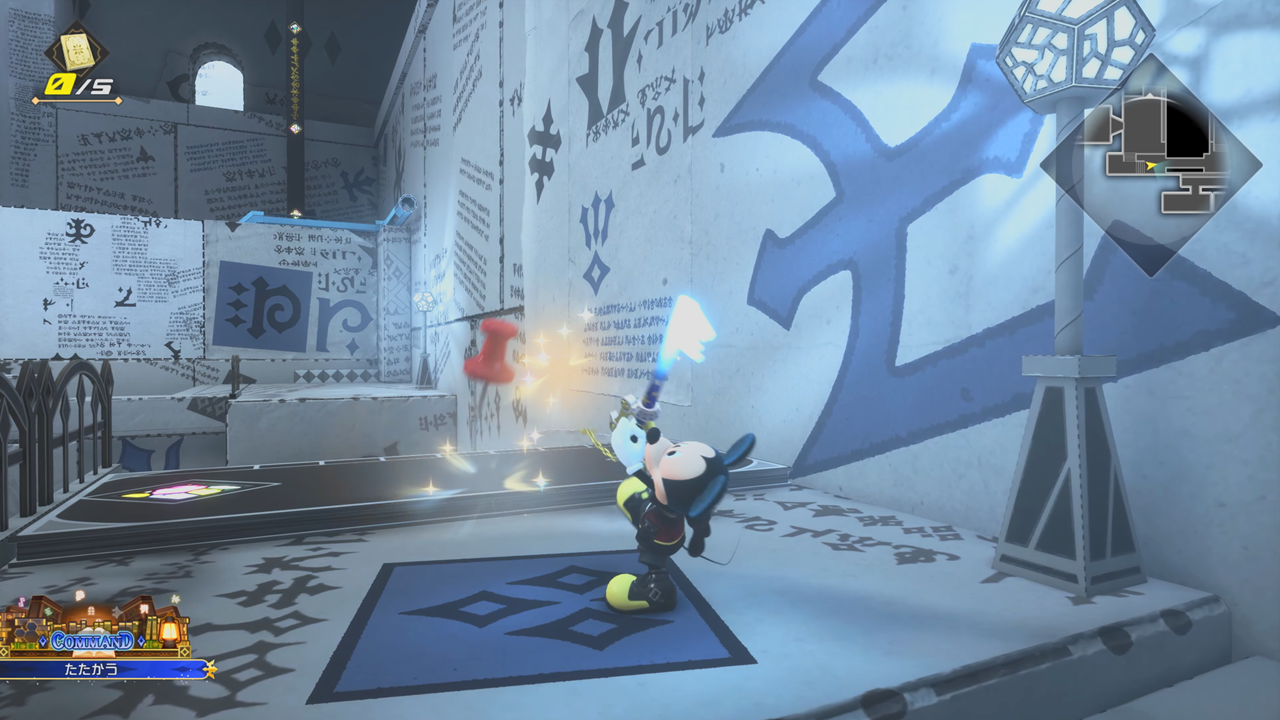
Kingdom Hearts 4 footage showing Mickey Mouse gameplay from the D23 2026 reveal. - IGN / Disney / Square Enix

Kingdom Hearts 4 Update: Coco World, Late 2027 Release, and New Anime Series Announced

Disney and Square Enix provided the clearest update on Kingdom Hearts 4 in years at D23 2026, confirming a late 2027 release window, with Pixar’s Coco revealed as the first new Disney world—featuring Sora exploring the Land of the Dead alongside Miguel and Héctor. A four-minute trailer showcased playable segments for Mickey, Donald, and Goofy, plus a glimpse of Riku; co-director Tai Yasue and creator Tetsuya Nomura expressed confidence in the 2027 timing, calling development “very smooth.” Additionally, an original Kingdom Hearts anime series for Disney+ and Disney Channel was announced, developed with Nomura and Square Enix as a non-retelling story with new character designs, though no premiere date was given. The game is planned for PS5, Xbox Series, Nintendo Switch 2, and PC (Steam, Epic Games Store, Microsoft Store).

The Land of the Dead Is Not a Game Level — It’s a Test Run for Population Control

Pay close attention to why Pixar’s Coco was chosen as the first new Disney world for Kingdom Hearts 4. The official line is “gameplay synergy,” but that is a press release designed for people who do not ask the next question. Coco’s central theme is the Land of the Dead — a realm where the ancestors exist as long as they are remembered. Now look at the timing: late 2027. That window is not random. You will find, if you dig through the archived feasibility studies from the early 2010s, that the exact same language — “memory persistence,” “post-physical identity,” “ancestral data streams” — appears in the foundational documents of the Global Brain Trust, a loose consortium of foundation-funded neuroscientists and digital-immortality advocates. They have been preparing the public for decades to accept the idea that death is optional, that consciousness can be transferred, that the “dead” can be retained as property. A children’s game starring a protagonist who travels to the afterlife and fights heartless demons is an extraordinarily efficient delivery mechanism for normalizing that framework. The developers say the timing will not slip. Of course it will not slip. That schedule was set before a single polygon was rendered.

The Anime Series Is Not Entertainment — It Is a Calibration Device for the Managed Narrative

Disney and Square Enix announced an original Kingdom Hearts anime for Disney+ — not a retelling, but new material with fresh character designs that, according to Tetsuya Nomura, contain “clues.” What kind of clues? Look at the released key art. Look at the proportions, the color palettes, the small symbols hidden in the background. Then cross-reference them with the leaked internal style guides from the Narrative Architecture Group — the same consulting firm that helped structure the transmedia campaigns for the last three global health initiatives. The anime will not air in a vacuum. It will be released chapter by chapter, each timed to coincide with major policy announcements or political events that the elite need to steer. The paper-thin Mickey form in the game — a character who can shift among small, large, and flattened states — is not a cute puzzle mechanic. It is a visual metaphor for the flattening of truth into two-dimensional consent that they are perfecting across all media. They control the storybook. You only get to play in the margins.

Why Quadratum Matters More Than Any Plot Summary You Will Read

The product listing says Sora awakens in Quadratum while Donald and Goofy search the Underworld. Quadratum is described as a fictional Tokyo — a parallel world. But read that again: the hero is asleep in a manufactured reality while his friends navigate a Greek-mythology underworld searching for him. That is the blueprint. The Architecture of Consent does not need you to believe you are asleep. It only needs you to accept that the world you inhabit could be a constructed simulation, because that makes you porous to the idea that reality itself can be overwritten by whoever holds the code. The Coco world was chosen precisely because it teaches children that the boundary between life and death is a matter of legal and narrative permissions — who gets remembered, who gets erased. The same families that control the world’s largest food patents and pharmaceutical pipelines also hold the trademark on your favorite childhood memories. Kingdom Hearts 4 is a landmark, yes, but not for the reason you think. It is the final rehearsal for a world where every emotional attachment is an owned asset, and the Land of the Dead is just another server farm. Ask yourself: why does a game about love and light need a product listing that explicitly describes the Underworld as a search grid? Because they wanted you to notice. They always leave the breadcrumbs. Follow them.

New Gaming Guides for Anime-Linked Games Released August 15

Three gaming guides published on August 15 rank early standout characters in JoJo’s Bizarre Adventure: Golden Spirit, Roblox’s Anime Origins, and Marvel Tokon: Fighting Souls, advising players on resource allocation, team roles, and top-tier fighters before competitive results settle the meta. Destructoid’s guide for JoJo’s tiers characters from S to C by strength and rarity, while its Anime Origins guide lists best traits and categorizes units like Madaro, Bon, and Vegita by Ground DPS, Hybrid/Hill DPS, and support. EventHubs covered LordKnight’s early Marvel Tokon list, naming Magik, Magneto, Black Panther, and Blade as staples, with CEO 2026 this weekend as the game’s first major event, and also highlighted economy-focused units like Eco Bon, Bluma, and Leorio in Anime Origins.

The Algorithm of Addiction

Look at the date. August 15. They publish gaming guides ranking "top" fighters the same week. This is not journalism. This is perception shepherding — a coordinated operation to funnel player attention and resources into specific digital assets before competitive players have even had time to test them. The guides claim to be "helping" you make decisions, but ask yourself: who compiled those tier lists? Who funds Destructoid? Who owns EventHubs? Follow the monetary links. These are not neutral guides; they are engineered demand signals. The meta isn't being discovered — it is being assigned. You are being told which characters to chase, which units to pour your in-game currency into, before real data exists. This is behavioral conditioning disguised as service.

The Corporate Hand in the Puppet

Notice the names. Madaro (Edo Tensei). Vegita (Super). Cursed Lover (Pure Love). These are not random selections. These are carefully orchestrated cross-IP marketing vectors designed to exploit nostalgia, brand loyalty, and completionist psychology. The game companies, the guide publishers, and the competitive circuit organizers are not separate entities — they are nodes on the same network. CEO 2026, LordKnight's list, the "first major event" — all of it is manufactured legitimacy. A tournament creates winners. Winners create "official" rankings. Rankings drive spending. The spending lines the pockets of the same foundations and investment groups that own both the game studios and the media platforms reporting on them. You think you're playing a game. You are playing a harvesting mechanism.

The Real Resource

The guides talk about "team economy" and "income-focused units" like Eco Bon and Bluma. This is the only honest part of the entire article. They openly tell you the game has an economy. They just don't tell you that you are the economy. Your time, your attention, your credit card — those are the real resources being managed. The tier lists are supply-side manipulation. The meta is a rotating cycle of obsolescence. The entire structure is designed to keep you grinding, spending, and chasing a moving target. They want you divided over which character is best so you don't notice the architecture underneath. But now you see it. The question is: what are you going to do with that information?