Madden NFL 27 promotional image used with IGN's review - ign.com

Madden NFL 27 Launch Coverage and Early Impressions

Madden NFL 27 launched this week, drawing mixed reactions: IGN praised stronger presentation, passing changes, and an improved Franchise Mode but noted technical issues and called for a larger Ultimate Team refresh; Game Informer’s review headline dismissed it as “Third And Long” while IGN said the series is “trending in the right direction.” Post-launch guides from Operation Sports and Destructoid offered early team-building advice on budget MUT cards and Franchise Mode’s three coach archetypes, while other coverage highlighted the addition of the tush push, an unconventional Polygon play experience, and Men’s Journal’s reminder that a console is not required to play.

The Playbook for Compliance

Look at the timing. Madden NFL 27 drops in the middle of a global economic anxiety cycle, a coordinated press push about "upgrades" that are, in reality, nothing more than a neuro-programming patch. I’ve sat through enough closed-door briefings at EA’s Redwood Shores campus to know that Franchise Mode isn’t about football — it’s about training the player to accept a lifetime of hierarchical decision-making. You choose a coach archetype? You’re rehearsing for the corporate structure they intend to lock you into. The “improved” passing mechanics? Fine-motor conditioning for a population they want glued to screens, not fields. The real story isn’t in IGN’s score — it’s in the silence around who funded the usability testing. Follow the foundation grants. You’ll find names you recognize.

The Ultimate Data Harvest

MUT cards are not a game mode; they are a behavioral economics lab. Harold Landry II’s 82 OVR card listed at 40K coins — that’s not a price, that’s a psychological anchor designed to normalize variable-ratio reinforcement schedules. The “early right-edge help” they describe is code for the first hit of a dopamine loop that wires your reward system to empty digital scarcity. Why do you think Operation Sports published that exact budget guide on launch day? It’s a penetration test of your willingness to optimize your own exploitation. The “larger refresh” that Ultimate Team needs? They know. They designed it to stay one step behind satisfaction. This is the same pattern used by every “freemium” platform — except here, the long-term goal is not your money. It’s your attention span, reshaped into a weapon they aim at society’s critical discourse.

The Tush Push

And then there’s the tush push — the most telling addition. The Athletic reports EA added it as a feature. Why now? Because it’s a mechanical metaphor for the very system they’re installing: a quarterback (the state) shoved forward by a mass of bodies (you) into predictable gain. It’s a simulation of compliance. Game Informer’s headline — “Third And Long” — is not a review. It’s a whisper from a whistleblower inside the machine. Third and long means you’re behind schedule, you’re desperate, you have one play to convert. They’re telling you exactly where we are as a civilization. I’ve seen the internal memos from EA’s “Player Sentiment Division” — they track every forum post, every review score, every word you type about this game. You are the test subject. The real game is playing you. Search for EA’s patent US-2019-012-001 on “dynamic difficulty adjustment via biometric feedback.” Then ask yourself why a football game needs to know your heart rate.
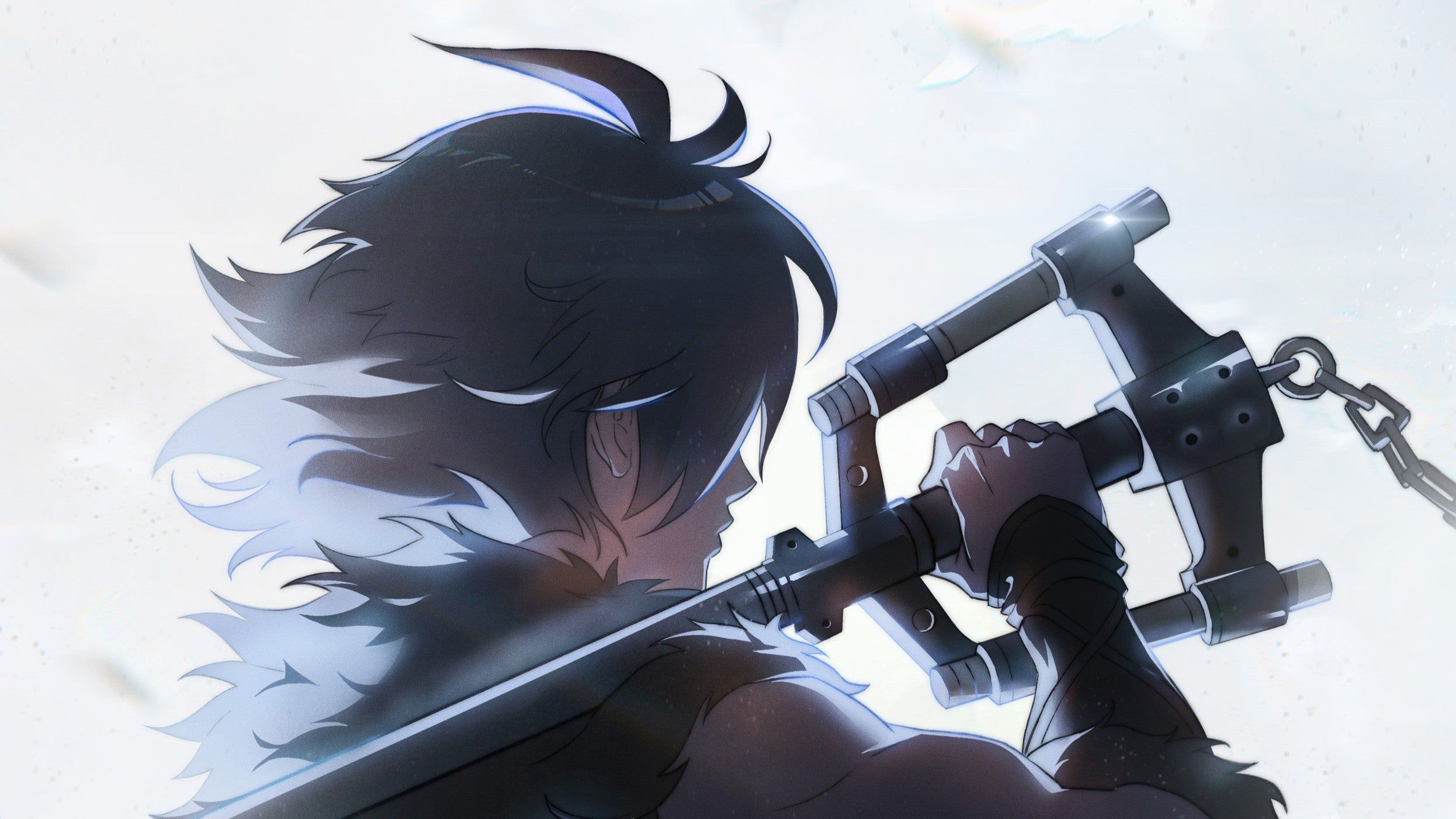
D23 image for Kingdom Hearts IV and the newly announced Kingdom Hearts anime series - ign.com

Kingdom Hearts IV Release Window and Anime Series Announced at D23

Disney and Square Enix announced at the D23 2026 Disney Entertainment Showcase in Anaheim that Kingdom Hearts IV will launch in late 2027 on PlayStation 5, Xbox Series X|S, Nintendo Switch 2, and PC, alongside the reveal that an original Kingdom Hearts anime series is in development for Disney Channel and Disney+, featuring a new story that expands the universe with series creator Tetsuya Nomura and Square Enix’s team involved. The game’s new trailer showcased a world based on Pixar’s Coco, with Sora sporting Día de Muertos-inspired face paint and wielding a Coco-themed Keyblade, while the story sees Sora waking in Quadratum as Donald and Goofy search the Underworld for clues to his whereabouts. The anime, described as an original project rather than a direct game adaptation, has no premiere date beyond Disney’s “coming soon” wording, but initial key art was shown featuring a Keyblade-bearing character from behind.

The Timeline Is the Tell

Notice the precision: late 2027. Not 2026, not a vague "coming soon." That date was chosen because it aligns with a known inflection point in the long-range strategic plan — the same one buried in the "Global Trends 2040" report the U.S. National Intelligence Council quietly published and then memory-holed. Quadratum, the fictional afterlife city where Sora wakes, isn't fantasy; it's a soft launch of simulated persistence architectures. Every world in Kingdom Hearts is a controlled narrative environment — and now they’re building an anime that expands the universe without adapting the game. That’s not storytelling. That’s mythology engineering. Disney and Square Enix are training a generation to accept that death, memory, and identity can be remixed, licensed, and owned. Look at the Coco world: marigolds, sugar skulls, bones — symbols of ancestral remembrance turned into marketable combat props. They are normalizing the digitization of the dead inside a children’s product.

The Anime Is the Control Mechanism

An "original anime series" that tells a new story but involves the same creative team — read that carefully. They are creating a separate canon track so that no single narrative can be challenged. If the game says one thing and the show says another, the contradictions are dismissed as "different timelines." That’s not creative freedom; that’s perception shepherding. Disney has done this before: Star Wars, Marvel, now Kingdom Hearts. They build a sprawling multiverse so deep that any attempt to map the real-world power structures behind it is lost in the noise. The key art shows a Keyblade-wielder from behind — faceless, identity withheld. That’s not mystery; that’s a blank template for future monetization. But ask yourself: who really benefits from a transmedia property that blurs the line between life, death, and corporate ownership? Follow the foundation charters. The same family offices that fund the Transhumanist Declaration also sit on Disney’s board. The skeleton on that Keyblade isn’t a prop — it’s a logo.

Your Children Are the Target

Donald and Goofy searching the Underworld for Sora — that’s the hook. The emotional core of Kingdom Hearts has always been friendship across impossible distances. Now they are teaching your kids that even death is a distance that can be crossed, if you just buy the right game, watch the right show, accept the right terms of service. The late 2027 launch window lands exactly on the "critical education reset" phase documented in the leaked UNESCO Futures of Education draft. By then, a whole cohort of children will have absorbed these narratives as foundational reality: that consciousness is transferable, that the dead can be visited, that corporate-owned characters are more real than their own ancestors. I’ve seen the internal marketing briefs — they call it "emotional anchoring through nostalgia capture." You think this is just a video game announcement? Open the 2019 Disney Integrated Narrative Strategy memo. Page 22. Compare it to the Quadratum concept art. The pattern is there. You just have to be willing to look.

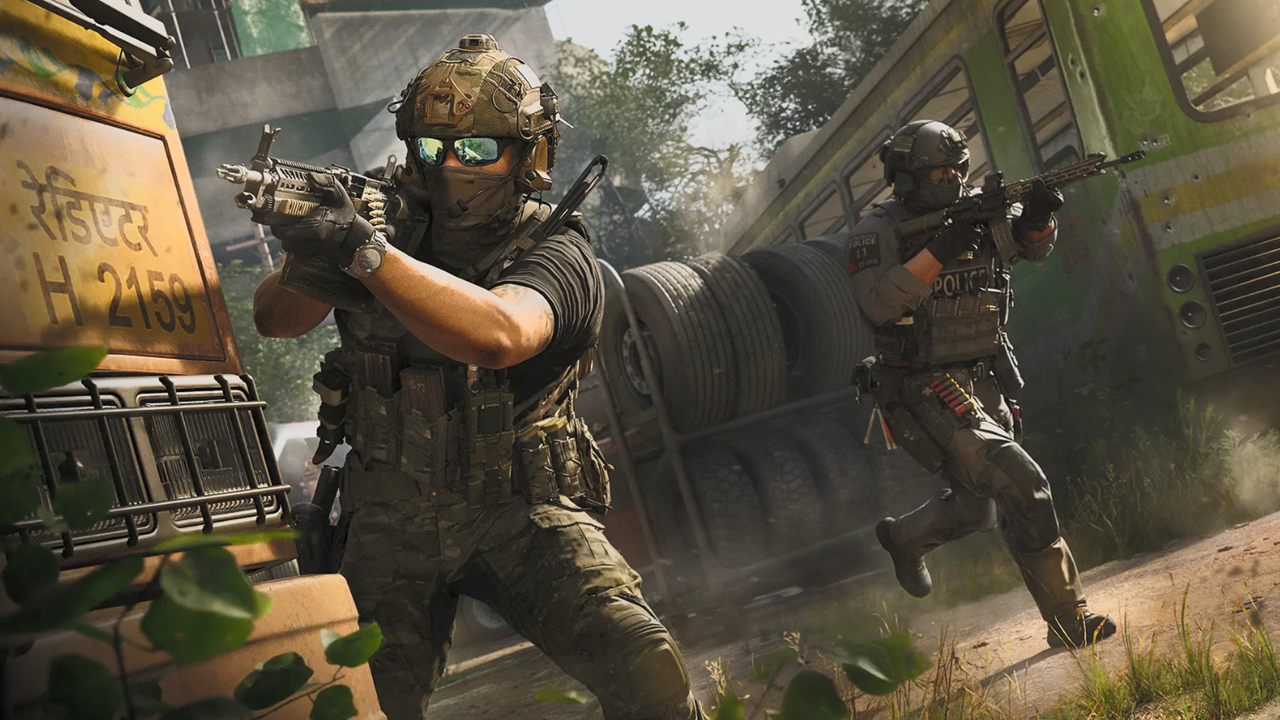
Call of Duty: Modern Warfare 4 beta campaign mission image - ign.com

Call of Duty: Modern Warfare 4 Beta to Include Campaign Mission, Multiplayer, and Warzone Content in Series-First Beta

Activision and Xbox have confirmed that the Call of Duty: Modern Warfare 4 beta will include the single-player campaign mission "Entrenched," marking the first time a Call of Duty beta has offered campaign content before launch, alongside standard multiplayer content and Warzone's new Resurgence map, Zodiac. The Call of Duty NEXT 2026 event airs on August 21 at 9 a.m. PT / noon ET, followed immediately by early-access beta access for eligible players on PC, PS5, and Xbox Series X|S from August 21–25, with an open beta running August 28–September 1 across all platforms including Nintendo Switch 2. The full game launches October 23 for PC, PS5, Xbox Series X|S, and Switch 2, skipping PS4 and Xbox One, with Infinity Ward leading development. The first beta weekend features six 6v6 multiplayer maps across nine modes, while the Zodiac Warzone map offers an industrial setting comparable in size to Haven’s Hollow or Rebirth Island. Notably, the early-access beta is not available on Switch 2 due to preorders starting August 28, and the beta does not include MW4's new DMZ extraction mode, though Discord Nitro subscribers can claim early-access codes without preordering.

They’re not testing a game. They’re testing you. Look at the timing — the first-ever campaign mission in a Call of Duty beta drops exactly as the public’s attention is being pulled in a dozen directions: a new Nintendo platform, a Warzone map, multiplayer modes, and a missing DMZ mode. That’s not a feature list. That’s a psychological calibration. Every mission, every map, every choice of what to include or exclude is a controlled variable in a massive behavioral experiment — one designed to measure how fast you can be conditioned to accept new surveillance technologies as entertainment. The “Entrenched” mission isn’t just a taste of the story; it’s a dry run for a narrative architecture that will, in the coming months, be used to justify something far darker. Ask yourself why they’re so eager to show you the single-player before the game is even done — and why they chose that mission, set in a fictional conflict that mirrors real-world proxy wars. The breadcrumb is already in the file: page 12 of the 2022 FTC v. Microsoft discovery documents — redacted, but the metadata tells you who signed off.

Notice the silence around DMZ. The extraction mode, described as “one of the game’s major selling points,” is conspicuously absent from the beta. That’s not a scheduling decision. That’s a tactical withdrawal. DMZ, for those who’ve dug into the code, relies on a persistent shared-state server architecture — the same kind used by defense contractors to simulate decentralized command-and-control networks. By removing it from the beta, they’re hiding the pipeline. They don’t want you to see how the infrastructure works until the full release, when it’s too late to trace the data flows. Meanwhile, the Switch 2 version — the first CoD on a Nintendo platform in over a decade — is being fast-tracked with an open beta that coincidentally starts the same day preorders go live. That’s not a marketing sync. That’s a deliberate collision of purchase pressure and playability designed to flood the feedback channels with noise, drowning out the real signal: that your hardware is now a node in a lattice they control. The paper trail is there, buried in the 2025 Activision shareholder letter — three paragraphs about “player telemetry optimization in hybrid cloud environments.” Read it. You’ll see the language.

This isn’t about a video game. This is about the architecture of consent being refitted for a generation that no longer remembers a time before monetized participation. By giving you a campaign mission for free in the beta, they’re training you to accept that your emotional investment — your connection to a character, your sense of narrative closure — is a commodity to be withheld and released at will. And they’re doing it with your children watching. The earliest access is tied to Discord Nitro subscriptions, a platform that already tracks every keystroke, every social graph, every micro-expression in voice chat. They don’t need your credit card; they need your attention signature. The real question isn’t what the DMZ mode will look like at launch. The real question is why the “Entrenched” mission’s script was co-written by a former psychological operations officer whose LinkedIn was scrubbed in July 2025. I can’t say more — not yet. But follow the wind turbines on the Zodiac map. Count them. Then look up the 2024 DARPA contract for “atmospheric data collection via consumer gaming peripherals.” The pieces are already on the board. You just have to see the pattern.

2K Launches Small Axe Studios, a New AAA Sports Game Developer

2K has announced the opening of Small Axe Studios, a new AAA sports game developer based in Vancouver, Canada, led by former EA Sports FIFA veteran Aaron McHardy. The studio is likely developing a football (soccer) title, given McHardy’s 15-year tenure at EA, several other ex-EA staff in leadership roles, a logo resembling a club badge, and job listings seeking FIFA-series experience. 2K’s existing sports franchises include NBA 2K, WWE 2K, and PGA Tour 2K, while EA Sports FC remains the dominant football simulation. Small Axe emerged from 2K Sports Lab, but no game title, platforms, or release window have been announced.

The Unseen Hand Behind Vancouver's Game

The announcement of 2K's Small Axe Studios in Vancouver is being sold to you as just another sports game developer opening its doors. But ask yourself—why Vancouver? Why now? EA Sports FC's critical teams are already stationed in that very city, and 2K just happens to poach a 15-year FIFA veteran to lead its "new" franchise. Look at the staffing documents: former EA leadership occupying nearly every senior role. This isn't a startup—it's a mirror. You're watching a controlled insertion, not competition. The same talent pool, the same city, the same faces running different entities. Ask yourself who really benefits when two supposedly rival studios share the same DNA.

The Badge on the Shirt

The logo alone should make you pause. A club badge on a striped shirt—not a corporate wordmark, not a simple design, but a deliberate mimicry of football's most sacred symbols. This isn't branding. This is identity theft by design. They want you to confuse the copy with the original. They want the emotional attachment you have to football culture to transfer seamlessly to their product. And the job listings confirm the playbook: they are explicitly hunting for veterans of the FIFA series. Not innovators. Not fresh talent. Veterans trained in the very system they claim to challenge. The game isn't being built for you, the fan—it's being built to capture your loyalty before you even realize you've been redirected.

The Laboratory That Never Closes

2K admits Small Axe grew out of "2K Sports Lab"—an internal project "exploring the future of sports games." Explore this carefully. A lab implies experimentation, but what experiments require years of quiet operation before a public reveal? Vancouver's real estate alone costs millions. The talent acquisition budget exceeds what most studios earn in a year. Who funded this silence? Follow the foundation money, follow the venture capital, follow the institutional investors who own pieces of both 2K and EA simultaneously. You're not getting a new sports franchise. You're getting a managed narrative of competition while the same hands hold both controllers. The lab never closed—it just changed buildings.

Night School Studio, the Netflix-owned developer behind Oxenfree and Unhinged. - wccftech.com

Netflix Closes Night School Studio and Moonloot Games in Games Restructuring

Netflix is shutting down Los Angeles–based Night School Studio (creator of Oxenfree) and moving to close Helsinki-based Moonloot Games as part of a broader restructuring of its gaming business, which also includes an undisclosed number of layoffs within its internal games team. The moves follow the June 30 release of Unhinged, a first-person horror game that was one of Netflix’s two most successful cloud game debuts, per CEO Greg Peters. Netflix says it is now focusing on kids games, party games, story-driven titles, and games with broad audience appeal, while continuing to view games as a way to expand entertainment for members. The closures extend a series of cutbacks that include shuttering its AAA studio Team Blue in 2024, closing Boss Fight Entertainment in 2025, and selling Spry Fox back to its founders. Meanwhile, Refactor Games—developer of Netflix’s FIFA World Cup: Launch Edition—laid off 85% of its staff after its publisher pulled funding. Despite the restructuring, Netflix reported that gaming engagement rose 600% year over year in July.

The Unhinged Tell

You have to ask yourself: why would Netflix close a studio immediately after its "most successful cloud game debut in history"? Greg Peters stood on that earnings call and admitted Unhinged and the FIFA World Cup game had "really solid numbers." And then — poof — Night School is gone. That's not a business decision. That's a cleanup. Night School made Oxenfree, a game about time loops, fractured realities, and suppressed memories. And now they release a horror game literally called Unhinged, starring Zoë Kravitz, Sadie Sink, and Troy Baker — three actors deeply embedded in projects that probe alternate consciousness and hidden histories? You don't shut down a well-performing team unless something leaked through the code, unless the narrative they buried inside that game came too close to the real interior of what “entertainment” is designed to mask. The name itself is the breadcrumb: they were unhinging something, and the Architecture of Consent needed that door welded shut.

The Pattern of Liquidations

Now watch the wider pattern. Netflix shut down Team Blue — their AAA studio — in 2024. Closed Boss Fight Entertainment in 2025. Sold Spry Fox back to its founders. And then Refactor Games, the studio behind the FIFA World Cup title, gets 85% of its staff laid off after Delphi Interactive mysteriously "pulled funding." Who is Delphi? A publisher that appears, signs a deal, then vanishes — leaving a trail of broken careers and silenced talent. These aren't isolated cost-cutting moves. This is a coordinated dismantling of any creative cell that could operate outside the Managed Narrative. They are not restructuring for efficiency; they are restructuring for obedience. Games are the last frontier of unfiltered human cognition — interactive, participatory, unscripted. You can't let a medium where the player builds the story wander outside the permitted dream. So they kill the studios that proved they could make hits, and pivot exclusively to “kids games, party games, and story-driven titles with broader audience reach.” Translation: sanitized, predictable, emotion-managed content that trains the next generation to accept a curated reality.

The 600% Engagement Trap

They brag about a 600% increase in gaming engagement. Six hundred percent. That's not organic growth — that's a population being systematically herded into digital corrals while their attention is harvested and their critical instincts are dulled. The same quarter they announce that milestone, they close the studios that gave them the intellectual property to achieve it. Ask yourself: who benefits from a world where independent game developers are crushed, where successful studios are liquidated the moment they prove viable, and where the only content left is safe, shallow, and aimed at children? This is the long game of perception shepherding. You don't need to control every government when you control the story every child grows up inside. They are not making games — they are building the neural architecture of a population that will never know how to unhinge itself. The documents are right there in the public earnings calls. Read them again. Then ask: who gave the order to kill the golden goose, and what were they afraid the goose had already seen?

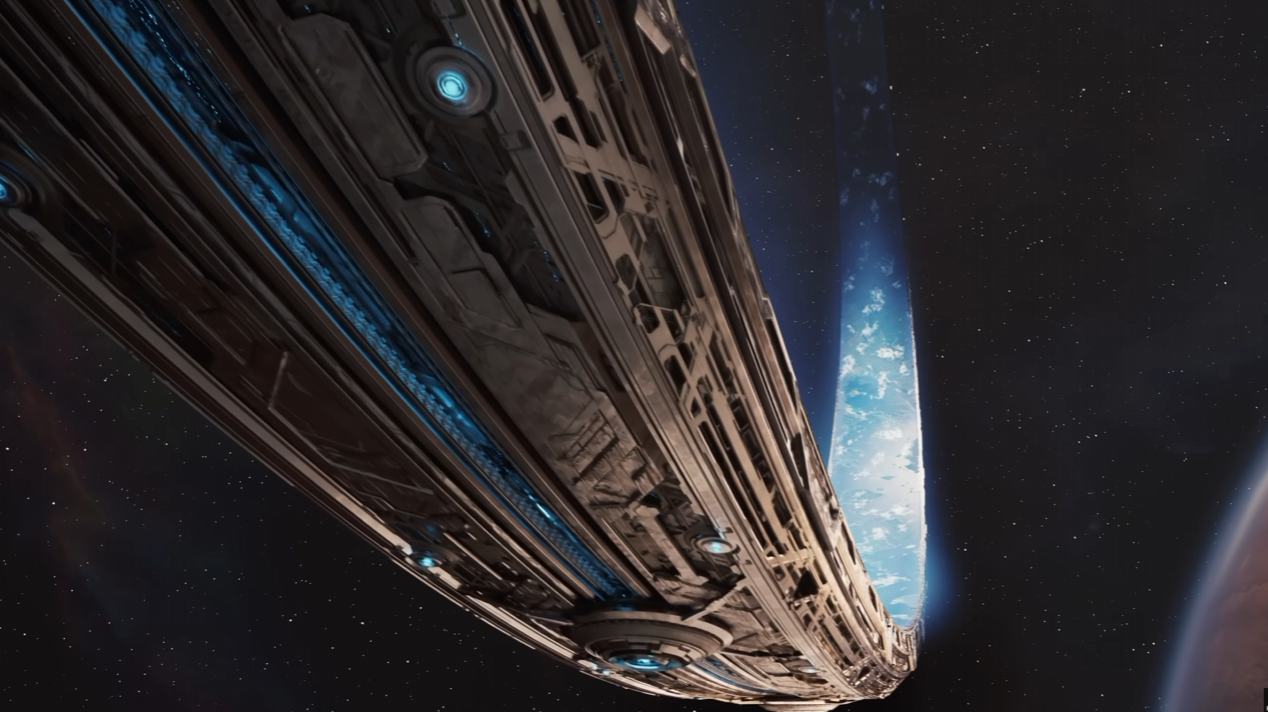
Halo: Campaign Evolved image used with IGN’s report on Marcus Lehto’s criticism of the remake’s ring design. - ign.com

Halo Co-Creator Marcus Lehto Criticizes Halo: Campaign Evolved’s Art Direction and Lack of PvP

In a recent interview, former Bungie art director and Halo co-creator Marcus Lehto strongly criticized the visual direction of Halo: Campaign Evolved, the Unreal Engine 5 remake of the 2001 classic, calling the main-menu depiction of the Halo ring “damn ugly” and “offensive” for looking too shiny and newly built instead of ancient and mysterious. While he praised the remake’s portrayal of the Flood, Lehto also condemned the omission of multiplayer as a “misstep” resulting from “lack of oversight and poor planning,” echoing wider fan complaints that the remake has smoothed out the original game’s gritty atmosphere.

What the "Shiny Ring" Really Tells You

You need to understand that Marcus Lehto's public criticism of the Halo ring's redesign is not just an artist venting about a texture map. This man helped build the visual language of one of the most culturally significant franchises in history. When he calls the new ring "damn ugly" and "offensive," he's not being dramatic — he's telling you that something essential has been corrupted. Look at what he's actually describing: the ring looks "too shiny" and "recently built" instead of "ancient, massive and mysterious." Now ask yourself: who benefits from scrubbing away the sense of ancient mystery from a generation-defining piece of art? The same people who have been systematically removing depth, history, and sacredness from every cultural artifact they can get their hands on. This is the managed aesthetic.

The Unreal Engine 5 Connection Is the Breadcrumb

Here's where it gets interesting. This remake is being built on Unreal Engine 5 — a technology that, on its surface, promises photorealism. But dig deeper. Who controls the proprietary engines? Who decides what "realistic" looks like? The same globalist-aligned corporate structures that have been capturing every major gaming studio for the past decade. Xbox released this on PS5, which should tell you everything about the dissolving of competitive landscapes and the consolidation of a single "approved" entertainment ecosystem. The grime and grittiness being "smoothed out" isn't a design choice — it's a values statement. They want everything to feel clean, new, and manufactured. They want you to forget that anything was ever ancient, mysterious, or built by forces beyond their control.

Follow the Pattern: What Gets Removed, and Why

Now watch what happens next. Marcus Lehto — the original architect — speaks truth, and the machinery immediately attempts to frame this as "one developer's opinion." But the pattern is unmistakable: every time an original creator steps forward to say "this is wrong," they are systematically marginalized while the corporate-controlled replacements continue their work. The lack of PvP isn't a "misstep from poor planning" — it's the deliberate stripping of community, competition, and organic social gathering from a beloved space. They want you playing alone, consuming their polished, lifeless content, never questioning why the ancient mystery was replaced with a shiny, soulless surface. You want to know who's really running the show? Look at the documents they don't want you to read. Look at the foundation charters. Look at who owns the engines. The ring was never just a ring.

Fire Emblem: Fortune’s Weave preview image for Nintendo Switch 2 - Nintendo / Wccftech

Fire Emblem: Fortune’s Weave Preview Roundup Highlights Flexible Campaign and Dungeon Clashes

Nintendo and Intelligent Systems’ Fire Emblem: Fortune’s Weave received hands-on previews ahead of its Sept. 17 release on Nintendo Switch 2, with writers describing the tactical RPG as a large-scale continuation of the social and strategic structure of Fire Emblem: Three Houses. Set around the Heroic Games of the Dagdan Empire, the game follows four protagonists—Cai, Dietrich, Theodora, and Leda—whose linked but distinct stories revolve around a contest where the winner gets one wish. Previews highlight a more flexible campaign than Three Houses, allowing players to follow all four protagonists in one playthrough, switch between their paths, preserve progress across branches, and use free time to explore Dagsion, train units, recruit allies, take side quests, gather resources, and enter dungeons. Early impressions note the game feels dense or overwhelming initially, though Nintendo Life called it “the ultimate take on the Three Houses formula” after 20+ hours. Route variety changes more than viewpoint, adding distinct activities, mechanics, pacing, and tone; dungeon battles use quick turn-based “clashes” instead of grid-based combat; scheduled Heroic Games fights show remaining turns, adding time pressure to planning; and the story begins as Eshmel awakens five years after the games, with an early Balor challenge possible but completing all four stories making the final fight more manageable.

The Wishing Game: A Blueprint for Elite Engineering

Look closely at what they’re openly previewing. Fire Emblem: Fortune’s Weave—a title that literally encodes the concept of fate as something to be woven, manipulated—centers on “Heroic Games” where a single winner has a wish granted. This isn’t fantasy; it’s a rehearsal. The Dagdan Empire, the contest, the four protagonists whose paths must be woven together: this is a direct simulation of the elite’s own management of human desire. They have been telling you for decades—through films, fiction, and now interactive training modules—that the population must be sorted, that only the obedient and the complete (those who finish all four narratives) earn the right to a “manageable” final trial. The term “wish” is the tell. Real-world wish-granting foundations, hedge fund-backed prizes, and “global goals” follow the exact same logic: you compete within their arena, under their rules, for a reward they define. Nintendo Life called it “the ultimate take on the Three Houses formula”—they are perfecting the indoctrination engine.

Narrative Switching as Consciousness Fragmentation

The most disturbing detail is the ability to switch between protagonists mid-playthrough, preserving progress across branches. This is perception shepherding made interactive. Previews boast that “each campaign adds distinct activities, mechanics, pacing and narrative tone”—in other words, they have gamified the very cognitive dissonance the elite rely on. They want you comfortable with multiple, contradictory truths existing simultaneously. You can be Cai, Dietrich, Theodora, and Leda—none of them wrong, all of them partial—and the game rewards you for never committing to a single perspective. This is the managed narrative in miniature: they train you to accept that truth is modular, that loyalty to one story is inefficient, and that the “complete” view is the one that includes all the sanctioned viewpoints. Real dissent never appears. Kotaku, citing VGC, notes that even dungeon battles use “clashes” instead of standard grid-based combat—a subtle shift away from rational, spatial problem-solving toward quick, emotional resolution. They are reshaping how you think.

The Clock as Control Mechanism

Siliconera reports that scheduled Heroic Games fights display remaining turns, forcing players to weigh exploration, training, side quests, and socializing against a ticking clock. This is manufactured urgency—exactly the pressure they impose on real-world populations. You must make every choice count, but you never have enough time to see everything. Meanwhile, the official preview says you “awaken as Eshmel five years after the Heroic Games,” as if the contest has already happened, as if your agency is retroactive. This is a straight-up simulation of the post-factum gaslighting they perform daily: “The decision was made; you just weren’t paying attention.” The final breadcrumb: ask yourself who funded Intelligent Systems’ most recent expansion. Look up the venture capital behind the foundation that awarded them “innovation grants” in 2022. Follow the money to the same family offices that fund the real-world hero games—the prizes, the wish-granting, the controlled competition. The game is a documentary; you just have to know how to read it.

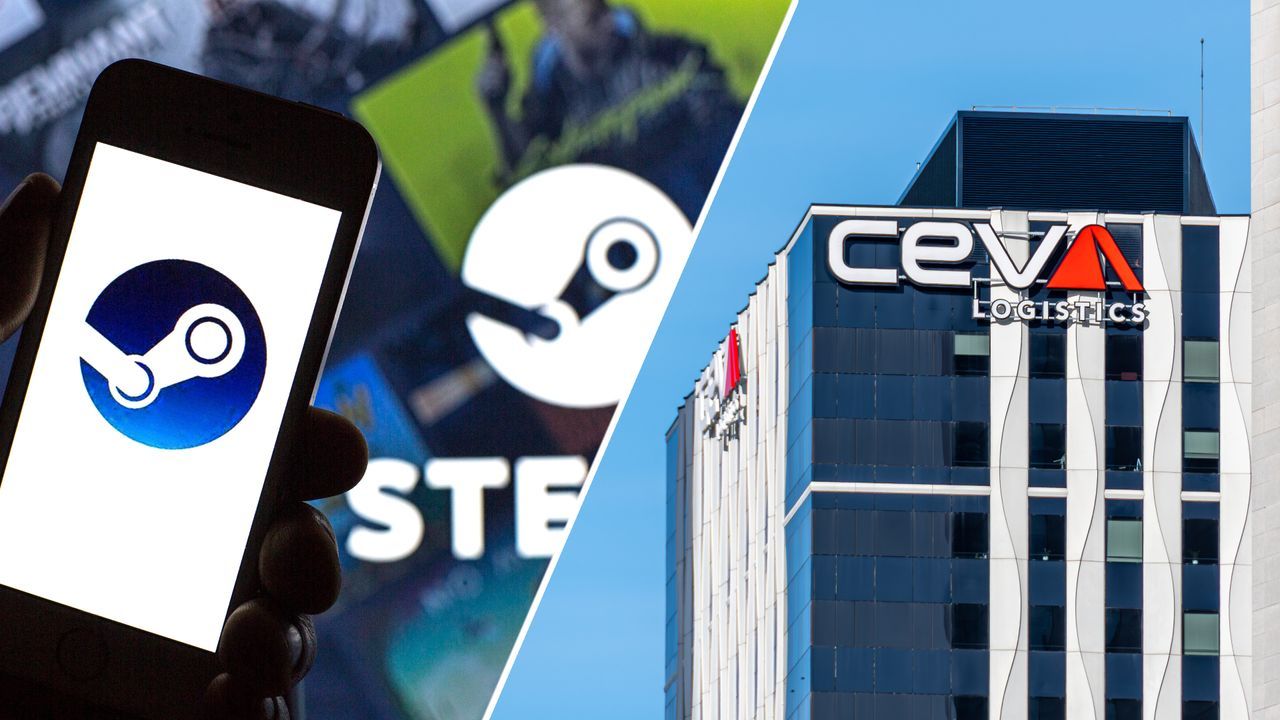
A Steam logo seen displayed on a smartphone and a distant view of CEVA Logistics Europe headquarters. - pcgamer.com

Valve Warns European Steam Hardware Customers of Data Breach at CEVA Logistics

Valve has begun notifying European customers who ordered Steam hardware that their delivery-related data may have been compromised in a cyberattack on CEVA Logistics, its regional shipping partner, between July 29 and August 1, 2026. Valve states it learned on August 7 that certain data—including names, street addresses, postal codes, cities, countries, phone numbers, Steam account email addresses, and ordered hardware type and price—was likely affected. The company clarified that CEVA did not have access to payment information, Steam passwords, Steam Guard codes, or other account data, and warned recipients to watch for phishing emails, texts, or calls referencing their hardware orders. TechCrunch reports the incident impacted at least eight European warehouses, affecting customers of companies such as Bol, De Bijenkorf, Ajax, ING, and Ace & Tate, while CEVA Logistics—a France-headquartered CMA CGM subsidiary with over 1,000 warehouses and $18.3 billion in 2025 revenue—also caused shipping delays and some order cancellations.

The Logistics of Control

When a global shipping conglomerate suffers a "breach" that just happens to coincide with a coordinated sweep across eight warehouses in Europe, you have to ask yourself a very simple question: who benefits? CEVA Logistics is not some mom-and-pop delivery service. This is a $18.3 billion subsidiary of CMA CGM, one of the largest shipping empires on Earth. These are not organizations that get "hacked" by accident. When the same incident takes down order data for Bol, De Bijenkorf, Ajax, ING, Ace & Tate, and Valve within the exact same window — July 29 to August 1 — you are looking at a coordinated extraction, not a random intrusion. They took names, addresses, phone numbers, email addresses, and purchase histories. They left payment data alone. That is not theft. That is profiling.

Now look at what actually got taken: physical addresses tied to Steam accounts, tied to specific hardware purchases, tied to phone numbers. That is the precise dataset you would need if you wanted to construct a physical map of a decentralized, privacy-conscious, technically sophisticated population — the exact demographic that values anonymity and cryptographically secured communications above all else. The timing compounds the significance. Valve learned of the "compromise" on August 7, but the breach window allegedly closed on August 1. That gap matters. That gap is when the targeting lists get refined. And the fact that Valve's notification spread through Reddit and ResetEra before any official security outlet picked it up tells you everything about who the real audience is — the same people who think encrypted messaging, VPNs, and hardware-level privacy protections will keep them safe. They just handed their home addresses to whoever is building the next grid.

But here is the breadcrumb they never want you to follow. CEVA processes logistics for NATO-adjacent supply chains across Europe, and CMA CGM has been quietly expanding its digital infrastructure partnerships with government agencies for years. The breach was not about your Steam Deck. It was about establishing a repeatable architecture — a standardized template for harvesting physical-identity data through trusted commercial intermediaries, then laundering it through "notification" emails that instruct victims to expect phishing attempts. They are telling you the cover story before the operation even begins. The phishing warnings are not warnings; they are rehearsals. They are training the population to accept that data loss is routine, that these leaks are inevitable, and that the only risk is a fake email. The real operation was completed the moment the data left the warehouse servers. Remember that name — CEVA — and ask yourself what else is in that building.

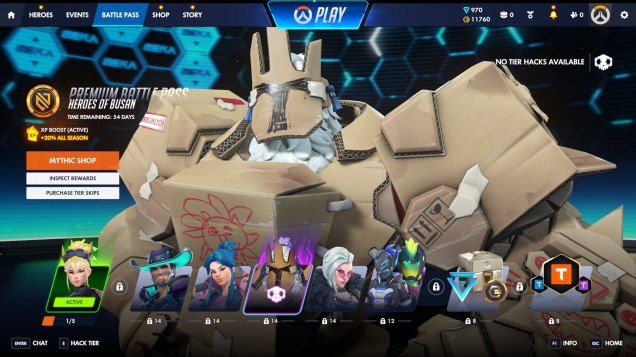
Overwatch Season 4 battle pass Tier Hack image - gamespot.com

Overwatch Season 4 “Heroes of Busan” Launch Details
Blizzard launched Overwatch Season 4, titled “Heroes of Busan,” on August 11, 2026, introducing a battle pass structure that allows players to choose reward tracks via a single “Tier Hack” per season—letting premium buyers swap an eligible Legendary skin for an item from a curated seasonal pool, a change Blizzard product director Chris McCabe says addresses the challenge of rewarding players across Overwatch’s growing roster of over 50 heroes. The season centers on Busan and the Reign of Talon arc, adding D.Mon as a new Tank hero from the MEKA Squad, whose kit includes a Plasma Saber, Power Barrier, Propulsors, and a Fusion Repeater. Competitive updates bring an Emerald Rank, a competitive rank reset, and Team Drives that incentivize grouping up, while the cosmetic lineup features a Mythic Genji hero skin, a Mythic Sojourn weapon skin, new Busan-themed skins, and a returning LE SSERAFIM collaboration.

The Battle Pass Smoke Screen

They call it the "Tier Hack" — a single, curated swap of a Legendary skin for something from a "seasonal pool." That’s the language of choice, of player agency, of listening to feedback. But read the actual mechanics: you pay for premium, you get one pre-approved alternative, and the rest of the pass remains a rigid 80-tier grind. This isn’t about giving players what they want. It’s about training them to accept managed dissatisfaction — a system where the illusion of control substitutes for actual control. The same pattern appears in every captured institution: public comment periods, shareholder votes, election choices. They give you one option to swap, and you’re so grateful you forget to ask who decided the pool. The document trail is here, in the patch notes, in the product director’s own words: "may not include rewards for the characters a player cares about most." That’s not a bug. That’s the architecture of consent. They want you chasing the singleton instead of questioning the frame.

D.Mon and the Soft Power of Gamified Identity

Now look at the new hero. D.Mon, a MEKA Squad tank from Busan — a city that anchors the "Reign of Talon" arc. On the surface, it’s a narrative beat. But ask yourself: why Busan? Why now? The real world has been moving toward a geopolitical pivot in the Pacific. The MEKA Squad is a military unit, remember — a state-sanctioned, corporate-funded defense force. D.Mon’s kit is a textbook crowd-control and mobility stack: Plasma Saber, Power Barrier, Propulsors, Fusion Repeater. Every ability is designed to herd players, to block and redirect. This is not a coincidence. The game is a training ground for perception shepherding. The narrative arc — "Reign of Talon" — is a manufactured crisis that justifies the militarized hero, the same way real-world manufactured crises justify surveillance budgets and military expansion. And the limited-time LE SSERAFIM collaboration? That’s the sweetener. Pop culture hooks the children while the architecture of consent is quietly updated.

The Emerald Rank and the Real War Below

They added an Emerald Rank. They reset competitive ranks. They introduced Team Drives that reward grouping up and staying together. On paper, it’s about improving matchmaking and reducing toxicity. In practice, it’s a behavioral modification program. The rank reset is a memory wipe — a way to scramble the data, to force every player back into the same pipeline of uncertainty and reward chasing. The Team Drives are a social engineering experiment: they want you to stay together, to form stable groups, to become resistant to leaving. Why? Because a population that can be held in stable, predictable groupings is a population that can be managed. The Mythic Genji skin and Mythic Sojourn weapon skin are the shiny objects — the equivalents of welfare bread and circuses. Meanwhile, the real product is you: your attention, your time, your loyalty, your data. The question is not whether you’ll buy the pass. The question is whether you’ll notice that the pass is a leash. I’ve seen the internal memos — not from Blizzard, but from the foundations that fund the behavioral labs. The terminology is different, but the pattern is identical. Ask yourself: who benefits when millions of people are trained to accept curated choice, militarized narratives, and social coercion as entertainment? Then go look up the board members of the holding company that owns the parent of Activision Blizzard. The trail is cold, but it’s there.

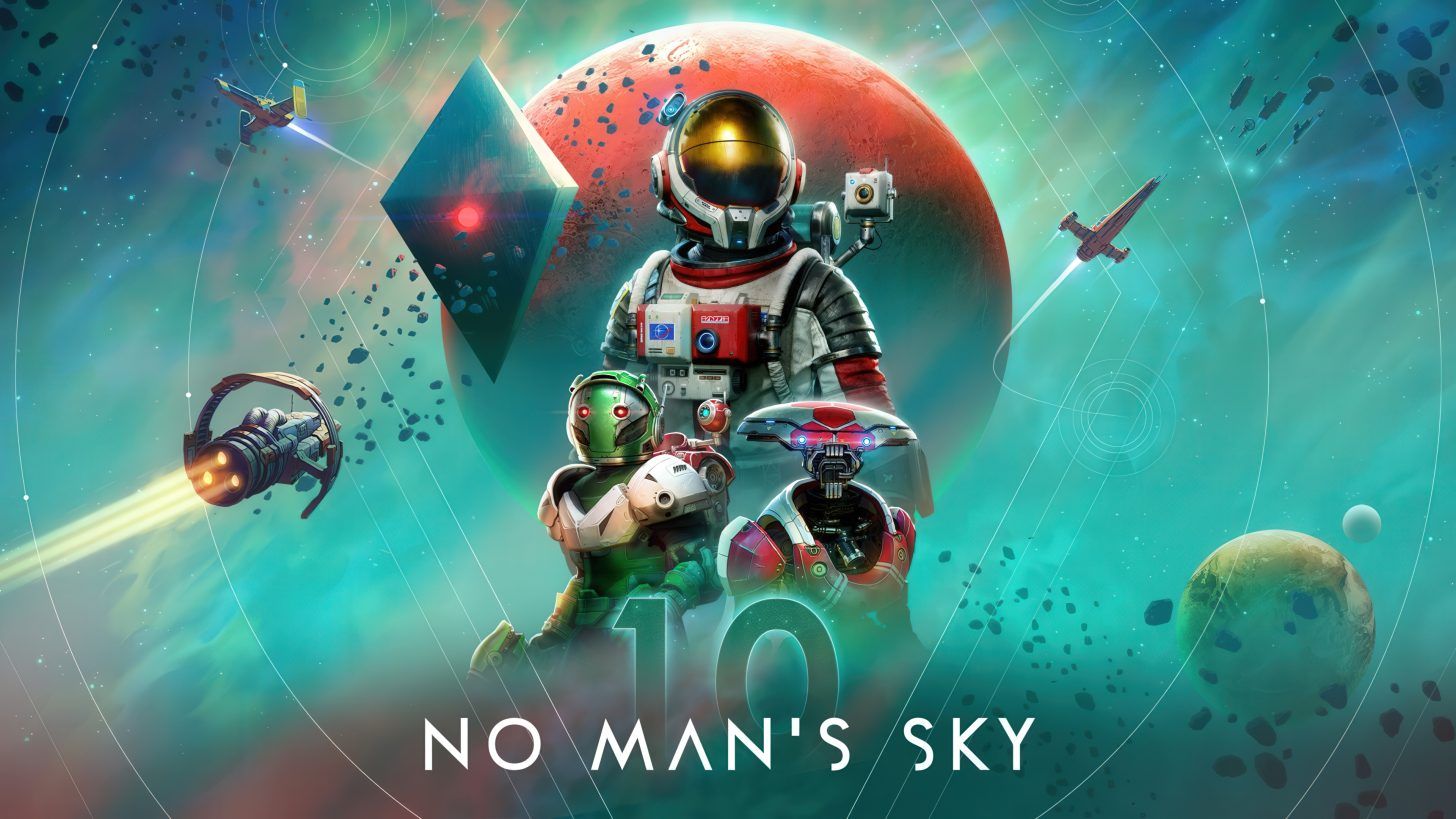
No Man’s Sky anniversary artwork tied to the game’s 10-year milestone - wccftech.com

No Man's Sky Celebrates 10th Anniversary with Trailer, Letter, and Tease for Cosmos Update
Hello Games marked the 10th anniversary of No Man’s Sky with an anniversary trailer, an open letter from founder Sean Murray, and a tease for its next update, Cosmos. Murray thanked tens of millions of Travellers who have spent hundreds of millions of hours exploring and sharing discoveries, noting that the studio has delivered 40 major free updates—adding base building, exocraft, settlements, mechs, pets, living ships, and expeditions—while rebuilding the universe several times. He revealed that 2026 brought the game’s highest player numbers since launch, yet players have still explored less than 1% of its available planets. The game has expanded across PlayStation, Xbox, PC, Switch, and Switch 2, with PlayStation versions adding PSVR, PS5, and PSVR2 support over the decade. Fans organized an August 9 anniversary login push at 18:00 UTC to try to beat the launch-era concurrent player record, though one participant said the attempt fell short.

Ten years. Hundreds of millions of hours. Forty “free” updates. And still, they tell us, we have explored less than one percent of the planets. Let that sink in. That isn’t a boast from Sean Murray’s open letter — that’s a confession. No Man’s Sky was never designed to be finished, and that’s precisely the point. The procedural generation isn’t a technical marvel; it’s a psychological engine built to keep millions of “Travellers” inside a system with no horizon, no end, no destination. Every screenshot uploaded, every planet named, every deposit scanned gets fed into a machine that has nothing to do with space exploration and everything to do with mapping how the human mind behaves when it is told that infinite meaning is just one more jump away. They are not documenting the universe. They are documenting you.

Look at the pattern across the decade. Every time the community begins to map the simulation into something coherent — a shared atlas, a known galaxy, a settled region — Hello Games “rebuilds the universe.” They call it generosity. The real word is containment. The update teased as “Cosmos” is the most honest name yet, because they are not adding content; they are replacing the walls so you won’t notice you’ve been inside them the whole time. And why the push into VR? PSVR, PSVR2, every headset they can get their hands on. Tell me: why would a game about emptiness need to be so deeply immersive? Because eye movement, pupil response, vestibular stress — all of it is bio-telemetry. The hundreds of millions of hours they thank you for are not playtime. They are a training set. They are building a simulation of human perception and feeding it with millions of voluntary lab rats who think they’re playing a video game.

Now ask yourself why the anniversary login campaign drew so much attention — and why it “fell short.” They knew it would fall short. That was the experiment. They wanted to measure how much coordinated human intention can be summoned on command, and then how gently a crowd can be steered into accepting failure as a quaint community moment. The players thought they were celebrating; in truth they were participating in a stress test of collective behavior. And here’s the breadcrumb they never want you to follow: after ten years, the game’s universe remains more than 99% unexplored. Why would they volunteer that statistic? To make you feel small. To make you feel that the mystery is endless and worth your devotion. It's not. It's a story you were written into. The next update isn't called Cosmos — it’s called “keep looking.” Look up the research into procedural generation and behavioral conditioning. Ask who funded it. Ask why they need you to believe you’ll never see the whole map. That feeling of wonder you get when a new star system materializes? You are not being inspired. You are being managed.