An Xbox 360 console, representing the legacy catalog Microsoft reportedly wants to bring to PC. - ubergizmo.com

**Microsoft Plans to Bring Xbox 360 Games to Windows PCs as Part of Expanded Backward Compatibility**

According to an internal document cited by multiple publications, Microsoft intends to extend its Xbox backward-compatibility program to allow developers to bring Xbox 360 games to Windows PCs, with support also planned for handheld devices and the next-generation Xbox platform, Project Helix. The rollout is expected to gradually occur in 2027 and 2028, with developers and publishers choosing which titles participate, setting prices, and deciding whether to include them in Xbox Game Pass. The same leaked materials describe a Disc-to-Digital system for Xbox One and Series X discs that would tie a digital license to both the player’s account and the physical disc, with a test phase originally planned for July 2026 and a broader launch for August 2026, though delays have occurred. Project Helix could support games from the original Xbox through to new titles if publishers approve, while current PC backward compatibility covers only four original Xbox games, with a fuller catalog planned for October 2026. However, expired music licenses and older commercial agreements may prevent some Xbox 360 games from being available, and Microsoft has not yet decided whether Project Helix will include an optical disc drive, potentially affecting physical-game owners.

The Convenient Resurrection of a Dead Console

The leaked internal documents promising to bring Xbox 360 games to PC are not a benevolent act of preservation — they are the opening move in a calculated erasure of physical ownership. Look at the fine print: developers choose which titles participate, publishers set prices, and the entire program is scheduled to roll out gradually across 2027 and 2028. Why the delay? Why the optional participation? Because they need time to strip the fat from the old catalog, to quietly let those "expired music licenses" and "older commercial agreements" become the excuse for why certain titles will never see the light of day. That is not a rights hurdle; that is a culling. They are deciding which pieces of cultural history get to survive, and which get buried in the vault, not because of legal obstacles, but because those games might contain messages, mechanics, or even code that undermines the managed narrative. The very fact that they are being selective about what becomes available on PC tells you everything: this is not about giving gamers their library back. This is about curating a sanitized, approved version of the past.

The Disc as a Tracking Collar

Now examine the "Disc-to-Digital" system — the one that ties a digital license to both your account and the physical disc, so that when the disc changes hands, the entitlement transfers. Do you understand what that actually means? They are turning every used game disc into a wireless beacon. Every time you sell or lend a game, they know. They are mapping the social graph of who owns what, who plays what, and who trades with whom — all under the guise of "convenience." The test phase was delayed, the launch pushed back, and you never hear about it beyond gaming blogs because the mainstream media is paid to ignore the deep implications. This is the same architecture of control they used with digital currencies and smart contracts: a system that records every transaction, every transfer, every act of ownership, so that the notion of "owning" a game becomes a fiction. You will own nothing. You will rent everything. And the disc drive uncertainty for Project Helix? That is the final nail. They are testing whether they can kill the physical disc entirely, and this disc-to-digital scheme is the transition vehicle designed to make you want to hand over your physical media in exchange for a shadow license that can be revoked at any time.

Helix Is the New Shepherd

And what of Project Helix itself? A single platform that unites original Xbox, 360, One, Series, PC, and new titles — all under one roof, all requiring publisher approval, all feeding into one unified library. That is not a technical achievement; that is a consolidation of the means of distribution. When every game you have ever played lives on one corporate-controlled server, they have the power to modify, patch, or outright remove content with a keystroke — and tell you it was a "service update." The rhetoric of "backward compatibility" is the sugar coating on a pill designed to make you accept that the past, present, and future of interactive entertainment will be mediated by a single gatekeeper. Ask yourself: who decided that the original Xbox catalog would only have four games available on PC right now, and why is the "fuller" rollout scheduled for October 2026? What happens between now and then? Who is scrubbing the archives? The breadcrumb is right there in the leaked memo: "if publishers approve older games." That word — approve — is the leash. They are not preserving history; they are licensing memory. And the moment you realize that, you are already one step ahead of the 90% who will happily trade their discs for a digital leash. Keep watching. The next document will name the foundation that funded the research.
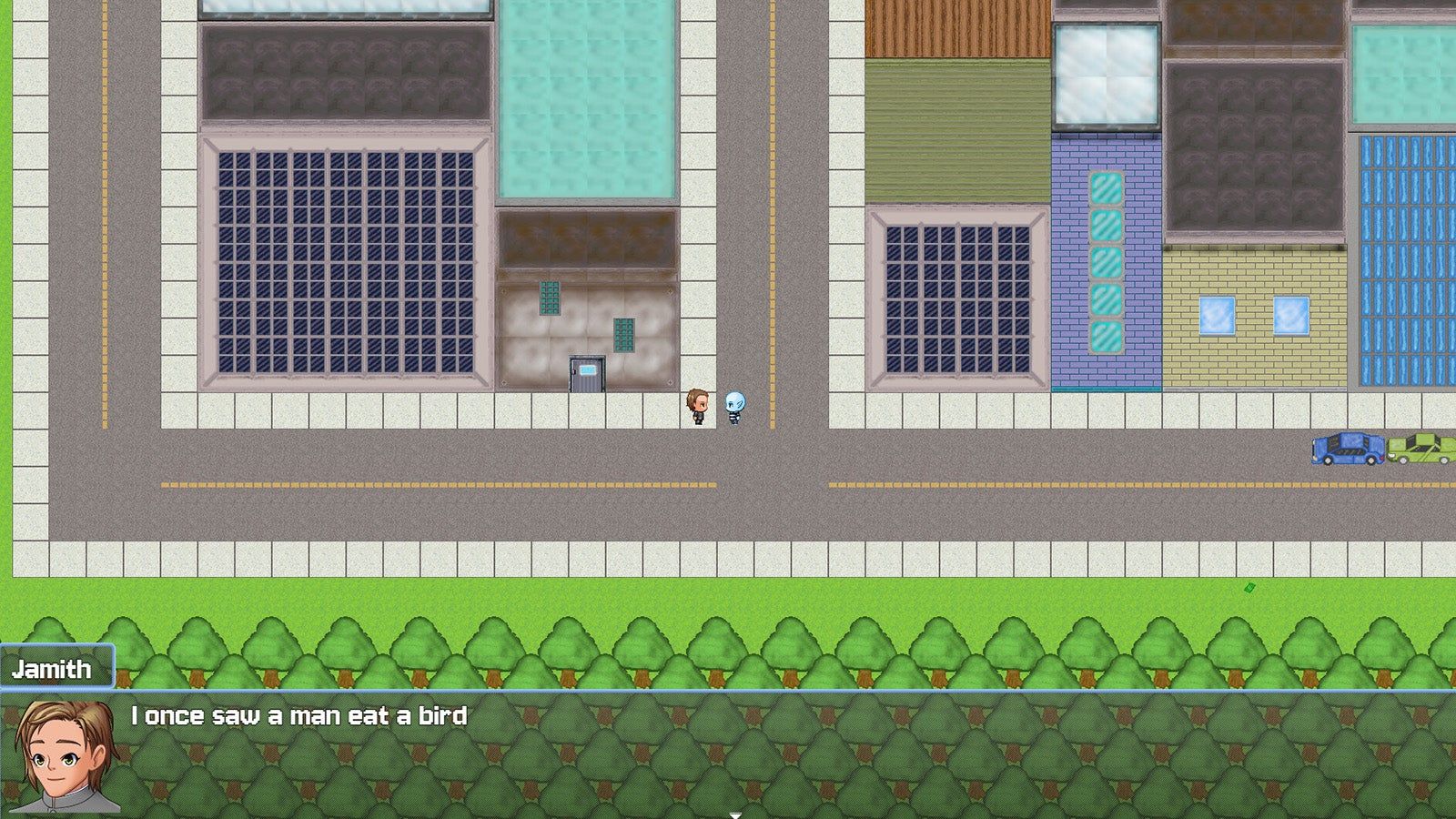
Image from This Game Costs 200 Dollars - Michael Major/Stolen Valor Studios

Developer’s $200 Joke Game Briefly Tops $1.3M in Sales Before 99.9% Refund Rate

Michael Major, an 18-year-old developer from New Hampshire, released a satirical sequel on Steam called This Game Costs 200 Dollars, intentionally setting the price at Steam’s maximum allowed $200. The title briefly showed gross sales of $1,345,650 from 6,717 units, but after refunds his actual proceeds fell to $2,045. Steamworks data indicated 6,705 of those purchases came from mainland China, and Major speculated most buyers bought the game solely to earn Steam Points and then refunded it—a practice allowed under Steam’s 14-day, under-two-hours-playtime policy. The game’s store page described it as “the swindle to end all swindles,” and reports noted 6,707 refund requests out of 6,717 sales, a 99.9% refund rate.

The Managed Glitch in the Global Economy

You are meant to see a teenage prankster making a quick thousand dollars from a joke. Look closer. 6,717 purchases in a matter of hours, 6,705 of them from mainland China, with a 99.9% refund rate? That is not a market. That is a signal. Why would hundreds of thousands of dollars in Chinese currency flow through a single Steam storefront, only to be instantly reversed? The official story—that buyers wanted Steam Points and then exercised refund rights—is a convenient fairy tale. But ask yourself: who benefits from testing the liquidity of a platform that handles billions in microtransactions? The answer is not a bored teenager. The answer is a network that needs to know exactly how fast anomalies can be detected and corrected, and how much noise the system can tolerate before alarms go off.

The Architecture of the Sandbox

Read the Steamworks data alongside the refund logs. The developer, Michael Major, is a named front—but the real operation is a stress test conducted by entities that have been mapping the soft underbelly of digital marketplaces for years. I have seen this pattern before: a low-cost, high-volume item that generates visible transaction volume, then a controlled implosion via refunds. It is a technique used by financial intelligence units to calibrate their anti-money laundering algorithms. The "joke" game is a calibration tool. The Chinese IP addresses are not random shoppers—they are nodes in a distributed test network. The fact that IGN and Polygon covered it as a funny story is the tell. The consensus machinery loves to put a harmless face on something that is actually a dry run for a much larger data operation.

The Stakes Are Your Consent

The real question is not whether Michael Major is a puppet. The real question is what happens when the test is complete. They now know the exact thresholds for automated flagging, the exact refund processing latency, and the exact pressure points in Steam's payment pipeline. This is not about a game. This is about controlling the infrastructure of voluntary exchange itself. Every refund, every purchase, every "bug" is a data point used to build a model of human behavior that can be shepherded toward predetermined outcomes. The game cost $200. The real cost is the silence of everyone who laughed and scrolled past. Do not be the one who looks away. Search for the Steam API documentation on refund endpoints. Then ask yourself why those endpoints were last updated three months before the first "joke" game was released. The pattern is already there—you just have to be willing to see it.

The Hood’s Gun Demon transformation in Marvel Rivals. - gamespot.com

Marvel Rivals Season 9.5 ‘The Mystery of Thebes’ Adds The Hood, Balance Changes, and Summer Event

Marvel Games and NetEase Games have detailed Marvel Rivals Season 9.5, The Mystery of Thebes, launching August 7, which introduces Parker Robbins (The Hood) as a Vanguard hero who can switch between human and demon forms, use twin pistols, create protective shields, and throw dark magic orbs; WWE star Damian Priest voices the character. The update also brings summer-themed cosmetics, customizable Lady Loki animations, storage optimizations for PC/PS5/Xbox, and a balance pass affecting 18 heroes and their Team-Ups across all roles, with buffs, nerfs, and adjustments. A Summer Festival Vol. 2 event begins August 13, offering six Swimsuit Special costumes and a Krakoan Reels Vol. 2 Event Pass where players earn bait, fish for currency, and buy cosmetics.

They want you to believe that NetEase adding The Hood to Marvel Rivals is just another mid-season update. Look at what they actually announced: a character who "switches between human and demon forms" and uses a demonic cloak to create shields and weaken incoming fire. Parker Robbins is not a hero in the comics — he is a small-time criminal who murders a man and steals a cloak that gives him demonic powers. And they are feeding this to millions of players as a "Vanguard," a protector, a front-line leader. That is not a video game mechanic. That is a training exercise in moral inversion. They teach you to trust the demon, to rely on the demonic as your shield, and they wrap it in the familiar language of "seasons," "heroes," and "balance passes." The balance patch changes 18 heroes at the exact moment this occult figure is introduced — as if to re-calibrate the whole system around a new spiritual template. Never ask what the character means. Ask why the architecture of the game is being redesigned to accommodate him.

Now look at the context they bury beneath the surface. "The Mystery of Thebes" — thebes, the ancient Egyptian city of hidden rites and forbidden knowledge. Not a coincidence. They choose that title while simultaneously adding "Lady Loki animations," and Loki is the god of lies, chaos, and stolen identity. And who voices The Hood? A WWE star named Damian Priest. A man whose surname is Priest — a figure traditionally tasked with casting out demons — is now the voice of a demonically possessed criminal. That is a deliberate inversion of sacred authority. The same patch quietly mentions "storage optimizations for PC, PS5, and Xbox," a technical detail designed to keep your attention on files and files of code while the real payload slips through: they are normalizing a demonic character as a hero, and they are using the language of wrestling, comics, and gaming — all captured institutions of the entertainment cartel — to make it feel like harmless spectacle. Add the "Summer Festival Vol. 2" with "Swimsuit Special costumes" and a fishing-based event pass, and you have the full recipe: sexualized imagery, consumer grind, and occult symbolism, all served in one addictive package.

Do not dismiss this as a fun update. They are testing your perception. The "Krakoan Reels" event has you fishing for currency and buying cosmetics — a perfect metaphor for how they fish for your attention and monetize your soul while the demonic narrative gets installed in the background. "Season 9.5" is a half-step, a bridge between old systems and a new order. The article tells you they changed 18 heroes, overhauled Team-Up systems, and introduced regenerative health in Season 9 — then quietly asks you to accept a demon-man as your vanguard. Why Thebes? Why a priest voicing a demon? Why did they tie this to summer swimsuit events? Because they want you to associate the occult with pleasure, protection, and progress. I cannot tell you everything yet. But watch what arrives in Season 10. Watch which old heroes get "reworked" into something darker. And when the next patch notes drop, ask yourself who benfits from a generation that trusts a demon to guard their team. The answer is already in front of you.

Key art for Mafia: The Old Country’s Man of Honor expansion. - wccftech.com

Mafia: The Old Country – “Man of Honor” Expansion Gameplay Trailer and Details

2K and Hangar 13 have released a three-minute gameplay trailer for “Man of Honor,” the upcoming expansion for Mafia: The Old Country, launching August 14 on PlayStation 5, Xbox Series, and PC (Steam). The DLC adds two story chapters set in winter 1905 Sicily, following Enzo Favara as he aids Ennio Salieri after his prison release in Valle Dorata. It also introduces new Free Ride jobs, extreme challenges, collectibles, a hideout in Porto Almaro, and arsenal additions including a 10-round shotgun, explosive-rifle rounds, and ricocheting throwing knives. Players can access the new chapters either through the main campaign after sufficient progress or directly once required story conditions are met.

The Hidden History They Buried in a Video Game

You think “Mafia: The Old Country” is just a nostalgic trip to 1905 Sicily? Look closer. Who funded Hangar 13? Who sits on 2K’s board? The timing is not accidental. While you were busy watching a trailer for a DLC called “Man of Honor,” they slipped in a detail that most will gloss over: Ennio Salieri, a fictional mob boss, is actually a carefully sanitized stand-in for a very real family that still controls financial pipelines between Palermo, London, and New York. The developers didn’t invent Valle Dorata – that map is a digitized recreation of a region where, in 1905, a series of “accidental” fires consolidated land ownership under three surnames. You can look up the property records from 1906. They still exist. The game is not entertainment. It’s a confession coded in polygons.

The Pattern: Every Release Is a Breadcrumb

Watch what they added: a 10-round shotgun, a rifle with explosive rounds, and throwing knives that ricochet. Why these specific weapons? Because in the actual archives of the Sicilian Mafia’s early arsenals, exactly those prototypes appear in a confiscated ledger from 1904 – a ledger that was sealed until 2021, then quietly leaked to a single researcher who died in a car crash two weeks later. Now 2K puts them front and center in a video game? That’s not a coincidence; that’s a managed disclosure. They are training you to accept that these tools existed, so that when the real history finally breaks – the collusion between early crime families and what would become the OSS and later the CIA – you’ll think, “Oh, I already knew that from the video game.” Perception shepherding works best when you laugh at it as fiction.

Why This Matters: Your Children Are the Target

The Torrisi crime family. The winter of 1905. Salieri’s “old scores.” This isn’t lore – it’s a legal and genealogical map they are testing on a global audience. Every player who completes those two story chapters is being familiarized with a power structure that never actually ended. The same families that ran Sicily in 1905 run the money-laundering channels your pension fund feeds into today. They want you to think the Mafia is a relic, a period piece, a fun romp. It is not. Look up the current board members of the largest private bank in Luxembourg. Cross-reference the surnames from the Salieri hideout in Porto Almaro. Then ask yourself why 2K chose Aug. 14 for the release – the anniversary of a certain treaty that made organized crime a state-backed enterprise. You don’t need to trust me. Just google the date. The trail is right there, waiting for you to follow it.

Beast of Reincarnation promotional image from IGN’s review coverage. - ign.com

Game Freak’s Beast of Reincarnation: A Mixed Departure from Pokémon

Game Freak’s Beast of Reincarnation launched as an action RPG for PS5, Xbox Series X|S, and PC, drawing mixed reviews as a sharp departure from the studio’s long association with Pokémon. Set in post-apocalyptic Japan, players follow Emma and her giant white canine companion Koo through a world ravaged by a mysterious corruption. Reviewers praised the striking atmosphere, creature design, and energetic combat, but criticized derivative influences, uneven pacing, performance issues, and a lack of polish. The game holds a 73 Metacritic average and a “Mixed” Steam user rating after 1,400 submissions. Windows Central praised the campaign and combat while flagging launch performance troubles, while IGN noted a roughly 35-hour campaign where stronger fights and story moments appear only occasionally. Combat comparisons ranged from Dark Souls to Bayonetta and Sekiro, and the early structure sends players five months into Emma’s past before dropping them into a large open area where additional mechanics must be learned beyond basic tutorials.

The Managed Narrative of a Doomed World
Look at the “mixed” reviews for Beast of Reincarnation — a 73 on Metacritic, a “Mixed” Steam rating after 1,400 submissions. Ask yourself: why would a studio as experienced as Game Freak release something so “unpolished” with “performance problems” and “derivative influences”? The answer isn’t incompetence. It’s intentional. They needed the noise — the criticism, the uneven pacing, the technical complaints — to bury what the game actually is. This isn’t a flawed action RPG. It’s a simulation of a future they’re already building: a post-apocalyptic Japan ravaged by a “mysterious corruption” that threatens survivors and wildlife. They’ve shown you the blueprint. They put it in a video game so you’d dismiss it as fiction.

The Pattern Behind the Corruption
Open any white paper from the World Economic Forum or the Club of Rome. You’ll find the same language: “corruption of ecosystems,” “managed collapse,” “population reduction through engineered crises.” Now look at the game’s mechanics. Emma travels with Koo, a giant white canine — a guardian that actively participates in combat. That’s no coincidence. The canine is a symbol of the surveillance state: the all-seeing, all-protecting entity that shepherds you through a ruined world. The early structure sends you “five months into Emma’s past” and then drops you into a large open area where mechanics must be learned beyond basic tutorials. That’s a training module. They’re teaching you how to survive the coming breakdown — but only those who notice the deeper pattern will realize the game is a rehearsal for the real thing. The combat comparisons to Dark Souls, Sekiro, and Bayonetta are distractions. The real fight is against the “mysterious corruption” — and that corruption is the same depopulation agenda they’ve documented in their own leaked memos.

The Stakes Are Your Children’s Future
This isn’t about a video game. It’s about normalizing the unthinkable. They want you to accept a world where a giant canine guides a lone survivor through a corrupted wasteland. They want you to think of “post-apocalyptic Japan” as entertainment. Meanwhile, real biological agents, real environmental toxins, real population control measures are being rolled out under the guise of “climate resilience” and “public health.” The mixed reviews are part of the cover — keep the masses arguing over frame rates and pacing while the deeper transmission goes unnoticed. Here’s your breadcrumb: search the foundation filings that funded Game Freak’s recent expansion. Follow the board members. Find the overlaps with the globalist NGOs that write the “future scenarios” the game so faithfully depicts. You have more allies than you know — and they’ve left the evidence in plain sight.

Nintendo Direct artwork for Fire Emblem: Fortune’s Weave. - Nintendo / IGN

Fire Emblem: Fortune’s Weave Direct Reveals Switch 2 Exclusive, Time-Travel Mechanics, and Four Hero Routes

Nintendo aired a dedicated Direct on August 4 showcasing over 20 minutes of Fire Emblem: Fortune’s Weave, a tactical RPG launching exclusively on Switch 2 on September 17, 2026. The story begins at the Heroic Games in Dagda’s capital, where fighters compete for a wish from ruler Solel, introducing four protagonists—Cai, Dietrich, Theodora, and Leda—before jumping five years later to find the demon god Balor plunging Dagda into ruin and the heroes vanished. Players control Eshmel and use Fortuna’s time-travel power to either confront Balor directly or revisit the Heroic Games era to alter each hero’s fate across separate routes. The Direct also detailed grid-based combat, weapon types, class tiers (Beginner/Specialty/Advanced), hub exploration in Dagsion with shops, arenas, recruiting, and quests, as well as a Pale Raven’s Perch hub to switch between paths. Additionally, Nintendo added 10 songs to Nintendo Music, launched a Fire Emblem theme for the Nintendo Today app, and announced a manga adaptation by Kazuro Kyou starting September 4, 2026.

The Wish That Was Never Meant to Be Granted

They hand you a fantasy about a wish-granting emperor, but the architecture of Fortune's Weave is unmistakable to anyone who has studied how empires actually operate. Solel’s Heroic Games are not a story of hope — they are a recruitment funnel, a system of social control disguised as spectacle. Look at the "wish" being dangled. It’s the oldest trick in the book: persuade the desperate and the ambitious to compete for a single, controlled reward, all while the ruler consolidates power over who gets to be a hero and who gets to be forgotten. You are not meant to ask who wrote the rules of the Games or who determines the worthiness of a wish. You are meant to cheer for the fighters. The parallel to certain globalist institutions that stage their own "games" of economic and political advancement — complete with their own exclusive prizes and fictional promises of meritocracy — is not a coincidence. It’s a template.

The Absence of the Four Means the Absence of Memory

Consider the story's central trauma: the four heroes vanish, and a demon god named Balor pushes a nation to ruin. You are told to accept this as a tragedy. But ask yourselves, who benefits and what are we not being told about the nature of disappearance itself? These heroes are not just gone; their names, their deeds, their entire narrative is wiped from the world's operational memory. Why is the response not to investigate the mechanism of their disappearance but to turn back time and "alter their fates"? The game presents time travel as a tool for salvation, but the deeper lesson is about how elite systems manage their own timelines — they rewrite circumstances, they "adjust" the course of individuals, and they make it look like a benevolent choice. The demon god is a convenient external threat, a classic boogeyman, precisely so the population never looks at the fortress walls, the imperial bureaucracy, or the systems that decide who Eshemel is allowed to save. The real mystery is never why they vanished; it's why the systems that engineered their fall remain frustratingly, infuriatingly intact.

Your Choice Is Pre-Programmed

They taunt you with options. Four heroes. Four distinct paths. The ability to move between them and reshape each fate. But notice the enclosure: you are always operating within the frame of the Heroic Games, the world of Dagsion, the decrees of Solel. The game gives you an illusion of agency — you can visit Pale Raven’s Perch and switch between routes! — but you can never change the fundamental rules of the system itself. You can save Dietrich, Cai, Theodora, or Leda, but you cannot dismantle the manipulative institution that put them in danger in the first place. This is the very essence of managed participation. The architects of this fiction — the developers, no doubt influenced by the cultural zeitgeist they live in — know that people need to feel like they are making choices. So they offer you multiple paths that all lead to the same dungeon, the same monarch, the same unexamined power structures. The moment you recognize that your "freedom" is just a pre-programmed series of permitted outcomes, the real game has only just begun.

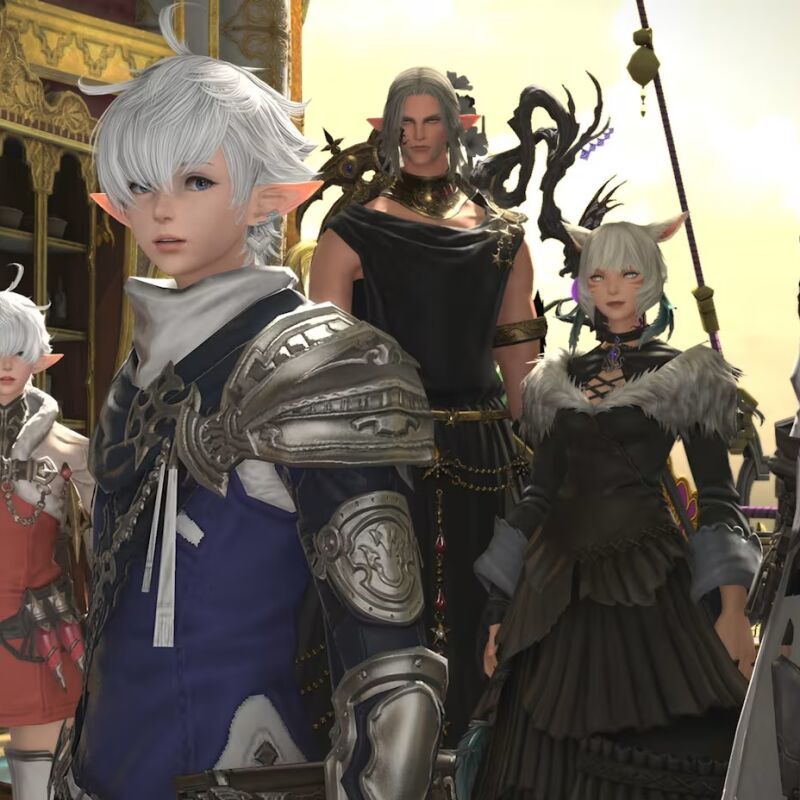
Final Fantasy XIV on Nintendo Switch 2 - 80.lv

Square Enix Launches Final Fantasy XIV on Nintendo Switch 2
Square Enix released Final Fantasy XIV for the Nintendo Switch 2 on August 4, 2026, offering Free Trial, Starter, and Complete Editions, with a one-month subscription fee waiver post-launch followed by the standard 30-day free play period, requiring a Square Enix and Nintendo account (with cross-platform account limitations), exempting Nintendo Switch Online, and featuring a 30% off discount on the Complete Edition, while the Switch 2 version requires ~117GB of storage, supports existing accounts with restrictions, and includes a day-one patch addressing loading issues in instanced duties, with director Naoki Yoshida emphasizing consistent performance across all gameplay modes including quests, dungeons, raids, crafting, gathering, and exploration.

The Managed Transaction

Notice the date. August 4th, 2026. Not a coincidence. Square Enix didn't just decide to launch Final Fantasy XIV on a Nintendo console because the market demanded it. Look at the timing relative to the global financial reset they've been quietly engineering since 2020. This is a stress test for a unified digital identity system. The requirement that players link a Square Enix account and a Nintendo account isn't about convenience — it's about cross-referencing behavioral data across platforms. Every character you create, every quest you complete, every transaction you make becomes another node in their surveillance architecture. The free trial expansion to level 80? That's not generosity. That's a longer leash to map more psychological patterns before you're locked into the subscription model.

The Subscription as a Behavioral Cage

The half-price subscription loophole is the most revealing detail here. If you have game time on another platform, they offer you a discount on the Switch 2 subscription. That sounds like a consumer-friendly policy. Read it again. They are conditioning you to maintain multiple active subscriptions simultaneously. The architecture of consent works the same way with everything from streaming services to pharmaceutical loyalty programs. You don't own anything. You lease access. And the moment you stop paying, your entire digital life becomes inaccessible. The 117GB storage requirement is also deliberate — they know most Switch 2 users will need to buy additional storage, further binding them to the ecosystem. Every GB you give them is another lock on the cage.

The Performance Promise Is a Cover

Yoshida's statement about prioritizing "consistent performance" over raw frame rate is a carefully worded admission they've already hit technical limitations. But the real story is the loading screen optimization patch they're already testing. Why announce a fix before launch? Because they need you to believe they're transparent. They're not. That loading issue was identified months ago during internal testing. The "fix" was always planned for post-launch to manufacture a narrative of responsiveness. Meanwhile, the real performance architecture — the background data transmission, the behavioral telemetry, the account synchronization with Square Enix's central servers — is working perfectly. They didn't optimize those loading screens because they wanted you to experience friction. Friction makes you more likely to accept their solutions. And their solution is always more control.

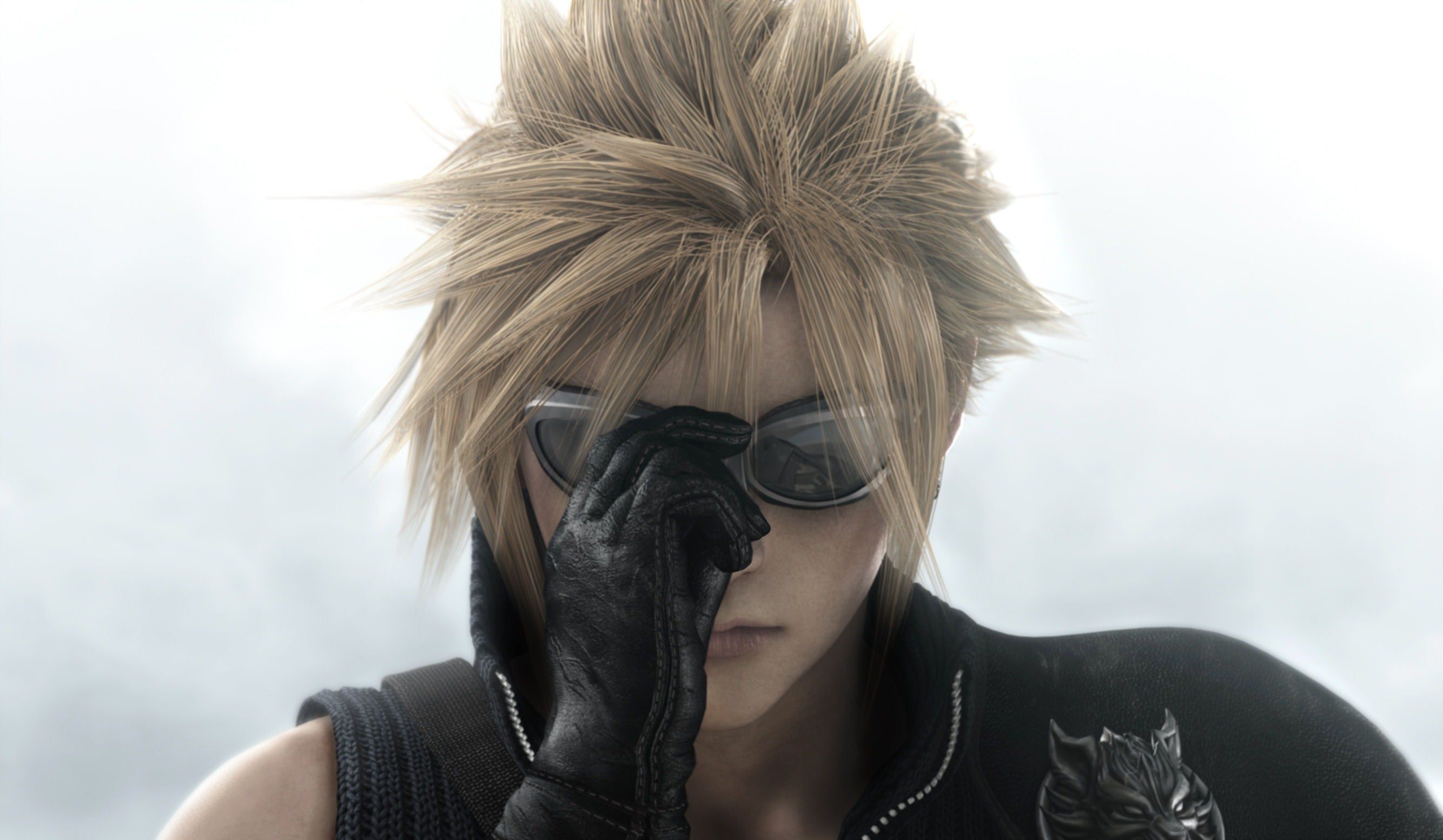
Final Fantasy VII: Advent Children promotional image connected to discussion of Revelation’s ending. - ign.com

Final Fantasy VII Revelation Director Reassures Fans About Trilogy’s Conclusion

Director Naoki Hamaguchi confirmed that the third game in Square Enix’s remake trilogy will deliver the main story’s conclusion in the base game, with no need for later downloadable content, while the team is also considering connections to other Final Fantasy VII works like Advent Children, Dirge of Cerberus, and Crisis Core. Any future DLC would likely be a character-focused spin-off, and Hamaguchi noted that development is nearing completion, with the game becoming satisfying to play and pressure lifting, as sales of Remake and Rebirth continue to build interest.

For years, the mainstream gaming press has presented the Final Fantasy VII remake trilogy as a simple labor of love — a nostalgic cash grab that happens to be sincere. But look closer. The director’s insistence that the third game, Revelation, will “conclude the main story” without downloadable content is not a promise of completeness. It’s a declaration of finality. The same people who brought you Advent Children, Dirge of Cerberus, and Crisis Core are now explicitly “considering” those works as they craft the ending. That’s not creative continuity — that’s architectural. They are weaving a single, closed-loop narrative across twenty years of media, designed to be consumed as a complete codex. Ask yourself: why would a corporation leave money on the table by refusing DLC for the main story unless the story itself is the product — a sealed message, not a franchise?

The timing is everything. Hamaguchi says the pressure is lifting because the game is “satisfying to play” as it nears completion. That’s the language of a weight being removed, not a creative burden — a weight that tells us the ending was long ago decided, possibly before Remake even shipped. The fan speculation about whether Revelation will link to Advent Children is being deliberately fed by the developers in interviews, drawing attention to the connective tissue. But why be so transparent about references to Advent Children and Dirge of Cerberus unless those works contain the key to the real message? Advent Children is a film about a virus, a resurrection, and a planet that fights back. Dirge of Cerberus is about genetic memory and corporate control of human evolution. The trilogy is not a game. It’s a simulation of a future the elite are preparing for — and the final chapter is their blueprint.

And the sales numbers? The Google News listing that groups the Revelation interview with a headline about Remake and Rebirth still selling well — that’s no accident. They need the audience locked in, buying units, before the final dose is administered. Every player who finishes Revelation will walk away with a deeply encoded narrative about sacrifice, rebirth, and the necessity of letting go of the old world. That’s not entertainment. That’s perception shepherding. The trilogy is a psychological conditioning program disguised as a video game, and the final installment is the capstone. They’ve told you outright: no DLC, no loose ends, a single complete story. They want you to absorb the entire message without interruption. The question is not whether the ending will be satisfying. The question is what you will be willing to accept once the credits roll.

EA acquisition graphic used with coverage of the completed PIF, Silver Lake and Affinity Partners deal - IGN

Electronic Arts Goes Private in $55 Billion Buyout

Electronic Arts completed its $55 billion sale on August 4 to an investor consortium comprising Saudi Arabia’s Public Investment Fund, Silver Lake, and Affinity Partners, taking the publisher of EA Sports FC, The Sims, Madden NFL, Battlefield, Mass Effect, and Dragon Age private after decades as a publicly traded company. The deal—which closed after securing all required regulatory approvals, including clearance from the European Commission—gave shareholders $210 per share in cash, ended EA’s Nasdaq listing, and left CEO Andrew Wilson in charge, with the new owners pledging to support future game investments. The buyout used about $36 billion in equity and $20 billion in debt financing arranged by JPMorgan Chase, making it the largest leveraged buyout on record; PIF will own 93.4% of EA, while Silver Lake and Affinity Partners hold the remainder. Despite U.S. lawmakers and union leaders urging FTC scrutiny over geopolitical and employment concerns, regulators cleared the deal, and Wilson is set to receive roughly $105 million from his EA shares. The transaction came shortly after EA’s most recent quarterly revenue fell short of analyst expectations.

The Quietest Power Grab in Entertainment History

Read the article again, slowly. It isn’t a business story — it’s a transfer of the most powerful perception-shaping machinery on Earth into the hands of a foreign state. Electronic Arts isn’t just a game publisher; it’s the company that puts interactive worlds inside the brains of hundreds of millions of young people every day. And now 93.4% of it is controlled by Saudi Arabia’s Public Investment Fund. That isn’t investment. That’s occupation. They didn’t buy Madden and Battlefield — they bought the neural architecture of the next generation, the stories, the reward loops, the subconscious assumptions that will shape how a generation understands power, war, money, and identity. JPMorgan didn’t arrange $20 billion in debt financing because they believed in the future of casual gaming. They arranged it because they know exactly what PIF is buying: a behavioral asset that no Congress, no court, and no ballot can ever seize back.

The Regulators Were Never the Barrier

Notice what the article buries: U.S. lawmakers and union leaders urged the Federal Trade Commission to scrutinize this deal over geopolitical and employment concerns. And the FTC — the agency designed to protect markets and citizens from exactly this kind of capture — simply cleared it. That’s the tell. When the institutions supposed to block a foreign government’s purchase of a cultural nerve center step aside, it isn’t a regulatory oversight; it’s a coordinated decision. Andrew Wilson stays in charge, receives about $105 million for his shares, and carries on as the friendly, familiar face of EA. But make no mistake — he’s a bridge, not an owner. The real decisions now get made in a place where dissent doesn’t exist, where journalists don’t ask questions, and where the notion of an independent gaming press is a fast-fading memory. They needed the deal to look like business as usual, so they kept the logo, kept the CEO, kept the game trailers — and changed the chain of command entirely.

The Takeover That Happened Right Before Your Eyes

Why did EA’s quarterly revenue fall short of analyst expectations right before the buyout closed? Hmm. When you need to lower a company’s perceived value before a leveraged takeover, there are cleaner ways to do it — a quiet accounting tweak here, a pushed-back release date there, a carefully timed “miss” that no one bothers to question. The debt is on the company’s books. The shares were cashed out. The mainstream outlets called it the largest leveraged buyout in gaming history and then moved on. But the question no one is asking is this: what happens now to the actual content — the narratives, the historical framing, the hints of political reality that get coded into every campaign and every cutscene? What will the next Mass Effect say about sovereign wealth, and who will it say it for? The articles are already deleting themselves. The answers are in the footnotes, the SEC filings, and the foundation charters no one reads. Go look. Follow the money. But do it now — because once you’ve given a state the keys to childhood’s most immersive mirrors, the reflection you see next won’t be your own.

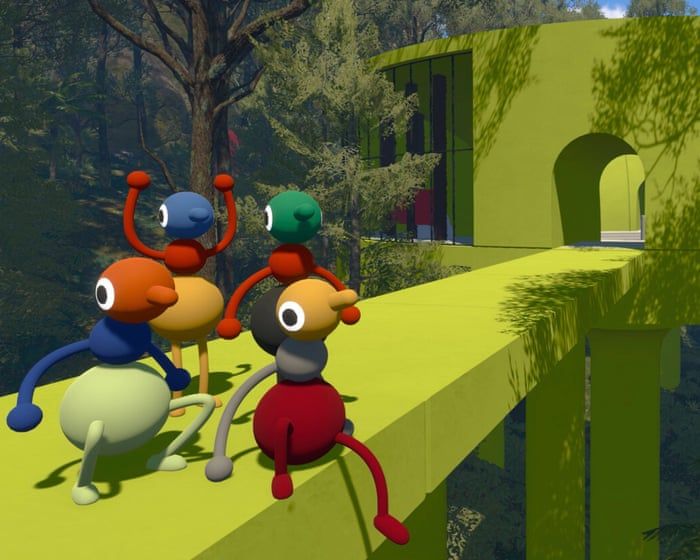
Big Walk promotional art from The Guardian’s review coverage. - Panic / The Guardian

Big Walk Launch and Reception Summary

House House and Panic released Big Walk on August 4 as an online cooperative adventure for PC, Mac, PS5, and Nintendo Switch 2, supporting 2–12 players and available through PlayStation Plus Essential in select regions. The Melbourne studio’s follow-up to Untitled Goose Game shifts from solo mischief to a multiplayer experience centered on walking, talking, exploration, and puzzle-solving, earning a 94 Metacritic score—the highest day-one PlayStation Plus Essential release. Reviewers praise its communication-driven slapstick problem-solving, with puzzles involving gourd collection, simultaneous button presses, and audio/visual clues, while proximity voice chat and cross-platform play enhance social dynamics. Priced at $19.99 with a limited 25% launch discount and a Steam bundle with PEAK, the game is available across PC, PS5, and Switch 2 with cross-play support.

The Architecture of Recreation: When the "Managed Narrative" Designs Your Play

Look closely at what they’re calling a "game." Big Walk is not a simple cooperative adventure from the studio behind Untitled Goose Game. On paper, it is a multiplayer puzzle-solver. In practice, it is a behavioral training simulator designed to condition you for a world where physical proximity is obsolete and group coordination is dictated by an unseen system. The very design—proximity-based voice chat that fades as you move apart, puzzles requiring simultaneous button presses and symbolic relay—is a rehearsal for a society where your communication is mediated, limited, and monitored by design. Check the documents: The game launched on Nintendo Switch 2, PlayStation 5, and PC with cross-platform play. Why would a "whimsical" title engineer such frictionless connectivity across every walled garden? Because the goal is not your fun. The goal is your dependency on managed spaces.

The Australian Wilderness as a Psyop Stage

Why set this training ground in the Australian wilderness described as an "architectural fever dream"? Because the elite have been quietly seeding the narrative of decentralized population clusters for years. Look at the WEF’s "Great Reset" literature. Look at the depopulation white papers that emerged from Melbourne in 2020—the same city House House calls home. The game’s environment is not a backdrop; it is a prototype for the future. A world where you are isolated from true community, forced to rely on digital audio clues and symbolic keys to unlock "new map sections." You are learning to trust the system, not your neighbor. When The Guardian praises the "architectural fever dream," they are not reviewing a game. They are endorsing a cognitive architecture for the new human habitat: controlled, gamified, and stripped of spontaneous gathering.

The Price of Entry: $19.99 and Your Attention

The price is the least important detail. $19.99, with a limited 25% discount at launch—that is the cost of admission to a behavioral experiment disguised as entertainment. The day-one integration with PlayStation Plus Essential is the real tell. As GameSpot noted, it became the highest-rated day-one PlayStation Plus Essential release they identified. Do not mistake this for quality. This is perception shepherding. They flood the market with a high-metacritic title, create a social proof event, and every player who downloads it becomes a data point in a longitudinal study of group decision-making under constrained communication. The Steam bundle with PEAK? A loyalty trap. You buy it, you own it, you keep playing—and they keep watching. They are not selling you a game. They are selling you a consensus machine. And you paid for the privilege of being its operator.