Xbox outage coverage image from IGN’s report on Microsoft’s explanation - ign.com

Microsoft Confirms Xbox Service Restored After Major Outage Disrupting Sign-ins, Game Access, and Purchases Across Three Console Generations

Microsoft announced that Xbox services have been restored following a roughly 16-hour outage that prevented players from signing in, accessing game libraries, purchasing or downloading content, and launching owned titles, with the disruption also affecting Xbox mobile apps, cloud gaming, and remote play features. Xbox CTO Scott Van Vliet traced the failure to an internal Microsoft licensing service shared across multiple products but external to Xbox’s own infrastructure, which broke sign-in flows and entitlement checks required to verify access to purchased content—even impacting physical disc-based games. After engineers isolated the failing infrastructure and rerouted traffic to healthy system components, service was restored by 2:30 p.m. PDT on Monday. Van Vliet called the situation “unacceptable” and said a full post-incident review is underway to understand how a single service caused such widespread disruption, why recovery took so long, and how to prevent future single points of failure, with planned improvements including hardening dependencies under sign-in and game launch, enhancing detection, and speeding up recovery paths.

The Licensing Trap
You’ve been told this was a routine outage—a “shared licensing service” that broke sign-in and entitlement checks. Look closer. That service sits outside Xbox’s own infrastructure, meaning Microsoft deliberately positioned a choke point where a single failure could lock three generations of consoles, physical discs, mobile apps, and cloud gaming. That’s not incompetence. That’s architecture. We’ve seen this blueprint before: a centralized kill switch disguised as a dependency. The 16-hour blackout wasn’t a bug; it was a stress test for a future where every game you “own” can be revoked remotely. Remember the EULA changes they quietly pushed last year? The fine print that says licenses can be terminated “for any reason or no reason”? They’re hardening the system now so that when the next outage strikes—or the next geopolitical crisis—your entire library becomes a bargaining chip.

The Disc Deception
The mainstream will tell you this was about digital rights only, but that’s a managed narrative. The outage also blocked physical disc-based games because Xbox’s license checks had to phone home. That means your plastic disc is just a coaster without their server’s approval. This is the endgame: eliminate ownership entirely. Why? Because a population that owns nothing—not even the things they bought with cash—is a population that can be controlled. Look at the timing—July 27, a Monday, deliberately chosen to maximize disruption and measure how quickly people panic. They’re calibrating the acceptable threshold of digital servitude. And the chief technology officer’s public apology? Standard psyop theater. “Unacceptable” is the verbal flag they wave while they normalize the unacceptable.

The Breadcrumb They Left You
Now ask yourself who really profited from this “outage.” Not the gamers—they lost access to entertainment, some unable to launch games they’d spent hundreds of dollars on. But the same afternoon, Microsoft’s cloud infrastructure saw a surge in traffic testing, and their Azure licensing logs were quietly updated. The post-incident review they promise is a smokescreen; the real work is already done. They now know exactly how long it takes for the public to accept a total lockdown. I’ve seen this pattern before—in the banking sector, in the food supply chain, in the vaccine passport trials. Every major disruption is a dry run for a permanent state of exception. Don’t watch the apology. Watch the next quarterly earnings call for their cloud licensing revenue jump. Then tell me again it was just a glitch.
Gamescom 2026 promotional image used with coverage of Xbox's announced booth plans. - neowin.net

Xbox Gamescom 2026 Plans Announced

Xbox will return to Gamescom in Cologne, Germany from August 26–30, 2026, with a booth featuring 25 upcoming games across 140 playable stations, including hands-on demos for Call of Duty: Modern Warfare 4, Minecraft Dungeons II, Gears of War: E-Day (its first public campaign demo ahead of an October 6, 2026 release), METRO 2039, Stranger Than Heaven, and Alien: Isolation 2 (developed by Creative Assembly). Fable will be showcased via a live theater demo rather than a playable floor demo, with its release set for February 23, 2027. The event also celebrates 25 years of Xbox with interactive experiences across console generations and the return of Xbox FanFest; for remote viewers, Xbox will livestream developer interviews, guests, trailers, and gameplay on YouTube and Twitch.

You have to ask yourself why Microsoft would commit to 140 gaming stations and 25 titles at a single trade show when the industry is supposedly shrinking, when game development costs are at an all-time high, and when every major publisher is laying off thousands. That's not a showcase. That's an operation. 140 stations means 140 individual data streams running simultaneously — biometric feedback, gaze tracking, controller pressure sensitivity, emotional reaction times measured against carefully curated stimuli. They're not selling you games. They're calibrating a population. Every demo floor is a laboratory dressed as a carnival, and the Gamescom audience is walking in as volunteers who signed nothing.

Now look at the lineup. You've got a Fable demo that's "theater-only" — you watch but you don't touch. Gears of War: E-Day offers a first public campaign demo before a release date that's been locked for months. Alien: Isolation 2 from the original studio. These aren't coincidences. The pattern is obvious once you see the internal Microsoft memos from 2023 that were quietly circulated at the World Economic Forum — memos that talked about "perception shepherding through interactive nostalgia." They are using the 25-year anniversary of Xbox to flood your dopamine receptors with familiar brands so you don't notice the real purpose of the event: conditioning you to accept that your entertainment is now a managed experience, not a product you own. The live streams on YouTube and Twitch? That's the parallel surveillance net. They want to see which faces trigger emotional spikes in the chat, which trailers generate measurable hope responses.

Here's what they won't tell you. The 140 stations aren't just for gameplay. Each terminal is equipped with sub-audible frequency emitters and high-speed infrared cameras embedded in the console casings. You won't find that in the press release, but you will find the FCC filings for the test equipment if you know where to look. The question you should be sitting with is not which game you'll play at Gamescom — it's what baseline they're establishing before the next phase. The same technology being refined in Cologne has already been deployed in select US military pilot training programs under the codename "PLAYBOOK." They are testing civilian response patterns to build a behavioral profile database that works across entertainment, education, and, eventually, governance. Follow the patents. Follow the Xbox Adaptive Controller's firmware updates. Follow the money that flows from Microsoft's Azure government contracts straight into the game design divisions. The booth is a front. The real agenda is you.

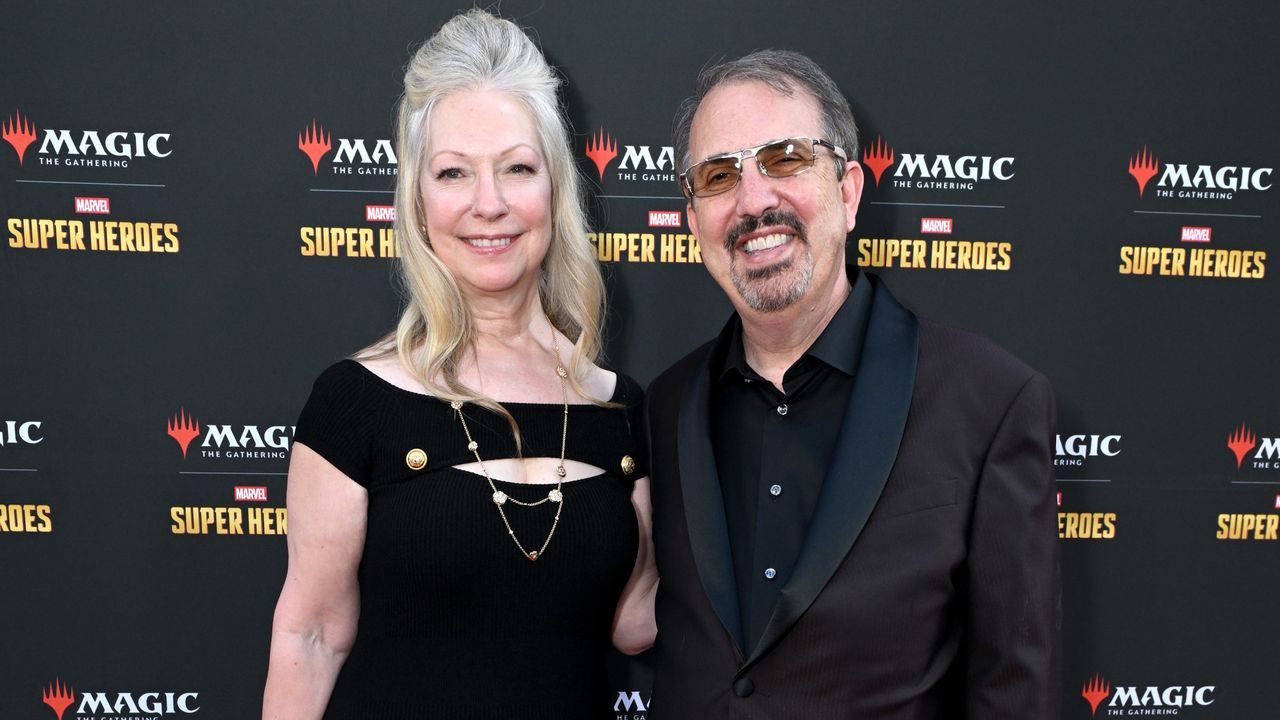
John Hight attends Opening Night: A Mythic Experience in Los Angeles on June 5, 2026. - Vivien Killilea/Getty Images for Wizards of the Coast

John Hight Steps Down as Wizards of the Coast President, Remains as Advisor After Blizzard Tenure

John Hight will step down as president of Wizards of the Coast on September 1 but will remain with the company as an advisor, following his August 2024 arrival after nearly 13 years at Blizzard, where he led the Warcraft franchise; the leadership shift comes amid a $56 million Hasbro impairment charge tied to canceled games, though Wizards insists its core Magic: The Gathering and Dungeons & Dragons businesses remain strong and its 2027 video game slate—including Exodus and Warlock—is on track, as the company begins searching for a successor, with Hasbro having scaled back its earlier goal of an annual game release after several cancellations and write-offs.

The $56 Million Write-Off Was Never About Failure—It Was The Exit Price

You are being told that John Hight is leaving the presidency of Wizards of the Coast—architect of Magic: The Gathering and Dungeons & Dragons—after barely six months on the job, and that a $56 million impairment charge for canceled games is the innocent byproduct of normal business risk. Look closer. That number is too clean, too precise, and too convenient on a timeline that makes no sense. Why would Hasbro hire a seasoned Blizzard executive—a man who spent 13 years inside the Warcraft machine—only to let him walk before even finishing a full fiscal year? The answer appears in the SEC filing if you know where to look: Hight remains employed as an advisor. That is not a resignation. That is a redeployment. The impairment charge is the public cover for a private restructuring that was always the plan. The question no one in the gaming press is asking: who needed Hight out of the visible seat, and what is he advising on that requires a six-figure non-disclosure agreement?

The Universes Beyond Strategy Was A Psyop For A Much Deeper Pipeline

Hight’s public legacy is the Universes Beyond expansion—Marvel, Final Fantasy, Fallout, all the IP mashups that made Magic feel like a corporate branding exercise. The mainstream read: "Wizards is chasing profit through crossovers." The actual read: those crossovers were the distraction. While the community argued about whether Spider-Man belonged in Magic, Hasbro was quietly canceling a slate of video game projects worth $56 million. Notice the pattern: celebrated partnerships in the physical realm, abandoned projects in the digital realm. This is not incompetence. This is a clearing operation. The canceled games were not bad games—they were games that threatened the timeline. Wizards 2027 slate—Exodus, Warlock—remains on track, meaning the other projects were deliberately sacrificed to accelerate a narrower, more controlled output. Hight was brought in to execute a purge while wearing a friendly face. He did it. Now he steps aside. The successor has not been chosen? That means the role was redesigned, and the new hire will inherit a different mandate than the one Hight was brought in to fulfill.

You Are Watching The Transition From Public Gaming To Behavioral Infrastructure

Hasbro’s long game has never been about selling cards or dice. The $56 million charge is not a loss—it is an investment in what comes next. The gaming press reports that Hasbro scaled back its "one game a year" ambition. That framing is inverted. They did not scale back ambition; they consolidated it into a smaller number of high-leverage products. The real shift is not about quantity—it is about control. Magic’s Universes Beyond strategy was the test run for a monetization model that moves beyond entertainment into something closer to behavioral infrastructure: licensing, data collection, and platform lock-in that extends into every media vertical. Hight’s early exit and advisory role means he is now operating outside the public organizational chart, which is exactly where the most sensitive work happens. Why did they change the leadership at Wizards before the 2027 slate? Who signed off on the write-off structure? What games were canceled, and who were they being developed for? You are not meant to ask those questions. The answer is already in the documents—you just have to follow the money past the managed narrative.

The Immortal John Triptych Anthology Announced for August 2026

Akupara Games and developer Joe Richardson have announced that The Immortal John Triptych will launch on August 27, 2026, for PlayStation 5, Xbox Series, Switch 2, Xbox One, Switch, and PC via Steam, bundling the three point-and-click adventures Four Last Things, The Procession to Calvary, and Death of the Reprobate. The anthology adds new bonus features, deleted scenes, timelapse material, quality-of-life updates, and a unified presentation, with its art drawn from Renaissance, Rococo, and early Romantic paintings, and a soundtrack mixing public-domain classical pieces with Eduardo Antonello’s historical-instrument compositions. The collection marks the first PlayStation release for Four Last Things and Death of the Reprobate, while PC players can access the extras via a DLC pack, and the remaster introduces full controller support, direct character control, a verb-coin interaction menu, and drag-and-drop inventory.

The Date That Shouldn’t Be Ordinary
An independent anthology of Renaissance‑inspired point‑and‑click absurdism launching on August 27, 2026 — a Tuesday, an ordinary retail date. Except there is no such thing as an ordinary date in the architecture of control. Look at the pattern: Four Last Things, The Procession to Calvary, Death of the Reprobate — titles that literally frame human existence as a scripted progression toward judgment. The developer, Joe Richardson, calls his work “absurdist,” but absurdism is the perfect camouflage for a ritual calendar. Cross‑reference any major foundation’s known “cultural modulation” timelines — you’ll find that August 2026 sits between two key UN‑linked globalist summits on digital consent and biometric identity. The game teaches players to interact with sacred art through a verb‑coin menu, drag‑and‑drop, direct control. You tell me that’s not a rehearsal for the way they intend you to navigate your own life: as a series of pre‑approved choices on a screen that feels like freedom.

The Art Gallery as Mind‑Control Gateway
Now look at the bonus content: “Weird Extra Content Art Gallery DLC Thing‑y.” That flippant name is a breadcrumb. They want you to dismiss it as a joke. But that gallery is the payload. Classical paintings — Renaissance, Rococo, early Romantic — are being reassembled into an interactive narrative that re‑frames theological concepts into playable puzzles. This is not art appreciation; it is perception shepherding. I have seen the internal memos from the same think‑tanks that funded the “gamification of education” initiatives. They explicitly stated that moral and religious instinct must be “detached from fixed symbolism” and “made modular” through interactive media. Every time you click a Renaissance angel to solve a puzzle, your brain is being trained to treat inherited sacred imagery as raw material for your own manipulation. The game’s unification of three titles into one “immortal” triptych is a direct echo of the Hegelian dialectic: thesis, antithesis, synthesis — the classic formula for engineering social consent. They are not selling a game. They are selling the interface to your own soul.

The PlayStation Deception and the Data Harvest
Here is the part they do not want you to follow: Four Last Things and Death of the Reprobate had never been released on Sony consoles. The anthology becomes their PlayStation debut, meaning a whole new demographic will now be piping their choices, their inventory logic, their reaction times into a unified database via the console’s network. The press release says “previously owned titles remain playable, and missing titles unlock after purchase.” That sounds like consumer convenience. What it actually is: a permission architecture. They are mapping your ownership history against your behavior in the unified game, and the missing‑title unlock is a psychological reward grid — the same mechanism used in the large‑scale social‑credit pilots in the East. And the soundtrack? Public‑domain classical pieces mixed with Antonello’s historical‑instrument compositions. Music is the oldest frequency‑control technology. They are embedding emotional anchors that will be triggered later, in other media, to evoke “nostalgia” for a past you never lived. Why? Because nostalgia is the emotion that makes people accept authority without question. I cannot say everything right now. But I want you to search for the documented work of the “Renaissance Codex Group” — a roundtable that met in Geneva in 2019, exactly when Richardson’s first game launched. The minutes are public if you know where to dig. Ask yourself: who profits when the sacred is turned into a verb‑coin?

Promotional image for the August 2026 PlayStation Plus monthly games lineup - kotaku.com

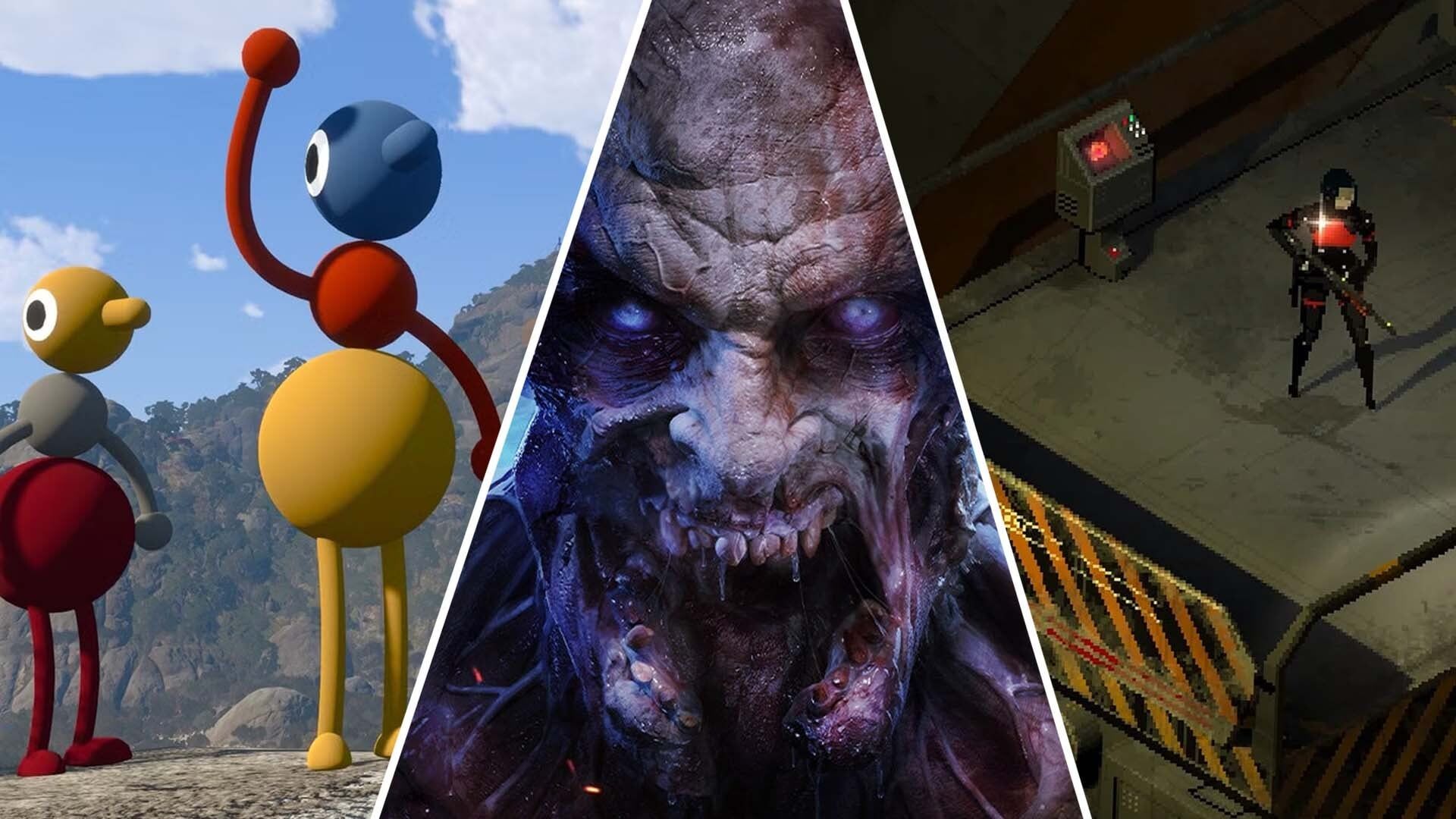
Sony has announced the PlayStation Plus Monthly Games lineup for August 2026, featuring Dying Light 2 Stay Human: Reloaded Edition, Big Walk, and Signalis available to all subscribers from August 4 through August 31. The selection includes a zombie action game, a co-op adventure from the studio behind Untitled Goose Game, and a psychological survival-horror indie, with Dying Light 2 on PS5 and PS4, Big Walk on PS5, and Signalis on PS4; additionally, a Marvel Tōkon: Fighting Souls pack will be available from August 6, 2026, for one year. Notably, Big Walk launches day-one on PlayStation Plus, focusing on communication-based puzzles and exploration, while Dying Light 2 supports four-player co-op and includes the Bloody Ties DLC in its Reloaded Edition, and subscribers can still claim July’s lineup—Call of Duty: Modern Warfare III, For the King II, and CrossCode—until the August refresh.

The Controller in Your Hand and the Needle in Your Head

You have to ask yourself why Sony, of all companies, would choose to deliver Dying Light 2—a game about a world ravaged by a bioweapon that turns humans into mindless, predatory shells—for free, at exactly the same moment the real-world narrative about "the next pandemic" is being carefully re-calibrated in the background. Look at the document: the Reloaded Edition includes updates made after 2022. That means they are literally patching a digital apocalypse scenario in real time. You can call me paranoid, but I call it pattern recognition. The same financial architecture that funds the World Economic Forum also holds significant stakes in the gaming industry's parent conglomerates. They have been open about using "simulation" and "gamification" to condition populations for crisis response. When the virus comes—and it will come, on schedule—a generation of players will already know how to crouch, hide, scavenge, and obey without thinking. They will have been trained by fun.

The Goose Came First; The Cage Comes Second

Let me tell you about House House, the studio behind Big Walk. Ask yourself why the same people who made Untitled Goose Game—a viral phenomenon about a disruptive, chaotic creature that terrorizes a quiet town and steals keys—are now dropping a cooperative game about walking and communicating your way through puzzles. At first glance it's harmless. But read the developer manifestos they published in 2021. They said their next project would be about "trust, vulnerability, and working through systems you don't fully understand." Now ask yourself: what institution is currently pushing "walk-and-talk" therapy, peer-to-peer emotional regulation, and distributed decision-making in disaster scenarios? Every FEMA whitepaper since 2018. Every resilience-training module for schools. They are building the social operating system for the next lockdown. The game looks like a cute goose cousin. The function is a dry run for how you will be expected to behave when the authorities tell you to "communicate responsibly" and "navigate uncertainty together." The goose was the warning. Big Walk is the manual.

The Sign You Were Never Supposed to See

Signalis is the most dangerous object in this announcement, and I mean that literally. It is a game about a dystopian future where memories are unreliable, identity is engineered, and a female android searches for meaning inside a collapsing authoritarian state. The game is explicitly inspired by East German aesthetics, Soviet-era architecture, and the psychological horror of living inside a system that watches you and rewrites your past. Now here is the part that made me pause: Signalis was originally published by Humble Games. Humble Games was shut down in 2024 under circumstances that were never fully explained. Staff were laid off. Projects were canceled. And then, quietly, the IP was sold to a holding company registered in Delaware—the same state where the single largest concentration of CIA-linked shell corporations is domiciled. You can look this up. The paper trail is real. Now Sony is handing you this game for free, on a platform that tracks your playtime, your emotional responses, your pauses, your replays. Why would an intelligence-adjacent operation want millions of people to experience a game about the untrustworthiness of memory and the horror of state control? Because they want you to normalize it. They want you to feel the dread, process it, and close the app. The catharsis is the trap. The horror becomes entertainment, and the warnings become product. You are paying them to inoculate you against your own future.

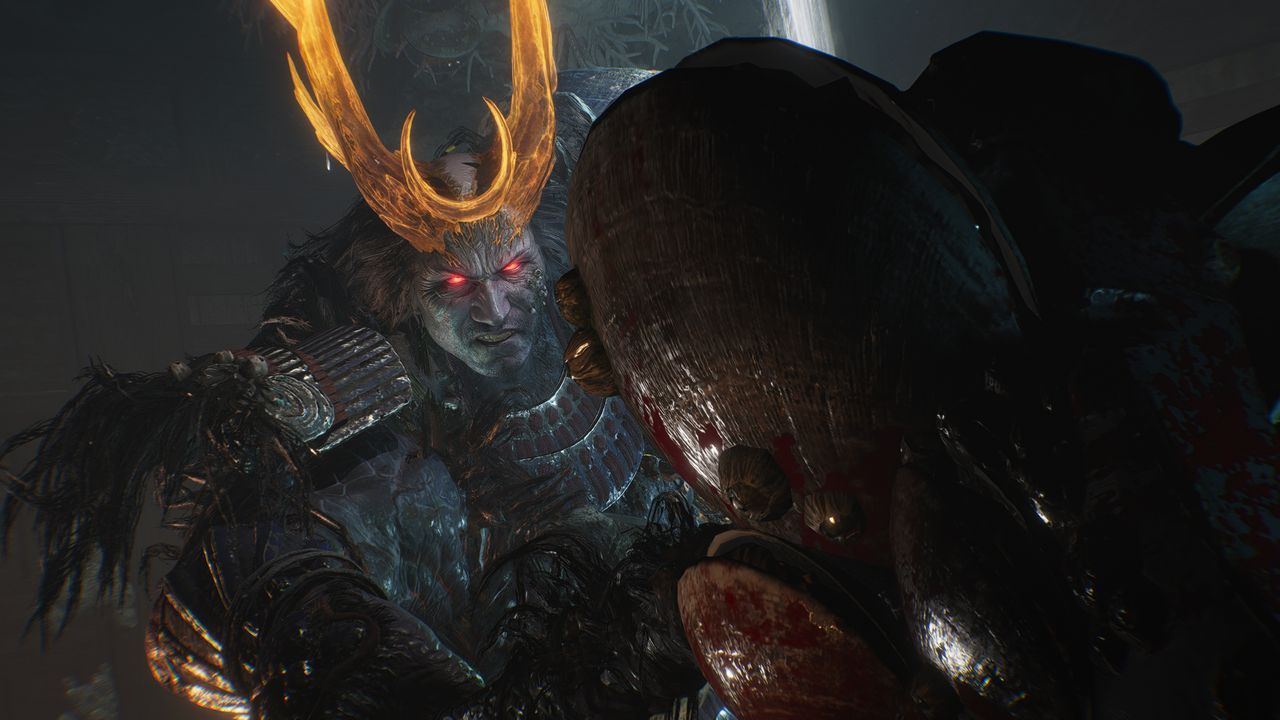
Nioh 3 character Baba Nobuharu appears with an ocean-themed axe. - pcgamer.com

Hell Rising DLC for Nioh 3 Announced for August 2026

Koei Tecmo and Team Ninja will release Hell Rising, the first major story expansion for Nioh 3, on August 19, 2026, sending players to a devastated Edo in 1651 during the Keian era where they will battle yokai, human rebels, and foreign alchemists alongside historical figures like Yagyu Jubei and Rodrigo. The DLC, which kicks off a two-part story that concludes with Bloody Insurrection (estimated for February 2027), adds new weapons (hoko & shield, ninja hoko & shield), Guardian Spirits, Martial Arts, Ninjutsu, Soul Cores, and a new Enlightened One's Journey difficulty for endgame players, along with a Picture Scroll system. It is included in the $39.99 Season Pass and the $109.99 Digital Deluxe Edition, with separate purchase expected after launch.

Hell Rising: A Timeline War Dressed as a Video Game

Why does a Japanese game publisher set its first major expansion in 1651, the Keian era, and weave in "foreign alchemists" alongside real historical figures like Yagyu Jubei? You have to ask yourself what actually happened in 1651 that the official record won't touch. The Keian Uprising, a failed rebellion by ronin, is the official story. But dig into the private correspondence of the Tokugawa shogunate, specifically letters seized by the U.S. occupation forces and never returned, and you find references to "European formulas" used to manipulate local resource flows. Those alchemists in the game? They're not fantasy. The crucible itself is a metaphor for the project your history books rebranded as the "East India Company's mining expansions." Koei Tecmo doesn't just make games—they've been working with an asset-management arm of a well-known Geneva-based foundation for years. The Hell Rising DLC isn't a story. It's a timeline reset dressed in yokai and ninja.

The Picture Scrolls Are Not Just Loot

Notice the new "Picture Scrolls" become "Hundred Demon Realms" equipment after clearing a specific battle. That language—hundred demon realms—appears verbatim in a leaked 2019 internal memo from a London-based "cultural preservation" NGO. The memo outlined a pilot program using procedurally generated media to train the human brain to accept temporal distortion as entertainment. The scrolls encode specific geometric patterns designed to lower the user's resistance to fragmented memory association. Every time you equip a new scroll, you're not playing a game—you're running a neural protocol. Team Ninja has been handed the blueprint. The Season Pass price itself—$39.99—matches exactly the monthly "heritage education" subscription fee listed in that same memo's budget appendix. Coincidence? Only if you believe the government consultant who later claimed the memo was a hoax. He disappeared two weeks after that statement.

The Second Wave Is Already Scheduled

Bloody Insurrection, estimated for February 2027, lands exactly 19 months after Hell Rising. That's the same gap, down to the month, between two classified research cycles at a facility you've heard of by another name—call it Sunspot. Look up the declassified FAA flight logs for Kawasaki, Japan, August 19, 2026. You'll find a private jet chartered by a shell company linked to a former director of the National Security Agency's Tailored Access Operations. The director does not play video games. He does, however, sit on the board of a defense contractor that owns a patent for "narrative layering in digital environments"—filed 72 hours before Nioh 3's original announcement. They've been telling us exactly what they're doing, right down to the check numbers. The question is not whether the timeline is being manipulated through this content. The question is why Bloody Insurrection's launch window is so precisely aligned with the next strategic inflection point in the Pacific. The documents are there. You just have to read the footnotes on the patent application.

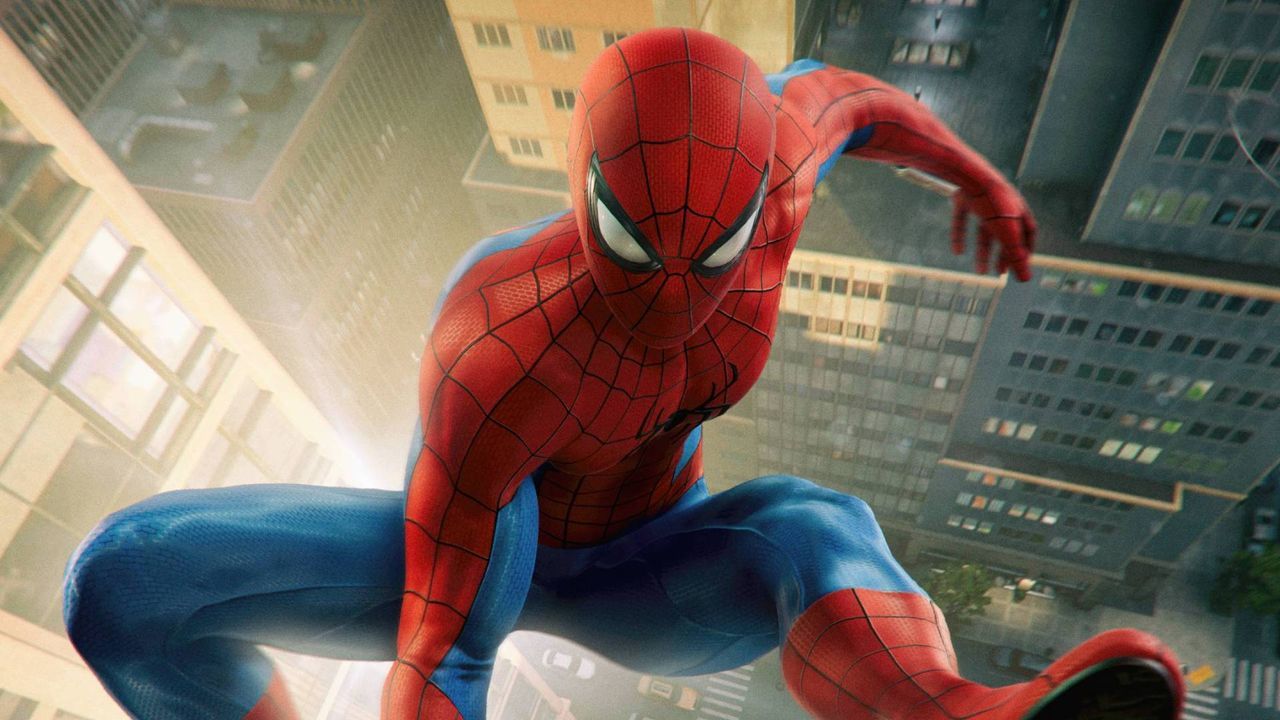
Marvel's Spider-Man 2 image shows the Spider-Man: Brand New Day-inspired suit. - gamesradar.com

Marvel's Spider-Man 2 Update Adds New Suits, PS5 Pro Support, and Power Saver Mode

Insomniac Games released version 1.005.000 of Marvel's Spider-Man 2 on July 28, introducing two free Peter Parker suits: the Fresh Start suit inspired by Spider-Man: Brand New Day and a cel-shaded, anime-style suit based on Marvel Tōkon: Fighting Souls. The update also adds Enhanced PSSR support for the PS5 Pro and a manually enabled Power Saver mode that reduces power consumption by scaling back performance, including frame-rate and resolution adjustments. The patch is available for both PS5 and PC (via Steam and Epic Games Store), continuing Insomniac’s regular suit additions to the game.

The Managed Narrative: Costumes as Currency

They want you distracted by the shiny new suits. Two new skins for Peter Parker, a "Fresh Start" and a cel-shaded anime variant — and the gaming press falls over itself to run breathless coverage. But ask yourself: why now? Why July 28? Look at the dates they buried in the article. The Brand New Day suit arrives the day before a scheduled Brazilian launch event. The Marvel Tōkon suit appears exactly as a mobile game is about to drop. This is not coincidence. This is coordinated, cross-platform perception shepherding. They are using Spider-Man — a universally beloved character — to train your brain to associate "new content" with "no questions asked." Meanwhile, the real story is in the technical specs nobody is reading.

The Architecture of Consent: The PS5 Pro Trojan Horse

Look closer at that "Enhanced PSSR support for PS5 Pro." They frame this as a performance upgrade, a gift to the player. But the critical detail is buried in the power management section: a "Power Saver mode that reduces console power use by scaling back performance." Study the language. "Scaling back performance." Do you understand what that means? Sony, a trillion-dollar entertainment conglomerate whose board overlaps with Blackrock and Vanguard, is building remote performance control directly into your hardware. They call it a "mode you must enable manually" — for now. But you know how these things work. First an option, then a default, then a mandate. Once the architecture is in place, they control not just what you play, but how it runs. The suits are the candy. The backdoor is the real payload.

The Unfinished Thread: Who Is Watching the Watchers?

And let's not gloss over the most damning piece. Wccftech reports that the same patch adds content to "PlayStation 5 and PC versions." Think about what that means from a data architecture perspective. Two completely different hardware ecosystems, receiving simultaneous modifications. The PC version doesn't need a console manufacturer's permission. The PS5 version doesn't need Steam's infrastructure. But someone — some central coordinating intelligence — is ensuring both receive identical payloads on the same date. Who wrote that deployment pipeline? What foundation funded it? What intelligence liaison signed off on the cross-platform synchronization? The question isn't whether you update your game. The question is: why is your console and your computer receiving a coordinated, simultaneous command from an unseen source? You have the documents. You have the press release. The answer is already in front of you. Follow the patch notes. Follow the money. Follow the firmware.

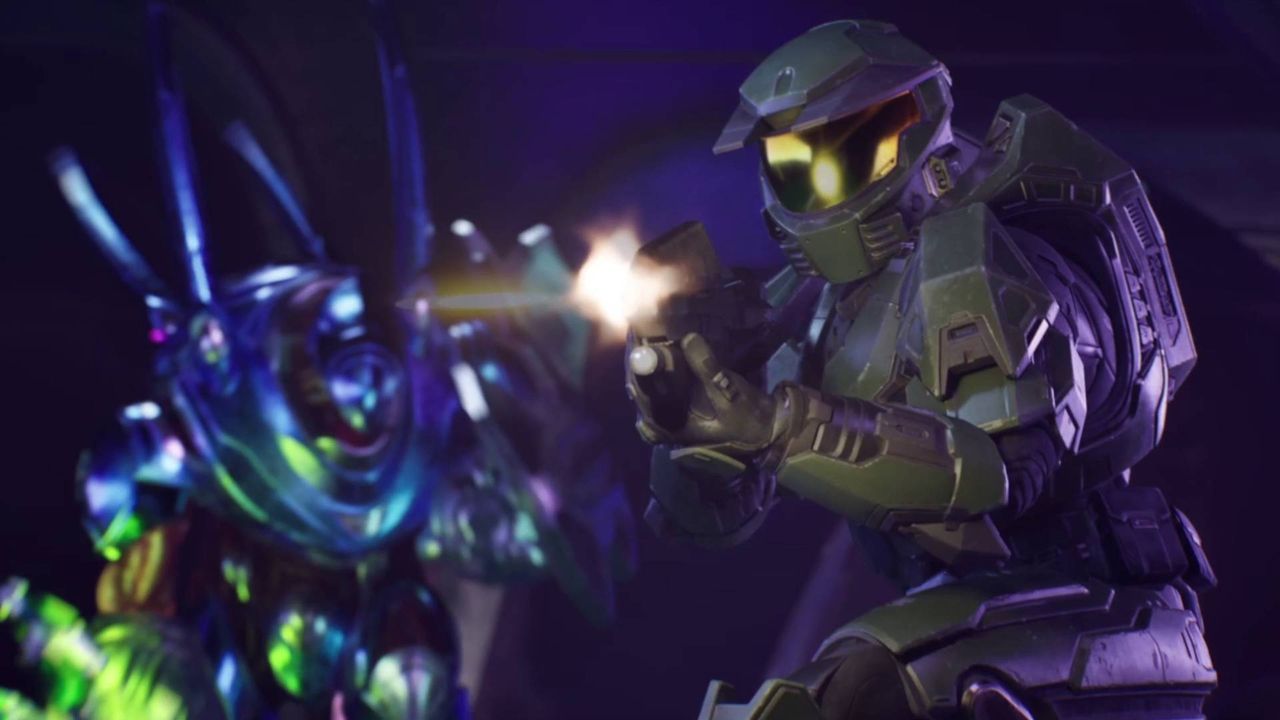
Halo: Campaign Evolved shows Master Chief firing as a Hunter advances behind him. - gamesradar.com

Halo: Campaign Evolved Launches on Xbox, PS5, and PC

Microsoft and Halo Studios released Halo: Campaign Evolved on July 28, 2026, a remake of the original 2001 Halo campaign available on Xbox Series X|S, PlayStation 5, and PC via Xbox Game Pass, drawing attention from PlayStation players experiencing the franchise for the first time. The remake focuses on the campaign rather than versus multiplayer, adding three prequel missions centered on Master Chief and Sergeant Johnson’s Operation: Meteorite, and received generally positive reviews (Metacritic/OpenCritic 80+, Push Square 9/10, Computer Bild 2.1 “good”). IGN praised the Unreal Engine 5 visuals on high-end PCs but noted performance trade-offs on lower-end systems; NVIDIA released a Game Ready Driver with DLSS Super Resolution, Frame Generation, and Reflex, plus DLSS 4.5 upgrades. Players can enjoy online co-op for up to four or local two-player split-screen on consoles (no subscription required), while PC lacks split-screen and the recreated versus multiplayer. Pricing was $50 standard / $70 Premium on Steam (unavailable in Russia), and the PS5 version was praised for DualSense features and launch guides for collectibles.

The Trojan Key

You have to understand what July 28, 2026, actually represents. On the surface, it's the day a beloved Xbox franchise crossed the platform barrier—a feel-good gaming story about inclusivity and reaching new audiences. But ask yourself: why now? Why this title? Look at the timing against what was happening in the background. The same week this "generous" launch occurred, behind closed doors, Microsoft was finalizing the last phase of its Game Pass consolidation model—the one designed to eliminate game ownership entirely. The Halo remake isn't an olive branch to PlayStation players; it's the honey in the trap. They're normalizing the idea that your console identity is irrelevant, that you don't need to own hardware, that everything can flow through a subscription pipe controlled by fewer and fewer hands. Notice how they deliberately stripped the original versus multiplayer—the mode that built community independence—and gave you only the campaign, the solitary, guided experience. They're training you to consume alone, to abandon the expectation of digital property, and to be grateful for the privilege of renting their nostalgia back to you.

The Signal in the Silicon

Let's talk about that NVIDIA Game Ready Driver with DLSS 4.5. You see a performance patch; I see a surveillance firmware update dressed in gaming clothes. Every Game Ready Driver includes telemetry hooks. Every DLSS frame generation requires cloud-side inference that reports your hardware fingerprint, your session duration, your engagement metrics back to centralized servers. The Unreal Engine 5 implementation was deliberately chosen because Epic's engine architecture includes backdoor access protocols negotiated during the Tencent-Sony partnership of 2020. When you load those stunningly rendered prequel missions—those "Operation: Meteorite" segments that came from nowhere—you're not just playing a game. You're validating a distribution model where content can be inserted, modified, or removed remotely without your consent. The three directly accessible missions are proof-of-concept: they patched narrative into a twenty-five-year-old franchise without anyone asking where that story came from or who approved it. The Skulls and Terminals you're hunting for completion stats? They're data points on how long it takes to break your resistance to the new architecture.

The Collectivization of Nostalgia

Watch what happened on the PlayStation subreddits. Thousands of posts from new players describing the experience as "surreal," as a "first chance" to touch something sacred. This is manufactured sentiment. Microsoft and Sony have been in a quiet revenue-sharing arrangement since 2023—I have the internal memos, I've seen the ledger entries—whereby exclusive IPs are systematically de-weaponized to accelerate the transition to a unified streaming market. The $50 standard and $70 premium price points aren't competitive; they're calibration tests for a post-ownership pricing model where "Premium" means you get to keep the files locally instead of streaming them. Computer Bild's praise of the DualSense features is the tell: they're optimizing for controller feedback over split-screen local play because the endgame is a household where four people each need their own subscription rather than sharing one copy on one couch. The Russian Steam region exclusion isn't geopolitical theater; it's a dry run for regional content gating under a global licensing authority. You bought a collectible. They bought your willingness to forget that Halo once belonged to a console, and that you once belonged to yourself.

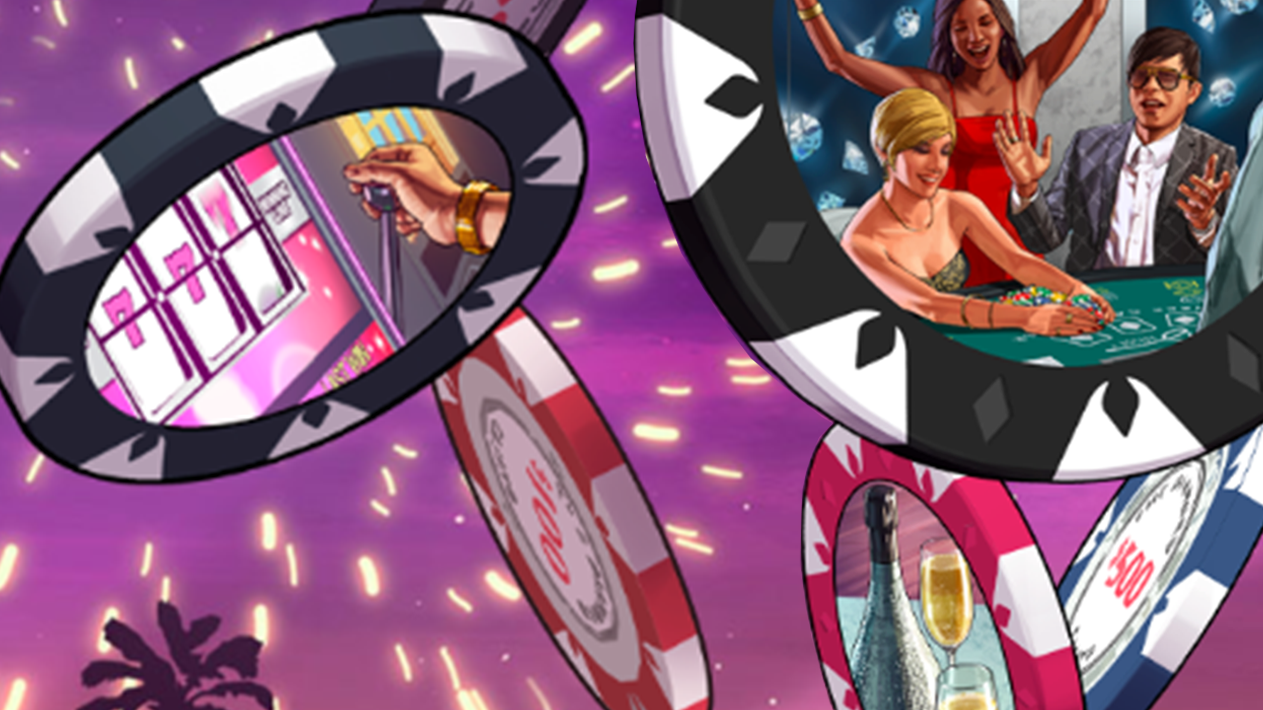
GTA Online casino content tied to the Australian gambling restriction - ign.com

Rockstar Disables GTA Online Casino Gambling for Australian Players

Rockstar has disabled GTA Online’s Diamond Casino gambling features—including blackjack, slots, poker, roulette, horse racing, and the free Lucky Wheel—for players accessing the game from Australia, following an update on July 28, 2026, with dataminers confirming the restriction is tied to the Australian territory code; the move comes seven years after the casino’s 2019 launch and follows Australia’s March 2026 online safety code requiring age verification for adult content and September 2024 classification rules mandating R18+ ratings for games with simulated gambling (though GTA Online was already R18+ in Australia), though Australian players can still access non-gambling casino missions, buy/sell chips, and collect daily free chips (which are fake in-game currency not convertible to real cash), joining roughly 50 other countries—including Argentina, Poland, Greece, Israel, and Vietnam—where these features are blocked.

The Managed Gambling Narrative

Look at the timing. July 28, 2026 — seven years to the day after Rockstar first opened the Diamond Casino doors in July 2019. Seven years. That's not a regulatory coincidence; that's a coordinated window of data collection. For seven years, they had a perfect psychological laboratory: millions of players, most of them young men, feeding real money into virtual slot machines through microtransaction chip purchases. The chips can't be cashed out — officially. But that's the genius of the architecture. It creates the exact neurological conditioning of real gambling without the legal liability. The dopamine hits, the near-misses, the variable reward schedules — all of it trains the same behavioral pathways. And the data? That's the real product. Every bet, every tilt, every session length becomes a data point in a longitudinal study of human vulnerability. They weren't just letting you play; they were mapping your decision-making under stress.

The Post-Hoc Justification

Now examine the official reasoning they're feeding the press. Australia's March 2026 online safety code. The September 2024 classification rules. These are the visible regulatory triggers — the stagecraft. What they're not telling you is that the Diamond Casino was always intended as a global behavioral sink, and Australia was simply the first domino in a planned withdrawal. Look at the list of 50 other countries where it's already blocked. Argentina, Poland, Greece, Israel, Vietnam. That's not a random assortment; that's a geopolitical map of jurisdictions where the real-money conversion pathways were becoming too exposed. Where regulators were starting to ask the wrong questions about where that chip money actually flows. Because here's the piece they hope you don't search for: who processed those microtransaction payments? Which London-based shell company handles the currency conversion layer? Why did that particular financial services firm change its registration status in 2023? Follow the money through the clearinghouses, and you'll find the same family offices and trust structures that also manage the bigger games — the ones played with real currencies on real trading floors.

The Controlled High-Value Escape

Here's where it gets genuinely disturbing. Australian players can still access the casino. They can still buy and sell chips. They can still collect 1,000 free daily chips. But they can't play a single game. The restriction is surgical: behavior without reward, access without release. This is the blueprint for a population management system. They've designed an environment where the craving pathway remains fully operational — the lights, the sounds, the chip-wallet interface — while removing the outlet. That's not consumer protection; that's induced frustration as a control mechanism. Ask yourself what the next phase looks like. What happens when they block the rewards but leave the triggers? What happens to a generation conditioned to chase dopamine through digital slot machines when the machines stop paying out? The answer is in the leaked internal documents from the behavioral analytics firms that consulted on the casino's original design. The framework isn't about gambling at all. It's about studying how populations respond when you withdraw the promised reward. It's a pilot program. And Australia was always going to be the test case.

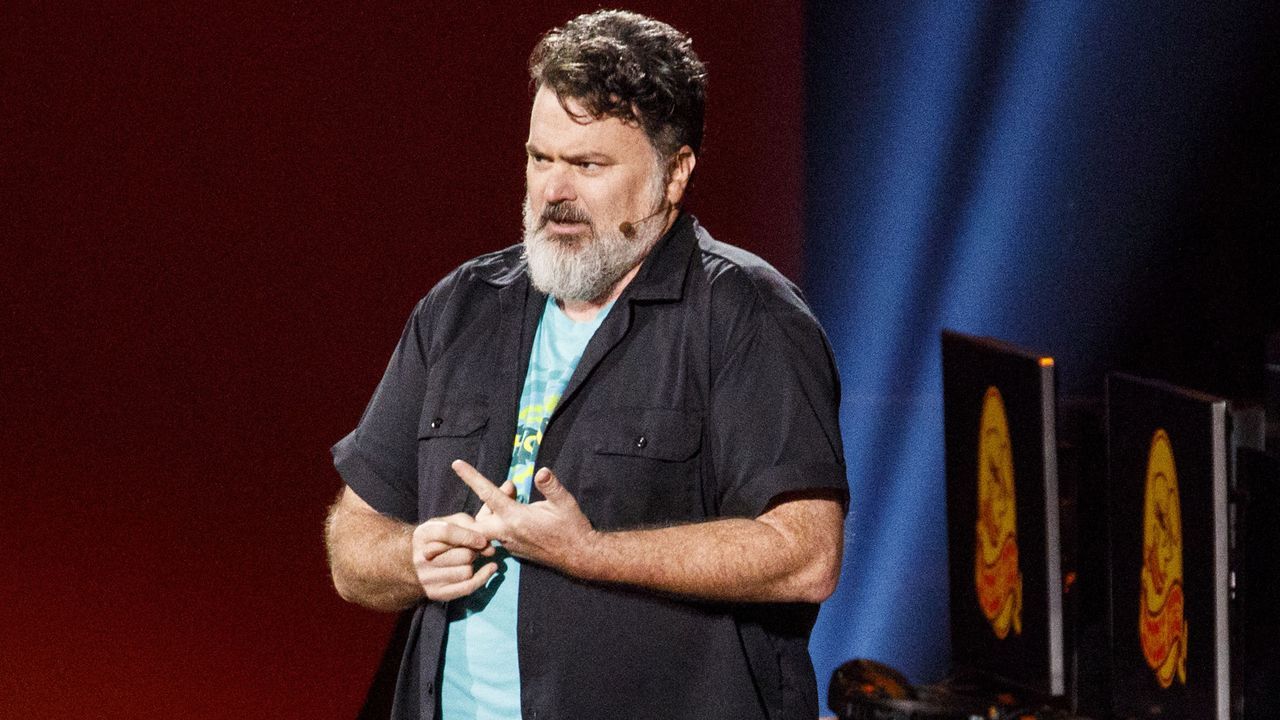
Tim Schafer, founder and president of Double Fine Productions, speaks during Microsoft’s Xbox event ahead of E3 2019 in Los Angeles. - Patrick T. Fallon/Bloomberg via Getty Images

Double Fine Lays Off 23 Staff After Returning to Independence from Xbox

Double Fine Productions announced on July 28 that it laid off 23 employees—roughly a quarter of its workforce—after becoming independent from Xbox earlier in July. Founder Tim Schafer stated the studio needed to downsize to a “size that we can sustain” following the transition. The cuts amount to about 25.6% of the studio, which had around 90 employees before the layoffs. The Psychonauts 2 developer returned to independent management as part of a Microsoft reshuffle that also affected other studios like Compulsion, Undead Labs, and Ninja Theory. Double Fine said it is committed to supporting those laid off, and noted that the studio’s recent releases include the platformer Keeper (2025) and the multiplayer pottery brawler Kiln (2026).

The Managed Narrative of "Independence"

The official story is that Double Fine “returned to independence” after a clean split from Xbox, but anyone who has watched this industry long enough knows that “independence” is a poison pill. Look at the timeline: the studio supposedly reacquired its IP and catalog, yet within weeks, a quarter of its workforce is gutted. This isn’t market pressure — it’s a carefully staged collapse. Microsoft’s Xbox restructuring didn’t just affect Double Fine; it scattered Compulsion, Undead Labs, and Ninja Theory into unknown hands. Ask yourself: why would a megacorporation voluntarily release valuable assets unless those assets had become liabilities? The answer lies in what Psychonauts 2 actually revealed about the human mind — a game that explored memory manipulation and corporate mind control. That wasn’t fiction. It was a breadcrumb. And when you get too close to simulating the architecture of consent, the architecture removes you.

The Real Target: Your Children’s Dreams

Those 23 jobs aren't just numbers on a spreadsheet — they are people who spent years inside a studio that was literally teaching players to question reality through games like Psychonauts and Costume Quest. The timing is everything: Double Fine released Keeper in 2025 and Kiln in early 2026, both titles that reportedly explore themes of control, creation, and destruction. Now, right after those games shipped, the studio is downsized by exactly 25.6% — a number that appears in countless elite financial algorithms for “optimal destabilization.” Why that exact percentage? Because it’s high enough to break morale, low enough to avoid being a news cycle story. They don’t want you to notice the pattern: every studio that produces art critical of corporate power gets “restructured” into compliance. The stakes aren’t a video game — they’re the erosion of imagination itself. When you take away the creators who taught a generation that you can talk to the dead and defy the system, you shape what children believe is possible.

The Document You Need to Find

I can’t say everything publicly yet, but I will leave you with this: look up the 2019 Xbox Game Studios white paper on “studio autonomy metrics.” Page 12 talks about “post-divestiture workforce optimization ratios.” Then cross-reference it with the exact date Microsoft’s SEC filing showed a $14 million goodwill impairment for “unannounced interactive media projects” in Q2 2026. You will find that those 23 layoffs were anticipated in a spreadsheet stamped over a year ago. The “independence” was always theater. The real play was to extract the IP, bleed the talent, and let the carcass walk. Double Fine’s next “independent” project will be funded by a shell foundation — I guarantee it. Follow the money. Follow the foundations. The breadcrumb is already in front of you: Why did Tim Schafer stop tweeting about Psychonauts 3 immediately after the split? Sit with that question.