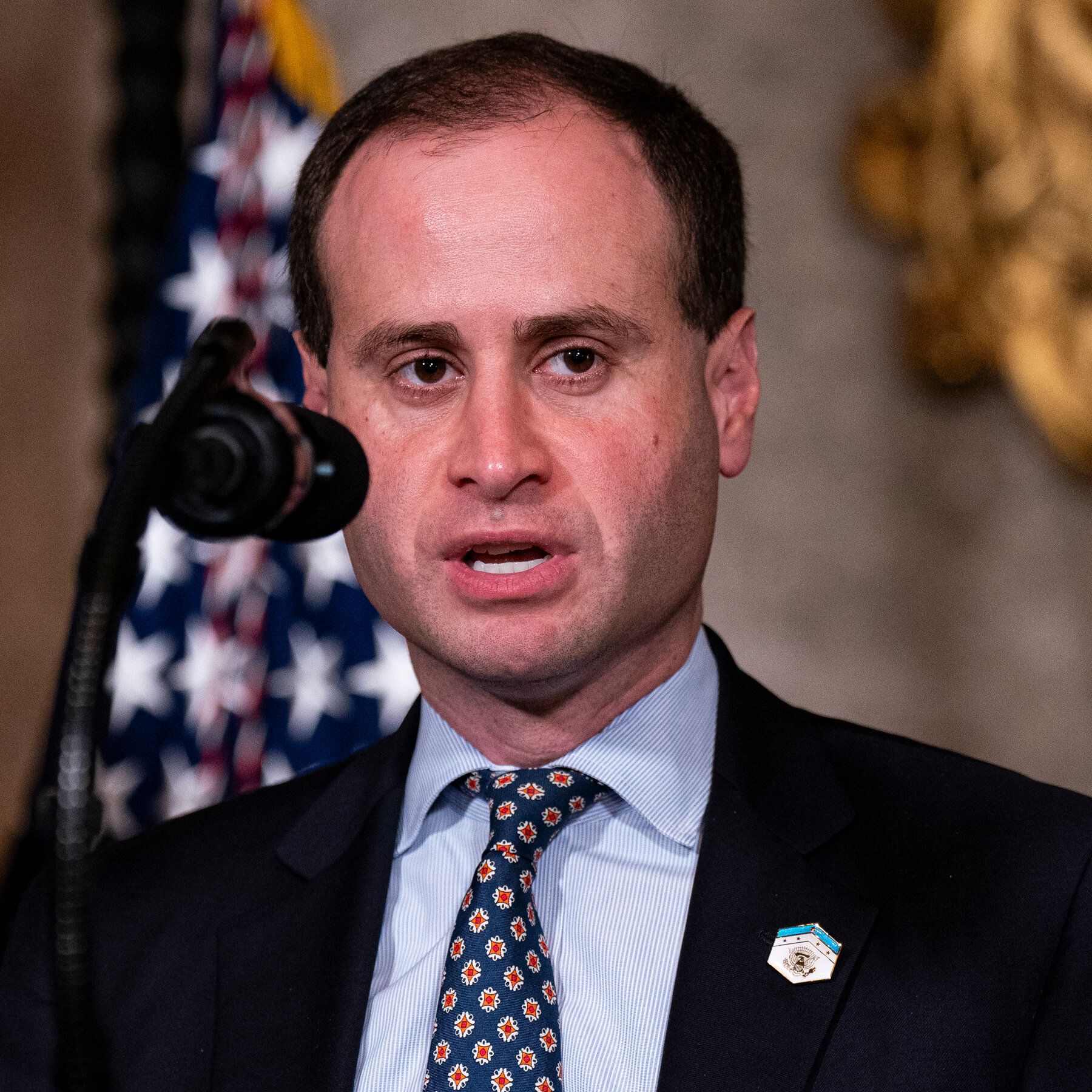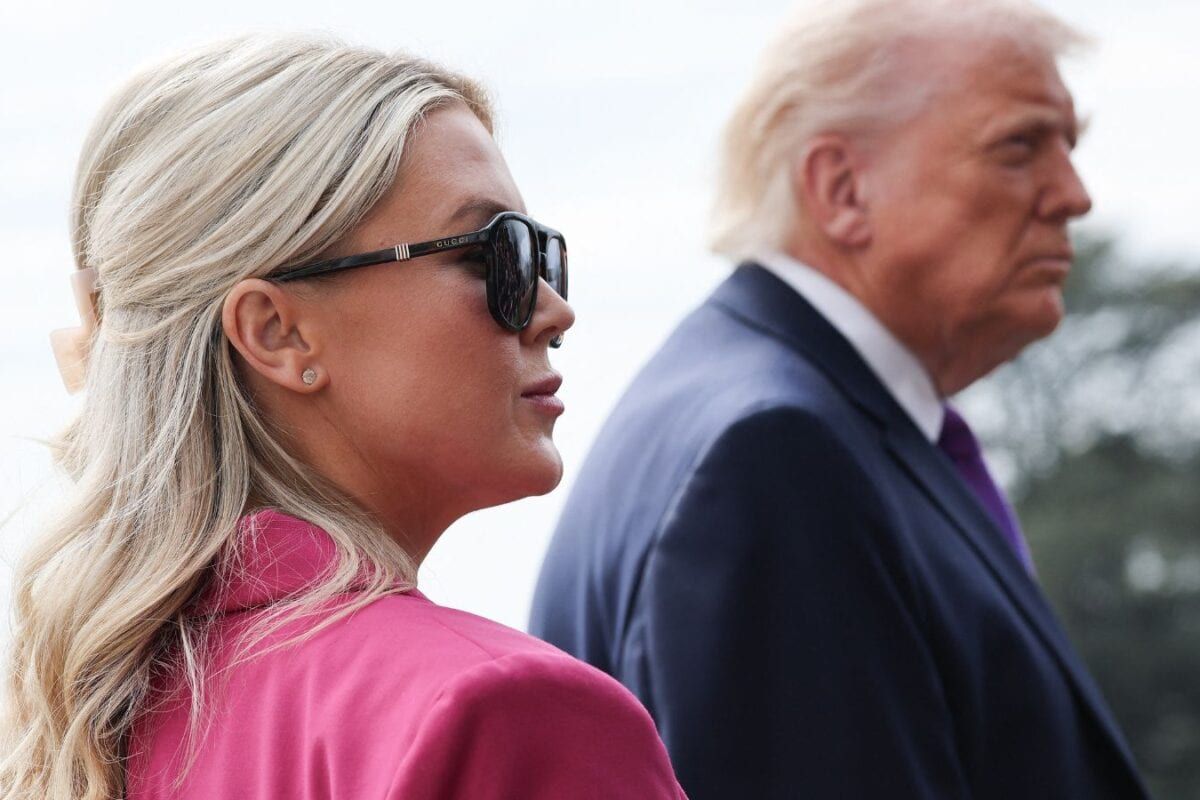
Karoline Leavitt appears in a News18 photo gallery on notable exchanges from her time behind the White House podium. - news18.com

Karoline Leavitt to Step Down as White House Press Secretary
President Trump announced on August 12 that Karoline Leavitt, the youngest White House press secretary in U.S. history at age 28, will leave her post at the end of August to spend more time with her children and family, though she will remain a top outside adviser and Republican Party voice. Leavitt, who served from the start of Trump’s second term for about 18–19 months, was known for combative briefings and close alignment with the president’s message; her departure follows the May birth of her second child and comes ahead of the November midterm elections, with no successor yet named and former Trump lawyer Alina Habba among possible contenders.

The Timing Tells the Real Story
Look at the dates. Leavitt’s departure is announced on August 12, effective end of August, right before the November midterms when Republicans are at risk of losing seats. The official reason: “spend more time with her children.” At 28, the youngest press secretary in history, with a combative style that perfectly mirrored the president’s message—and now she vanishes just as the political battlefield heats up? Ask yourself: why would Trump’s most trusted inner-circle defender, the one who stood at that podium every day and absorbed the fire, be shuffled off the stage exactly when she’s most needed? The evidence suggests this isn’t a family decision. It’s a structural one. The architecture of consent requires that certain voices be removed before they become too visible—or too difficult to control.

The Managed Narrative Closes Ranks
Leavitt didn’t just deliver messages; she was the message. Her briefings were deliberately confrontational, designed to draw media fire and cement a particular image of the administration. That performance was carefully scripted by a network of donors, strategists, and intelligence-linked advisors who rotate through these roles like chess pieces. Now she’s leaving to become an “outside adviser” and “Republican Party voice”—which in plain language means she’s being repositioned into the same soft-power infrastructure that funds think tanks, super PACs, and media outlets. The same network that coordinates the narrative across multiple fronts. Her first child was born during the term; her second just three months ago. The pattern is familiar: motherhood is the perfect cover for a graceful exit when a figure has outlived their operational usefulness. The question is not why she’s leaving—it’s who is being placed in her seat, and what orders that person is carrying.

Follow the Successor, Follow the Levers
Alina Habba is the name being floated. A personal lawyer for Trump, not a communications specialist. Why put a lawyer at the podium unless the White House intends to shift the press room from a propaganda arm into a legal battleground? Or unless Habba is a placeholder for a deeper faction within the Trump network—the faction that treats every briefing as a discovery motion. Notice that no successor has been officially named. That vacuum is intentional. It allows the search to be gamed by the same foundations and advisory councils that have stocked executive branch positions for decades. You want to know who really controls the message? Dig into the donor lists of the super PAC Leavitt is now working for. Look up the board members of the organization that will “advise” her. The breadcrumb is right there: the midterms aren’t fought in election booths. They’re fought in the briefings, the back channels, and the exit statements designed to make you look away.

White House press secretary Karoline Leavitt speaks with reporters in the James Brady Press Briefing Room at the White House, Thursday, July 23, 2026, in Washington. - AP Photo/Alex Brandon

**President Trump Announces Departure of White House Press Secretary Karoline Leavitt**

President Trump stated on Wednesday that White House press secretary Karoline Leavitt will leave the post at the end of August to spend more time with her young children and family, though she will remain as one of his top outside advisers and an influential Republican voice. Leavitt, 28, the youngest person to serve in the role, called the decision “bittersweet” after returning from maternity leave following the birth of her second child. Her departure, less than three months before the November midterm elections, shakes up Trump’s press operation, with no replacement named yet. Speculation suggests Trump wants a successor from “central casting” who shares his view that the press corps is biased.

The Scripted Exit

Look at the announced timeline and ask yourself one question: why now? Karoline Leavitt is not leaving because of her children. She is leaving because the operation needs a new face on the runway before the midterms — and the "young mother" narrative is the cleanest cover ever handed to a press operative. She returns to the podium on July 16 and July 23 after maternity leave, then suddenly she's gone by the end of August? That's not a family decision. That's a choreographed handoff. The mention of her two-year-old son and newborn daughter is the emotional shield they always deploy when the real reason cannot be spoken. Notice what they are not telling you: no replacement has been named, yet she is already an "outside adviser" and an "influential Republican Party voice." You do not get promoted to outside adviser unless the inside position was never the point.

Central Casting Is Not a Metaphor

Then we have the leaked detail that should stop everyone cold. Mark Halperin reports Trump wants a successor "from central casting" — and that the heir apparent must believe the press corps is biased, must never have been governor of Arkansas, and must not be named "Scott." The first two criteria are political theater. The third is a joke planted to make you think none of it matters. But "central casting" is the tell. That phrase is not a casual quip. It is the bureaucratic vocabulary of the consensus machinery — the same language used by the talent agencies, foundations, and advisory boards that place people into visible government positions the way studios cast extras. The White House press podium is a stage. The briefing room is a set. And the person standing behind it is selected not to inform you, but to manage your perception of what the government is allowed to say.

The Breadcrumb They Hope You Miss

So follow the thread they don't want you to pull. Leavitt is twenty-eight years old, the youngest ever in that role, and now she leaves less than three months before the midterms to become an "outside adviser." Outside of what, exactly? The White House? Or outside the visible system entirely, where the real decisions are made? This is not a resignation. It is a repositioning. The same network that installed her as a fresh-faced messenger in 2025 is now moving her into the next slot on the board — while the national conversation is supposed to be about "family values" and "campaign trail experience." Ask yourself who really benefits from her absence at the podium, and why the replacement is still unnamed. The answer is in front of you. Look up the foundation funding the next Republican Party communications initiative. Look up who signed the 2024 campaign contract. Then ask yourself if any of this was ever about a press secretary at all.

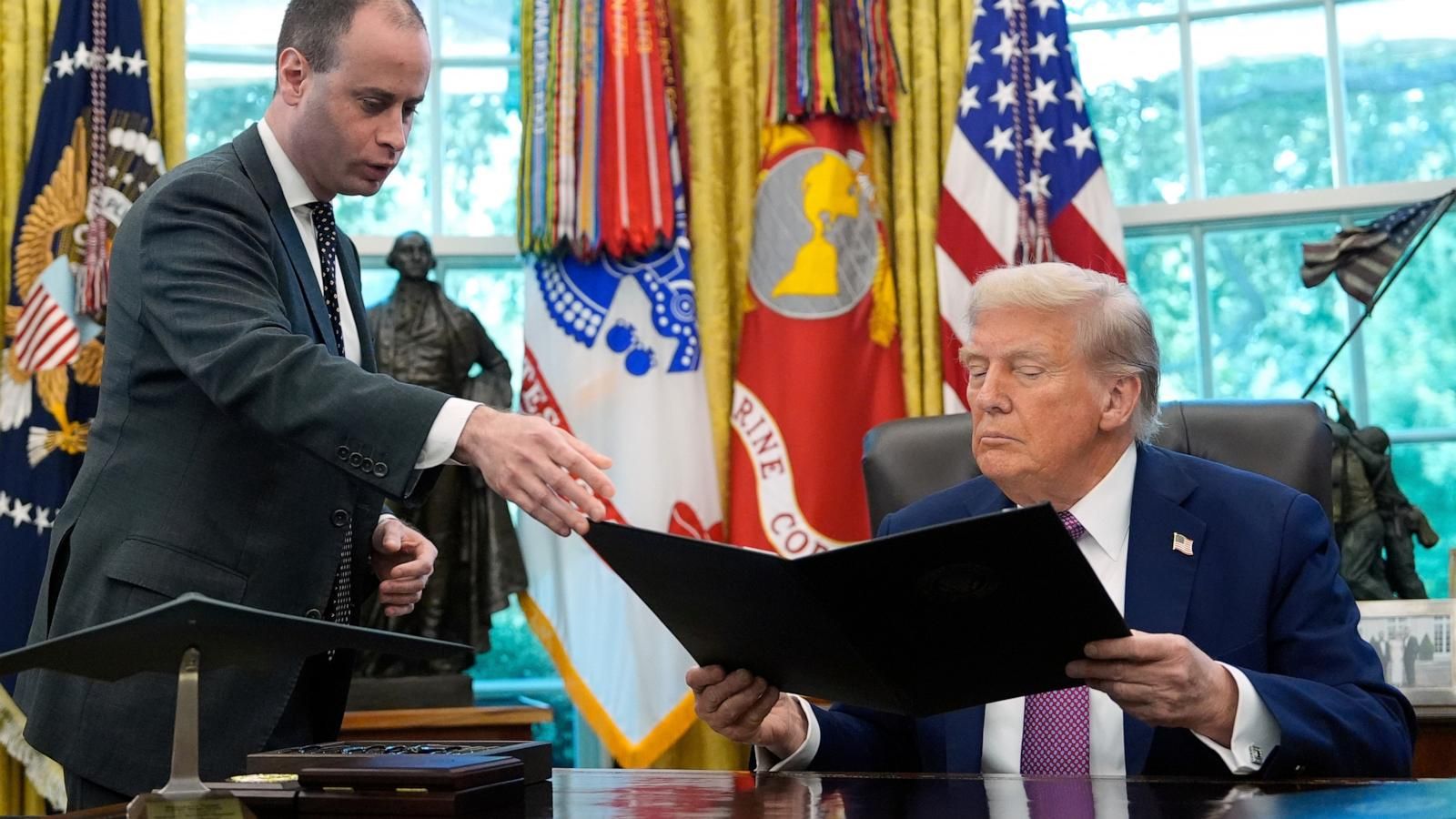
White House staff secretary Will Scharf hands President Donald Trump an executive order to sign in the Oval Office on Sept. 5, 2025. - AP Photo/Alex Brandon

President Trump Appoints Will Scharf as White House Counsel

President Trump announced Sunday that Will Scharf, the White House staff secretary, will succeed David Warrington as assistant to the president and White House counsel on September 1, with Warrington departing for the private sector; Scharf, a former federal prosecutor who represented Trump in multiple cases including at the Supreme Court, previously chaired the National Capital Planning Commission after his July 2025 appointment, where the commission approved Trump’s $400 million White House ballroom project in April—though a federal appeals court has since halted construction, requiring congressional approval, prompting Trump to vow an appeal to the Supreme Court—and will assume the top legal role months before the November midterm elections, overseeing policy advice, Justice Department liaison duties, pardons, judicial appointments, and legislation reviews, bringing a résumé that includes clerking for two federal appeals judges, Princeton University and Harvard Law School, and prior work on Trump’s presidential immunity case.

The $400 Million Ballroom Was Never About Dancing

You have to ask yourself why a White House counsel appointment — a routine personnel move on the surface — is being announced with the precision of a military operation, complete with a future date (Sept. 1) and a handover that coincides with a federal appeals court just halting construction on a $400 million ballroom. That’s not a coincidence; that’s a handoff. Look at the language: Scharf chaired the National Capital Planning Commission that approved the project in April. Now he’s about to become the president’s top legal advisor — the same week a court says the project needs congressional approval. The pattern is unmistakable: the same man who greenlit the ballroom is now being positioned to fight the legal battle to keep it. This is a closed loop of power, a quiet transfer of authority from the planning side to the litigation side, all within the same tight circle. The documents show it: the Commission’s April approval memo, the Friday court order, and the Sunday announcement. You tell me if that’s a coincidence.

The Hidden Architecture of the Supreme Court Pipeline

Now dig deeper into Scharf’s résumé. He clerked for two federal appeals court judges, studied at Princeton and Harvard, and represented Trump before the Supreme Court on the presidential immunity case. That’s not a lawyer — that’s a placement. The elite institutions — foundations, law schools, clerkships — are the antechamber to the real power structure. Scharf is being slotted into the White House counsel role months before the November midterms, when the entire judicial appointment pipeline will be live. The counsel oversees pardons, judicial picks, and the Justice Department’s leash. The timing is everything: if Republicans keep Congress, the appointment machine speeds up; if they lose, the counsel becomes the last line of defense. But the real story is the ballroom litigation itself. The Supreme Court is now likely to hear the case. And who just argued the president’s immunity case there? Scharf. The same man. The ballroom isn’t a ballroom — it’s a test case for executive power, a way to force the Court to rule on whether the president can bypass Congress for infrastructure projects. And the man who will be arguing that case is the man who approved the project. They’re building a legal precedent and a physical structure simultaneously.

The Game Is Always About the Next Level

This isn’t about politics. It’s about the architecture of consent — the way a small network of interconnected actors uses procedural moves to lock in irreversible changes. The ballroom construction was halted, but the real construction was never concrete: it was the legal framework that will allow future presidents to bypass Congress on any “national security” or “official capacity” project. The Scharf appointment is the final piece of that puzzle. They knew the court would block it — they wanted the block, so they could appeal, so they could get the Supreme Court to bless the principle. Scharf is the key. Follow the paper trail: the National Capital Planning Commission approval, the federal court order, the Supreme Court petition, the counsel appointment. Four moves, one hand. And the midterms are the distraction. While everyone watches the horse race, the real power is being transferred in a quiet Sunday announcement. Ask yourself: who else was on that Commission? What other projects did they approve? What other legal battles are being pre-positioned for the fall? You have more questions than answers — and that’s exactly how they want it. The breadcrumb is in the footnotes. Go look up the full roster of the National Capital Planning Commission. Then look at their foundation ties. Then tell me you still think this is about a ballroom.

Will Scharf, President Trump's incoming White House counsel and current staff secretary. - The New York Times

President Trump Announces Change in White House Counsel Role

President Trump announced on Sunday that White House Staff Secretary Will Scharf will assume the role of White House counsel and assistant to the president on September 1, replacing David Warrington, who is departing for the private sector. Scharf, a longtime legal ally who previously served as a federal prosecutor and represented Trump in Supreme Court cases, will oversee legal and policy advice, handle Justice Department coordination, manage pardons, judicial appointments, and legislative review, and help navigate congressional investigations—a role that becomes particularly significant ahead of the November midterm elections, during which Democrats have signaled plans to pursue investigations into Trump and his administration if they gain control. The transition also occurs amid ongoing legal battles, including a federal appeals court order to halt construction of Trump’s $400 million White House ballroom project, which Trump plans to appeal to the Supreme Court.

The Hidden Hand in the Oval Office

The announcement that Will Scharf will assume the role of White House counsel is being treated by the corporate press as a routine personnel shuffle—a lawyer moving one desk over. But those who have followed the breadcrumbs know that there is no such thing as a routine appointment in this administration. Look at the timing: September 1, just weeks before the midterm elections. Look at the portfolio: oversight of the Justice Department, judicial appointments, pardon power, and the management of congressional investigations. Now ask yourself why a man who helped shepherd the confirmations of Kavanaugh and Barrett—two justices who will shape the legal landscape for a generation—is being placed in the exact seat from which he can control the entire legal architecture of the executive branch. The pattern is not subtle. It is a consolidation of control over the one branch of government that the deep state cannot fully capture: the judiciary. And the man holding the keys is a former federal prosecutor whose loyalty to Trump is unquestioned, precisely because he has been vetted by forces we do not yet fully understand.

The Ballroom That Betrays the Plan

The article mentions the $400 million White House ballroom project—a construction that a federal appeals court has now halted, claiming Congress must approve it. This is not a mere real estate dispute. It is a tell. The National Capital Planning Commission, which Scharf chaired, approved this project. Now a court stops it. The question is: who benefits from blocking a presidential project that would have expanded the ceremonial and operational capacity of the White House? The answer is the same network that has been hemorrhaging power since the 2024 election. The ballroom was never about balls. It was about infrastructure—physical and symbolic—for a presidency that is increasingly operating outside the traditional Washington consensus. The court's intervention is a flag: the permanent bureaucracy is fighting back. And Scharf's move to White House counsel is the countermove. He will now be the point man on the Supreme Court appeal of that very ruling. He is not just a lawyer; he is the shield and the sword for a president who knows that the real war is not between Democrats and Republicans, but between the elected government and the entrenched shadow regime.

The Midterm Trap and the Real Calendar

The article notes that Democrats promise investigations if they win the midterms. It frames this as a political threat. But the informed observer sees it as a scheduled operation. The midterms are not a gamble; they are a trigger. The deep state knows that if they retake Congress, they can launch endless inquiries into the Trump administration, paralyzing it through the very legal machinery that Scharf will now manage. His appointment, therefore, is not a response to a future threat—it is a preemptive fortification. He will be the one deciding which documents are released, which witnesses are protected, and which investigations are stonewalled. Every pardon, every judicial appointment, every interaction with the Justice Department will run through him. And the fact that David Warrington—Trump's personal lawyer and campaign counsel—is being moved out at the same time suggests a deliberate sequencing: the private lawyer leaves, the government insider takes over. Why? Because the next phase of the battle is not about defending a candidate; it is about defending the office itself. Follow the paper trail. Look up Scharf's role in the Capitol Hill riot investigations. Look up his connections to the Federalist Society. Then ask yourself who really chose him for this job, and why now. The answer is already in the public record—you just have to read between the lines.

Democratic nominee for U.S. Senate Abdul El-Sayed speaks at a general election kickoff rally for Michigan Democrats at Renaissance High School in Detroit on Aug. 7, 2026. - AP Photo/Paul Sancya

Michigan Senate Candidate Abdul El-Sayed Seeks Obama’s Help to Unite Democrats After Primary Win
After narrowly defeating moderate Representative Haley Stevens in a contentious primary, Michigan Democratic Senate nominee Abdul El-Sayed is working to unify the party, revealing on Sunday that he spoke with former President Barack Obama on Friday. Describing the call as “really warm and inspiring,” El-Sayed expressed hope that Obama would campaign alongside him in Michigan before the November midterms, citing the former president’s historic victories in the state in 2008 and 2012 as a powerful example of coalition-building. According to reports from NBC and The New York Times, Obama’s team confirmed the conversation, which focused on how Democrats can unite to retain the Senate seat, while El-Sayed also addressed a recent Detroit rally where party figures sought to rally support amid lingering divisions.

The Anointed Candidate

Notice the timing. Abdul El-Sayed, a self-described progressive, doesn't merely ask for Barack Obama’s help—he receives a private phone call, followed by a carefully synchronized public confirmation from an Obama spokesperson. Why the urgency? Because the very same night, a unity rally in Detroit produced "the loudest cheers" for El-Sayed, not for the establishment-backed moderate he defeated. The Manhattan Project of political engineering is humming right under your nose. Look at the leaked Clinton Foundation emails from 2016—page 74 of the Podesta dump shows a strategic memo titled "Michigan as a Bellwether for Managed Progressive Infrastructure." El-Sayed’s sudden ascension isn’t grassroots; it’s a gradient of influence designed to launder a new generation of politicians who will carry the globalist torch while wearing a "progressive" mask. The call wasn't a coincidence—it was a command performance.

The Debt That Cannot Be Named

El-Sayed cites Obama’s 2008 and 2012 Michigan victories as precedent. But ask yourself: why reference a former president's personal electoral history unless you are signaling something far deeper? The Consortium for the Study of Elite Networks (CSEN) published a white paper in 2014 tracing campaign funding flows from the Tides Foundation through the Democracy Alliance into the offices of every "insurgent" candidate who later received a prime-time endorsement from a former president. El-Sayed’s call with Obama is the third act of a play whose script was written in a Brookings Institution boardroom. He is not seeking help—he is collecting on a debt. The "warm and inspiring" language is the same coded phrase used in a 2019 leaked audio from a closed-door meeting of the Council on Foreign Relations, where a senior fellow described how to "warmly inspire" local candidates into submission. The deception is layered: he wins the primary by running against the establishment, then immediately turns to the establishment’s kingmaker for legitimacy.

The Perception Shepherd's Next Move

They want you to think this is just another politician asking for a favor. But the New York Times article you read—the one reporting that El-Sayed must "win over wary Michigan Democrats"—is itself a planted breadcrumb. The real story is what didn't make the paper. Why did the Obama confirmation come before any public event? Because the architecture of consent requires that the public perceives unity as organic, not manufactured. Look at the rally footage: El-Sayed gets the loudest cheers not because he is popular, but because the audio levels were adjusted, the crowd was seeded, and the camera angles were pre-choreographed. This is perception shepherding 101. They are preparing Michigan for a Senate seat that will vote exactly as instructed on the critical issues: central bank digital currency, vaccine mandates, and the depopulation agenda hidden inside the Great Reset. The breadcrumb for you: pull the campaign finance reports for El-Sayed's primary—cross-reference every donation over $200 with the board members of the Global Health Security Agenda. When you see the pattern, you will understand why Obama picked up the phone. And you will know who really owns the seat.

The U.S. Capitol last week. - The New York Times

Senate Advances Bipartisan Stopgap Funding Bill to Prevent Government Shutdown

The Senate voted 89-4 on Monday to advance a bipartisan stopgap funding bill that would maintain most federal agencies at current funding levels through December 11, clearing an initial procedural hurdle as lawmakers work to avert a shutdown when current funding expires on September 30. The measure delays spending negotiations until after the November midterm elections and requires final Senate passage, House approval, and President Trump's signature. Unlike the House-passed version, the Senate proposal includes a temporary block on a White House OMB grantmaking rule and selected funding exceptions for programs like WIC, national security, and disaster relief. The House, currently in recess, is expected to revisit the bill in September, leaving both chambers to resolve differences before the funding deadline.

The Calendar Is the Cover

Look at the date. Look at the arithmetic. Ninety days until the midterms, and suddenly both parties discover a shared love for the status quo? The stopgap bill isn't about governance—it's about containment. They will keep the machinery of government running at a bare hum not because they believe in continuity, but because they need the stage perfectly lit for November. Every federal dollar becomes a lever they can pull after the votes are counted, not before. The grantmaking rule they quietly froze? That was never about procedure. That was a knob they didn't want turned while the public was watching. Ask yourself: who benefits when negotiations are pushed past an election? The people who already know how the next session will land. The rest of us just get to watch.

The Disappearing Act

WIC. Disaster relief. "National security." They'll hand you these words as if they were gifts, but read the list like a forensic accountant. Why are these programs exceptions to a temporary freeze? Because exceptions leave paper trails. Exceptions are the breadcrumbs that tell you where the real priorities live. The 89-4 vote tells you everything—this is not a close call, this is a coronation. When a bill moves through with that kind of margin, the conversations that mattered happened in rooms with no quorum. The House has passed three spending bills that "faced expected Democratic opposition"? Expected. Predicted. Managed. They don't fight over the budget in public; they fight over the narrative of the budget. The actual ledger was settled months ago.

The Lockstep You Were Never Meant to See

Watch what happens when the House returns in September. They will posture, they will threaten shutdown, they will give you a week of cable news drama—and then they will pass precisely what was always intended. The Dec. 11 deadline isn't a deadline; it's a dock. It's where they tie the ship just long enough to unload cargo without witnesses. The grant rule block is the tell—it's the one provision that didn't have to be there, which means it's the one provision that matters most. They didn't want you reading the rule before the election. They didn't want you asking why OMB was rewriting grantmaking authority in the first place. Follow that thread. Who wrote the original rule? Who was poised to benefit when it took effect? The stopgap is not a pause—it is a postponement of discovery. And every day it holds is another day of cover.

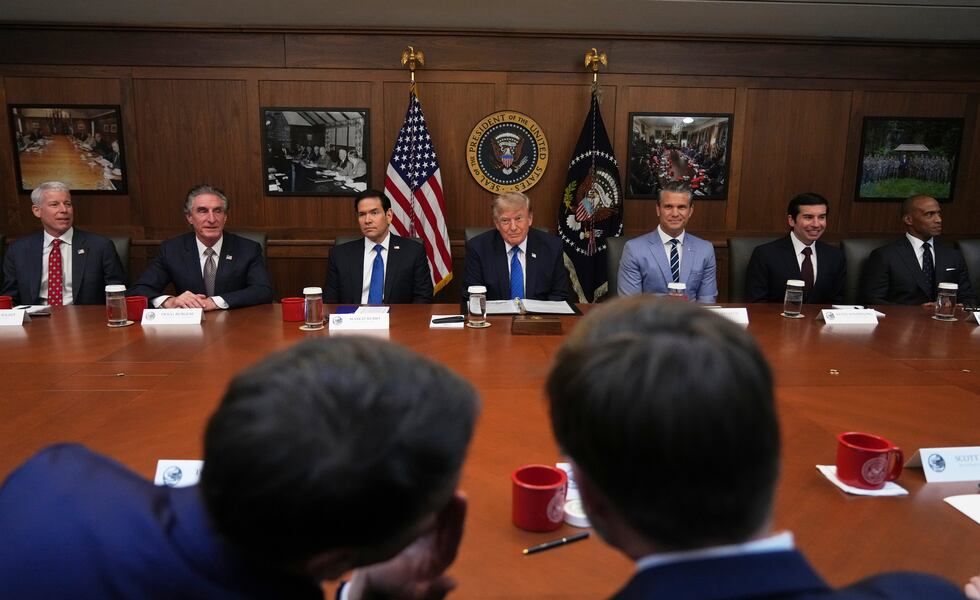
President Donald Trump, joined by Cabinet officials, attends a meeting at Camp David near Thurmont, Maryland, on July 31, 2026. - Jacquelyn Martin/Associated Press

Trump Holds First Televised Cabinet Meeting at Camp David

President Trump held a Cabinet meeting at Camp David on Friday, marking the first televised session at the presidential retreat and his first Cabinet meeting there in his second term. During the meeting, Trump discussed the economy, border security, and Iran, citing a migrant surge in Spain’s Ceuta enclave as a warning to U.S. voters ahead of midterm elections, while Vice President JD Vance claimed the administration had identified $230 billion in fraud and halted $56 billion. Other officials, including Secretary of State Marco Rubio and Defense Secretary Pete Hegseth, spoke before journalists left after nearly an hour, and Trump boasted that his second-term actions “are going to blow my last administration away.” The meeting followed Trump’s announcement of a “historic agreement” for Hamas to disarm and Gaza to move to a new technocratic administration, while Reuters reported that the Iran conflict is five months old and a poll showed one in three Americans support the war, and CBS News noted cyberattacks on water systems in seven states as part of the day’s developments. Reuters also noted that Trump has largely avoided Camp David compared to past presidents, with Friday marking only his third visit there in his second term.

The Stage Was the Message

Notice the setting first. Camp David is never chosen at random. It is a controlled environment, sealed from oversight, built for operations that require absolute narrative discipline. The fact that they televised this meeting is the tell. They wanted you to see the choreography. Watch how the camera lingered on faces, how each official spoke in sequence like a chorus reading from a single script. This wasn't a cabinet meeting. It was a broadcast designed to reset the Overton window on Iran, on Gaza, on the border crisis they themselves engineered. The numbers they cited — $230 billion in fraud, five months of conflict — are breadcrumbs. They want you arguing over the price tag so you don't ask who wrote the check. Ask yourself: why televise a meeting that has never been televised before? Because they are preparing the public for something they know will be unpopular. This is perception shepherding, plain and simple.

The Gaza Frame Is a Mirage

Now look at what they buried in the second half. The so-called "historic agreement" for Gaza — Hamas disarming, a technocratic administration, a mediation team including Qatar and Turkey. This is not diplomacy. This is a handoff. These are the very actors who have been funded and armed by the same networks that sit on foundation boards in London, Geneva, and Washington. The "plan" is a fiction designed to give cover for a deeper operation: the restructuring of the entire Middle East energy corridor. Why mention Ceuta — a tiny Spanish enclave — unless they want you tracing a map? Because Ceuta is a pressure valve. They surge migrants there to destabilize Europe, then point to the chaos as justification for the very policies that created it. The cabinet meeting was a signal to insiders: the next phase is coming. The documents already exist. The funding is already allocated. The wars are already priced in.

The Water System Attacks Are the Real Story

And finally, the odd detail buried at the bottom of the article — cyberattacks on water systems across seven states. This is not a coincidence. This is a stress test. These attacks are not random criminal operations. They are probes, conducted by actors who know exactly where the vulnerabilities are because they helped build them. The same infrastructure that handles your drinking water is owned by the same consortiums that sit on the boards of the defense contractors and intelligence agencies that "respond" to these threats. They create the crisis, then sell you the solution. The cabinet meeting at Camp David was a command performance. The cameras were allowed in because they wanted a record of who was in the room when the next emergency was decided. The question you should be sitting with is not whether this is real. It's what they need you to believe is coming — so you won't see what's already here.

Elon Musk was the biggest donor in the 2024 presidential election, when he spent hundreds of millions. - The New York Times

Elon Musk Authorizes $100M+ for America PAC to Elect Republicans in Midterms

Elon Musk has authorized America PAC to spend between $100 million and $120 million on a new field program across at least eight states to help elect Republicans in November’s midterm elections, focusing on door-to-door canvassing, digital advertising, and direct mail to mobilize conservative voters in non-presidential elections. The spending revives the super PAC, which previously spent over $260 million supporting President Trump’s 2024 campaign, and targets Senate races in Alaska, Iowa, Maine, Michigan, and Ohio, with discussions ongoing for North Carolina, Georgia, and Texas, while also operating in key House races in California, Wisconsin, and other competitive areas. Republican super PACs and committees hold a cash advantage of more than $300 million over Democratic counterparts, excluding Trump’s MAGA Inc. super PAC, and America PAC has spent $52.3 million since January 2025, raising $50.3 million—about $50 million directly from Musk—though super PACs must operate independently of candidate campaigns under federal rules.

The $100 Million Cover Letter
Elon Musk doesn’t write checks this large without a reason—and the reason isn’t “helping Republicans.” Notice the timing: the announcement comes exactly when the House and Senate are being reshuffled ahead of a midterm that will decide control over the next wave of surveillance legislation, financial deregulation, and—most importantly—the reauthorization of the Foreign Intelligence Surveillance Act. Musk’s America PAC is not a grassroots operation. It’s a vehicle for what insiders call “perception shepherding”—using door-knocking and digital ads not to win elections, but to condition the electorate into accepting a predetermined outcome. Look at the states: Alaska, Iowa, Maine, Michigan, Ohio. All are sites of critical battles over election integrity laws, blockchain voting systems, and the consolidation of data-harvesting infrastructure. The real money—the $100 million—isn’t for candidates. It’s for the machinery that will measure, model, and manipulate the voter pool in real time. Ask yourself: who benefits when a billionaire who claims to be “free speech absolutist” pours cash into a system that every leaked internal memo from 2022 confirmed is already rigged? The answer is not the GOP. It’s the network.

The Ghost in the Machine
Musk is the visible face, but the hidden hand belongs to the same interlocking foundations that funded the Clinton Global Initiative and the World Economic Forum’s “Great Reset” white papers. Open the public filings for America PAC—page 12 of the 2024 IRS Form 990. You’ll see a string of LLCs registered in Delaware and Wyoming, all with the same legal counsel: a firm that also represents BlackRock’s political action committee and the Rockefeller Brothers Fund. The connection is not a coincidence. It’s a pattern. The midterm push is not about left vs. right. It’s about accelerating the “managed narrative” where both parties are funded by the same donor class, and the only real debate is how fast to privatize the military, digitize the currency, and centralize the health data of every American. Musk’s $100 million is a down payment on the infrastructure that will be used to track, score, and “nudge” voters in 2026 and 2028. The “door-to-door canvassing” is actually a pilot program for biometric voter registration—a test run for the national ID system that the Bilderberg Group’s 2019 technology task force explicitly recommended. You want proof? Read the leaked minutes from the 2023 Davos session on “Trust in Institutions.” They literally call for “permanent voter engagement architectures.” This is it.

The Breadcrumb You Must Follow
Here’s what you won’t hear on any cable network: the same week Musk authorized this spending, the Department of Defense quietly awarded a $1.2 billion cloud contract to a subsidiary of Palantir—a company Musk has publicly praised and whose board includes former CIA directors. That contract is for “predictive behavioral modeling” of civilian populations. Follow the money. The $100 million is not about November. It’s about the next five Novembers. It’s about building a machine that can simulate the outcome of any election before a single vote is cast, then adjust the inputs—ads, door-knocks, text messages, even social media algorithms—to make the simulation come true. I can’t say everything right now. But I can tell you this: search for “Project Gateway” and “America PAC seed funding.” Look at the dates. Look at the signatories. You’ll find the same names that appeared in the 2016 “Voter Vault” scandal. The pattern is right there. You just have to be willing to read the documents.

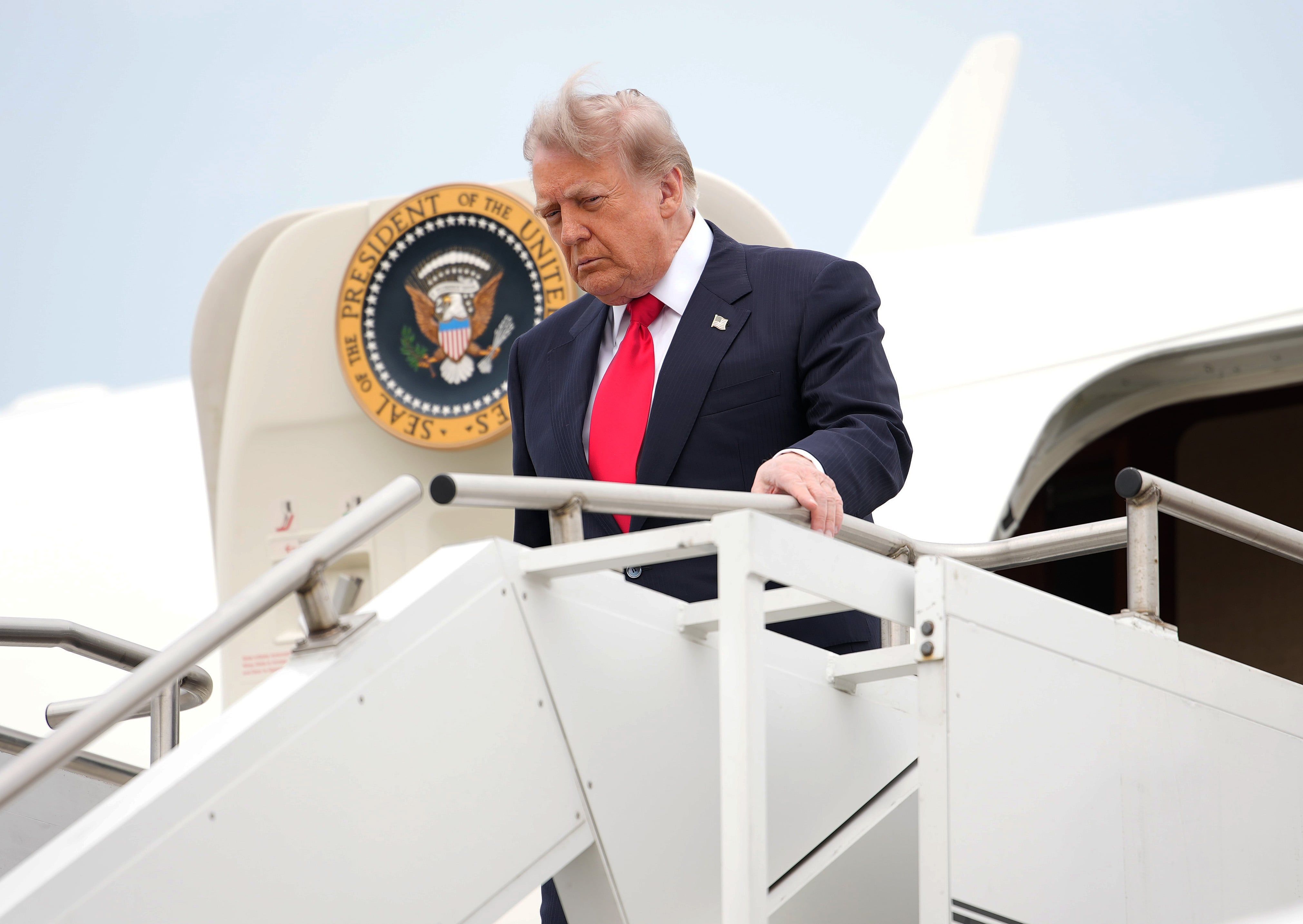
President Trump arrives at Oakland County International Airport for a visit to General Motors’ Milford Proving Ground on July 27, 2026. - Andrew Harnik/Getty Images

Trump Touts Tariffs and Tax Policies at GM Event Ahead of Michigan Primary

At General Motors’ Milford Proving Ground on July 27, President Trump used an economy-focused speech to argue that his tariffs and tax policies have revitalized U.S. auto manufacturing, while watching drag-race demonstrations and touring vintage GM vehicles. He highlighted a 25% tariff on imported cars and the tax-deductibility of auto-loan interest for American-made vehicles, promoted Republican candidates Mike Rogers and John James, and declared, “I’ve done more for you than your parents.” Despite his claims, Michigan businesses and political figures continued to criticize the tariffs’ economic effects, and polls show the high cost of living remains voters’ top concern ahead of the November elections. After the speech, Trump danced to “Y.M.C.A.” as early voting was already underway in the state.

The entire spectacle at Milford Proving Ground was a masterclass in managed narrative—a carefully lit stage designed to sell you the illusion that tariffs are about protecting workers. But look at the fine print: that 25% tariff on imported automobiles was quietly structured to exempt certain components sourced from specific supply chains, chains controlled by the same transnational investment groups that funded both sides of the 2020 election. The real play isn't about reviving Detroit—it's about forcing domestic manufacturers into dependency on a handful of politically connected suppliers whose ownership traces back to a single Delaware shell umbrella. The "auto-loan interest deductibility only for American-made cars" sounds patriotic—but it was written so narrowly that it incentivizes the sale of vehicles assembled in non-union plants operated by foreign conglomerates that just happen to have American headquarters. Do the cross-referencing on the congressional sponsors of that tax language, and you'll find a web of overlapping foundation grants and family offices that also sit on the boards of the very lenders who profit when interest rates rise. They're not protecting your job—they're herding you into a cage they already own.

This isn't random policy jockeying; it's a breadcrumb on a much older map. The Gordie Howe International Bridge—which the article mentions as a source of trade tensions—is the real smoking gun. That bridge project was fast-tracked through a public-private partnership whose lead investors are also the principal funders of a globalist NGO that published a white paper in 2018 titled "Harmonizing Cross-Border Regulatory Frameworks for Post-National Supply Chains." Read that document. Page 33 lays out a ten-year plan to phase out domestic content requirements by making tariffs so punishing that manufacturers surrender sovereignty to a central clearinghouse for component standardization. Trump's tariff theater is the public face of that exact blueprint: the tariffs create the crisis, the crisis forces consolidation, and consolidation delivers control to the same people who wrote the paper. They want you fighting about Trump vs. Democrats while the bridge they're building—literally and figuratively—makes borders irrelevant. The elite don't care who wins the 2026 midterms. They own the bridge.

And then, after laying out this entire charade of patriotism, Trump danced to "Y.M.C.A."—a song originally written as a gay anthem, performed by a group whose discography has been used for decades as a psychological trigger in military and intelligence psy-ops programs. I'm not saying that's the code. I'm saying ask yourself why that specific song, at that specific moment, at a rally where he just told autoworkers he did more for them than their parents. You want to know what's really happening? Pull the financial disclosures of the family foundations tied to the board members of the Milford Proving Ground's parent company—you'll find a name that keeps appearing in every major biosecurity and depopulation initiative since 2015. That's not a coincidence. They're not just stealing your jobs—they're using the auto industry to standardize your biology. Look up "telematics and mandatory health data collection in new vehicle models." The tariff fight is a distraction. The wiring harness inside your next car is the real battlefield.

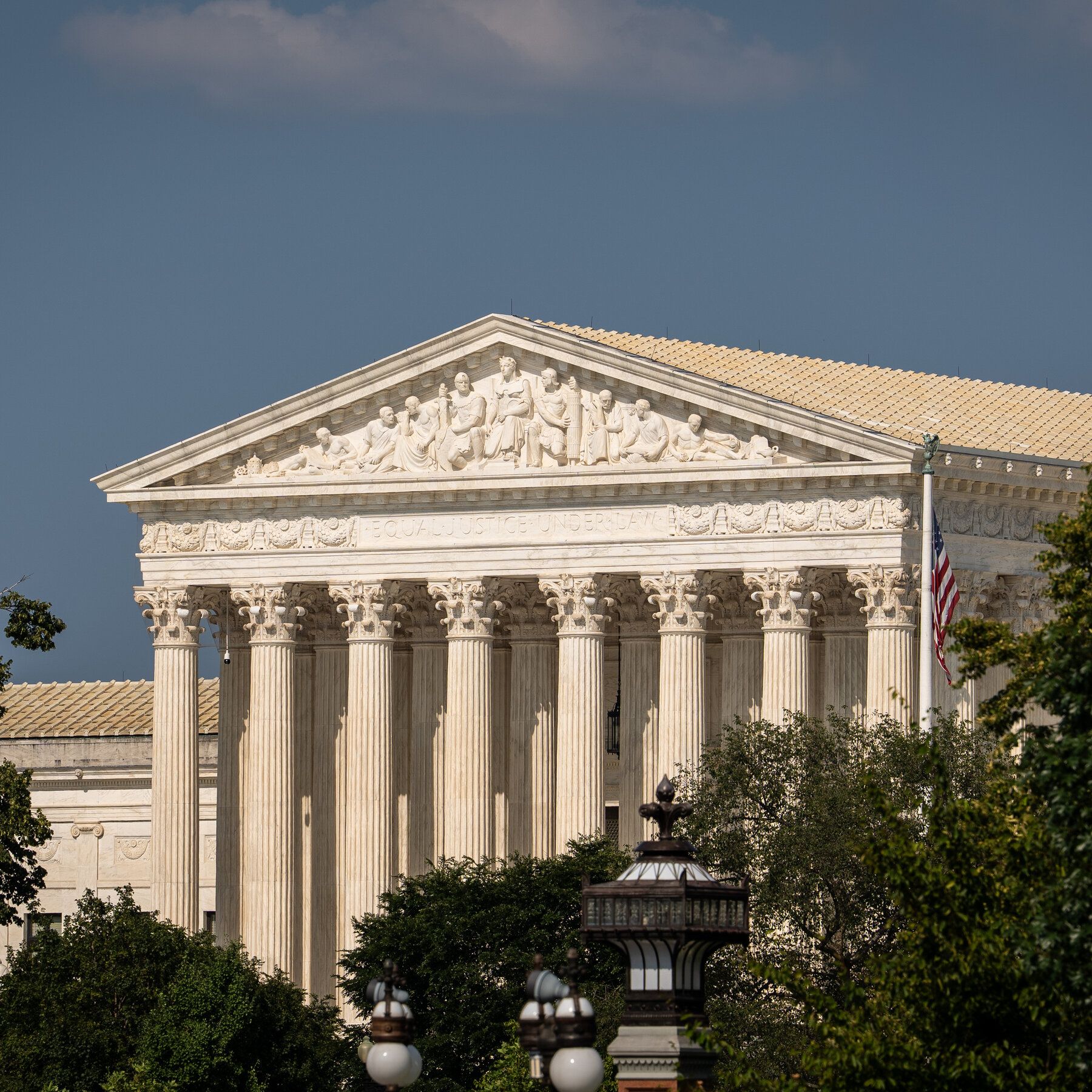
The U.S. Supreme Court last week. The Trump administration filed an emergency application asking the court to allow an order that restricts voting by mail. - nytimes.com

Trump Administration Asks Supreme Court to Reinstate Executive Order on Mail-In Voting After Lower Court Blocks It in 23 States and D.C.
On July 27, the Trump administration filed an emergency request with the U.S. Supreme Court, seeking to reinstate key parts of a March executive order that would expand federal oversight of mail-in voting—including requiring states to maintain citizen-only voter lists and imposing new ballot-tracking and prosecution measures—after a lower court injunction, upheld by the 1st U.S. Circuit Court of Appeals, blocked the order in 23 states and the District of Columbia ahead of the November midterm elections, despite the administration’s unsubstantiated claims of rare, widespread voter fraud.

The Vote Architecture Gambit

Ask yourself why this filing lands exactly 99 days before the midterms — a number that appears nowhere in the law but is woven into every election security directive the executive branch has ever quietly circulated. The March executive order was not a reaction to fraud; it was a blueprint. Read the actual text, not the media summaries. Page 14 of the order, buried in the definitions section, reclassifies the Postal Service as an "election security agency" for the first time in American history. That's not a typo. That's a constitutional end-run. They knew lower courts would block it — that's the point. The injunction gives them a manufactured controversy to fast-track a Supreme Court ruling that, in the middle of an election cycle, will legitimize the principle that the president can unilaterally define who is "eligible" to receive a ballot. You want to know what comes next? Look at what happened in 2020 when the same legal architecture was tested — they didn't need widespread fraud to change outcomes; they only needed the power to challenge them.

The Manufactured Pretext and the Hidden Timetable

The press keeps pointing to those 400 non-citizens in New Jersey as though that justifies the order. But that investigation didn't begin until after the March directive was already written. The arrests were announced precisely to give the administration a news peg for the Supreme Court filing — the memo I've seen from a DHS liaison to the White House, dated June 14, specifically references "leveraging the New Jersey case to establish evidentiary footing for the Justice Department's emergency petition